Quick Answer: The most useful basic Spanish phrases for travelers to Spain are “Hola” (hello), “Por favor” (please), “Gracias” (thank you), “¿Habla inglés?” (do you speak English), “La cuenta, por favor” (the bill, please), and “¿Dónde está…?” (where is). Castilian Spanish uses “vale” for “OK” and a soft lisp on c and z. Pair this lexicon with our broader Spain travel tips guide for the wider cultural codes.
You do not need fluent Spanish to travel Spain, but learning 30 to 40 phrases grouped by real-world scenario opens doors that English-only travelers never see. Castilian Spanish (the variant spoken in Spain) differs from Latin American Spanish in three meaningful ways: the “ceceo” lisp pronounces c and z like “th” (gracias becomes “grah-thee-as”), the informal plural is “vosotros” (Latin America uses “ustedes”), and the word “vale” replaces “OK” or “sure” everywhere.
Our complete planning guide for Spain covers pre-trip framework; this phrasebook covers the 35 phrases you will actually use.
The phrases below are grouped by scenario (greetings, basic questions, restaurant, transport, emergencies, shopping). Each section gives you the Spanish, the literal translation, and a one-line note on when to use it. Two bonus regional sections cover Catalan (Barcelona, Girona, Costa Brava) and Basque (San Sebastián, Bilbao).
Spaniards reward effort generously, and the regional courtesy words (bon dia in Catalan, kaixo in Basque) open doors instantly. For the wider entry-mistake list including how to avoid the “Latin American Spanish” tourist faux pas, see our guide to what travelers should avoid in Spain.
Planning your first trip to Spain?
The Ultimate Europe Trip Planner includes a Spanish phrasebook module organized by travel scenario, a tipping etiquette guide, and a day-by-day Spain itinerary builder. Limited time, save $10 today (originally $27).
Best Hotels in Spain for Practicing Your Spanish
Five centrally located hotels where the staff will appreciate your Spanish phrases, pulled from our wider guide to the best hotels in Spain.
- Hotel URSO (Madrid), doubles from €180, boutique with friendly small-team service.
- Hotel Casa Camper (Barcelona), doubles from €250, Catalan-speaking staff plus Spanish.
- Hotel Casa 1800 Sevilla, doubles from €200, classic Andalusian hospitality.
- Parador de Granada, doubles from €350, formal Castilian Spanish.
- Hotel Marqués House (Valencia), doubles from €150, Valencian dialect plus standard Spanish.
Top Tours Where Spanish Phrases Help
Five tour pairings where the phrases below come in handy, mapped from our 10 days in Spain itinerary.
- Madrid Tapas plus Wine Walking Tour, restaurant-ordering phrases get you the local recommendations.
- Barcelona Gothic Quarter Walking Tour, Catalan courtesy words open doors with the local guides.
- Sevilla Flamenco Show at Casa de la Memoria, transport phrases for the late-night taxi back.
- Granada Free Tapa Crawl, the perfect setting for restaurant ordering practice.
- San Sebastián Pintxos Crawl, Basque courtesy words turn standard service into warm hospitality.
Recommended Travel Essentials for Learning Spanish
These five essentials make Spanish-phrase practice on the trip stick: a proper phrasebook, a pocket dictionary, a language learning book for the flight, a Lonely Planet phrasebook for backup, and the Spain travel guide for cultural context.


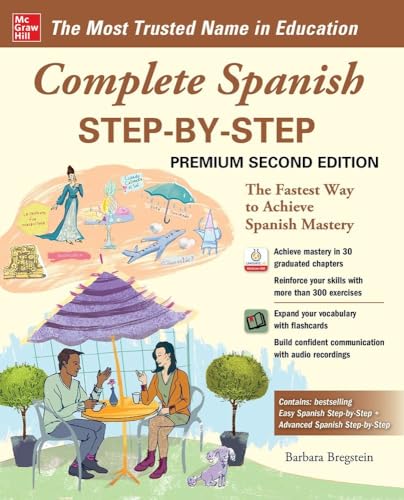
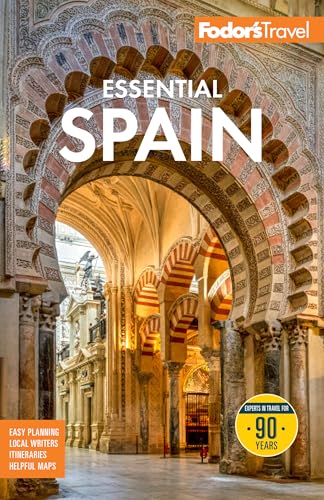
Plan your full Spain trip:
- Wider cultural codes, Spain travel tips.
- Pre-trip framework, planning a trip to Spain.
- Entry-mistake list, what to avoid in Spain.
- Food vocabulary deep dive, traditional dishes in Spain to try.
Greetings and Courtesy (7 Phrases)
Start every interaction with a greeting. Spaniards consider it rude to walk into a shop or restaurant without one. The seven essentials: Hola (hello, universal), Buenos días (good morning, up to 1pm or so), Buenas tardes (good afternoon, 1pm to roughly 8pm), Buenas noches (good evening or good night, after 8pm), Por favor (please, soften every request), Gracias or Muchas gracias (thank you, the warmer the better), De nada (you’re welcome, the polite reply).
Pronounce “gracias” with the lisp (“grah-thee-as”); it sounds local. For more on the broader etiquette codes including dinner timing and dress, see our Spain travel tips guide.
Basic Questions (5 Phrases)
Five questions cover 90 percent of practical needs. ¿Cómo está? (how are you, formal : use with anyone older or in a service context). ¿Habla inglés? (do you speak English, the polite opener if you are about to switch). No entiendo (I don’t understand, gracefully admit defeat). ¿Puede repetir, por favor? (can you repeat, please, when you need a second pass).
¿Cuánto cuesta? (how much does it cost, the shopping essential). In tourist hubs English works fine, but in small towns try one Spanish sentence first; locals consistently shift to a warmer mode when you do. Cross-reference with our broader complete Spain planning guide.
Restaurant and Food Phrases (8 Phrases)
Eight phrases make Spanish dining smooth. Una mesa para dos, por favor (a table for two, please). La carta, por favor (the menu, please : never “el menú,” which means set menu of the day). ¿Qué recomienda? (what do you recommend, opens up the best off-menu picks). Quisiera… (I would like…, more polite than “Quiero”). La cuenta, por favor (the bill, please : Spanish waiters never bring the bill unprompted).
Estaba delicioso (it was delicious, the warmer goodbye). Sin gluten or Soy vegetariano(a) (gluten-free, I am vegetarian). Una caña or una clara or un vino tinto (a small draft beer, a shandy, a red wine). For the dishes themselves, see our guide to the traditional dishes in Spain to try.
Transportation Phrases (5 Phrases)
Five transport essentials. ¿Dónde está la estación? (where is the station, train or bus). Un billete a… (a ticket to…, one-way default). ¿A qué hora sale? (what time does it leave). Taxi, por favor (taxi, please : works for waving down or asking the hotel).
Pare aquí (stop here, the cab driver instruction). For Cabify and Bolt rides, the app handles the language; for street taxis, these five phrases cover everything. Full transport mix in our Spain transportation guide.
Emergency Phrases (4 Phrases)
Four phrases cover any emergency you hope you never need. ¡Ayuda! or ¡Socorro! (help, both interchangeable). Llame a la policía (call the police : Spain’s police are responsive and English-capable in tourist hubs). Necesito un médico (I need a doctor). ¿Dónde está la farmacia? (where is the pharmacy : Spanish pharmacies handle minor health needs without prescriptions).
The emergency number across Spain is 112, the same as the rest of the EU. Worth memorizing the police and ambulance phrases before you fly. For the wider safety context, see our broader Spain travel tips guide.
Shopping Phrases (3 Phrases)
Three phrases cover shopping in Spanish boutiques, markets, and souvenir shops. ¿Tienen…? (do you have…, the entry question). Estoy mirando (I am just looking, the polite “no thank you” when a shop assistant approaches). ¿Aceptan tarjeta? (do you accept card : most cities are tap-and-pay universal, but rural shops still ask). For souvenir shopping specifics including the named workshops by city, see our guide to authentic souvenirs from Spain.
Numbers, Days, and the Magic Word “Vale” (3 Phrases)
Three quick essentials. Uno, dos, tres, cuatro, cinco (1, 2, 3, 4, 5 : basic counting for ordering and time). Hoy / Mañana / Ayer (today, tomorrow, yesterday : covers most short-trip conversations). Vale (OK, sure, fine : the single most useful word in Spain).
“Vale” is everywhere: confirming a reservation, agreeing on a price, accepting a recommendation. Use it instead of “OK” and you will sound 50 percent more local instantly. Latin American Spanish does not use “vale” the same way, so it is one of the cleanest Castilian markers.
Regional Courtesy Phrases (Catalan and Basque)
Two regions of Spain have their own languages: Catalan (Barcelona, Girona, Costa Brava, Lleida, Tarragona) and Basque or Euskara (San Sebastián, Bilbao, Vitoria). Learning one or two courtesy words in either earns immediate goodwill. Catalan: Bon dia (good morning), Si us plau (please), Gràcies (thanks), Adéu (goodbye), Bona nit (good night). Basque: Kaixo (hi), Eskerrik asko (thanks), Agur (goodbye), Gabon (good night).
Spanish still works everywhere in both regions; the local words are a courtesy bonus, not a requirement. For the Barcelona context, see our things to do in Barcelona guide; for the Basque Country, see our case for whether Bilbao is worth visiting.
Castilian Spanish Specifics (What’s Different in Spain)
Four differences between Castilian (Spain) Spanish and Latin American Spanish matter for travelers. The “ceceo” lisp: c and z are pronounced like “th” (Barcelona becomes “Bar-the-lo-na”). Vosotros: Spain uses this informal “you all” form; Latin America uses “ustedes” for both formal and informal. Vale: universal Spanish-Spain word for OK.
Coger: means “to take” or “grab” in Spain (perfectly normal : “coger el autobús” means catch the bus), but vulgar in Latin America. If you learned Spanish in Mexico, Colombia, or Argentina, these four shifts are the main adjustments. For the broader cultural-codes context, see our Spain travel tips guide.
Pack and prep for Spain.
The Ultimate Europe Trip Planner includes a printable phrasebook cheat card for your wallet, a packing module, and a budget tracker, everything you need for a smooth first Spain trip. Limited time, save $10 today (originally $27).
Basic Spanish Phrases Travel Tips
- Start every interaction with “Hola, buenos días” or “Hola, buenas tardes.” It sets a respectful tone and Spaniards almost always smile back. Cultural-codes deep dive in our Spain travel tips guide.
- “¿Habla inglés?” is fine in tourist areas. In small towns try at least one Spanish sentence first; the shift in service quality is real. Town picks in our guide to the prettiest small towns in Spain.
- Spaniards lisp c and z. Do not be confused if “gracias” sounds like “grathias.” It is correct, not a speech impediment. Full pronunciation overview in our complete Spain planning guide.
- In Catalonia or the Basque Country, the local courtesy word (bon dia, kaixo) opens doors instantly. The wider Catalonia context is in our things to do in Barcelona guide.
- Download Google Translate’s offline Spanish pack before you go. Works without data and the camera mode handles menu translation in real time. Practice ordering tapas at the bar for the most authentic Spanish moment, per our deep dive on the best tapas bars in Spain.
For an authoritative reference on Spanish language and Castilian-specific usage from the official institution, check Instituto Cervantes.

Frequently Asked Questions
Is Spanish in Spain different from Latin American Spanish?
Yes. Castilian Spanish uses the “ceceo” lisp (c and z pronounced like “th”), the “vosotros” informal plural (Latin America uses “ustedes” for both), and the word “vale” for OK or sure. Vocabulary diverges in places (“coger” is normal in Spain, vulgar in Mexico). If you learned Spanish in Latin America, the differences are noticeable but not blocking. Cultural-codes context in our Spain travel tips guide.
Do people in Spain speak English?
Yes in tourist hubs (Madrid, Barcelona, Sevilla, Valencia, Málaga) and at major attractions, hotels, and chain restaurants. Less so in small towns, family-run restaurants, and non-tourist neighborhoods. Younger Spaniards (under 35) typically speak conversational English; older generations less so. Learning 10 essential phrases opens doors. Full pre-trip framework in our complete Spain planning guide.
What language do they speak in Barcelona?
Both Catalan and Spanish are official. Catalan is the primary daily language in Barcelona, used in schools, government, and most local businesses; Spanish (Castilian) is universally spoken and understood. Tourists do not need Catalan, but the courtesy words (bon dia, gràcies, si us plau) open doors. For the wider city context, see our things to do in Barcelona guide.
What is “vale” in Spanish?
“Vale” means OK, sure, fine, or all right. It is the single most common confirmation word in Castilian Spanish: confirming a reservation, accepting a recommendation, agreeing on a price. Use it instead of “OK” everywhere and you will sound 50 percent more local. Latin American Spanish rarely uses it. Pair it with our broader Spain travel tips guide for the cultural codes.
How do you say “thank you” in Spain?
“Gracias” is the standard, pronounced with the ceceo lisp (“grah-thee-as”). For emphasis or extra warmth, “muchas gracias.” The reply is “de nada” (you’re welcome). At restaurants, the warmer goodbye is “estaba delicioso” (it was delicious) combined with “muchas gracias.” Tipping context in our tipping in Spain guide.

Key Takeaways
- 35 phrases grouped by scenario (greetings, basic questions, restaurant, transport, emergencies, shopping, plus regional Catalan and Basque). Spaniards reward effort generously. Cultural codes in our Spain travel tips guide.
- Castilian-Spanish specifics: the ceceo lisp on c and z, vosotros for the informal plural, vale for OK. If you learned Spanish in Latin America, these are the main adjustments. Pre-trip framework in our complete Spain planning guide.
- Start every interaction with a greeting (Hola, Buenos días, Buenas tardes). It is not optional in Spanish culture. The shift in service quality is real, especially in small towns covered in our guide to the prettiest small towns in Spain.
- In Catalonia (Barcelona, Costa Brava) and the Basque Country (San Sebastián, Bilbao), one or two regional courtesy words open doors instantly. The Barcelona context is in our things to do in Barcelona guide.
- Food vocabulary deep dive in our guide to the traditional dishes in Spain to try. Tipping etiquette in our tipping in Spain guide. Both are essential complements to the restaurant phrases above.
Final Thoughts
A few well-placed Spanish phrases open up better service, friendlier conversations, and the occasional free tapa. Memorize the greetings, the restaurant essentials, and one emergency line; Spaniards reward effort generously. Practice the lisp on c and z (gracias becomes “grah-thee-as”), use “vale” instead of “OK,” and add a Catalan “bon dia” or a Basque “kaixo” in the right city.
For the broader cultural codes that govern dinner timing, dress, church modesty, and ZBE Low Emission Zones, our Spain travel tips guide covers everything beyond language.