Quick Answer: Spain’s history spans 3,000 years across 11 major periods: Iberian and Celtic origins, Roman Hispania (218 BC to 476 AD), the Visigothic Kingdom, Al-Andalus and the Moors (711 to 1492), the Reconquista, Catholic Monarchs unification under Ferdinand and Isabella (1492), the Habsburg Golden Age, Bourbon Spain, the Civil War (1936 to 1939), the Franco dictatorship (1939 to 1975), and modern democracy plus EU membership (1975 to present). Pair with our guide to UNESCO World Heritage sites in Spain to see each era today.
Spain has one of the deepest and most-layered histories in Europe. Three thousand years of inhabitation produced Phoenician trading posts, Roman cities, Visigothic capitals, Al-Andalus mosques, Reconquista cathedrals, Spanish Empire palaces, Civil War battlefields, and modern democratic institutions, and most of them are still standing and visitable today.
The country has 49 UNESCO World Heritage sites, more than any country except Italy and China. Our broader guide to culture in Spain covers the modern context; this guide walks through the 11 historical periods plus the specific sites you can visit for each.
Two key dates anchor the country’s identity. 1492 was the most-consequential year in Spanish history: the fall of Granada (ending 770 years of Reconquista), the expulsion of Jews and Muslims, and Columbus’s voyage to the Americas all happened within a 9-month window. 1975 is the second: Franco’s death plus King Juan Carlos’s transition opened the path to the 1978 constitution and the modern democratic Spain.
Most travelers focus on Al-Andalus (Alhambra, Mezquita) and Modernisme (Sagrada Família, Park Güell), but the Roman, Habsburg, and Civil War periods all reward visiting too. For the cities to plan around, see our cities in Spain to visit guide.
Want to understand Spain before you visit?
The Ultimate Europe Trip Planner pairs Spain’s history with specific sites to visit by era: Itálica for Romans, Alhambra for Moors, El Escorial for the Habsburgs, with day-by-day itineraries that turn history into travel. Limited time, save $10 today (originally $27).
Best Hotels for Historical Spain Trips
Five historic hotels in heritage buildings (paradores, palace hotels) from our wider guide to the best hotels in Spain.
- Parador de Granada, former 15th-century convent inside the Alhambra walls, doubles from €350.
- Parador de Cardona, 9th-century Catalan castle, doubles from €180.
- Hotel Alfonso XIII Sevilla, 1928 palace built for King Alfonso XIII, doubles from €450.
- Hotel Wellington (Madrid), old-Madrid grand hotel near Retiro, doubles from €350.
- Hotel Casa 1800 Sevilla, restored 18th-century mansion in Santa Cruz, doubles from €200.
Top Spain History Tours by Era
Five tours that bring each era to life, from our 10 days in Spain itinerary.
- Roman Itálica Day Trip from Sevilla, includes the amphitheater plus a guided context on Emperors Trajan and Hadrian.
- Toledo Three Cultures Walking Tour, includes Jewish quarter plus Cathedral plus Visigothic museum.
- Granada Alhambra Skip-the-Line plus Nasrid Palaces, the canonical Al-Andalus experience.
- El Escorial Half-Day from Madrid, the Habsburg royal monastery plus Philip II’s mausoleum.
- Madrid Reina Sofía plus Guernica Civil War Context Tour, the Civil War through the canonical Picasso work.
Recommended Travel Essentials for History Spain
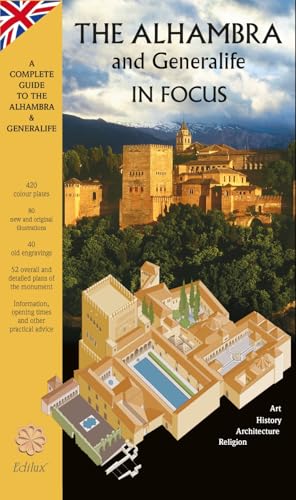
These five essentials prep you for the history-heavy Spain trip: a Spanish history book, the Hugh Thomas reference, a Civil War book, the Alhambra guide, and the Spanish Empire history.



Plan your full Spain trip:
- Heritage sites overview, UNESCO World Heritage sites in Spain.
- Modern culture, culture in Spain.
- Top travel destinations, top places to visit in Spain.
- Cities to plan around, cities in Spain to visit.
1. Iberian and Celtic Origins (3000 BC to 218 BC)
Pre-Roman Iberia was shared by two main groups: the Iberians (south plus east) and the Celts (north plus west). Outside influences shaped the peninsula long before Rome arrived. The Phoenicians founded Cadiz around 1100 BC (the oldest continuously inhabited city in Western Europe). The Greeks founded Empúries on the Costa Brava in the 6th century BC.
The Carthaginians established New Carthage (Cartagena) in 227 BC as their Iberian capital. Visit today: Cadiz Old Town, Empúries Greek-Roman ruins (Costa Brava). For the wider northern context, see our guide to places to visit in northern Spain.
2. Roman Hispania (218 BC to 476 AD)
Rome defeated Carthage in the Second Punic War (218 to 201 BC) and absorbed the Iberian Peninsula into the empire. Seven hundred years of Roman rule produced roads, aqueducts, Latin (which became Spanish), and Christianity. Emperors Trajan (53 to 117 AD) and Hadrian (76 to 138 AD) were both born in Itálica, the Roman city near Sevilla.
Visit today: Itálica (Sevilla suburb, the amphitheater is the third-largest in the Roman empire), Segovia Aqueduct (still standing 2,000 years later, UNESCO), Mérida theatre (one of the best-preserved Roman theatres anywhere, UNESCO), Tarragona walls (UNESCO). For the wider southern context, see our guide to places to visit in southern Spain.
3. Visigothic Kingdom (476 to 711)
After Rome fell, the Germanic Visigoths took over Hispania. Their capital was Toledo. Catholicism became the state religion under King Recaredo (589 AD), a switch that shaped Spanish Christian identity through the medieval period. The Visigothic kingdom lasted 235 years before being conquered by the Moorish Umayyads.
Visit today: Toledo Visigothic Museum (the Iglesia de San Román), Quintanilla de las Viñas church (Burgos, one of the rare surviving Visigothic buildings). For the broader Toledo context, see our guide to the best castles in Spain.
4. Al-Andalus and the Moors (711 to 1492)
The Umayyad invasion of 711 AD swept across most of the Iberian Peninsula in 7 years. Al-Andalus became one of the most-advanced states in medieval Europe: universities, libraries, sophisticated irrigation systems, and a level of religious tolerance unmatched in Christian Europe of the period. The Caliphate of Córdoba (929 to 1031 AD) was Europe’s most-culturally-advanced state. The Jewish Golden Age in Spain (10th to 12th centuries) coincided with Al-Andalus rule.
Visit today: Mezquita-Cathedral of Cordoba (one of the most extraordinary architectural fusions in Spain), Alhambra plus Generalife in Granada (UNESCO), Real Alcázar of Sevilla, Madinat al-Zahra ruins (Córdoba, the 10th-century palace city). For the wider Granada context, see our case for whether Granada is worth visiting.
5. The Reconquista (722 to 1492)
The 770-year Christian re-conquest of Al-Andalus. Key dates: Battle of Covadonga (722 AD, the first Christian victory in northern Spain), Toledo recaptured (1085), Las Navas de Tolosa (1212, the decisive battle that opened Andalusia to Christian advance), and the fall of Granada (January 2, 1492). The Reconquista shaped the Spanish military and religious identity that would define the Spanish Empire.
Visit today: Covadonga Sanctuary in Asturias (the spiritual home of the Reconquista), Santiago de Compostela Cathedral (the pilgrimage destination, UNESCO), Toledo Cathedral (built over a former mosque). For the wider Camino context, see our guide to places to visit in northern Spain.
6. Catholic Monarchs and Unification (1469 to 1516)
The 1469 marriage of Ferdinand of Aragon and Isabella of Castile united the two largest Iberian kingdoms. Their reign culminated in 1492: the fall of Granada (January 2), the Alhambra Decree expelling Jews (March 31), and Columbus’s first voyage to the Americas (October 12). The Spanish Empire began with Columbus’s voyage.
The Catholic Monarchs are buried in the Capilla Real in Granada. Visit today: Capilla Real in Granada (Ferdinand plus Isabella buried here), Alcázar of Segovia (Isabella was crowned here), Royal Palace of Olite (Navarre). For the wider Andalusia context, see our Andalusia itinerary guide.
7. Habsburg Golden Age (1516 to 1700)
Charles V (Holy Roman Emperor) plus Philip II ruled the largest empire in the world. Conquistadors Cortés and Pizarro took Mexico and Peru. The Spanish Golden Age of literature (Cervantes wrote Don Quijote in 1605, Lope de Vega wrote 1,800 plays) and art (El Greco, Velázquez) flourished under Philip II and Philip IV.
Decline accelerated under Carlos II “the Bewitched” (1665 to 1700). Visit today: El Escorial monastery (Philip II’s mausoleum, UNESCO, 50km from Madrid), Plaza Mayor in Madrid (Habsburg administrative heart), Cervantes house in Alcalá de Henares. For the Madrid Habsburg context, see our case for whether Madrid is worth visiting.
8. Bourbon Spain and Enlightenment (1700 to 1808)
The War of Spanish Succession (1700 to 1714) brought the French Bourbon dynasty to the Spanish throne. Philip V (grandson of Louis XIV of France) built the Royal Palace of Madrid. Spain lost most of its European territories (the Netherlands, Italy, Belgium) but kept the Latin American empire. The Spanish Enlightenment reformed administration plus the universities.
Visit today: Royal Palace of Madrid (the largest royal palace in Western Europe), Aranjuez Royal Palace (the Bourbon spring residence, UNESCO), La Granja de San Ildefonso near Segovia (Versailles-inspired Bourbon palace). For the wider Madrid context, see our whether Madrid is worth visiting guide.
9. 19th Century: Napoleon, Carlist Wars, and Loss of Empire (1808 to 1898)
Napoleon invaded Spain in 1808, installing his brother Joseph Bonaparte as king. Spanish resistance (the Peninsular War) lasted 6 years and was famously documented in Goya’s The Third of May 1808. Latin American independence wars (1810s to 1820s) lost most of the Spanish Empire. Three Carlist Wars (1833 to 1876) split the country over succession.
In 1898, Spain lost Cuba, Puerto Rico, and the Philippines to the United States. Visit today: Museo del Prado in Madrid (Goya’s Black Paintings plus The Third of May), Bilbao Old Town (the industrial revolution moved north). For the Madrid art context, see our guide to artists from Spain.
10. Spanish Civil War and Franco Dictatorship (1936 to 1975)
The Civil War (1936 to 1939) pitted Republicans against Nationalists led by General Francisco Franco. 500,000 plus died. Franco won with Hitler plus Mussolini’s help; the Luftwaffe destroyed Guernica on April 26, 1937 (documented in Picasso’s painting). The Franco dictatorship lasted 36 years (1939 to 1975), with Spain isolated internationally. ETA (the Basque separatist group) emerged in 1959 as armed opposition.
Visit today: Guernica painting at the Reina Sofía in Madrid (the canonical Civil War artwork), Valle de los Caídos/Cuelgamuros (controversial; Franco was reburied here in 2019), El Capricho Park in Madrid (Civil War underground bunkers). For the broader artistic context, see our guide to artists from Spain.
11. Democratic Transition and Modern Spain (1975 to Present)
Franco died on November 20, 1975. King Juan Carlos I oversaw the transition to democracy. The 1978 Constitution established the modern parliamentary monarchy. 1986: Spain joined the European Community (now EU). 1992: Barcelona Olympics plus Seville Expo brought the country onto the world stage. 2002: euro adopted. 2014: Felipe VI succeeded Juan Carlos as king.
2026: Spain is the 4th-largest EU economy with a stable parliamentary monarchy. Visit today: Congreso de los Diputados (Madrid parliament), Sagrada Família in Barcelona (completion year was 2026, now delayed), Sol metro plaza in Madrid (the spontaneous 1981 coup-attempt site). For the modern Catalan context, see our things to do in Barcelona guide.
How to Travel Spain Chronologically (Itinerary Idea)
A 14-day chronological Spain trip works as follows: Cadiz (Phoenician plus Roman) → Tarragona or Mérida (Roman) → Toledo (Visigothic plus Catholic) → Córdoba plus Granada (Moorish) → Madrid (Habsburg) → Bilbao (19th-century industrial) → Guernica plus the Reina Sofía in Madrid (Civil War).
The route covers 3,000 years of history in 14 days. Open-jaw flights work best: fly into Sevilla (for the southern start) plus out of Madrid or Barcelona. For the broader route framework, see our 10 days in Spain itinerary.
Key Dates Every Spain Traveler Should Know
Twelve dates anchor Spain’s historical timeline: 218 BC (Romans arrive), 711 AD (Moors invade), 1085 (Toledo recaptured), 1212 (Las Navas de Tolosa decisive battle), January 2, 1492 (fall of Granada), October 12, 1492 (Columbus arrives in the Americas), 1588 (Spanish Armada defeated), 1808 (Napoleon invades), 1898 (Spain loses Cuba plus the Philippines), 1936 to 1939 (Civil War), 1975 (Franco dies), 1978 (Constitution), 1986 (EU membership). For the cultural codes that emerged from this layered history, see our Spain travel tips guide.
Pack and prep for history Spain.
The Ultimate Europe Trip Planner includes a Spain UNESCO plus historical site map, a Madrid plus Toledo plus Granada day-trip planner, and a budget tracker for museum plus monument admission. Limited time, save $10 today (originally $27).
Spain History Travel Tips
- Spain’s 49 UNESCO sites trace the entire history. Start with Alhambra (Moorish), Mezquita (Moorish), Toledo (Visigothic plus Catholic), and Tarragona (Roman) for the highlights. Full list in our guide to UNESCO World Heritage sites in Spain.
- Madrid’s Prado tells the Habsburg story; the Reina Sofía tells the 20th century. Pair both via the Paseo del Arte combo ticket (€33). Full Madrid art context in our guide to artists from Spain.
- The Valle de los Caídos remains controversial. Visit informed rather than casually. Franco was reburied in 2019 to a less-prominent Madrid cemetery. For the wider Madrid day-trip context, see our case for whether Madrid is worth visiting.
- Most Spanish cities have a “Jewish quarter” (judería). Toledo, Córdoba, and Girona have the best-preserved. They date to the pre-1492 Sephardic Jewish presence. For the broader Toledo plus castle context, see our guide to the best castles in Spain.
- The Camino de Santiago is a 1,200-year-old pilgrimage route that walks you through medieval Spanish history. The most-popular route (Camino Francés) is 800 km from the French Pyrenees to Santiago de Compostela. Albergue stays €10 to €18 per night. For the northern route context, see our guide to places to visit in northern Spain.
For the academic reference covering Spain’s history from antiquity to the present, check Britannica’s history of Spain.

Frequently Asked Questions
How old is Spain as a country?
Unified Spain dates to 1492 when Ferdinand and Isabella unified the Iberian kingdoms after the fall of Granada. The constituent kingdoms (Castile, Aragon, León, Navarra) go back to the 700s after the Moorish invasion. Pre-Roman Iberian tribes lived in the peninsula 3,000 plus years ago. The modern state dates to the 1978 Constitution after Franco’s death. For the modern parliamentary monarchy context, see our broader culture in Spain guide.
What was Al-Andalus?
The Muslim-ruled portion of the Iberian Peninsula from 711 to 1492 AD. At its peak under the Caliphate of Córdoba (929 to 1031), Al-Andalus was Europe’s most culturally and scientifically advanced state, with universities, libraries, sophisticated irrigation, and religious tolerance unmatched in Christian Europe of the period.
The Alhambra in Granada is the most-iconic surviving Al-Andalus monument. For the Granada-side context, see our deep dive on whether Granada is worth visiting.
When did the Spanish Civil War happen?
1936 to 1939. Republicans against Nationalists led by Francisco Franco. 500,000 plus died. Franco won with Hitler plus Mussolini’s help, then ruled as dictator from 1939 until his death in 1975. The Civil War is documented in Picasso’s Guernica (Reina Sofía Madrid), the canonical artwork on the conflict. For the museum context, see our guide to artists from Spain.
Is Spain a monarchy?
Yes, a constitutional parliamentary monarchy under King Felipe VI, who succeeded his father Juan Carlos I in 2014. The 1978 Constitution defines the monarchy as ceremonial; the elected parliament (Congreso de los Diputados) holds legislative power. The royal family lives at the Zarzuela Palace in Madrid. For the wider Madrid context, see our whether Madrid is worth visiting guide.
What are Spain’s most famous historical sites?
The Alhambra in Granada (Moorish), the Mezquita-Cathedral of Cordoba (Moorish plus Christian), the Sagrada Família in Barcelona (Modernisme), El Escorial near Madrid (Habsburg), Roman Mérida and Tarragona, Toledo (multi-era), and Santiago de Compostela (medieval Christian pilgrimage). All are UNESCO World Heritage sites. The full list is in our guide to UNESCO World Heritage sites in Spain.

Key Takeaways
- Spain’s history runs from Phoenician Cadiz (1100 BC) through Roman Hispania, Al-Andalus (711 to 1492), the Reconquista, the Habsburg Empire, the Civil War (1936 to 1939), and modern EU democracy (1986 to present). Every era left buildings you can still visit. Full UNESCO catalog in our guide to UNESCO World Heritage sites in Spain.
- 1492 is the country’s pivot year: fall of Granada, Alhambra Decree expelling Jews, and Columbus’s first voyage. 1975 is the second: Franco’s death plus the transition to modern democracy. Cultural codes in our Spain travel tips guide.
- The most-visited historical sites are the Alhambra in Granada, the Mezquita-Cathedral of Cordoba, the Sagrada Família in Barcelona, and El Escorial near Madrid. All four reward 2 to 4-hour visits. For city-specific context, see our cities in Spain to visit guide.
- Spain has 49 UNESCO World Heritage sites (Italy and China are the only countries with more). Most-extraordinary Roman ruins: Itálica (Sevilla), Segovia Aqueduct, Mérida. Most-extraordinary Moorish: Alhambra plus Mezquita. Most-extraordinary medieval Christian: Toledo plus Santiago de Compostela. Modern era top: Sagrada Família (under construction). Top travel destinations in our top places to visit in Spain guide.
- For the visual record of Spain’s history (Velázquez for the Habsburgs, Goya for Napoleon, Picasso for the Civil War, Gaudí for Modernisme), see our guide to artists from Spain. For the modern democratic-era cultural identity, see our culture in Spain guide.
Final Thoughts
Spain’s history runs 3,000 years across 11 major periods, from Phoenician Cadiz through Roman Hispania, Al-Andalus, the Reconquista, the Habsburg Empire, the Civil War, and modern EU democracy. Every era left buildings you can still visit, making Spain one of Europe’s most-layered travel destinations. Start with Alhambra plus Mezquita for the Moorish era, El Escorial plus Plaza Mayor for the Habsburgs, the Reina Sofía Guernica for the Civil War, and the 1978-Constitution era at Madrid’s Sol metro plaza.
For the broader heritage catalog plus the route to combine the major sites in 10 to 14 days, our UNESCO World Heritage sites guide walks through each in detail.