Quick Answer: The best Christmas markets in Spain in 2026 are Plaza Mayor in Madrid (late November to December 31, 104 red wooden stalls), Fira de Santa Llúcia in Barcelona (November 28 to December 23, in front of the Gothic Cathedral, since 1786), Plaza del Pilar in Zaragoza (December 1 to January 7), Plaza de la Reina in Valencia (November 28 to January 6), and Santiago de Compostela (December 1 to January 6). Spanish markets run through Three Kings Day on January 6. Pair with our guide to Christmas in Spain for the wider seasonal calendar.
Spain’s Christmas markets are smaller than the German Christkindlmärkte and lighter on Glühwein. Most are open-air craft markets with nativity figures (belenes), Catalan caganer statuettes, Christmas decor, regional sweets like turrón and polvorones, and artisan stalls running 6 to 7 hours per day.
Two specifics make Spain’s Christmas markets different. First, they run through Three Kings Day on January 6, not just to Christmas Eve. Second, the headliner is not actually a market: Málaga’s Calle Larios light show is a free nightly spectacle on Spain’s most-famous Christmas street, running December 1 through January 6.
Our broader Spain in December guide covers the wider month context (weather, dates, packing). This guide ranks the 12 best Christmas markets with 2026 dates, opening hours, and the AVE rail route to chain 3 markets in 4 days. For the wider festival calendar including the year-round events that surround Christmas, see our guide to festivals in Spain.
The friction-honest take: do not visit Spain expecting Munich-grade Christmas markets. They are charming, regional, and worth the trip if you base in Madrid or Barcelona and treat the markets as one of several December experiences. The Málaga lights, Plaza Mayor of Madrid’s annual nativity figures, and the New Year’s Eve grapes in the Puerta del Sol are equally part of the season.
Planning a Christmas markets Spain trip?
The Ultimate Europe Trip Planner maps Spain’s 12 best Christmas markets into a 5 to 7 day AVE-rail loop (Madrid plus Barcelona plus Zaragoza in one trip), with hotel comparisons, train schedules, and the Three Kings Day extension to January 6. Limited time, save $10 today (originally $27).
Best Hotels for Spain Christmas Markets
Five hotels walkable to the major Christmas market squares, from our wider guide to the best hotels in Spain.
- Hotel URSO (Madrid), 15 minutes walk to Plaza Mayor market, doubles from €180.
- Hotel Mercer (Madrid), 10 minutes walk to Plaza Mayor, doubles from €350.
- Hotel Casa Camper (Barcelona), 5 minutes walk to Fira de Santa Llúcia, doubles from €250.
- Hotel Marqués House (Valencia), in the old town near Plaza de la Reina, doubles from €150.
- Hotel Vincci Soma (Zaragoza), 10 minutes walk to Plaza del Pilar market, doubles from €130.
Top Spain Christmas Day-Trips and Tours
Five tours that anchor the Christmas market route, from our 10 days in Spain itinerary.
- Madrid Christmas Lights Walking Tour, 2-hour evening walk through Gran Vía and Sol after the markets close.
- Barcelona Gothic Quarter plus Fira de Santa Llúcia Tour, combines the medieval quarter with the oldest Christmas market.
- Málaga Calle Larios Light Show Evening, the country’s most-famous Christmas lights at 6:30pm and 8:30pm nightly.
- Madrid New Year’s Eve Grapes at Puerta del Sol, the canonical December 31 midnight ritual.
- Valencia Belenes Walking Tour, the city’s monumental nativity scenes plus Plaza de la Reina market.
Recommended Travel Essentials for Spain in December
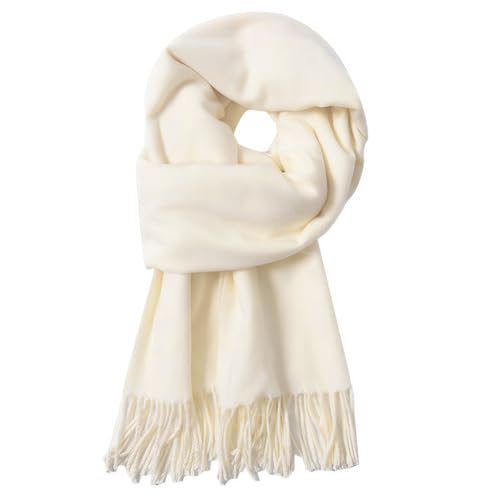
These five essentials cover the December climate: a packable winter coat, thermal touchscreen gloves, a warm scarf, comfortable winter walking shoes, and a crossbody anti-theft bag for the crowded market evenings.




Plan your full Spain trip:
- Spanish Christmas customs, Christmas in Spain.
- December month brief, Spain in December.
- Festival calendar, festivals in Spain.
- December 31 ritual, New Year’s Eve in Spain.
1. Plaza Mayor Christmas Market (Madrid)
The country’s most iconic Christmas market sits inside Madrid’s Plaza Mayor: 104 red-and-white wooden stalls arranged in the 17th-century Habsburg square. Late November through December 31, 2026. Open 10am to 10pm daily, free entry.
The market specializes in nativity figures (belenes), Christmas decor, joke shop items (Spain’s tradition of giving practical-joke gifts on December 28, Día de los Santos Inocentes), and traditional sweets. Pair with a churros plus chocolate stop at Chocolatería San Ginés just 5 minutes away. For the wider Madrid context, see our whether Madrid is worth visiting guide.
2. Fira de Santa Llúcia (Barcelona)
Spain’s oldest Christmas market, running since 1786. Around 300 stalls fill the plaza in front of the Gothic Cathedral. November 28 through December 23, 2026. Open 10:30am to 8:30pm.
The market is split into three product themes: nativity figures (with the famous Catalan caganer included), Christmas decor and trees, and traditional musical instruments. Pair with the nearby Sant Jaume Christmas tree plus the Catalan Tió de Nadal log tradition. For the wider Catalan context, see our whether Barcelona is worth visiting guide.
3. Plaza del Pilar Christmas Market (Zaragoza)
Zaragoza turns its main square into a 40-stall craft market plus Spain’s largest nativity scene plus a Tree of Wishes for charity donations. December 1, 2025 through January 7, 2026. Open 11am to 9pm.
The setting is unbeatable: the Basílica de Nuestra Señora del Pilar sits on the square’s edge. Zaragoza is only 90 minutes from Madrid or Barcelona by AVE, making it the perfect mid-trip stop. Cross-reference with our cities in Spain to visit guide for the wider Aragon plus Castile route.
4. Plaza de la Reina (Valencia)
Valencia’s Christmas market sits in the old town square between the Cathedral and the Miguelete bell tower. November 28 through January 6, 2026. Hours split: 10:30am to 2pm and 4:30pm to 9pm (closed during siesta).
The market emphasizes artisan crafts plus sweets including turrón from Jijona. Valencia’s mild December (15 to 18°C daytime) makes evening market visits comfortable in light layers. For the city case in full, see our whether Valencia is worth visiting guide.
5. Santiago de Compostela Christmas Market
The pilgrimage city wraps a 50-plus-stall market around the medieval Cathedral and the Pórtico de la Gloria. December 1 through January 6, 2026. Open 11am to 9pm.
The market emphasizes Galician sweets (filloas, tarta de Santiago), regional pottery, and the year’s chestnut harvest. Santiago is the northern terminus of the Camino, and many Camino pilgrims time arrival to coincide with the Christmas market. For the wider regional context, see our places to visit in northern Spain guide.
6. Plaza Nueva Christmas Market (Seville)
Sevilla’s most-charming Christmas setting: 40 wooden stalls in Plaza Nueva surrounding the City Hall. Late November through December 23. Open 11am to 9pm.
The Andalusian Christmas runs warmer than the north (15 to 18°C daytime in December), and the market emphasizes Andalusian artisanry (tile crafts, leather, ceramics). Pair with a Triana flamenco evening for the full Sevilla Christmas. For the city case, see our whether Seville is worth visiting guide.
7. Plaza de la Trinidad Christmas Market (Granada)
Granada’s compact Christmas market in Plaza de la Trinidad. December 1 through January 5. Open 11am to 9pm.
Granada pairs perfectly with the Sierra Nevada (1.5-hour drive to snow-capped peaks) for a same-day market-plus-snow trip. The Alhambra opens through December plus January at reduced winter hours. For the wider city case, see our whether Granada is worth visiting guide.
8. Plaza de los Naranjos Christmas Market (Marbella)
Marbella’s Old Town wraps its Christmas market around the orange-tree-filled Plaza de los Naranjos. Mid-December through January 6. Open 11am to 8pm.
The Costa del Sol’s mildest Christmas (18 to 22°C daytime). The market is small but the setting is the prettiest plaza in town. Pair with a day at Marbella’s December-quiet beach or a drive into the Sierra Bermeja. For the wider Costa del Sol gateway context, see our whether Málaga is worth visiting guide.
9. Sagrada Familia plus Plaça de Catalunya Satellite Markets (Barcelona)
Barcelona runs multiple satellite Christmas markets beyond Fira de Santa Llúcia. December 1 through December 23. The Sagrada Familia market sits along Carrer de Mallorca with 100 stalls; Plaça de Catalunya runs an extended craft market through the same window.
The Catalan caganer (the nativity figure of a peasant defecating, a centuries-old Catalan tradition) is the must-buy souvenir. Pair with the Christmas light show at the Sagrada Familia façade. For the broader Gaudí Centenary context, see our things to do in Barcelona guide.
10. Bilbao Christmas Market (Plaza Nueva)
The Basque Christmas market in Bilbao’s Plaza Nueva. December 12 through January 6. Open 11am to 9pm.
The market emphasizes Basque txakoli wine, artisanal Christmas products, and the Olentzero (Basque Country’s mythical Christmas log-coal-bringer, the local Santa-figure). Pair with a Sunday vermut hour at one of the Plaza Nueva bars. For the wider Basque Country context, see our whether Bilbao is worth visiting guide.
11. Plaza Mayor Christmas Market (Salamanca)
Salamanca’s UNESCO-listed Plaza Mayor (the most-beautiful in Spain by most rankings) becomes a Christmas market from December 1 through January 5. Around 40 wooden stalls.
The Plateresque façades of the Casa de las Conchas and the University of Salamanca light up nightly. Salamanca is 90 minutes from Madrid by Alvia train. For the wider small-town Christmas context, see our prettiest small towns in Spain guide.
12. Málaga Christmas Lights on Calle Larios
Not technically a market but the country’s most-famous Christmas spectacle. Calle Larios in Málaga lights up nightly from December 1 through January 6 with a themed light show and live music at 6:30pm plus 8:30pm. Free.
The themed display (a different theme each year) runs to viral social-media status. Crowds reach 100,000 plus on weekends. Combine with the small Plaza de la Constitución Christmas market alongside. For the city case, see our whether Málaga is worth visiting guide.
Pack and prep for Spain in December.
The Ultimate Europe Trip Planner includes a packing module for Spain’s December weather (10°C average, dropping to 0°C at night), market-hopping shoe guide, gift-buying souvenir checklist, and the Spanish Christmas dates cheat sheet through Three Kings Day. Limited time, save $10 today (originally $27).
Spain Christmas Markets Travel Tips
- Spanish Christmas markets run through January 6 (Three Kings Day), not just to Christmas Eve. Plan your trip to overlap with this window. See our Christmas in Spain guide for the full cultural calendar.
- Spanish markets are smaller and less alcohol-focused than German ones. Do not expect Glühwein everywhere. The Spanish equivalent is anís or vermut. Cost-context in our Spain budget guide.
- Plan an AVE rail loop. Madrid plus Zaragoza plus Barcelona in 4 days via 90-minute high-speed trains. Train context in our Spain transportation guide.
- Weeknight markets in early December are calmest; weekends in mid-December get packed. Málaga’s Calle Larios light show is free and nightly. For the wider December calendar, see our Spain in December guide.
- Spaniards exchange gifts on Three Kings Day (January 6), not Christmas Day. Markets stay open through Epiphany. The grape-eating tradition for New Year’s Eve is in our New Year’s Eve in Spain guide.
For Spain’s official Christmas season calendar with regional event dates plus religious traditions, check Spain.info’s Christmas calendar.

Frequently Asked Questions
When are Christmas markets open in Spain?
Late November through January 6 (Three Kings Day or Epiphany) in 2026. Most markets open between November 28 and December 1; most close by January 5 or 6. Barcelona’s Fira de Santa Llúcia is the exception, closing December 23. The longer window is unique to Spain among European countries. See our Spain in December guide.
Where is the best Christmas market in Spain?
Plaza Mayor in Madrid for tradition (104 wooden stalls in the 17th-century Habsburg square) and Fira de Santa Llúcia in Barcelona for the oldest market in Spain (since 1786). Plaza del Pilar in Zaragoza is the largest single market. Málaga’s Calle Larios light show is the most-photographed Christmas attraction. See our festivals in Spain guide for the wider context.
Are Spanish Christmas markets as big as German ones?
No. Spanish markets are smaller (typically 40 to 300 stalls vs 200 to 600 in German markets), less alcohol-focused (vermut and anís instead of Glühwein), and more artisan-craft-driven. The trade-off is that Spanish markets run longer (through January 6) and pair with milder weather. Cultural context in our culture in Spain guide.
What can you buy at a Christmas market in Spain?
Nativity figures (belenes), the Catalan caganer (the peasant-defecating nativity figure unique to Catalonia), turrón and polvorones (Christmas sweets), Christmas tree decorations, artisan ceramics, leather goods, Christmas pajamas, and joke shop items for December 28 (Día de los Santos Inocentes, the Spanish April Fools’). Cross-reference with our souvenirs from Spain guide for authentic gift picks.
Do Spanish Christmas markets stay open after Christmas?
Yes. Most stay open through Three Kings Day (January 6, the Spanish Epiphany), which is when Spaniards traditionally exchange gifts (not Christmas Day). The post-Christmas window December 27 through January 5 is the calmest time to visit and the markets are still fully stocked. Full December cultural context in our Christmas in Spain guide.
Key Takeaways
- Spain’s Christmas markets run from late November to January 6 (Three Kings Day), longer than most European countries. Plaza Mayor (Madrid) and Fira de Santa Llúcia (Barcelona) are the headliners. Cultural context in our Christmas in Spain guide.
- Take the AVE to chain 3 markets in 4 days: Madrid plus Zaragoza plus Barcelona. The 90-minute high-speed trains make this realistic. Full transport details in our Spain transportation guide.
- Spanish markets are smaller and less alcohol-focused than German ones. Set expectations accordingly. The Catalan caganer is the must-buy souvenir per our souvenirs from Spain guide.
- Málaga’s Calle Larios light show is free, nightly at 6:30pm plus 8:30pm, and the most-photographed Christmas attraction in Spain. Pair with the Plaza de la Constitución market. Wider December calendar in our Spain in December guide.
- Spaniards exchange gifts on Three Kings Day (January 6), not Christmas Day. Markets stay open through Epiphany. New Year’s Eve grapes in the Puerta del Sol are the December 31 ritual covered in our New Year’s Eve in Spain guide.
Final Thoughts
Spain’s Christmas market season is the longest in Europe, running late November through January 6. Plaza Mayor in Madrid and Fira de Santa Llúcia in Barcelona are the headliners; Zaragoza, Valencia, Santiago, and Málaga’s Calle Larios light show round out the country-wide picture. Take the AVE to chain three markets in four days. Set expectations: Spanish markets are smaller and lighter on Glühwein than the German originals but make up for it with the longer season, milder weather, and Three Kings Day gift-exchange. For the wider month context including December weather and the Sagrada Familia Centenary surcharge, our Spain in December guide covers everything beyond the markets.