Every year, the city of Seville carries out elaborate celebrations of Semana Santa, featuring unique pasos or floats navigating in designated streets and plazas. Aside from being famous for the grand flamenco shows, the city is also brimming with culture during the Holy Week. Best of all, Seville Easter celebration is unique, when people gather around streets to see the processions.
The time when children find the opportunity to catch candies, gape at hooded participants, and see intricate designs of Biblical figures. For a whole week, the streets of Seville are full of life, not only for the solemn parades but also for the sort of fiesta going on in bars and restaurants following a long parade.
Easter is an important day of the Holy Week for Christ has risen. Joyous celebrations echo across the city, and locals can be seen singing from balconies as the procession goes on.
Here are ten reasons to visit Seville during Semana Santa and Easter Sunday.
10 Reasons to Visit During Semana Santa
Participate in Easter Procession

First, it’s important to know that processions pertain to hundreds of churches in Seville. A brotherhood or hermandad represents a church, and is in charge of the social calendar leading to Easter.
In Andalucia, taking part in these brotherhoods is viewed as an honor, and those participating in processions are doing so for devotion and acts of penance. The long hours of walking in towns is a means of sacrifice, and participants practice year-round to carry the huge floats by neck and shoulders.
Tourists can participate by following the procession to different routes. Catholic devotees do this as an act of sacrifice and penance, while others simply want to experience the long walks leading back to the church or plaza. The most famous procession is probably the La Madrugá or the overnight procession from Maundy Thursday to Good Friday.
[irp posts=”2209″ name=”Top 15 BEST Festivals in Spain”]
See the Striking Hooded Participants

Seville Easter celebration isn’t complete without seeing the hooded penitents representing the brotherhood in churches. These are called nazarenos, who walk in front of the float. They are dressed in such a way for its historical significance, and also to allow them to hide their identities.
The coned hoods represent the Capirotes, which has a historical significance. These are used in the 14th century to mark humiliation, mostly worn by those publicly punished church officials. They carry crosses or candles, and walk silently to the beat of the drums or sound of wailing bugles.
Seeing the procession of facial hoods, showing only a penitent’s eyes, seems eerie, but it’s also an incredible sight. In fact, this procession made Seville famous for the elaborate, monkish robes and towering Capirotes.
[irp]
Witness the Saeta
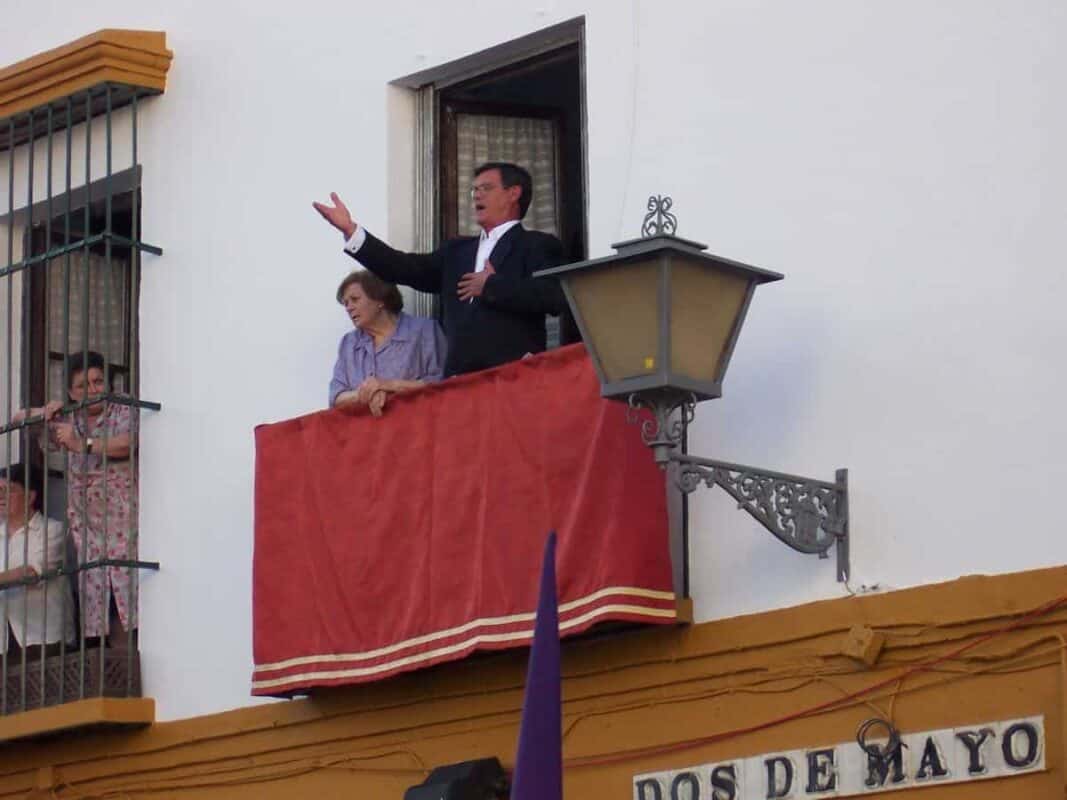
There’s what locals call saetas or religious music that’s performed after the 100 minutes of the procession. At occasional spots along the route, the image of Jesus and Virgin Mary are serenaded by an emotional style of music. Singers can be seen on a balcony, adding depth and character to the whole procession.
When saetas are performed, the procession usually stops, along with the marching band. This is to appreciate the mournful sound and recall the suffering of Jesus Christ and Virgin Mary. It’s a beautiful performance that travelers shouldn’t miss when watching a series of processions.
Take note that saetas are staged, so find information where this is performed.
[irp]
See Ornate Pasos
Seville is known for the elaborate floats during Semana Santa, so it’s definitely a must to see these in person. The city goes all out when it comes to processions, and travelers can see a lot of colorful pasos, usually decorated by flowers and other intricate decors.
From golden platforms, towering candles, lighted Biblical figures, and crowned statues, the sight simply is amazing and one-of-a-kind. At night, the whole streets are illuminated by brotherhoods carrying candles, preceded with the most glamorous floats of all sizes.
Some floats in the Seville Easter procession tell a story of Christ’s death and crucifixion. More than Jesus Christ, some floats carry four to six Biblical figures, weighing thousands of pounds.
[irp]
Celebrate with Locals
While processions are solemn affairs, the crowd in Seville is definitely lively, and ambiance overall is festive. Children are waiting for the throwing of candies, adults are admiring the nazarenos, so it’s not practically quiet. Add to that the sound of the marching band, so the ambiance is partly festive.
As a way to celebrate with the locals, travelers can join in chanting words, acknowledging the presence of the Biblical figures, and listening closely to the saeta performance. It’s important to be respectful of the local’s unique culture and way of doing things. Lastly, travelers need to prevent unnecessary noise and shouting, which ruin the solemn mood in the procession.
It’s okay to have fun with friends and family, but be mindful of the ambiance. Celebrate with the locals in terms of enjoying the occasion, following the rules, and treating everybody with respect.
[irp]
Taste the Best Semana Santa Treats

The thing about Seville Easter celebration is, there’s lots of Semana Santa or seasonal food to try. The days going to Easter are a form of sacrifice for locals, as most of them avoid to indulge in any forms of meat. However, travelers can see lots of sweet treats from stalls, streets, and restaurants.
Some of the all-time-favorites are torrijas or Spain’s version of the French toast. It’s made of slices of bread soaked in milk or wine, then fried in an extra virgin olive oil. Finally, it’s topped with cinnamon, sugar, or lemon peel. Also try pestiño or the honey-glazed pastry, and Andalusian fish and vegetables or garbanzos con bacalao.
[irp posts=”2230″ name=”Top 15 MUST-TRY Famous Food in Spain”]
Wear Traditional Outfits
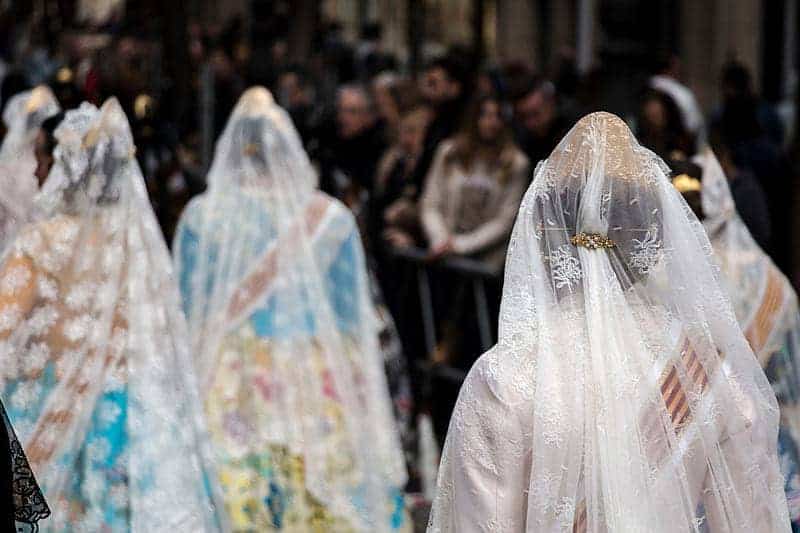
Aside from the elaborate processions, another highlight of the Semana Santa celebration is the traditional clothes worn by various participants and even visitors.
Travelers can match with the women dressed in black-lace veils and black dresses. This is called the La Mantilla, worn as a sign of mourning to the death of Jesus Christ.
The La Mantilla is a common sight on Holy Thursday and Good Friday. Some women wear towering veils as an illusion of extra height.
For travelers who want to join in the fun of wearing traditional clothing, simply wear a mantilla on top of the head, as a crown. Men also sport a coat and tie to match the black dresses and veils of ladies.
[irp]
Meet New Friends
Even on normal days, the city of Seville is brimming with life and charm. In Holy Week, it transforms into a festive city, which means travelers can create new acquaintances almost everywhere; streets, restaurants, churches, and cafes.
Usually, crowds head straight to nearby restaurants and cafes to get refreshments and to eat. In these places, the ambiance is lively as people are joined with family and friends. Solo travelers can surely meet new people as tourists flock in Seville during the Semana Santa.
There are also tours available to wander around the city, try traditional Semana Santa foods, and visit the routes of the processions. Travelers can meet other visitors coming from different parts of the world.
[irp]
Experience Overnight Procession
Seville Easter procession is unique and special, bringing together the most beautiful floats and other sights. Parades don’t only happen in the morning or afternoon, but also at night, until the break of dawn.
La Madrugá is a special period of time when processions are done during the night of the Maundy Thursday to the morning of Good Friday. For most tourists and locals, this is probably the highlight of the Holy Week. The routes are filled with saetas performances, and streets are illuminated by candles.
Watching at night to morning is a whole new experience, and definitely memorable. A lot of people stay until morning, singing with the people on balconies, chanting words, and praying.
[irp]
Learn More About Seville’s Culture
Overall, the spirit of Holy Week until Easter Sunday is about religion and culture. Locals in Seville prepare for this important week, creating flower decorations, cooking the traditional foods, and more. Children are also filled with excitement because of the enormous sights to see and a handful of candies to devour.
Seville Easter mirrors the devotion of locals, creativity, and sacrifice. It’s also about family, taking time to pray, and admiring the craftsmanship of local artists.