Quick Answer: July is high season, hot, and crowded, but offers Spain’s biggest summer festivals. San Fermin in Pamplona (July 6 to 14) is bucket-list, the Mediterranean sea hits 23 degrees and is perfect for swimming, and the Atlantic north (San Sebastian, Bilbao, Galicia) stays a comfortable 75 Fahrenheit. Skip inland Andalusia unless heat doesn’t bother you.
July is Spain at full intensity. San Fermin’s bull runs in Pamplona pack the city for 9 days, beach towns from Costa Brava to Mallorca run at maximum capacity, and the Atlantic north hits its sweet spot with 22-degree afternoons and zero of the heat punishment that hits the south. The Mediterranean Sea warms to 22 to 23 degrees Celsius and stays there into October. It’s peak season for a reason, the weather is reliable, the festival calendar is packed, and every coast is at its best.
The hard truth: inland Andalusia, central Spain, and parts of Valencia regularly hit 37 to 40 degrees Celsius (98 to 104 Fahrenheit) in July. Seville and Cordoba afternoons are dangerous in direct sun. Prices spike across the country, hotels book up 3 to 4 months ahead, and Spaniards from Madrid head north in droves, taking the local life with them. This guide is honest about both sides: where July works, where it doesn’t, and how to plan around the heat.
Going to Spain in July?
The Ultimate Europe Trip Planner routes around the heat, Atlantic north, islands, San Fermin in Pamplona, and pre-9am sightseeing in the south, with hotel comparisons and day-by-day plans. Limited time, save $10 today (originally $27).
Best Hotels for Spain in July
Book July hotels 3 to 4 months ahead, the country runs at peak capacity.
- Hotel Maria Cristina (San Sebastian), the Belle Epoque grande dame, walking distance to Playa de La Concha and the pintxos crawl in Parte Vieja.
- Gran Hotel La Perla (Pamplona), where Hemingway wrote, balcony rooms overlook the running of the bulls route.
- Hotel Cap Rocat (Mallorca), 19th-century fortress hotel with private cove, Mallorca’s most exclusive July base.
- Parador de Cangas de Onis (Asturias), former medieval monastery in the Picos de Europa foothills.
- Hotel Carbonell (Cordoba), central rooftop pool hotel, the only way to do Cordoba in July is with a pool and AC.
Top Tours for Spain in July
- San Fermin Balcony Viewing Pamplona, safe vantage points along the bull run route with breakfast included.
- San Sebastian Pintxos and Beach Tour, eight-stop pintxos crawl ending at La Concha for sunset.
- Mallorca Cliff Jumping Boat Trip, swim and jump in Mediterranean coves around the east coast.
- Picos de Europa Hiking Tour, Asturias mountain hiking with 22-degree afternoons.
- Ibiza Sunset and Cala Boat Tour, the island’s coves before the night-clubbing peak.
Recommended Travel Essentials for Spain in July
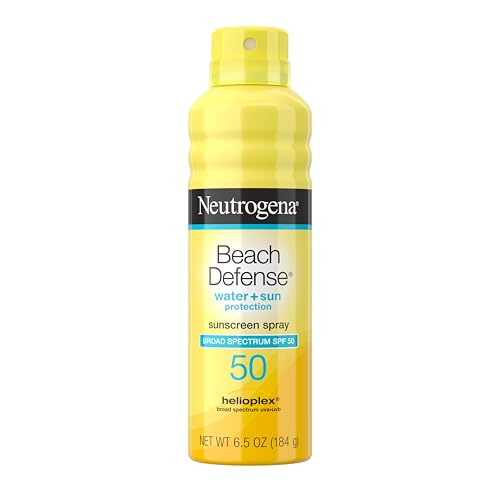
July’s heat, sun, and beach time call for these summer-essentials that earn their suitcase space.




Plan your full Spain trip:
- Compare months and weigh July’s trade-offs, our complete guide to the best time to visit Spain.
- Head north for cooler weather, places to visit in northern Spain.
- Choose your beach island, best islands in Spain to visit.
- Avoid the mistakes, what to avoid in Spain.
Weather and What to Expect in July
July weather varies dramatically by region. Inland Andalusia (Seville, Cordoba) hits 20 to 37 degrees Celsius (68 to 99 Fahrenheit), with heat-wave days pushing past 40 degrees (104 Fahrenheit). Madrid runs 18 to 33 (64 to 91), Barcelona and Valencia 21 to 29 (70 to 84), Mallorca 21 to 31 (70 to 88), and the Mediterranean Sea hits 23 degrees, perfect for swimming.
The Atlantic north is the July escape: San Sebastian sits at 15 to 23 (59 to 73), Bilbao 16 to 24 (61 to 75), Santiago de Compostela 14 to 22 (57 to 72). Cantabrian coastal water runs 18 to 19 degrees, swimmable for those who don’t mind cool water. The Canary Islands hold at 21 to 28 with constant trade winds. Daylight is long: sunrise around 7am, sunset around 9:30pm in mainland Spain.
Best Places to Visit in Spain in July
Pamplona and the North
Pamplona is the obvious July headline thanks to San Fermin (July 6 to 14, 2026). The Chupinazo opening ceremony on July 6 at noon kicks off 9 days of bull runs at 8am, daily encierros, and round-the-clock parties. San Sebastian works as the perfect San Fermin pairing, 1 hour away by car, cooler weather, world-class pintxos. Bilbao adds the Guggenheim and gritty Atlantic personality.
Mallorca, Menorca, and Ibiza
The Balearic Islands run at peak July, water at 23 degrees, evenings warm enough for outdoor dinners until midnight, and the wild night scene fully active in Ibiza. Mallorca’s south and east coasts (Cala Mondrago, Cala Romantica) and Menorca’s south (Cala Macarella) hold their light blue waters all month.
Asturias, Cantabria, and Galicia
For the heat-averse, Asturias, Cantabria, and Galicia are the answer in July. Picos de Europa hiking, Surfing beaches at Somo and Loredo, Santiago de Compostela pilgrim crowds at their peak, and Galicia’s Rias Baixas wine country at its most usable. Temperatures stay below 25 degrees most days, and the green coast feels nothing like the Spain people imagine in July.
AVOID: Inland Andalusia, Madrid Afternoons
Seville and Cordoba in July are dangerous from noon to 7pm. The 37+ degree afternoons and reflective stone surfaces make outdoor sightseeing genuinely unsafe. If you must go, follow the local schedule: early morning until 11am, indoor museums and AC midday, evening from 7pm onward. Madrid is similar though slightly less extreme.
Top Festivals and Events in July
- San Fermin (Pamplona, July 6 to 14), the running of the bulls. Chupinazo opening July 6 at noon, daily encierros at 8am, fireworks every night.
- Cap Roig Festival (Costa Brava, all July), oceanside concert series in Calella de Palafrugell’s clifftop botanical gardens.
- Pirineos Sur (Huesca, mid-July), world music festival held by a Pyrenees reservoir.
- Festival de Merida (all July, Extremadura), classical Greek and Roman plays performed in the actual 2,000-year-old Roman theater.
- San Sebastian Jazz Festival (late July), Europe’s oldest jazz festival on the seafront.
What to Pack for Spain in July
- Cotton or linen tops and shorts, breathable fabrics, avoid synthetics in the south.
- Multiple swimsuits and a quick-dry beach towel for daily beach use.
- A wide-brim hat and SPF 50+ reef-safe sunscreen.
- White clothing for San Fermin (red sash and neckerchief are traditional), avoid black in the south.
- Refillable insulated water bottle, you will refill it constantly.
Pros of Visiting Spain in July
- Peak beach season with Mediterranean at 23 degrees, swimmable everywhere.
- San Fermin in Pamplona is a bucket-list summer festival.
- Atlantic north is at its absolute best, perfect for the heat-averse.
- Long daylight hours give late dinners at 10pm and sunsets past 9:30pm.
- Outdoor concert season runs full speed across the country.
Cons of Visiting Spain in July
- Inland Andalusia and central Spain frequently hit 37+ degrees Celsius (98+ Fahrenheit).
- Peak prices across the country, hotels at 200% of May rates in beach areas.
- Book 3 to 4 months ahead, peak coastal destinations sell out completely.
- Spaniards are on vacation, local restaurants and shops in Madrid and Seville close.
- Heat waves trigger AEMET red alerts every summer, with travel advisories.
Pack and prep for peak Spain.
The Ultimate Europe Trip Planner includes a packing module for heat protection and San Fermin whites, a 6-month booking timeline for Pamplona balconies, and a Mediterranean vs Atlantic route splitter. Limited time, save $10 today (originally $27).
Spain in July Travel Tips
For San Fermin balcony rentals along Calle Estafeta, book 6+ months ahead, prices are absurd but the safety and view are worth it. The official San Fermin festival site publishes the full daily schedule and safety guidance. Note: La Tomatina (the tomato fight festival) is in August, not July, common confusion. In southern Spain, do all your sightseeing before 11am or after 7pm, the rest of the day is for pool, museums, and air conditioning. Hydrate aggressively; locals drink water constantly in July.
Read also: best beaches in Spain, diving in Spain, best party destinations in Spain, Spain in June.
Frequently Asked Questions
Is Spain too hot to visit in July?
Inland Andalusia and central Spain are dangerously hot in July, with afternoons hitting 37+ degrees Celsius (98+ Fahrenheit). Coastal areas and northern Spain stay comfortable. Plan your trip around the cooler regions or accept the south on local schedule (sightsee early morning and evening).
When is San Fermin 2026?
San Fermin 2026 runs from July 6 to 14. The Chupinazo opening ceremony is July 6 at noon, with the running of the bulls at 8am each morning from July 7 to 14.
Where can I escape the heat in Spain in July?
San Sebastian, Bilbao, Santiago de Compostela, Cantabrian coastal towns, Asturias, the Pyrenees, and Galicia all stay below 25 degrees Celsius (77 Fahrenheit) most days. The Balearic Islands are warm but the sea breeze makes them bearable.
Is July a good time to visit Spain?
July is good for beaches, summer festivals, and the Atlantic north, but bad for inland Andalusia and central Spain. The verdict depends on your regional plan; coastal and northern routes work well, inland routes can be punishing.
Can you swim in Spain in July?
Yes, all Spanish coasts are swimmable in July. The Mediterranean hits 23 degrees Celsius (73 Fahrenheit), Atlantic coasts run 18 to 19 (64 to 66), and the Canary Islands stay around 22 to 24 degrees.
Key Takeaways
- July works for beaches, the Atlantic north, and San Fermin in Pamplona.
- Avoid inland Andalusia and central Spain afternoons, 37+ degrees is dangerous.
- San Fermin 2026: July 6 to 14, book balcony rentals 6+ months ahead.
- Mediterranean Sea hits 23 degrees, swimmable everywhere on the coast.
- Peak prices, lock in hotels 3 to 4 months ahead minimum.
Final Thoughts
Spain in July is a regional story. The Atlantic north and Mediterranean coast hit their peak; inland southern cities punish you for being there. Plan a coastal or northern route, accept the peak prices and crowds as the cost of admission, and you’ll have one of those high-summer trips that makes the rest of the year feel quiet. If your dates aren’t flexible, prioritize Pamplona for San Fermin and pair it with San Sebastian for the easiest, coolest week of all.