Quick Answer: Europe in March 2026 splits into four trip types. Winter sun in the Canary Islands, Madeira, and Malta (20-22°C). Northern Lights at solar-cycle peak in Iceland, Tromsø, Finnish Lapland. Carnival cities (Venice February 7-17, Cologne February 12-18, Cadiz February 12-22, Nice February 15 to March 1). The last good ski week in the Alps. March is cheaper than April, with the bonus that ETIAS and EES border math hasn’t started yet.
Last updated: May 2026 · March 2026 was the last month before EES went live April 10; aurora activity strong through the solar-cycle peak.
Most travelers skip March in Europe. They think it’s still winter in the north and not warm enough in the south. They book April and get higher prices, bigger crowds at every famous square, and the same weather they would have had with two weeks of patience. I made that mistake on my third trip to Europe. After three March trips since, I would honestly take March over April nine times out of ten.
March is the strangest month on the European calendar. It contains the absolute end of ski season in the Alps, the strongest northern-lights window of the year, the carnival cities winding down, the first 20°C days in the Canaries, and the first cherry blossoms in Bonn. Five completely different trips, all on the same calendar page, all 30-40% cheaper than the equivalent April week.
The four-way split: where to find sun, where to see aurora, which carnival cities still run, where to ski, and the math on why March 2026 is the cheapest spring-shoulder month in years.
Picking between aurora, sun, and carnival?
The Ultimate Europe Trip Planner has March itineraries for each of the four trip types, with weather odds, hotel pricing, and the carnival 2026 dates aligned. $17 right now before it goes back to $27.
March Europe Travel Kit
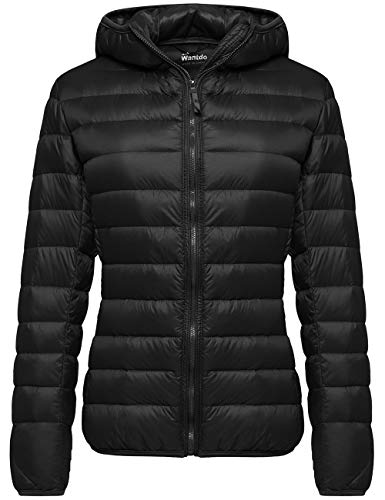
March temperature spread across Europe is the biggest single-month spread of the year. Canary Islands at 22°C, Tromsø at -3°C. Six essentials handle the range. A waterproof March-weight winter coat. Waterproof boots that handle Alpine slush and Canary Island rain. A wool scarf for the colder mornings. A spring-weight jacket for the Mediterranean coast. Touchscreen gloves for the aurora chase. A compact umbrella.






Recommended blogs to read:
- Spring in Europe (season pillar)
- Europe in April
- Europe in December
- Warmest places in Europe in December
- 37 Europe travel tips
Where Is the Warmest Place in Europe in March?
Six destinations hold reliable 18-22°C through March. The Atlantic islands and the southern Mediterranean rim hit their stride about three weeks before the rest of Europe.
1. Tenerife and Gran Canaria, Canary Islands
Europe’s warmest March destination by a clear margin. Playa de las Américas averages 22°C high, 16°C low. Maspalomas dunes are full-sun walkable in shorts and sandals. Sea temperature 20°C, swimmable for most. Direct flights from London, Berlin, and Amsterdam €100-€150 each way. The Carnival of Santa Cruz de Tenerife (rivals Rio for size) overlaps March 1-2, 2026 with the last weekend of the parade. Don’t miss the goat-cheese fritters with palm-honey at Mercado de Nuestra Señora de África.
Read also: European winter sun destinations and things to do in Tenerife.
2. Madeira, Portugal
Funchal averages 20°C high, 14°C low in March. Atlantic sea 18°C. The island is at peak hiking season, with cooler interior temperatures making the levada channel walks comfortable in long sleeves. The Pico Ruivo to Pico do Areeiro ridge walk, the highest connected ridge in Madeira, is at its photogenic best with morning cloud cover sitting below the peak by 1,000 meters. Funchal’s Mercado dos Lavradores opens 7 AM Tuesday and Friday with flower stalls in 40+ varieties.
Read also: beautiful islands in Europe and things to do in Funchal.
3. Malta
Valletta averages 18°C high, 11°C low in March. Sea 16°C, too cold for most swimming but doable for hardier souls. Almond trees flower along the Mdina ridge late February into early March. The Maltese Carnival 2026 lands February 13-17, with the colored-paper float parades through Valletta and Floriana. Pastizzi (cheese and pea pastries) at Crystal Palace in Rabat for €0.40, two coffees and four pastizzi for under €4 for breakfast.
Read also: places to visit in the Mediterranean and things to do in Valletta.
4. Cyprus
Paphos averages 19°C high, 9°C low in March. Sea 17°C. Troodos still has snow above 1,500m through late March, which means the rare combination of skiing in the morning and a coastal lunch in shorts by the afternoon. The almond and citrus blossoms across the Akamas Peninsula are at peak the second and third week of March. Halloumi from a village dairy tastes salty-grippy in a way the supermarket version never does.
Read also: places to visit in southern Europe and things to do in Paphos.
5. Andalusia (Seville, Cádiz)
Seville averages 21°C high, 8°C low in March. Cádiz averages 17°C high but with stronger Atlantic-side wind. Cádiz Carnival 2026 runs February 12-22, ten days of street-comparsa music groups, costumes, and the unique chirigotas (mocking political-comedy singing groups) performed in plazas across the old town. Andalusian almond blossom along the Ronda-Setenil road peaks the first half of March. Tortilla de camarones (shrimp fritters) at Casa Balbino in Sanlúcar de Barrameda for €3 a plate.
Read also: places to visit in southern Europe and things to do in Seville.
When Are Northern Lights Strongest in Europe in March?
March is the single best aurora month of the year in Europe. The spring equinox, March 20, 2026, triggers what aurora scientists call the Russell-McPherron effect, when geomagnetic activity peaks. Solar cycle 25 is at or near its maximum late 2025 to early 2026, meaning a banner aurora year on top of the equinox boost.
6. Tromsø, Norway
The aurora oval crosses directly over Tromsø, making it Europe’s most reliable aurora base. March averages -2°C to 2°C. Polar night ended in late January, so March still gets only 9-11 hours of daylight but enough for the daytime activities (husky sledding, reindeer encounters, Sami cultural tours). Combine with the Lyngen Alps day-trip for the alpine-meets-fjord backdrop. The Tromsø ice domes (constructed every winter, dismantled every spring) close late March.
Read also: northern lights holiday guide and things to do in Tromsø.
7. Reykjavik and Iceland’s South Coast
Reykjavik in March gets 10-13 hours of daylight, increasing by 6 minutes each day. Average -1°C to 4°C. Northern Lights visible 60-70% of clear nights. The Golden Circle and South Coast (Jökulsárlón ice lagoon, Diamond Beach, Skógafoss) are fully driveable. The Reykjavik Folk Festival every March, plus DesignMarch (a citywide design exhibition) the last weekend of March, give you cultural calendar on top of the aurora chase.
Read also: places to visit in Iceland and things to do in Reykjavik.
8. Finnish Lapland (Rovaniemi, Levi, Saariselkä)
Rovaniemi averages -7°C to -1°C in March. Finland’s aurora season runs August through April; March sees the strongest equinoctial activity plus more daylight than December. Glass-igloo lodges at Kakslauttanen, Levin Iglut, and Wilderness Hotels run March packages. Kemi snow castle and ice hotel are open through March 25. Husky kennel visits run morning and afternoon at €110-€140 per person; book ahead because operators close booking three days out.
Read also: best northern lights spots in Finland and glass igloo stays.
Which Carnival Cities Are Still Worth a March Trip?
European Carnival season peaks in February but several major cities run through early March. Each city does Carnival differently and the atmospheric range is wide, from polished Venetian to chaotic Catalan to anarchic Cologne.
9. Venice Carnival
Venice Carnival 2026 runs February 7-17. The masked-ball-and-costume scene is the postcard image but the city itself is at peak February-March mood, with fog rolling off the lagoon at dawn and the bell of San Marco echoing across empty piazzas. The Festa delle Marie procession (February 14, 2026) and the Flight of the Angel from the Campanile (February 8, 2026) are the two events that draw the densest crowds. Stay on Giudecca for the price differential and the vaporetto view back to the main island.
Read also: places to visit in the Mediterranean and things to do in Venice.
10. Cologne Karneval, Germany
Cologne’s Karneval 2026 runs February 12-18, peaking with Rosenmontag (Rose Monday) February 16. The Rosenmontag parade is the largest single street party in Germany, with over a million people lining the route through the city center. Cologne pubs (the Hänneschen, Päffgen, Lommerzheim) serve Kölsch beer in glasses one-third the size of a normal pint, refilled until you put your coaster on top. The Köln cathedral, lit at night across the Hohenzollern Bridge, is the photograph that defines the trip.
Read also: places to visit in central Europe and things to do in Cologne.
11. Cádiz Carnival, Spain
Cádiz Carnival 2026 runs February 12-22. Spain’s biggest carnival outside the Canary Islands. The chirigotas, mocking-political-comedy singing groups, are uniquely Cádiz, performed in the streets and the Gran Teatro Falla competition. Costumes lean toward irreverent and biting rather than glamorous. The flamenco tablao at La Cava on Calle Antonio López runs nightly through carnival with no cover charge before 10 PM.
Read also: places to visit in southern Europe and things to do in Cádiz.
12. Nice Carnival, France
Nice Carnival 2026 runs February 15 to March 1, with the closing weekend bridging into March proper. The Battles of Flowers (Batailles des Fleurs) along the Promenade des Anglais are the headline events, with flower-covered floats throwing roses, daisies, and carnations into the crowd. The Promenade is otherwise empty enough in March to walk in T-shirts on the warmer days. Pair Nice with a day trip to Èze or Monaco.
Read also: places to visit in western Europe and things to do in Nice.
Where Should You Go for the Last Good Ski Week in Europe?
March is the bookend of Alpine ski season. High-altitude resorts hold snow through April, but March is the last month before lift-pass demand drops and many lower-altitude village resorts start closing.
13. Val Thorens and Three Valleys, France
Val Thorens, at 2,300m the highest ski resort in Europe, holds snow reliably through April 30. March daytime averages -3°C to 6°C. Six-day Three Valleys lift pass €330-€370. The Belleville Valley side has the more interesting off-piste terrain. La Folie Douce in Méribel is the after-ski institution, with the live brass-band-and-DJ scene starting at 3:30 PM each day. French weekend skiers (Parisians) hit hardest February 14-21; March is their off-week.
Read also: places to visit in western Europe and top ski resorts in Europe.
14. Zermatt and the Matterhorn, Switzerland
Zermatt averages -5°C to 4°C in March. The Matterhorn glacier paradise lift runs at 3,883m, giving you year-round snow on the upper runs. The car-free village policy means electric taxis only; arrive by the Glacier Express train from Saint Moritz for the journey-as-trip. Six-day Matterhorn ski pass CHF 560 (around €580). Apéro hour at the Cervo Hotel patio with the Matterhorn lit behind you is the best ski-day-closer in the Alps.
Read also: places to visit in western Europe and things to do in Zermatt.
15. Cortina d’Ampezzo, Italian Dolomites
Cortina d’Ampezzo, host of the 2026 Winter Olympics in February 2026, is in post-Olympics buzz in March with the upgraded lift system and new venues open to the public. The Sella Ronda four-valley circuit is the iconic Italian ski day. Italian Alps eat better than French Alps; lunch in a rifugio with house-made tagliatelle al ragù di cervo (deer-ragu pasta) is the cliché that lives up to itself. Six-day Dolomiti Superski pass €395.
Read also: places to visit in the Mediterranean and things to do in Cortina.
What Mediterranean Cities Already Feel Warm in March?
The Mediterranean city break shifts from coat-and-scarf to light-jacket in March. Three cities make the transition fastest and reward an early visit before the April crowds arrive.
16. Lisbon, Portugal
Lisbon averages 18°C high, 11°C low in March. Almost no rain after mid-month. The miradouros (viewpoints) are at their best photographic light through March. Sintra is a one-day train day, with the mist on Pena Palace’s parapets at peak in early spring. Bairro Alto and Cais do Sodré bars are at off-season volume; the Time Out Market is workable in the late afternoon when it’s not the cruise-ship lunch rush.
Read also: places to visit in southern Europe and things to do in Lisbon.
17. Athens, Greece
Athens averages 17°C high, 8°C low in March. The Acropolis is finally walkable midday without the August heat. March 25 is Greek Independence Day with the military parade down Syngrou Avenue. Plaka and Anafiotika quarters are quieter than April. Ferries to Hydra, Aegina, and Spetses run year-round; the day trips work but pack a sweater for the open-deck wind. Galaktoboureko (custard-and-filo pastry) at Asimakopouloi in Exarcheia for €3.50.
Read also: places to visit in Greece and things to do in Athens.
18. Barcelona, Spain
Barcelona averages 17°C high, 9°C low in March. The orange blossoms along the boulevards above Plaça Universitat scent the air for the second half of the month. Sagrada Família ticket availability in March is dramatically better than April. Boqueria Market opens 7 AM (Monday-Saturday), with the smaller stalls (Petras, the egg lady at La Llavor, the truffle stand) at their friendliest before the tourist crush at 11.
Read also: places to visit in southern Europe and things to do in Barcelona.
How Cheap Is March in Europe?
Three pricing patterns make March one of the cheapest months on the European calendar. Knowing them lets you stack a 30-40% saving vs April with minimal weather sacrifice.
19. Hotels Drop 25-40% Versus April
Coastal Mediterranean hotels drop the most: 35-40% vs April peak. City hotels in Paris, Rome, Vienna drop 25-30%. Alpine resorts hold prices through March, then crash 40% in April. The cheapest single week of March 2026 is March 9-15, the gap between Carnival closing and the spring-equinox aurora rush.
20. Flights Drop 30-50% Versus April
Transatlantic flights drop the most against the April peak. Ryanair and Wizz weekend sales for March cities frequently surface in early January. The flight-cheap weeks are March 2-8 and March 16-22, between Carnival and Easter holidays. Mid-March transatlantic flights from US East Coast to London, Paris, Rome regularly sit at €350-€450 round trip.
21. Restaurants Open Up
March is the easiest month of the year to get a reservation at restaurants that are impossible in April and beyond. The Michelin three-stars in Paris and Italy with three-month booking windows often have March tables 48 hours out. Same applies to the Mallorca and Mykonos resort restaurants that don’t get expensive again until late May. Use this to your advantage.
Booking a March trip and want the math?
The Ultimate Europe Trip Planner has the March calendar mapped by week: carnival dates, aurora KP forecast, ski-pass pricing curves, and which Mediterranean cities transition first. $17 currently.
Europe in March FAQ
Is March a good time to visit Europe?
Yes, especially if you want shoulder-season pricing without the Easter holiday spike. March hotel rates run 25-40% below April peak. Northern Lights are at their strongest aurora window of the year thanks to the spring equinox. Carnival cities close out the first half of the month. Mediterranean coast already warming for sun trips. The trade-off is unpredictable weather and shorter days versus April.
Where is warmest in Europe in March?
Tenerife and Gran Canaria in the Canary Islands average 22°C, Europe’s warmest March destinations. Madeira (20°C), Malta (18°C), Cyprus (19°C), southern Andalusia (Seville 21°C), and the Algarve (18°C) all stay 17-22°C through the month. Sea temperatures stay 17-20°C in the warmest spots, cold but swimmable.
Are northern lights visible in Europe in March?
Yes, and March is the single best aurora month of the year. The spring equinox on March 20, 2026 triggers the Russell-McPherron effect, when geomagnetic activity peaks. Solar cycle 25 is at or near maximum in early 2026, adding to the activity. Tromsø, Reykjavik, and Finnish Lapland are the three best bases. Reykjavik gets 60-70% clear-night aurora visibility in March.
Is Europe cheap in March?
Yes, materially cheaper than April. Coastal Mediterranean hotels drop 35-40% versus April; city hotels in Paris, Rome, Vienna drop 25-30%. Transatlantic flights drop 30-50% versus April peak. The cheapest single week is March 9-15, 2026, between Carnival closing and the spring-equinox aurora rush.
What should you pack for Europe in March?
Layers and a wide thermal range. A waterproof March-weight winter coat, waterproof boots, a wool scarf for colder mornings, a spring-weight jacket for the Mediterranean coast, touchscreen gloves for aurora chase, and a compact umbrella. If you’re going north (Iceland, Lapland, Tromsø), add a thermal base layer. If you’re going to the Canaries, add swimwear.
Are Christmas markets still open in March?
No, all major Christmas markets close by January 6 (Epiphany) at the latest. The German markets close December 23 or 24. Vienna, Prague, Budapest, and Tallinn run into early January. March is firmly Carnival and spring-shoulder, not Christmas market season. If you want a Christmas market, plan for late November to mid-December.
Key Takeaways
- The Canary Islands, Madeira, Malta, Cyprus, Andalusia, and the Algarve hold 17-22°C reliably through March.
- March is the single best aurora month of the year. Solar cycle 25 peak plus spring-equinox Russell-McPherron effect.
- Carnival cities (Venice, Cologne, Cadiz, Nice) close out the first half of March 2026.
- Alpine ski season holds through April at high-altitude resorts (Val Thorens, Zermatt, Cortina).
- Hotel rates run 25-40% below April peak; cheapest week is March 9-15, 2026.
- March 2026 is the last month before EES border math goes live on April 10, 2026.
- Mediterranean cities (Lisbon, Athens, Barcelona) shift from coat to light jacket weather mid-March.
Final Thoughts on Europe in March
March is the European month that rewards travelers who don’t follow the calendar everyone else uses. April books up, costs more, and gives you the same 18°C in Lisbon you would have had two weeks earlier. The aurora at the spring equinox is genuinely once-a-year. Carnival cities won’t run their masks and parades again until next February.
Pick a trip type, build around it, and let the calendar do the work. March 2026 is the last spring before ETIAS launches in Q4 and the queues at Schengen get longer. Take advantage while it’s still cheap.
I think I would head south for the warmer areas of Europe although seeing the Aurora Borealis when it’s not too cold does have some attraction. Mallorca sounds like a good pick for me.