Quick Answer: The 18 best things to do in Mallorca in 2026 mix Tramuntana mountain villages (Soller, Valldemossa, Deia), Palma Cathedral and Old Town, the Caves of Drach with underground concert, Cap de Formentor lighthouse, Es Trenc beach, the wooden train from Palma to Soller, and hidden coves like Cala Varques and Cala Tuent. Plan 5 to 7 days with a rental car for the full island.
Mallorca is way more than the resort beaches everyone associates with the Balearics. The largest of the Balearic Islands has UNESCO mountain villages, dragon caves with underground concerts, a 100-year-old wooden tram running from Palma to Soller, and 550 km of coastline you could spend a lifetime exploring. After two trips for Pretty Wild World, the 18 things below are the ones consistently worth doing in 2026, ranked from the genuine can-not-skips to the lovely add-ons.
This guide covers the top 18 things to do in Mallorca, structured so you can sequence Tramuntana mountain villages with east-coast beaches without doubling back across the island. For the wider context, see our best islands in Spain to visit guide, and for day trips beyond the main island, our day trips from Mallorca roundup.
Planning a Mallorca trip and unsure how to balance beach days with mountain villages?
The Ultimate Europe Trip Planner has Mallorca itinerary templates that handle Tramuntana plus east coast pacing without backtracking. Currently just $17 before the price goes up to $27.
Best Hotels in Mallorca
These five hotels each anchor a different corner of the island, so you can pick by where you base. All have strong 2026 reviews and put you within reach of headline sights.
- Hotel Cap Rocat – Cala Blava luxury fortress hotel, top-tier privacy.
- Belmond La Residencia – Deia cliff-edge boutique in Robert Graves country.
- Hotel Can Bordoy – Palma Old Town design boutique.
- Can Ferrereta – Santanyi southeast-coast boutique with garden pool.
- Petit Palace Hotel Tres – central Palma 4-star with rooftop terrace.
Top Tours to Book in Mallorca
Several Mallorca highlights need timed tickets or boat access. These five tours are the consistent top picks for first-time visitors in 2026.
- Caves of Drach with Music Concert and Boat Trip – the underground experience.
- Tramuntana Mountains, Soller and Valldemossa Day Tour – UNESCO villages combo.
- Deluxe Catamaran with Snacks, SUP and Snorkeling – classic Mallorca sea day.
- Cap de Formentor Sunset Boat Trip – the lighthouse from sea.
- Soller Vintage Train and Tram Day Trip from Palma – the 1912 wooden train.
Recommended Travel Essentials for Mallorca
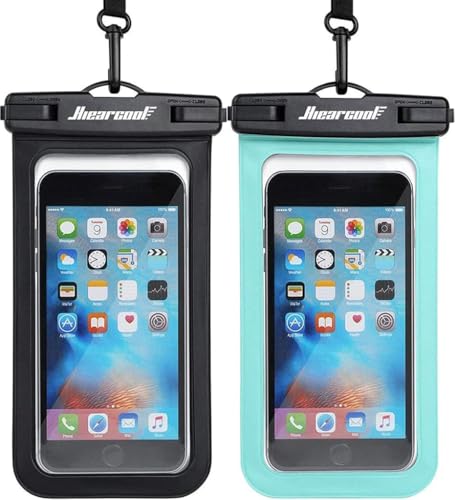
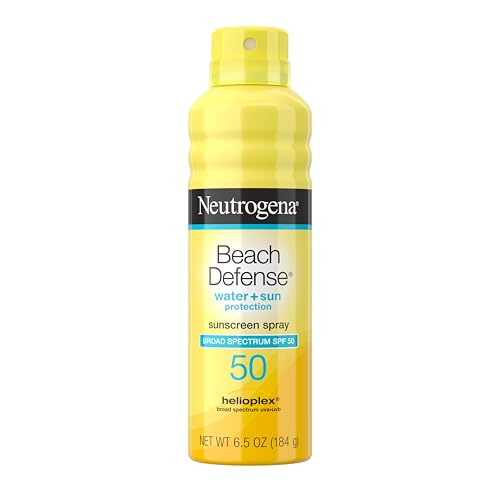
Mallorca means beaches, sun, salt water, and rocky coves that need real footwear. These five items keep coming on every Balearic trip.



Recommended blogs to read:
- Best islands in Spain to visit
- Best time to visit Spain month-by-month
- Best beach resorts in Spain by coast
- Best cities in Europe to visit
Top 18 Best Things to Do in Mallorca
1. Take the Vintage Wooden Train from Palma to Soller
The Soller train (Tren de Soller) has been running since 1912, and it is one of the most charming train rides in Europe. The 1-hour journey through 13 tunnels and across the Tramuntana mountains ends in the village of Soller, where you transfer to a separate wooden tram that runs the final 5 km to Port de Soller. The combination is one of the most quintessential Mallorca experiences and a great way to see the mountains without driving.
Practical tip: book the early morning departure to avoid afternoon crowds. The combined train + tram + return ticket runs about €38. Do this on Day 1 to get oriented and see whether you want a full Tramuntana mountain day later. For more Spanish island ideas.
2. Wander Valldemossa Cobblestone Village
Valldemossa is a Tramuntana mountain village famous for the Real Cartuja monastery where Frederic Chopin and George Sand spent the winter of 1838-1839. The whitewashed lanes and small plazas built around the monastery give the village a deeply atmospheric feel. The cobblestone streets are perfectly maintained, and small artisan shops, tile-fronted bakeries, and the Chopin museum all sit within a 10-minute walk.
Practical tip: park outside the village. The streets are too narrow for cars. Visit on a weekday morning to avoid the cruise day-tripper rush. Try a coca de patata (the local potato pastry).
3. Visit Palma Cathedral (La Seu) and the Old Town
Palma Cathedral (La Seu) is a 14th-century Gothic cathedral right on the seafront, with one of the largest rose windows in Europe (12.55 meters across). The interior was redesigned by Antoni Gaudi himself in the early 20th century, which makes it a must-see for any Gaudi fan visiting from Barcelona. The Old Town around the cathedral has small plazas, the Royal Palace of La Almudaina, the Arab Baths, and the Llonja merchant exchange.
Practical tip: stay 2 nights in Palma minimum. The Old Town is fully walkable, and small boutique hotels (Hotel Can Bordoy, Petit Palace Tres) put you within steps of the cathedral. Visit the cathedral early morning or late afternoon for the rose-window light effect.
4. See the Caves of Drach Plus Underground Music Concert
The Caves of Drach (Coves del Drac) on the east coast near Porto Cristo are 4 connected limestone caverns with one of the largest underground lakes in Europe (Lake Martel, 177 meters long). The 1-hour tour ends with a 10-minute classical music concert performed live on a small boat in the underground lake. The acoustics and atmosphere are unlike anything else.
Practical tip: book tickets online weeks ahead in summer. The concert sessions sell out. Combine with a Caves of Hams visit (also in Porto Cristo) for a full caves day.
5. Drive (or Boat) to Cap de Formentor Lighthouse
Cap de Formentor is the dramatic northeastern tip of Mallorca, with cliffs falling 200 meters straight into the Mediterranean and a working lighthouse at the very end of the road. The drive from Pollensa is one of the most scenic in Spain, with switchback turns through the Tramuntana foothills and viewpoints (Mirador des Colomer, Talaia d’Albercutx) along the way. Sunset from the lighthouse is the postcard view.
Practical tip: in summer 2026, the road has restricted access (15:00 to 22:00 closed to private cars to manage traffic). Take a shuttle bus or visit early morning. Or take a sunset boat trip from Pollensa for the cliffs from sea.
6. Swim at Cala Varques
Cala Varques is one of Mallorca’s most beautiful unmarked coves, accessible only by a 20-minute hike through pine forest from a small parking area off the Manacor-Porto Cristo road. The white-sand beach faces a turquoise bay framed by limestone cliffs, with no buildings, restaurants, or umbrella rentals. Bring everything you need.
Practical tip: park early (the small parking area fills by 9am in summer). Bring water, a snorkel, and a beach mat. The hike has uneven sections, so wear closed-toe sandals or trainers. For more Spanish beach options.
7. Hike a Section of the GR-221 Dry Stone Route
The GR-221 is a long-distance hiking route that crosses the Tramuntana from Port d’Andratx to Pollensa over 8 stages. You do not need to walk the whole 140 km. The Soller-to-Deia section (3 to 4 hours) is the most scenic and accessible, passing through olive groves, dry-stone walls (the UNESCO heritage that gives the route its name), and dramatic mountain scenery. Buses run between trailheads.
Practical tip: hike between October and May. Summer is too hot. Bring 2 liters of water, sun protection, and good shoes. The Refugi Tossals Verds (mountain shelter) bookings are popular for multi-day attempts.
8. Explore Artsy Deia (Robert Graves’s Hideaway)
Deia is a small mountain village on the west coast, where British poet Robert Graves lived for 50 years and wrote I, Claudius. The village has small art galleries, a restored 17th-century parish church on the hilltop, and Cala Deia (a small pebble cove with a famous beach restaurant, Ca’s Patro March, that featured in The Night Manager). Belmond La Residencia is the local 5-star anchor.
Practical tip: book Ca’s Patro March 6 to 8 weeks ahead. The restaurant is one of the most-photographed in Spain. Visit Deia on a weekday morning to avoid the cruise day-tripper rush.
9. Sunbathe at Es Trenc Beach
Es Trenc is a 3 km stretch of white sand and turquoise water on the south coast, often described as the Caribbean of Mallorca. Unlike most Mallorca beaches, Es Trenc has no resort hotels behind it (the area is a protected nature reserve), so the dunes and beach feel almost wild. Beach bars at the western end serve fresh fish and salads; the eastern end is quieter.
Practical tip: drive in (40 minutes from Palma). Park early in summer. The closest town for a base is Colonia de Sant Jordi or Santanyi (Can Ferrereta hotel is a 15-minute drive). Visit between June and September for full beach-bar season.
10. Catamaran Day Around Cala Vella and Cueva Verde
A catamaran day trip from Palma (or Port de Soller) is the easiest way to access the hidden coves and sea caves of the southwest coast. Most trips include 2 to 3 swim stops, snorkel and SUP equipment, lunch on board, and a stop at Cueva Verde (a sea cave with green-glow water) or Cala Vella (a beach accessible only by boat). Sunset returns are a strong upgrade.
Practical tip: book on a sunny weekday for less crowded boat traffic. Pack a windbreaker for the return leg even in summer (sea wind cools fast). Most boats depart 9 to 10am and return 4 to 5pm.
11. Discover Cala Tuent Wild Swimming Cove
Cala Tuent is one of Mallorca’s most under-touristed beaches, hidden at the end of a winding mountain road on the north coast. The pebble-and-sand cove sits beneath the Puig Major (Mallorca’s highest peak at 1,445 meters), and the water is genuinely cold and clear. A small chapel on the hillside above the beach gives the cove a quiet, almost spiritual atmosphere. There is one beach restaurant.
Practical tip: drive in from Soller (45 minutes via the MA-10 mountain road). Combine with the Sa Calobra coastal road for a full Tramuntana driving day. Visit in shoulder season because the cove only fits about 100 people comfortably.
12. Climb Bellver Castle for Palma Views
Bellver Castle is a 14th-century circular Gothic castle on a hilltop above Palma, one of the few circular castles in Europe. The castle was originally a royal residence, then a prison (most famously holding the writer Jovellanos in the early 1800s), and now houses the Palma History Museum. The walking trail up takes 30 minutes from the city center, or there is a small parking area near the castle entrance.
Practical tip: visit at sunset for the best Palma harbor views. Bring water for the walk up. The castle interior tour takes about 45 minutes. Combine with a stroll back through the Es Terreno neighborhood for the descent.
13. Eat Ensaimadas Plus Sobrasada in a Local Market
Ensaimadas (sweet spiral pastries dusted with powdered sugar) and sobrasada (a soft cured paprika sausage) are the two iconic Mallorcan foods. The Mercat de l’Olivar in Palma is the easiest place to try both, with multiple bakery stalls for ensaimadas and a charcutier counter for sobrasada Mallorquina (the protected DO version). Add a pa amb oli (bread with olive oil and tomato) and a glass of local Binissalem wine for a full local lunch.
Practical tip: visit weekday mornings between 10am and 12pm for the best stall selection. Avoid Sundays (mostly closed). For more Spanish cities with strong food scenes.
14. Stand-Up Paddle in Pollensa Bay
Port de Pollensa on the north coast has one of the calmest bays in the western Mediterranean, which makes it ideal for stand-up paddleboarding even for beginners. SUP rentals run about €20 per hour, and you can paddle along the Pine Walk (Cami de Pinar) shoreline or out toward Cap de Formentor for the lighthouse from sea level. The town itself is more upscale and less party-focused than nearby Alcudia.
Practical tip: rent equipment from one of the harbor operators. Mornings have the calmest water. Combine with a swim at Cala Sant Vicenc (a quieter cove 10 minutes north).
15. Drive the Sa Calobra Coastal Road
Sa Calobra is one of the most spectacular drives in Europe, a 12 km switchback road that descends 800 meters from the MA-10 down to a small beach at sea level. The hairpin turns include the famous Nudo de Corbata (Tie Knot, a near-360° loop). The drive itself is the experience. Sa Calobra beach is fine but small, and the highlight is actually walking through the Torrent de Pareis canyon to a hidden inland beach.
Practical tip: drive early morning (the road is genuinely terrifying with traffic) or take a tour boat from Port de Soller. Allow 4 hours minimum for the round trip.
16. Wander Pollensa Calvari Steps
Pollensa is a Tramuntana foothill town built around a famous staircase: the 365 steps of El Calvari, leading from the main square up to a small chapel on top of the hill. The climb takes about 15 minutes (with breaks), and the view from the chapel covers the whole town and the Tramuntana ridgeline. The town itself has Wednesday morning markets, small restaurants on Plaza Major, and a strong arts scene.
Practical tip: visit on a Wednesday for the market. Climb the Calvari steps at sunrise for the best light. Pollensa pairs well with Cap de Formentor (15 minutes north) for a full north-coast day.
17. Take a Wine Tour in Binissalem
Binissalem is the heart of Mallorcan wine country, with about 30 small wineries (bodegas) producing red wines from the local Manto Negro grape and white wines from Premsal Blanc. The wines have a Designation of Origin (DO Binissalem) and are some of the best on the Balearics. Bodegas like Jose L. Ferrer (the oldest, since 1931), 4 Kilos (smaller artisan), and Macia Batle offer guided tasting tours.
Practical tip: book a wine tour ahead. Most tours are 90 to 120 minutes. Drive in from Palma (25 minutes). Combine with a stop in Sineu (Wednesday market town) for a full inland day.
18. Watch Sunset at Mirador des Colomer
Mirador des Colomer on the Cap de Formentor road is the iconic Mallorca sunset viewpoint, with cliffs dropping 232 meters straight to the sea and a small island (Es Colomer) offshore. The viewpoint has a small parking area and a 5-minute uphill walk to the lookout. Sunset paints the cliffs gold and red, and on clear days you can see across to Menorca.
Practical tip: arrive 30 minutes before sunset to claim a good spot. Combine with a Cap de Formentor lighthouse stop earlier in the afternoon. For more Spain off-the-beaten-path destinations like this, see our roundup.
Mallorca Travel Tips and Best Time to Visit
May, June, and September are the best months for Mallorca. Daytime temperatures sit around 22 to 28 °C, the beaches are warm enough to swim, and the Tramuntana hiking trails are accessible without summer heat. Avoid mid-July through August unless you have to. The combination of 35+ °C heat plus peak summer crowds plus tripled hotel rates makes those weeks the worst time to visit. October is excellent for hiking and quieter beaches but the water cools by late October.
For up-to-date information on Mallorca attractions, the Cap de Formentor restrictions, and Tramuntana hiking, the UNESCO Serra de Tramuntana listing covers the protected mountain area. For wider trip planning, see our best time to visit Spain guide.
Trying to decide which beaches and coves are actually worth the drive in Mallorca?
The Ultimate Europe Trip Planner has Mallorca beach and cove ranking matrices plus driving distance optimization. Currently just $17 before the price goes up to $27.
Frequently Asked Questions
What is Mallorca best known for?
Mallorca is best known for its Mediterranean beaches, the Tramuntana mountain villages (UNESCO-listed), the Caves of Drach with underground concert, the wooden Soller train, Palma Cathedral, and 550 km of coastline mixing resort beaches with hidden coves. The island is the largest of the Balearics and the most-visited Spanish island.
How many days do you need in Mallorca?
5 to 7 days is the right window for a first Mallorca trip. 5 days covers Palma plus the Tramuntana plus one east coast day. 7 days adds the Cap de Formentor area, more beach time, and the wine country. 10 days makes sense if you want to use Mallorca as a base for Menorca or Cabrera day trips.
What is the prettiest part of Mallorca?
The Tramuntana mountain villages (Soller, Valldemossa, Deia) are the prettiest part of Mallorca, with whitewashed houses, terraced olive groves, and dramatic cliffs falling to the Mediterranean. Cap de Formentor in the north and the Cala Varques cove on the east coast are close runners-up.
Is Mallorca expensive to visit?
Mallorca is mid-to-high range for European island destinations in 2026. Mid-range hotels run €130 to €200 a night in shoulder season (€250 to €400 in peak July-August), sit-down dinner mains are €18 to €28, and a rental car runs €40 to €70 a day. Cheaper than Ibiza, similar to mainland Costa del Sol, more expensive than Menorca.
What is the best month to go to Mallorca?
May and June for warm beaches and quieter mountains. September for warm water plus quieter resorts. April and October for hiking and culture. Avoid mid-July through August (heat plus peak crowds plus tripled hotel rates).
Key Takeaways
- The 18 best things to do in Mallorca mix Tramuntana mountain villages, Palma Old Town, Caves of Drach, Cap de Formentor, and hidden coves.
- Plan 5 to 7 days with a rental car. The island is too spread out for efficient public transport.
- Best months: May, June, September. Avoid mid-July through August for heat and crowds.
- Cap de Formentor has 2026 traffic restrictions. Plan early-morning visits or take a sunset boat tour.
- Stay outside Palma for quieter Tramuntana or east-coast bases. Magaluf is the resort strip to avoid for any local culture.
Final Thoughts
Mallorca rewards travelers who go beyond the resort beaches. The Tramuntana villages, the Soller wooden train, the Caves of Drach, and the hidden coves of the east coast give the island a totally different character from the Balearic Magaluf reputation. Plan 5 to 7 days, rent a car, and split your time between a Tramuntana base (Deia, Valldemossa) and Palma. Save this guide for trip planning, and check our best islands in Spain roundup for the wider Balearic and Canary picture.