The best cities for street art in Europe include Berlin for the East Side Gallery and raw urban murals, Bristol for its Banksy heritage and Upfest festival, Paris for massive 13th arrondissement murals, Barcelona for El Raval’s colorful walls, Lisbon for the LX Factory district, and Athens for its politically charged Exarchia neighborhood art. Each city offers a different flavor of outdoor creativity worth traveling for.
Europe’s street art scene has grown far beyond spray-painted tags on train carriages. Cities across the continent now treat their walls as rotating galleries, commissioning large-scale murals, hosting annual festivals, and building entire neighborhoods around outdoor art. Some of the most striking work you’ll find anywhere is on the side of an apartment block in a European city you might not expect.
This guide covers 10 cities where street art is genuinely part of the culture, not just a tourist gimmick. Whether you’re into political statements, photorealistic portraits, or abstract installations, there’s a city here that matches what you’re looking for.
Planning a street art tour across Europe? The Ultimate Budget Planner helps you map out flights, accommodation, and daily costs so you can hit more cities without blowing your budget.
Gear for Street Art Hunting
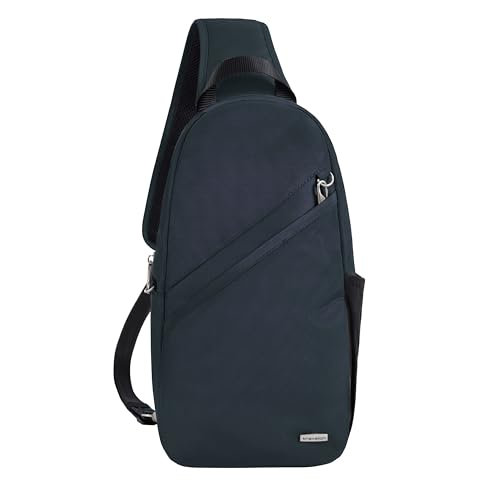
Tracking down the best murals means a lot of walking through neighborhoods. A few items that make the experience more comfortable.



Best Cities for Street Art in Europe
1. Berlin, Germany
Berlin is the undisputed capital of European street art. The East Side Gallery stretches over a kilometer along a remaining section of the Berlin Wall, making it the longest open-air gallery in the world. But the real action happens in Kreuzberg and Friedrichshain, where every surface tells a story. ROA’s giant animals, BLU’s political murals, and countless paste-ups compete for wall space on nearly every block. The Urban Nation Museum in Schoneberg formalizes the scene, but the streets remain the main gallery.
2. Bristol, United Kingdom
Bristol is where Banksy started, and the city has leaned into that legacy without making it the whole identity. Eleven Banksy pieces are still visible around town, but the real draw is Upfest, Europe’s largest street art festival, which fills the Bedminster and Southville neighborhoods with fresh work every year. Stokes Croft is the permanent epicenter, with murals stacked on top of murals and new pieces appearing regularly. The city actively supports its artists, which keeps the scene feeling alive rather than preserved.
3. Lisbon, Portugal
Lisbon’s street art has exploded over the past decade, turning the city into one of Europe’s most visually interesting capitals. The LX Factory in Alcantara is a converted industrial complex covered in murals and installations. Mouraria and Alfama have smaller, more intimate pieces tucked into alleyways between traditional azulejo tiles. Vhils is the local star, famous for carving portraits directly into building facades. The contrast between centuries-old architecture and contemporary street art is what makes Lisbon stand apart.
4. Barcelona, Spain
Barcelona’s street art concentrates in El Raval and the Poblenou district, where former industrial warehouses provide massive canvases for local and international artists. The Three Chimneys Urban Park is a good starting point, and the area around the MACBA museum has some of the city’s most recognizable work. Barcelona recorded over 300 murals across the city, and unlike some places where street art feels imported, much of what you see here comes from Catalan artists responding to local politics and culture.
5. Paris, France
Paris might not be the first city that comes to mind for street art, but the 13th arrondissement has become one of Europe’s most impressive mural districts. Building-sized works by Shepard Fairey, D*Face, and local artists like Seth cover entire apartment facades. The Belleville and Oberkampf neighborhoods in the east offer a grittier, more spontaneous scene with smaller stencils and paste-ups. The Rue Denoyez in Belleville is practically wallpapered with work that changes by the week.
6. Athens, Greece
Athens’ street art is inseparable from its politics. The Exarchia neighborhood is ground zero, with murals and graffiti reflecting years of economic crisis, protests, and counter-culture movements. Psyrri and Metaxourgeio have more curated pieces, including work from international artists invited during the Athens Street Art Festival. The rawness here is different from western European cities. Very little is sanitized or corporate, and that honesty is what draws people who want to see art that actually means something.
7. Ghent, Belgium
Ghent’s street art scene grew organically from its local community rather than being imported for tourism. The Werregarenstraat, known as Graffiti Street, is the most famous spot, but the entire city center has become an open canvas for Belgian and international artists. The city runs an official street art map that guides you through dozens of pieces, and the combination of medieval architecture with contemporary murals creates a contrast you won’t find in many other places.
8. Lodz, Poland
Lodz took its post-industrial identity and turned it into one of Europe’s most ambitious street art projects. Over 70 large-scale commissioned murals now cover former factory buildings and communist-era apartment blocks. The Urban Forms Gallery project has been running since 2009, inviting artists like INTI, Aryz, and Os Gemeos to leave their mark. Walking through the city feels like moving through a museum with no walls, and the scale of some pieces, covering 10-story buildings, is genuinely jaw-dropping.
9. Valencia, Spain
Valencia flies under the radar compared to Barcelona, but its El Carmen neighborhood has some of the best street art on the Iberian Peninsula. The old town walls provide a natural backdrop, and the mix of stencils, paste-ups, and full murals gives the area a layered, lived-in feel. The Poliniza festival brings fresh work annually, and local artists like Escif have gained international recognition for their understated, thought-provoking style.
10. Reykjavik, Iceland
Reykjavik might seem like an unlikely street art destination, but the city punches well above its weight. The Iceland Airwaves music festival has sparked collaborations between musicians and visual artists, and the colorful corrugated iron buildings provide a uniquely Icelandic canvas. Laugavegur and the surrounding streets have the highest concentration of pieces, and the small city size means you can see most of it in a single afternoon walk.
Trying to save for a multi-city art tour? The Savings Tracker’s Planner gives you a clear system for setting trip goals, tracking deposits, and watching your travel fund grow week by week.
Tips for Finding Street Art
Most cities with active street art scenes have community-maintained maps, either through apps like Street Art Cities or printed guides at local hostels. Walking tours run by local artists are usually the best way to find hidden pieces and understand the context behind them. Early morning gives you the best light for photography and the fewest crowds. Respect the art and the neighborhoods: don’t touch fresh work, stay off private property, and be mindful of residents who live alongside these pieces every day.
Combining a street art trip with broader European exploration? Check out our guide to the best holiday destinations in Europe and top places to visit in Iceland for more trip inspiration.
Photographing Street Art
The best light for photographing murals is overcast skies or early morning sun, which avoids harsh shadows across textured walls. A wide-angle lens helps capture building-sized pieces in tight streets where you can’t back up far enough. Shoot details as well as full walls: the texture of peeling paint, the way a stencil edges against brick, or the interaction between the art and its surroundings. If you plan to share on social media, tag the artist when possible. Most street artists are active on Instagram, and credit helps them get more walls and commissions.
FAQ
Which European city has the best street art?
Berlin is widely considered the top city for street art in Europe due to its scale, history, and the sheer volume of work across neighborhoods like Kreuzberg and Friedrichshain. Bristol and Lisbon are close seconds, each with a distinct character.
Are there guided street art tours in these cities?
Yes. Berlin, Bristol, Lisbon, Athens, and Barcelona all have regular walking tours led by local artists or street art experts. These typically run 2 to 3 hours and cost between 10 and 25 euros. They’re worth it for the context alone, since much of the art references local events that outsiders would miss.
Is street art legal in Europe?
It depends on the city and the specific wall. Many cities now designate legal walls and commission murals through festivals. Unauthorized graffiti is still illegal virtually everywhere. The cities on this list all have some form of official support for street art, which is part of why their scenes are so strong.
Key Takeaways
- Berlin leads Europe for street art with the East Side Gallery and entire neighborhoods dedicated to murals and graffiti.
- Bristol’s Banksy connection is just the starting point for a city that hosts Europe’s largest street art festival annually.
- Lisbon, Athens, and Lodz offer some of the most emotionally powerful and politically charged street art on the continent.
- Smaller cities like Ghent, Valencia, and Reykjavik prove you don’t need a massive population to build a world-class street art scene.
- Walking tours led by local artists are the best way to find hidden pieces and understand the stories behind them.
- The Street Art Cities app and local hostel maps are your best tools for self-guided exploration.
Final Thoughts
Street art turns ordinary city walks into something unpredictable. You round a corner and there’s a three-story portrait staring back at you, or a tiny stencil hidden in a doorway that makes you stop and think. These 10 cities have built cultures around that experience, each in their own way. Pick one that matches your style, bring a good camera, and give yourself enough time to get properly lost in the neighborhoods where the best work lives.