
Quick Answer: The best places to visit in Iceland in 2026 are Reykjavik, the Golden Circle (Þingvellir, Geysir, Gullfoss), the South Coast (Seljalandsfoss, Skógafoss, Vík, Jökulsárlón), the Westfjords (in the path of the August 12, 2026 total solar eclipse), Snæfellsnes Peninsula, North Iceland (Akureyri, Mývatn), and the Blue Lagoon. Iceland holds the #1 spot on the 2026 Global Peace Index for the 18th consecutive year. The August 12 eclipse is the first total in Iceland since 1954 and next isn’t until 2196.
Last updated: May 2026 · August 12, 2026 total solar eclipse crosses the Westfjords, Snæfellsnes, and Reykjanes peninsulas; book accommodation 6+ months ahead.
The first time I stepped out of Keflavík airport on an Iceland trip, it was 2 AM in late June and the sun was still up. Bright enough to read by. The air smelled like sulfur, faintly, from the geothermal plant a few kilometers away. The wind came off the Atlantic with a particular texture that I have only encountered in Iceland and the Faroe Islands, full of salt and something colder underneath, like the wind has come straight off a glacier and barely warmed up over the sea. I stood there for a minute, jacket open, smelling sulfur in midnight sun, and understood I had not actually arrived in Europe.
Iceland is a volcanic rock island the size of Kentucky with 380,000 people, more sheep than humans, and so many glaciers and geothermal pools they have stopped counting. It also happens to be in the direct path of a total solar eclipse on August 12, 2026, the first since 1954, the next not until 2196. That single Tuesday in August has made every guesthouse in the Westfjords and Snæfellsnes book out 18 months in advance.
What’s coming up: the Reykjavik base for first nights and last nights, the Golden Circle classics in one day-trip, the South Coast waterfall trail to Jökulsárlón, the Westfjords if you can swing the eclipse week, the Snæfellsnes Peninsula in two days, North Iceland for the full Ring Road, and the Highland interior in summer only.
Planning around the August 12, 2026 eclipse?
The Ultimate Europe Trip Planner has Iceland eclipse-week itineraries with totality timing for each region, the Ring Road in 7 vs 10 days, and Northern Lights season alternatives. $17 currently.
Iceland Travel Kit
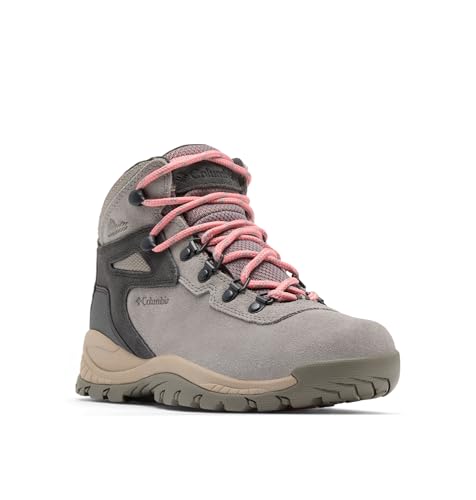
Iceland weather is the cliché. Four seasons in one afternoon. Six essentials handle most of it. A solid Iceland guidebook with Ring Road sectional notes. A waterproof rain jacket (Iceland averages 213 rainy days per year). Waterproof hiking boots that handle ash, lava, and stream crossings. A swimsuit for the geothermal pools (more common than coffee shops). ISO-certified solar eclipse glasses if you’re going for August 12, 2026. A thermal base layer for unexpected wind chill.





Recommended blogs to read:
- Safest countries in Europe
- European winter sun destinations
- Northern Lights holiday guide
- Unique places to visit in Europe
- 37 Europe travel tips
What Should You Do in Reykjavik and the Capital Area?
Reykjavik holds two-thirds of Iceland’s population and most of its restaurants, museums, and design culture. Four anchors do the work. The city wraps up in 2-3 days; longer if you’re treating it as a base for day trips.
1. Hallgrímskirkja Church and the City View
The 73-meter expressionist concrete church on the hill above central Reykjavik, designed by Guðjón Samúelsson to evoke the basalt columns of Iceland’s lava landscape. Take the tower elevator (€11) for the 360-degree view across the colored corrugated-roof houses to the harbor and beyond to Mount Esja. Hallgrímskirkja sits at the top of Skólavörðustígur, the rainbow-painted main shopping street. The statue of Leif Erikson out front was a gift from the US for the 1930 millennial of Iceland’s parliament.
Read also: places to visit in western Europe and things to do in Reykjavik.
2. Harpa Concert Hall and the Old Harbour
Harpa, the geometric glass-and-steel concert hall on the waterfront, was designed by Henning Larsen and Olafur Eliasson. Free to walk through during the day; performances most evenings €25-€90. Walking out from Harpa along the Old Harbour gets you past the whale-watching dock, the Maritime Museum, and the Reykjavik Art Museum’s harbor wing. The Sun Voyager sculpture (Sólfar) by Jón Gunnar Árnason is the postcard image.
Read also: unique places to visit in Europe and things to do in Reykjavik.
3. The Blue Lagoon
The geothermal spa 50km southwest of Reykjavik, in a lava field on the Reykjanes Peninsula. Mineral-rich silica water at 38-40°C, the milky blue color from the silica suspension. Entry from €70 standard, €115 premium with drinks and slippers. Book online weeks ahead during peak summer (May-September). Closer to the airport than to Reykjavik, making it a possible last-stop before your departure flight. Volcanic activity has occasionally closed the lagoon in 2024-2025; check the daily status.
Read also: European winter sun destinations and safest countries in Europe.
4. Grótta Lighthouse and Aurora Spotting
The small lighthouse at the western tip of Reykjavik, on the Seltjarnarnes peninsula. Reachable by walking from central Reykjavik in 45 minutes or by car in 10. Best Northern Lights spotting location accessible from Reykjavik without driving outside the city; the surrounding peninsula has minimal light pollution. The thermal foot-pool (Kvika) on the path before the lighthouse is a free, soak-your-feet roadside stop.
Read also: Northern Lights holiday and Europe in March.
What Are the Must-See Stops on the Golden Circle?
The Golden Circle is the most popular day-trip from Reykjavik, a 300km loop that visits three classic sites in a single day. Doable as a self-drive (cheapest), a tour (€80-€120), or with a private guide.
5. Þingvellir National Park
The site of the world’s first parliament (Alþingi), founded 930 AD, where the Eurasian and North American tectonic plates pull apart at 2cm per year. The Almannagjá rift valley is where you walk between the two continental plates. UNESCO World Heritage. Silfra fissure (snorkeling in 2°C glacial water between the plates) is the bucket-list activity here; tours €120-€180. Entry to the park free; parking €5.
Read also: UNESCO sites in Europe and unique places to visit in Europe.
6. Geysir and Strokkur
The original geyser, the one that gave the word to the English language. Geysir itself has been dormant since 1916; the nearby Strokkur is the active one, erupting every 5-10 minutes with 20-40 meter jets of boiling water. Free to visit. The visitor center across the road has a café and a small museum. Plan 30-45 minutes here unless you want to wait for multiple Strokkur eruptions.
Read also: places to visit in western Europe and European destinations for nature lovers.
7. Gullfoss
The Golden Falls, a two-stage 32-meter cascade where the Hvítá river plunges into a 70-meter canyon. The mist comes up across the parking lot on windy days. Free to visit. Two viewpoints: the upper rim (closer, with the spray catching rainbow light midday) and the lower platform (longer walk, more dramatic angle). Combine with the Friðheimar tomato greenhouse 15 minutes south for lunch (€20 for tomato soup with home-baked bread and a guided tour of the geothermal greenhouse).
Read also: European destinations for nature lovers and unique places to visit in Europe.
What Are the Best Stops on Iceland’s South Coast?
The South Coast drive from Selfoss to Jökulsárlón covers 350km of waterfalls, black-sand beaches, glacier tongues, and the iconic ice lagoon. Doable in 2 days minimum, 3 days for the full experience.
8. Seljalandsfoss Waterfall
A 60-meter waterfall with a walking path behind the falling water; the rare waterfall you can stand behind. Parking €5. Bring a waterproof jacket because the spray is real. The smaller Gljúfrabúi waterfall 600 meters along the cliff face is the secret behind-the-rocks version; squeeze through a narrow opening into the small cave with the waterfall pouring through the roof.
Read also: European destinations for nature lovers and things to do in Reykjavik.
9. Skógafoss Waterfall
A 60-meter wide, 60-meter tall waterfall on the Skógá River. Climb the 527-step iron staircase to the top for the view down. The walking trail beyond the falls follows the Skógá upstream past 20+ smaller waterfalls; popular as a half-day return walk. Skógar town below has the open-air folk museum showing turf-house traditional Icelandic architecture (€20).
Read also: European destinations for nature lovers and unique places to visit in Europe.
10. Reynisfjara Black-Sand Beach
The black-sand beach near Vík with the basalt-column cliffs (Reynisdrangar sea stacks) rising out of the Atlantic. Featured in countless film and TV (Game of Thrones, Rogue One). The sneaker waves are genuinely dangerous; signs warn against standing close to the waterline. Two tourists die here roughly every 18 months from getting pulled into the surf. Stay back from the water line. The basalt-column cliffs (Hálsanefshellir) and the sea cave are the keeper photographs.
Read also: best beaches in Europe and things to do in Vík.
11. Jökulsárlón Glacier Lagoon and Diamond Beach
The most photographed natural feature in Iceland. Icebergs calve off Breiðamerkurjökull glacier and float across the lagoon to the Atlantic, then wash up on the black-sand Diamond Beach across the road, where they look like enormous translucent diamonds against the dark sand. Boat tours of the lagoon (€55, May-October) take you close to the icebergs and resident seals. Sunset light makes the diamonds glow.
Read also: unique places to visit in Europe and European destinations for nature lovers.
Where Is the Best Spot for the August 12, 2026 Eclipse?
The total solar eclipse on August 12, 2026 begins at 5:32 PM local time in the Westfjords and tracks across the Snæfellsnes Peninsula and Reykjanes Peninsula before exiting into the Atlantic. Totality lasts roughly 2 minutes. Three regions are in the path.
12. The Westfjords (Longest Totality)
The remote northwestern peninsula of Iceland, with the longest totality duration during the 2026 eclipse (about 2 minutes 18 seconds). Patreksfjörður and Bíldudalur are the main villages in the eclipse path. The drive from Reykjavik takes 5-6 hours each way via Ring Road then Route 60. Accommodation has been booked out 18+ months ahead; check for camping options or stay further afield (Hólmavík, Reykhólar).
Read also: unique places to visit in Europe and hidden gems in Europe.
13. Snæfellsnes Peninsula
The peninsula 130km northwest of Reykjavik, often called Iceland-in-Miniature for its varied geography. Eclipse totality runs about 2 minutes here at Stykkishólmur and Grundarfjörður. Kirkjufell, the cone-shaped mountain (the most-photographed mountain in Iceland), sits in the eclipse path. Snæfellsjökull glacier-volcano at the western tip is the entry point to the underground in Jules Verne’s Journey to the Center of the Earth. Better road access than the Westfjords.
Read also: places to visit in western Europe and hidden gems in Europe.
14. Reykjanes Peninsula (Closest to the Airport)
The peninsula extending southwest from Keflavík Airport. Eclipse totality runs about 1 minute 50 seconds here. The Bridge Between Continents (a small footbridge across a tectonic rift on the Mid-Atlantic Ridge) is the symbolic eclipse-watching spot. Recent volcanic activity in the area (Litli-Hrútur, Sundhnúkur) has shaped fresh lava fields. Most accessible eclipse-watching location from international flights; book Keflavík hotels far in advance.
Read also: unique places to visit in Europe and things to do in Reykjavik.
What Should You See in the Snæfellsnes Peninsula?
Snæfellsnes is the most-recommended Reykjavik day-trip or 2-day add-on. Five anchors define the loop drive.
15. Kirkjufell Mountain
The cone-shaped mountain at Grundarfjörður, with the Kirkjufellsfoss waterfall in the foreground. Most-photographed mountain in Iceland. Featured in Game of Thrones (the arrowhead mountain north of the Wall). The classic photograph composition lines up the waterfall with the mountain. Pulldown is free; the path to the waterfall is a 5-minute walk from the parking lot.
Read also: European destinations for nature lovers and most beautiful countries in Europe.
16. Arnarstapi and Búðir
Two small coastal villages on Snæfellsnes. Arnarstapi has the dramatic cliff walks with Gatklettur (the arch-shaped rock formation) and resident kittiwake colonies. Búðir has the small black church (Búðakirkja) standing alone in a lava field, one of the most-photographed churches in Iceland. Both are quiet enough that you can walk for an hour and see only a handful of other visitors.
Read also: hidden gems in Europe and unique places to visit in Europe.
17. Snæfellsjökull National Park
The 700m glacier-capped volcano at the western tip of the peninsula. The summit hike (with a guide, requires crampons) takes 8-10 hours. The Vatnshellir Lava Cave underneath the volcano is the easier visit (€40, 45-minute guided tour). The Saxhóll Crater is a 20-minute roundtrip climb with views across the lava fields. Jules Verne placed the entrance to the center of the earth here in his 1864 novel.
Read also: European destinations for nature lovers and unique places to visit in Europe.
Should You Visit North Iceland?
North Iceland gets a fraction of the south’s visitor traffic and delivers some of the country’s best geology. Five spots make the case for a Ring Road full-loop trip rather than just south-coast-and-back.
18. Akureyri
Iceland’s second city, population 19,000, on the Eyjafjörður fjord 380km north of Reykjavik. The world’s northernmost botanical garden, a small downtown with cafés and bookshops, and the gateway to the Westman Islands ferry. Use as a base for Mývatn and Húsavík day-trips. Domestic flights from Reykjavik 45 minutes; drive 5 hours. The traffic-light hearts (Akureyri stoplights have heart-shaped red lights since 2008) are a small city quirk worth noticing.
Read also: places to visit in western Europe and hidden gems in Europe.
19. Lake Mývatn
The shallow volcanic lake with pseudocraters dotting the surface and the Hverir geothermal field nearby (mud pots, fumaroles, sulfur-yellow steaming earth). Mývatn Nature Baths are the quieter, cheaper alternative to the Blue Lagoon (€40 entry, similar mineral water but with active mosquito clouds in summer). Add a side trip to Goðafoss (the Waterfall of the Gods) 50km west.
Read also: European destinations for nature lovers and unique places to visit in Europe.
20. Húsavík
Iceland’s whale-watching capital, on Skjálfandi Bay. 99% sightings rate June-August, with humpbacks, minkes, blue whales, and orcas all spotted regularly. Tour boats €100-€120 for 3 hours. The town itself is a working fishing port that hosts the Húsavík Whale Museum (an actual blue-whale skeleton). The wooden Húsavíkurkirkja church in the harbor is a Norwegian-style wooden church relocated from Norway in 1907.
Read also: European destinations for nature lovers and hidden gems in Europe.
21. Dettifoss Waterfall
The most powerful waterfall in Europe, with 193 cubic meters of water per second falling 44 meters over a basalt cliff in Vatnajökull National Park. The earth around it shakes underfoot. Reachable by gravel road from Ring Road; the west bank (Route 862) has a paved access road and is the standard tourist visit; the east bank (Route 864) has fewer crowds but rougher road.
Read also: unique places to visit in Europe and European destinations for nature lovers.
22. The Highland Interior (Summer Only)
The interior of Iceland, called the Highlands, is accessible only mid-June through mid-September on F-roads (mountain roads requiring 4WD). Landmannalaugar, with its rhyolite mountains in pink, yellow, and green colors, is the headliner. Hike the 55km Laugavegur trail (4 days, the most famous hike in Iceland) or do the day-hike around Landmannalaugar’s geothermal pools. Þórsmörk valley between three glaciers is the second-headliner. Bus access from Reykjavik on F-road-only services.
Read also: European destinations for nature lovers and unique places to visit in Europe.
Need help sequencing the Ring Road or the eclipse week?
The Ultimate Europe Trip Planner has Iceland Ring Road templates in 7, 10, and 14-day versions, plus a dedicated August 12 eclipse-week itinerary with totality timing per location. $17.
Places to Visit in Iceland FAQ
What is the most beautiful place in Iceland?
Subjective, but Jökulsárlón Glacier Lagoon, Kirkjufell mountain on Snæfellsnes, the Diamond Beach, and the basalt sea-stack cliffs at Reynisfjara lead most rankings. For waterfalls, Seljalandsfoss (walk behind it), Skógafoss, and Dettifoss. The Westfjords are the under-visited beauty of Iceland with the longest 2026 eclipse totality.
How many days do you need in Iceland?
Minimum 5 days for Reykjavik + Golden Circle + part of the South Coast. 7 days for the full South Coast to Jökulsárlón. 10 days for the Ring Road. 14 days for a deeper trip including the Westfjords or North Iceland Highlands. Most travelers underbook Iceland.
Is Iceland expensive to visit in 2026?
Yes. Iceland is among Europe’s three most expensive countries, alongside Norway and Switzerland. Budget €150-€200 per person per day for mid-range trips (hotel, rental car, meals). A taxi from Keflavík to Reykjavik runs €120; the Flybus is €25 each way. A meal at a sit-down restaurant in Reykjavik runs €30-€50. Self-cater where possible; Bónus supermarket is the budget-saver.
When is the August 2026 eclipse in Iceland?
August 12, 2026 (Wednesday). Totality starts at 5:32 PM in the Westfjords and tracks southeast across Snæfellsnes Peninsula and Reykjanes Peninsula, ending in the Atlantic at about 5:48 PM. Totality duration is 2 minutes 18 seconds at maximum (Westfjords). This is Iceland’s first total solar eclipse since 1954 and the next isn’t until 2196.
When is the best time to see northern lights in Iceland?
September through mid-April. Solar cycle 25 is at maximum in late 2025 and early 2026, making this an especially strong aurora year. The peak window is November-February for darkness and clear nights. December has only 4-5 hours of daylight. Tromsø in Norway and Finnish Lapland are alternatives that have similar aurora visibility with less driving.
Can you drive the Ring Road in 7 days?
Yes but tight. The Ring Road (Route 1) is 1,332km. At 7 days you average 200km per day, leaving roughly 6-7 hours for actual sightseeing. 10 days is the comfortable pace; 14 days lets you add side-trips like the Westfjords or the Snæfellsnes Peninsula. Counterclockwise (starting south first) is the more common direction.
Key Takeaways
- Reykjavik plus the Golden Circle (Þingvellir, Geysir, Gullfoss) does the work for a first 5-day trip.
- The South Coast (Seljalandsfoss, Skógafoss, Vík, Jökulsárlón) is the iconic Ring Road headliner section.
- August 12, 2026 total solar eclipse crosses the Westfjords, Snæfellsnes, Reykjanes; first since 1954, next not until 2196.
- Snæfellsnes Peninsula in 2 days delivers volcanic, fjord, and coastal Iceland in miniature.
- North Iceland (Akureyri, Mývatn, Húsavík, Dettifoss) gets a fraction of South Coast traffic and rewards Ring Road full-loop trips.
- Iceland holds #1 Global Peace Index 2026 (18th consecutive year).
- Highland interior (Landmannalaugar, Þórsmörk) accessible only June 15-September 15.
Final Thoughts on Places to Visit in Iceland
Iceland is the European country where the trip itself matters more than the individual stops. Driving the Ring Road through hour-long stretches of nothing but black-sand desert, glacier moraine, lava field, and the occasional small herd of horses puts you in a different headspace than any city trip can. The famous photographs (Jökulsárlón, Kirkjufell, Diamond Beach) are real and worth the trip. The unfamous moments, the steaming roadside hot spring, the puffin colony you spot from a pullout, the rainbow over a black-sand fjord, are the ones that stay.
If 2026 is the year, plan around the August 12 eclipse if you can, even partially. Book the Westfjords accommodation now if you haven’t already. Pack waterproof everything. And leave time for the slow moments between the famous places.