
Your complete guide to moving out essentials with a practical checklist for everything you need before, during, and after your move to make the transition smooth and stress-free.
What You’ll Learn From This Post:
- A comprehensive list of essentials for every room in your new place, from kitchen basics to bedroom necessities
- Pre-move and post-move checklists to keep you organized and ensure nothing gets forgotten
- Budget-friendly shopping strategies and tips for prioritizing what you truly need versus what can wait
Moving out for the first time feels like one of those milestone moments that’s equal parts exciting and completely terrifying. I remember standing in my empty first apartment with a single suitcase, wondering how I was supposed to turn this blank canvas into an actual home. The truth is, figuring out moving out essentials doesn’t have to drain your bank account or send you into a panic spiral at 2am wondering if you really need a potato masher.
Whether you’re heading to your first apartment, upgrading to a new place, or finally leaving your childhood bedroom behind, having a solid plan makes all the difference. I’ve moved more times than I care to admit, and each time I’ve gotten a little smarter about what’s truly essential versus what just takes up space. Let me save you from my mistakes and walk you through exactly what you need.

Moving Out Essentials Every New Place Actually Needs
1. Kitchen Basics That Actually Get Used
You don’t need a fully stocked kitchen, but you do need enough to feed yourself without living on takeout. Start with one good knife, a cutting board, a medium pot, and a large pan. Add mixing bowls, measuring cups, and basic utensils.
Grab dishes for at least four people, even if you live alone. The first time you have friends over eating off paper plates, you’ll wish you’d invested in real dishes. Don’t forget dish soap, sponges, dish towels, and trash bags. Reference your apartment move-in checklist for these essential kitchen items.
2. Bedroom Essentials for Actual Sleep
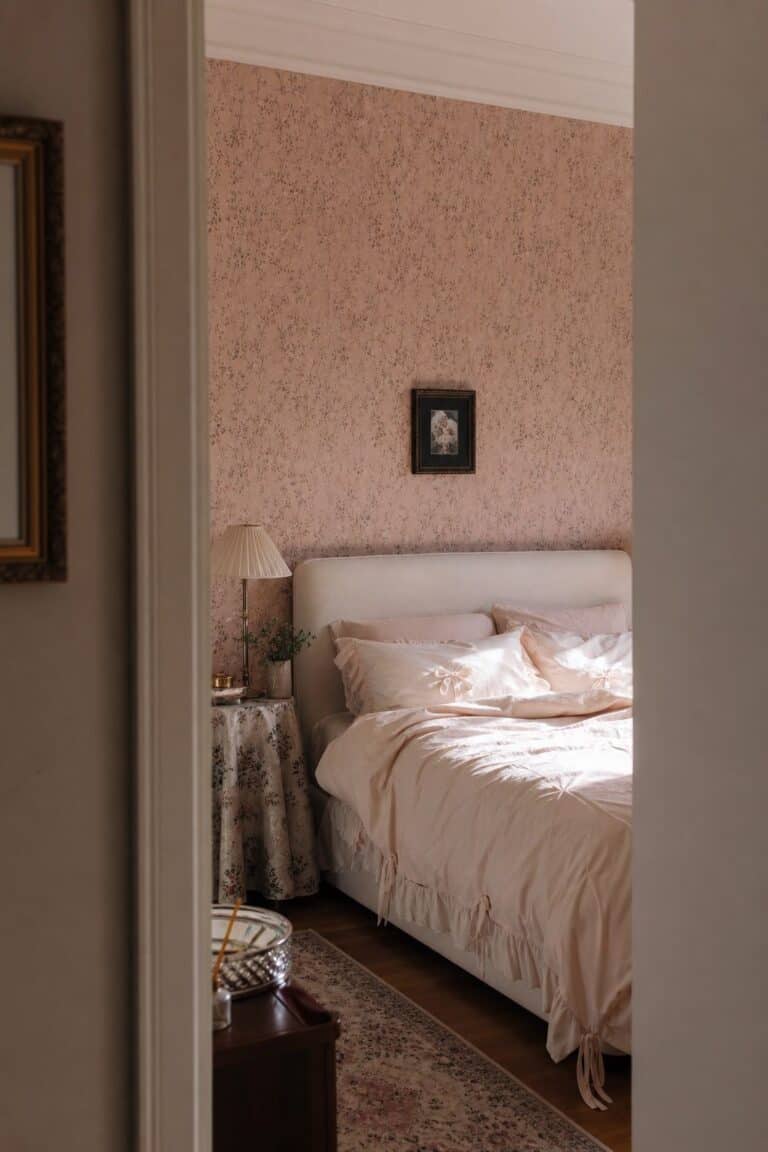
Your bedroom doesn’t need to look Instagram-perfect, but you absolutely need somewhere comfortable to sleep. Quality sheets, pillows, and a comforter are non-negotiables. Cheap, scratchy sheets make every night miserable, and good sleep affects everything else in your life.
Add blackout curtains if your windows let in too much light, plus a mattress protector. If you’re moving into an unfurnished place, even a simple bed frame keeps your mattress off the floor. A bedside lamp, alarm clock, and maybe a small fan round out the basics for a restful bedroom space.
3. Bathroom Must-Haves You’ll Use Daily
Start with the obvious: shower curtain and liner, bath mat, and towels. Get at least two full sets so you always have clean ones available. Add hand soap, body wash, shampoo, toothbrush holder, and a trash can.
Your move-out checklist should remind you to check what’s already installed, but your new place might lack storage. Consider an over-the-toilet shelf or under-sink organizers for smaller bathrooms. Stock your medicine cabinet with pain relievers, bandages, and regular medications. A plunger isn’t glamorous, but you’ll be grateful you bought one before you needed it.
4. Living Room Furniture That Sets the Tone
Your living room doesn’t need to be completely furnished immediately, but having somewhere to sit besides the floor makes a huge difference. A couch or futon serves as the anchor piece. Add a coffee table, even something simple from a thrift store.
Consider what you actually do in your living space. If you watch TV, a TV stand matters. If you’re a reader, a bookshelf and good lighting take priority. The apartment checklist should reflect your lifestyle, not some generic idea of what apartments “should” have. Make spaces functional first and pretty second.
5. Cleaning Supplies for Every Surface
Moving into a new place means cleaning everything before unpacking. Stock up on all-purpose cleaner, disinfecting wipes, paper towels, microfiber cloths, a broom, dustpan, mop, and vacuum if you have carpets.
Add specialty cleaners for wood, stainless steel, or whatever your appliances need. A bucket, rubber gloves, and scrub brushes complete your arsenal. Keep everything in a portable caddy so you’re not hunting for supplies every time you need them.
6. Basic Tools for Minor Repairs
You don’t need a full workshop, but basic tools save you from calling maintenance for every tiny thing. A hammer, screwdriver set, measuring tape, level, and picture hanging kit cover most needs. Add a utility knife, pliers, and Allen wrenches.
Keep everything in a small toolbox so you know where things are. These first apartment essentials are crucial for mounting curtain rods, assembling furniture, or hanging pictures. Check out more practical moving tips that make settling in easier. Keep super glue, duct tape, and Command strips on hand too.
7. Food Storage and Meal Prep Containers
Eating at home saves money, but you need proper storage. Invest in stackable containers that seal well. Glass costs more upfront but lasts forever and doesn’t stain or hold smells like plastic.
Add aluminum foil, plastic wrap, parchment paper, and reusable shopping bags. If you meal prep, larger containers for batch cooking make life easier. These aren’t exciting purchases, but they improve your daily routine.
8. First Aid Kit and Emergency Supplies
A well-stocked first aid kit gives you peace of mind. Include bandages in various sizes, gauze, medical tape, antibiotic ointment, pain relievers, antihistamines, and tweezers. Add any personal medications and a thermometer.
The essentials for a new home extend to emergency prep. Keep a flashlight with batteries, matches, emergency contacts, and important document copies in a waterproof container. A fire extinguisher is genuinely important safety equipment. Consider keeping an emergency fund for unexpected repairs, and learn practical money boundaries to build that safety net.
9. Laundry Supplies and Organization
Whether you have in-unit laundry or shared machines, you need supplies. Grab laundry detergent, fabric softener or dryer sheets, stain remover, and a hamper. If you’re using coin-op machines, keep a jar of quarters accessible.
The new home checklist should include an ironing board and iron if needed, plus hangers for your closet. Velvet-covered slim hangers save space and keep clothes from sliding. A drying rack helps with delicates. Create a system for sorting dirty laundry before it becomes overwhelming.
10. Office or Study Area Essentials
Even if you don’t work from home full-time, a designated workspace improves productivity. A desk and comfortable chair form the foundation, plus adequate lighting. Add basic office supplies like pens, paper, scissors, tape, and a stapler.
The new house essentials for a workspace include storage like desk organizers and file folders. Cable management keeps cords from tangling. Design your workspace to match your needs, whether that means total silence or background music.
11. Safety and Security Items
Beyond basic door locks, consider additional security like a doorstop alarm or window locks for ground-floor apartments. Test smoke and carbon monoxide detectors regularly. Keep emergency numbers posted somewhere visible.
Renter’s insurance protects your belongings from theft, fire, or water damage. It’s affordable and worth the peace of mind. Take photos of valuables and keep receipts. Document your moving out checklist for landlords with move-in condition photos, and follow these best tips for moving out smoothly.
12. Basic Pantry Staples for Cooking
Stock your pantry with basics like olive oil, salt, pepper, garlic powder, and spices you use regularly. Add flour, sugar, rice, pasta, canned beans, and canned tomatoes for versatile meals.
Include condiments you actually use and your preferred breakfast items. Focus on versatile staples that work in multiple recipes. Keep pantry items organized in clear containers so you don’t buy duplicates.
13. Entryway Organization Solutions
A small table or shelf near the entrance gives you somewhere to drop keys, mail, and sunglasses. Hooks or a coat rack keep outerwear organized instead of piled on furniture.
The apartment essentials list includes doormats for both outside and inside your door. Add a shoe rack to contain footwear and a small dish for pocket items. These organizational touches make routines smoother. Check out entryway design ideas once basics are covered.
14. Lighting Solutions for Every Room
Overhead lighting rarely provides enough illumination. Table lamps, floor lamps, and task lighting fill the gaps. Warm bulbs create cozier atmosphere than harsh cool-toned lights.
Different activities need different light levels. Reading requires focused task lighting, while relaxing benefits from softer ambient light. Layer different light sources instead of relying on one bright overhead. Consider how lighting affects your evening routine and mood.
15. Personal Touches That Make It Home
Once practical items are covered, personal touches transform your apartment into actual home. Photos, artwork, plants, throw pillows, and blankets reflect your personality. These aren’t strictly essential, but they significantly impact how you feel in your space.
Don’t rush this part. Collect things gradually as you figure out your style. Homes evolve over time, and you don’t need everything perfect immediately. Find inspiration in various home decor styles as you discover what resonates.
Final Thoughts
The reality of moving out essentials is that everyone’s list looks different based on lifestyle and budget. Cover the basics that let you function comfortably, then add items as you identify actual needs. Start with this moving into an apartment checklist and adjust for your situation.
Moving represents a fresh start and a chance to build habits that support the life you want. Whether that means organizing effectively, creating calming routines, or simply having tools to care for yourself, these essentials provide the foundation.
Your first apartment doesn’t need to be perfect, just functional and yours. Give yourself permission to figure things out as you go.
FAQs
What are the absolute essentials I need before moving into my first apartment?
Before move-in day, make sure you have bedding, towels, toilet paper, basic cleaning supplies, a shower curtain, and something to cook and eat with. These are the items you’ll need immediately. Everything else can be acquired gradually. Don’t forget chargers for your devices and any medications you take regularly.
How much should I budget for moving out essentials?
Budget anywhere from $800 to $2,000 for basic essentials, depending on what you already own and whether you’re buying new or secondhand. Kitchen items, bedding, and furniture make up the bulk of expenses. Prioritize necessities first and spread out discretionary purchases over your first few months. Check out Aster’s moving home essentials checklist for additional perspective on costs.
Can I move into an apartment with minimal furniture?
Absolutely. Many people start with just a bed, basic seating, and essential appliances. You can eat at a folding table or counter, sit on floor cushions temporarily, and gradually acquire furniture as you identify real needs versus wants. Prioritize comfort items like your bed and practical pieces that support your daily routine. Living minimally at first helps you understand exactly what you need.