
Quick Answer: The complete Europe travel checklist for 2026 starts eight weeks before you fly. Passport validity, ETIAS for late 2026, UK ETA already mandatory, travel insurance, vaccinations, accommodation bookings. Then capsule wardrobe, the right adapter, toiletries, electronics, first aid, and the one carry-on bag you can actually lift. Most of the list is easy if you start early.
Last updated: May 2026 · ETIAS launches Q4 2026, EES live April 10 2026, UK ETA mandatory since January 8 2025.
I once flew to Athens for a 10-day Greek island trip without a charging cable. Mine had fried two days earlier and I forgot to replace it. Three hours into the flight I realized, and three hours after landing I was buying an overpriced one from a kiosk in Plaka for €19. Lesson: the checklist is not optional.
There’s a moment about two weeks before any Europe trip when the planning shifts from research mode to logistics mode. Flights are booked, hotels confirmed, the rough route locked. Now you start the real list. The documents, the bookings, the bag, the small stuff you forget until you’re already at altitude.
Here’s the full Europe travel checklist I run through before every trip, with the 2026-specific stuff (ETIAS, EES, UK ETA) at the top because those are the things that actually keep you off the plane if you skip them.
Need a Europe trip checklist that walks you through every step?
The Ultimate Europe Trip Planner is built around an 8-week countdown with the docs, the bookings, the packing, and the cultural prep all laid out. Currently just $17 before the price goes up to $27.
Europe Travel Checklist Kit We Actually Use
Most of the checklist is free or already in your house. A few pieces of kit make the trip massively easier. A 22-inch hardside carry-on that survives airport handlers. Compression cubes that triple your packing capacity. A type-C-plus-type-G dual adapter for the continent and UK in one device. A TSA-approved toiletry bag so security doesn’t repack your liquids. A compact first aid kit. A 20,000mAh portable charger that handles two phones plus a Kindle on a long train day. Six picks below.
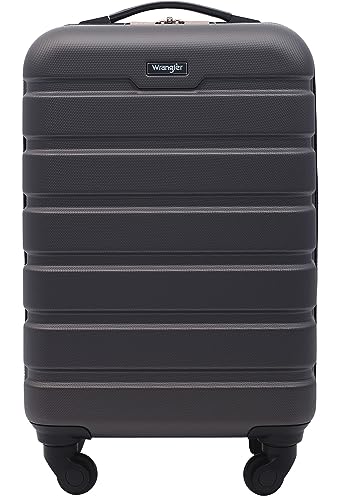



![[2-Pack] Portable Charger Power Bank 20000mAh,Ultra Slim Fast Charging Battery Pack...](https://m.media-amazon.com/images/I/41NaoQSHSSL._SL160_.jpg)
Recommended blogs to read:
- 37 Europe travel tips that save your trip
- How to plan a first Europe trip
- How to plan an Interrail trip
- What to wear in Europe in summer
- What to pack for winter in Europe
What Should You Sort Out 8 Weeks Before You Fly?
The expensive mistakes happen because of the items you should have started two months out. Get these done and the rest is fun.
1. Check Your Passport Validity
Six months past your return date is the safe rule for almost every European country. Three months works for some non-Schengen states (UK, Ireland) but six covers you everywhere. US passport renewal is currently 8-11 weeks routine, 5-7 weeks expedited. UK passport renewal is 3-5 weeks online. Don’t wait.
2. Apply for ETIAS (When It Launches)
ETIAS launches Q4 2026 with a six-month grace period into early 2027. €20, three-year validity, 96-hour processing. Required for non-EU passport holders from about 60 countries entering the Schengen Area. Apply through the official EU portal (etias-euvisa.com) at least a week before your trip. Don’t use third-party sites that charge extra.
3. Get Your UK ETA If You’re Visiting Britain
The UK ETA is mandatory since January 8, 2025 for non-UK passport holders from most countries. £10, two-year validity. Apply through the UK government site, not third parties. Airlines won’t let you board without it. If your trip includes both Britain and the continent, you need both the UK ETA and (eventually) ETIAS.
4. Book Travel Insurance
A broken ankle in Italy without insurance runs €4,000-€8,000 out of pocket. World Nomads, SafetyWing, Allianz, and Faye are the most-recommended for short-term Europe trips. Read the COVID, cancellation, and adventure-sports clauses carefully. Costs run €40-€90 for a two-week Europe trip with comprehensive coverage.
5. Get the Vaccinations You Actually Need
Europe doesn’t require vaccinations for entry from most countries. Standard recommendations: routine vaccines up to date, COVID boosters current, tetanus within 10 years. For rural travel in Eastern Europe, tick-borne encephalitis is sometimes suggested. Check with your doctor 6-8 weeks ahead if you need anything.
What Should You Book 4 Weeks Before You Fly?
The middle of the timeline. Big bookings get cheaper if you do them now; small stuff can wait.
6. Lock In Your Accommodation
4 weeks out is the sweet spot for hotel pricing. Free-cancellation rates on Booking.com or Hotels.com lock the room without commitment. For Airbnb, book earlier (6-8 weeks) for popular cities in peak season. If a hotel is offering a 20% off non-refundable rate, the math usually doesn’t work in your favor unless your dates are 100% certain.
7. Book Train Seat Reservations
High-speed and night-train reservations open 60-120 days ahead and sell out for popular routes (Eurostar London-Paris, Italo Rome-Venice, ÖBB Nightjet Brussels-Vienna). Cheap “Sparpreis” tickets on German ICE go fast. Book through national operators directly (sncf-connect.com, bahn.de, italiarail.com) rather than aggregators.
8. Reserve Major Attraction Tickets
The Vatican Museums, Sagrada Familia, Anne Frank House, Alhambra, Last Supper, Uffizi, and Sintra’s Pena Palace all require timed-entry tickets that sell out weeks in advance in peak season. Book directly through the official site for each (not via third-party “skip the line” resellers that charge double).
9. Set Up an eSIM or International Plan
Airalo, Holafly, and Saily eSIMs cost €5-€15 for 7-14 days of multi-country data. Buy and install before you fly so your phone connects on landing. Verify your phone is eSIM-compatible (most iPhones since XS, Pixels since 4a, recent Samsung Galaxy models). Alternative: most US carriers offer day-pass roaming for €10/day, useful but expensive over a long trip.
10. Notify Your Bank About the Trip
Most banks no longer require travel notifications, but check your card’s app for a travel-mode toggle. Apply for a no-foreign-transaction-fee card if you don’t have one (Charles Schwab Investor Checking, Capital One 360, Chime, Fidelity Cash Management, Wise, Revolut). Carry a backup card from a different network.
What Belongs in the Carry-On vs the Checked Bag?
Anything you’d cry about losing goes in the carry-on. Anything you can replace at a Decathlon goes in the checked bag if you check one at all.
11. Passport, ETIAS, and Boarding Pass
Passport always in the carry-on. Print or screenshot your ETIAS approval, UK ETA, hotel confirmations for the first night, and boarding passes. Have one paper copy of each. Phones die.
12. Medications + Glasses + Contacts
Prescription meds in original packaging in the carry-on, with a copy of the prescription. A spare pair of glasses and any contact lens supplies. Travel-size of any over-the-counter you use regularly (ibuprofen, antihistamines, melatonin). Italian and French pharmacies are excellent but closed Sundays and lunch hours.
13. Electronics + Chargers + Adapter
Phone, laptop or tablet if you’re working, e-reader, all the chargers, the universal adapter. Power bank for travel days. The lessons I learned in Athens: pack two charging cables, one stays in the bag, one lives by your bed.
14. One Change of Clothes
If the airline loses your checked bag, you want one full outfit and underwear in the carry-on. Lost luggage in Europe is usually resolved in 24-48 hours but you still need clothes for those days.
15. Cash Backup + Cards Spread Across Bags
€150 in euros in small denominations, split across two locations on your person. Your main card in your wallet, a backup card and ID in a hidden pocket or money belt. Never carry both cards in the same place.
How Do You Pack Smart for a Multi-Country Europe Trip?
The pack-light gospel is correct. Old European hotels often have four flights of stairs and no elevator. A bag you can carry up to the fourth floor is non-negotiable.
16. The Capsule Wardrobe (4-5 Days Worth, Wash Mid-Trip)
Two pairs of pants, four tops, one dress or button-down for nicer dinners, one waterproof jacket, one warm layer. Mix-and-match colors (mostly black, navy, or neutral). Plan to wash mid-trip at the hotel sink or a Wash and Fold laundromat (€8-€15 per load in most cities). Do not pack an outfit for every day.
17. Two Pairs of Shoes (Pre-Broken-In)
Walking shoes that have already done a 15,000-step day at home (Allbirds, Veja, On Cloud, Tropicfeel, or a leather sneaker) plus one pair of nicer shoes for dinners and museums. New shoes plus European cobblestones equals blisters by day three.
18. The Right Adapter for Where You’re Going
Most of continental Europe uses Type C or Type F sockets. The UK and Ireland use Type G. Switzerland uses Type J (different from Type C). Italy still has the older Type L in older buildings. A universal adapter handles all of them in one device. Apple chargers have built-in plug swaps; just buy the Type G or Type C insert.
19. Toiletries (and What to Buy When You Land)
Travel-size of everything you actually need. The rest you buy from a European supermarket on day one (a full-size shampoo, conditioner, sunscreen, toothpaste at Carrefour or Mercadona costs €4-€8 for everything). Saves carry-on weight and the EU products are usually excellent.
20. A Day Bag for In-City Walking
A small crossbody or anti-theft daypack that holds your phone, wallet, water bottle, snack, and umbrella. The day bag goes on your front in crowded metros (Rome, Paris, Barcelona). Avoid backpacks worn on the back in pickpocket-heavy areas.
What Should You Pack for European Weather?
The weather varies wildly by month and region. The layering principle stays constant.
21. Summer (June-August)
Light layers, cotton or linen. Southern Europe regularly hits 35-40°C now. Add a light cardigan or shawl for evenings (still cools down in Alpine and Adriatic regions) and air-conditioned trains. Sunscreen, a hat, and one pair of sandals you can walk in.
22. Spring + Fall (April-May, September-October)
The trickiest packing months. Paris can be 8°C or 22°C on the same week. Pack layers: a warm sweater, a light jacket, a waterproof shell that compresses small, scarves. One pair of closed walking shoes is mandatory.
23. Winter (November-March)
A proper warm coat (down or wool blend), waterproof boots, thermal layers, a hat, gloves, a wool scarf. Christmas market trips need everything plus thermal long underwear. Southern Spain and the Canaries stay mild (15-22°C) and need a different packing list entirely.
What Should You Sort Out the Week Before You Fly?
The final-week checklist. Most of these are quick wins.
24. Check Your Flight, Print Boarding Passes
Check-in opens 24 hours before flight. Some carriers (Ryanair especially) charge for airport check-in if you don’t online. Print boarding passes as backup; phones die, screens crack, batteries fail at the worst moments.
25. Confirm First-Night Accommodation
Email the hotel or Airbnb host with your arrival time. Confirm check-in is open when you land (many Italian B&Bs have limited hours). Save the address, phone, and offline map directions on your phone.
26. Download Offline Maps + Translation
Google Maps offline for your destination cities (download the area at 80km radius around each city). Google Translate offline for the languages you’ll need. Maps.me as a backup if Google Maps fails.
27. Set Up Your Phone for the Trip
Install the eSIM. Add your boarding passes to Apple Wallet or Google Wallet. Photograph your passport’s ID page and email it to yourself. Set up an emergency contact in your phone’s lock screen.
28. Cash + Currency
Pull €150 in small euro notes from your home bank. Bank-rate ATMs in Europe are cheaper than airport currency exchange. Save airport ATM withdrawal for emergencies (rates are bad). Skip airport currency desks entirely.
29. Notify a Trusted Person
A family member or friend gets your full itinerary, flight numbers, hotel addresses, passport copy. They’re your emergency contact if something goes sideways. Doesn’t need to be a long email, just a one-page summary.
What Should You NOT Pack?
The anti-checklist. Things people pack that they always end up not needing.
30. A Full-Size Hair Dryer
Every hotel above 2-star has one. Most Airbnbs do too. Voltage on US dryers can blow at European outlets even with an adapter. Save the bag space.
31. More Than One Book
Pack a Kindle. Books are heavy and you’ll only finish one or two. The Kindle holds 200 of them and recharges in five minutes.
32. Multiple Pairs of Jeans
One pair, maximum. Jeans take three days to dry if they get wet. Bring lighter pants (chinos, joggers, dark slacks) that wash and dry faster.
33. Brand-New Shoes
The single most common rookie mistake. Wear them at home for two weeks of long walks first. New shoes plus 20,000 daily steps equals blisters that ruin the trip.
34. Five Outfits “Just in Case”
You’ll wear the same three favorites and lug the other two around for nothing. Pack for the trip you’re taking, not the one you wish you were taking.
Want this checklist built into a real trip-planning workbook?
The Ultimate Europe Trip Planner ties the 8-week countdown together with budget, route, and city-by-city packing in one printable workbook. Currently just $17 before the price goes up to $27.
Europe Travel Checklist FAQ
What documents do you need to enter Europe in 2026?
A passport valid for six months past your return date, a return or onward ticket, proof of accommodation, and (when ETIAS launches in Q4 2026) an ETIAS approval for non-EU travelers from around 60 countries. If your trip includes the UK, you also need a UK ETA. EES fingerprint and face scans happen at every Schengen border now.
How much luggage can you bring on a Europe flight?
It depends entirely on the airline. Most legacy carriers (Lufthansa, Air France, KLM, British Airways) allow one carry-on plus one personal item plus one checked bag (23kg) in standard economy. Budget carriers (Ryanair, Wizz Air, easyJet) charge for everything except a small under-seat bag (40 x 25 x 20 cm). Pay for bags at booking, never at the airport (gate-bag fees can hit €60).
Do you need a Type C or Type G adapter for Europe?
Type C and Type F cover most of continental Europe (France, Germany, Italy, Spain, etc.). Type G is for the UK and Ireland only. Type J for Switzerland. Type L for older Italian buildings. A universal adapter handles all of them in one device. If you’re only going to one region, the single matching plug is cheaper.
What clothes should you pack for a Europe trip?
A 4-5 day capsule wardrobe: two pairs of pants, four tops, one nicer outfit, one waterproof jacket, one warm layer. Mix-and-match neutral colors. Wash mid-trip at the hotel sink or a laundromat. Two pairs of shoes (one comfortable walking pair pre-broken-in, one nicer for dinners). Skip the just-in-case extras.
Can you bring liquids in your carry-on for European flights?
100ml/3.4oz per container, all in a single 1-liter clear bag, one bag per passenger. Some airports (Schiphol, Madrid, Helsinki) now have CT scanners that allow larger liquids and laptops to stay in bags. Most still don’t. Stick to 100ml to be safe.
How early should you book a Europe trip?
Three to six months ahead is the sweet spot for flights, hotels, and major attraction tickets. Some bookings should go earlier: Eurostar reservations open 6 months ahead, popular Airbnbs in peak season book out 6-9 months ahead, and the Vatican Museums sell summer tickets months in advance. Last-minute deals exist but rarely for the dates and routes most travelers want.
Key Takeaways
- Start the checklist 8 weeks before you fly. Passport, ETIAS, UK ETA, insurance, vaccinations, accommodation, train reservations come first.
- ETIAS launches Q4 2026 at €20 for three-year validity. UK ETA is already mandatory at £10.
- Capsule wardrobe: 4-5 days of mix-and-match clothes. Wash mid-trip. Skip the just-in-case extras.
- Pre-broken-in shoes only. New shoes plus European cobblestones equals blisters by day three.
- A 22-inch hardside carry-on plus a small day bag works for almost every Europe trip up to two weeks.
- Carry-on holds: passport, meds, electronics, one change of clothes, €150 in small euro notes, copies of all docs.
- Skip: full-size hair dryers, multiple pairs of jeans, more than one book, brand-new shoes, “just in case” outfits.
Final Thoughts on Getting the Europe Checklist Right
The honest secret of Europe travel prep is that the people who enjoy their trips most are the ones who handled the boring stuff early. Documents done. Bookings locked. Bag packed light. Then the actual trip becomes the fun part instead of a series of last-minute crises. The mistakes that ruin trips are almost always the ones you could have prevented with two hours of work three weeks ahead. Start the list now. Future you will be grateful.