Quick Answer: Winter Europe packing is a three-layer system: a moisture-wicking base layer (merino wool or synthetic, never cotton), an insulating mid-layer (fleece or wool sweater), and a wind-and-water-proof outer shell (down or insulated parka). Add waterproof boots with thick rubber soles, touchscreen-compatible gloves, a warm hat, and a scarf or neck gaiter. The exact weight of each layer depends on which Europe you’re visiting. Lapland in January needs serious insulation. Vienna in December needs less. Athens or the Canary Islands in winter need a light jacket at most.
Last updated: May 2026 · Prices and opening hours verified May 2026.
The cotton sweater is what gets people. Someone steps off the plane in Helsinki in mid-January wearing a thick cotton crew-neck and feels prepared for winter. Forty-five minutes later, walking from the airport tram to the hotel in light snow, the sweater is damp from sweat against the skin, the damp wicks heat away from the body faster than the body can produce it, and what was supposed to be a warm sweater becomes the layer making them cold. The same person in a merino-wool base layer of half the thickness stays warm through the same walk.
That’s the basic point about winter Europe packing. The materials matter more than the bulk. The layering system matters more than the individual pieces. And the destination matters dramatically, because winter in the Canaries needs roughly nothing from this list while winter in Saariselkä needs all of it.
This guide walks through the layering system first (because it’s the foundation that makes everything else work), then the specific garment categories, then the regional variations across the four winter Europes (Nordic, Alpine, Central European, Mediterranean winter sun), and finally the activity-specific add-ons for ski trips, aurora hunting, Christmas markets, and city breaks. The winter destinations in Europe guide handles the destination side of this conversation.
Packing for a Europe trip that crosses winter zones?
The Ultimate Europe Trip Planner includes a region-by-region packing matrix so you bring what you need for the colder leg without dragging Arctic-grade kit through Mediterranean cities. The trip becomes lighter, easier, and noticeably less stressful at every airport transfer.
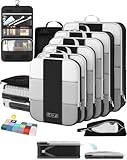
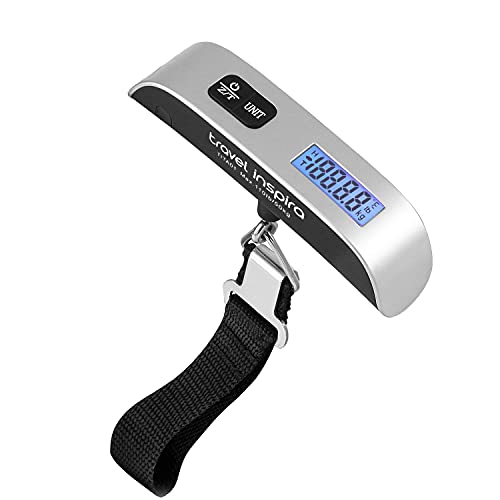
Packing Tools That Actually Help
The bag itself and the way you organize it matter as much as what’s in it. Six items that consistently come up in successful winter Europe trips.



How Does the European Winter Layering System Work?
Layering is the single most important concept for winter Europe packing. The same layered outfit that keeps you warm at minus 15°C outside the Christmas market also strips down comfortably to a single base layer inside an overheated hotel lobby. Single thick garments don’t have that flexibility, which is why the parka-over-cotton-sweater approach fails in real travel conditions.
The system has three jobs.
Layer one (base): moves sweat away from the skin so you don’t get chilled when you stop moving. Materials that handle this well: merino wool, polyester, polypropylene, silk. Materials that fail: cotton (holds moisture against the skin), bamboo blends with high cotton content.
Layer two (mid): traps air against the body for insulation. Materials that handle this well: wool sweater, fleece, down vest, synthetic insulated jacket. Cotton hoodies work as fashion but not as a real insulating layer at low temperatures.
Layer three (outer shell): blocks wind, rain, snow. Materials that handle this well: down-filled parka, hard-shell waterproof jacket, soft-shell jacket with insulation. Look for taped seams and a hood for outdoor European destinations.
The system scales. Lapland in January needs all three layers at full weight (thermal merino base, wool or fleece mid, heavy down parka outer). Vienna in December needs a lighter version (thin merino base, medium wool sweater, mid-weight insulated coat). Athens or Tenerife in January needs essentially just a single layer with a light jacket for the cooler evenings.
Base Layers
The base layer is the single most overlooked piece of winter travel kit. Two sets of merino wool base layers (top and bottom) cover the entire winter trip because the material doesn’t hold odour and can be re-worn multiple days before needing to wash. The weight is light enough that two sets fit in a packing cube.
Merino wool is the gold standard. It wicks moisture, regulates temperature in both directions, doesn’t smell after multiple wears, and feels comfortable against the skin (unlike traditional wool). Smartwool, Icebreaker, Ridge Merino, and Minus33 all make travel-quality versions. Expect to spend €60-100 per piece for proper quality. Cheaper merino blends with synthetic content work too at lower cost.
For travelers who can’t justify the merino price, synthetic technical base layers (polyester, polypropylene) work nearly as well but require more frequent washing because they hold odour. Decathlon’s Forclaz line offers strong synthetic base layers in the €15-30 range.
Skip entirely: cotton long-johns, cotton t-shirts as base layers, “thermal” garments with cotton in the fabric content. These fail at the basic moisture-management job.
Mid Layers
The mid layer is where most travelers want to invest in style as well as warmth. A good wool sweater works as both an insulating mid-layer and the visible layer once you take off the outer shell at a restaurant or hotel.
For a winter trip across multiple destinations, two mid-layers cover the trip. The first: a fitted wool or wool-blend sweater (turtleneck or crew, neutral colour, fits over a base layer without bulk) that works in restaurant and city contexts. The second: a fleece pullover or a thin down vest for layering underneath the outer shell on the coldest days.
For Lapland or Arctic Norway specifically, a down vest under a parka adds significant warmth without bulky weight, and is often the difference between comfortable and uncomfortable on the coldest aurora-chase nights.
Which Coat Should You Pack for a European Winter?
Most travelers go too light on the outer shell because they’re already wearing it during the flight and overestimate how warm it’ll feel once they’re outside the heated terminal. Two general shapes work for European winter trips.
The insulated parka. Down-filled or synthetic-insulated, fingertip-length or longer, hood with adjustable closure, waterproof outer shell. This is the right coat for Lapland, the Alps, Christmas market cities in central Europe, and any Nordic destination in December through February. Brands worth considering: Canada Goose (premium), Patagonia, North Face, Columbia, Decathlon’s Quechua line at the budget end.
The shorter wool or technical coat. Hip-length or knee-length, less bulky than a full parka, more flattering for urban-photography contexts, less warm. This works for southern European winter destinations (Italian cities, Croatian coast, Athens, Sevilla, the Algarve) and shoulder-season trips in central Europe (October, November, March). Pair with a base layer underneath for the coldest days.
For a multi-region trip that crosses both, pack the lighter coat and add layers underneath rather than packing the heavy parka for the Mediterranean leg. The parka is awkward and overwarm in southern Europe.
What Are the Best Boots for European Winter?
Wet feet in cold weather is the fastest way to ruin a trip. Spend more on boots than on any other clothing item, and bring exactly two pairs.
Pair one: insulated waterproof boots for outdoor conditions. Thick rubber sole with grip (the cobblestones of Tallinn or Prague in January are properly slippery), waterproof leather or synthetic uppers, insulation rated for the destination’s temperature range. Sorel, Sorel, Columbia, Merrell, and Kamik make travel-grade options. For Lapland specifically, look for boots rated to -30°C or colder.
Pair two: indoor or restaurant-appropriate shoes. Leather chelsea boots, ankle boots, or fashion sneakers that aren’t going through deep snow but work in heated indoor environments. Bring these because the outdoor boots are too warm and bulky once you’re inside a museum or restaurant. The pair-two shoes go in the bag during transit and come out at the hotel.
Heated insoles (battery-powered, lasting 4-8 hours per charge) extend the comfort window on the coldest aurora-chase or ski-lift days. They sit inside any boot and add roughly 5-10°C of perceived warmth at the feet, which is where most cold-weather discomfort starts.
Accessories: Hat, Gloves, Scarf, Hand Warmers
The small items make a disproportionate difference, especially for outdoor activities and aurora chasing.
A warm hat that covers the ears is non-negotiable. Wool or merino blend is best. A beanie that doesn’t cover the ears is useful only for fashion, not for cold-weather function.
Gloves split into two categories. For city use: a touchscreen-compatible glove that lets you operate a phone without removing them (essential for travel-photography contexts). For outdoor activities (aurora, snowmobile, ski): insulated mittens that trap warmth more efficiently than separated-finger gloves, paired with thin glove liners underneath. The mittens come off, the liners stay on for camera operation.
A wool or merino scarf, neck gaiter, or buff covers the neck and the lower face on the coldest days. The neck gaiter version is more versatile than a traditional scarf because it doesn’t blow loose in the wind.
Reusable hand warmers (USB-charged electric versions) extend outdoor comfort dramatically. The chemical versions also work but generate waste. Either version is worth packing for any aurora trip or Christmas market evening.
Tech, Photography, and Toiletries
A few category-specific items earn their packing space.
Power and adapter. Most of Europe uses the Type F or Type E plug (the round two-prong). The UK and Ireland use Type G (three-pin). A universal travel adapter handles both. A portable power bank (10,000-20,000 mAh) is useful because cold temperatures drain phone batteries roughly twice as fast as normal, which surprises first-time winter travelers when their phone dies after 90 minutes outdoors.
Photography. Bring more camera batteries than you think you need (cold halves their effective life). Keep spare batteries in an inside pocket close to body heat. A camera dry bag prevents condensation when moving from cold outside to warm indoors. A tripod is non-negotiable for aurora photography and useful for low-light street photography.
Skin care. Heated indoor air in winter Europe is dry. A heavier face moisturiser, lip balm with SPF (snow reflects UV), and hand cream all matter more than at home. Many travelers underestimate how much winter conditions dry out skin until day three of the trip.
Packing by Region
Different parts of winter Europe need substantially different packing weights.
Nordic and Arctic Winter (Lapland, Iceland, Tromsø)
Maximum kit. Heavy merino base layer, heavy mid-layer (wool sweater plus fleece pullover), proper down parka rated to at least -20°C, insulated boots rated to -30°C, mittens plus liners, neck gaiter, balaclava for the coldest aurora nights. The activity-tour operators in most Lapland destinations will supply outer thermal coveralls for husky and snowmobile tours, but your own daily-wear kit needs to handle aurora chases and walking between accommodations. The winter in Finland guide covers the practical packing for the Finnish version of this trip.
Alpine Winter (Italian Dolomites, Austrian Alps, Swiss Alps, French Alps)
Heavy kit but slightly different. The Alps tend to be drier than the Nordic countries, with more sunshine and lower wind. Ski-specific kit is usually rented at the resort rather than packed (skis, boots, helmet, goggles), but the off-slope clothing matters: merino base, wool sweater, insulated parka, waterproof boots for walking the village, and a separate change of clothes for the après-ski dining culture which runs more dressed-up than the Nordic equivalent. The Italy travel guide covers the Italian Alps context.
Central European Winter (Vienna, Prague, Berlin, Budapest, Tallinn)
Medium kit. Temperatures average 0 to minus 5°C in January and February. A thinner merino base layer, a wool sweater, an insulated coat (not as heavy as a Lapland parka), waterproof boots with moderate insulation, hat and gloves. The Christmas market evenings get cold standing still for an hour, so a neck gaiter and hand warmers matter. The Estonia travel guide includes the Tallinn version of this trip.
Mediterranean Winter (Canaries, southern Spain, Crete, Algarve, Croatian coast)
Light kit. Daily highs sit between 12 and 22°C depending on the destination. A long-sleeve cotton tee or thin sweater is the heaviest layer needed most days. Bring a light jacket for the evening, a scarf for transitions, and the cooler-weather shoes (closed-toe leather boots, not snow boots). The Spain travel guide, Greece travel guide, Portugal travel guide, and Croatia travel guide all cover their winter trip variants.
Packing by Activity
Activity-specific add-ons matter as much as the base packing list.
For ski trips: goggles (cheap rental versions exist but a personal pair fits better), helmet (often rentable but check sizing), waterproof shell pants if doing extensive backcountry, hand warmers, sunscreen and lip balm with SPF (high-altitude sun is intense).
For aurora hunting: tripod (essential), extra camera batteries, hand warmers, heated insoles, thermos for hot drinks during long stationary viewing periods.
For Christmas markets: small umbrella for rainy December days, hand warmers for evening market hours, cross-body or anti-theft bag for crowded market settings, comfortable walking shoes (markets involve hours of standing and slow walking).
For winter city breaks: one nice outfit for restaurants and theatre venues (winter Europe runs more dressed-up than summer Europe), an umbrella (winter rain is more reliable than winter snow in most central European cities), waterproof shoes that still look acceptable indoors.
Can You Do Winter Europe in a Carry-On?
Yes, with discipline. The trick: wear the bulkiest items during the flight (parka, snow boots, scarf) so they don’t count against your carry-on weight or volume allowance. Pack thinner base layers, lighter mid-layers, and one set of indoor shoes. Use compression packing cubes to fit volume. Plan to do laundry once or twice during a 10-14 day trip rather than packing fresh clothes for every day.
The carry-on approach works best for single-region trips (Lapland-only, or central Europe-only). Multi-region trips that cross weather zones almost always require checked bags because the kit doesn’t compress enough for both extremes.
What to Leave Behind
Cotton sweaters as primary insulation. Jeans for cold-weather walking (denim holds moisture, freezes when wet, doesn’t insulate). Open-toe shoes. Light canvas sneakers. Anything that says “fast-drying” without confirmation that it’s actually moisture-wicking (sometimes marketing language for cotton blends). Bulk-quantity toiletries (Europe sells everything, no need to pack a month of shampoo). Extra electronics you won’t use (multiple chargers for devices you won’t bring).
For Lapland and Arctic Norway specifically, leave behind any expectation that fashion outerwear (peacoats, trench coats, fashion leather jackets) will be adequate. They look beautiful and fail at the basic insulation job at minus 15°C.
Packed for one Europe and headed to another?
The Ultimate Europe Trip Planner pairs the packing matrix with the trip-routing logic so you know exactly which layers come out for each city and which stay in the bag. The trip moves smoother and the bag feels lighter at every transfer.
| Region | Layers needed | Boot type | Extra gear |
|---|---|---|---|
| Mediterranean (Spain, Italy south) | Light layers, sweater | Walking shoes | Light scarf |
| Central (Vienna, Prague, Paris) | Wool coat + 2 layers | Waterproof leather | Hat + gloves |
| Alpine ski | Insulated jacket + thermal | Waterproof boots | Ski-specific |
| Nordic / Arctic | Down parka + 3 layers | Insulated to -30°C | Balaclava, hand warmers |
Winter Packing Questions That Come Up
Are jeans warm enough for winter Europe?
For mild central or southern European winter, yes. For Lapland, the Alps, or Arctic Norway, no. Denim doesn’t insulate well, freezes when damp, and gets uncomfortable fast in temperatures below minus 10°C. The substitute is thermal-lined trousers, wool trousers, or insulated soft-shell pants over a base layer.
Do I need to bring winter gear or can I buy it there?
For specialized cold-weather gear (heavy parkas, snow boots), Europe sells better options at competitive prices in destinations like Tromsø, Rovaniemi, or Reykjavik than you’ll find in many home markets. The trade-off: spending a chunk of trip time gear-shopping. If you’re committing to a Lapland or Arctic trip, buying locally is genuinely viable, but it cuts into your first day. Bringing the gear with you preserves the trip days for the actual activities.
What is the worst packing mistake for winter Europe?
Wearing cotton as the base layer against the skin. Cotton holds moisture from sweat and outdoor humidity, the moisture conducts heat away from the body, and what was supposed to be a warm layer makes you cold. The fix is merino wool or synthetic technical base layers as the foundation under everything else.
Do I need different gear for Lapland versus Vienna?
Yes, substantially. Lapland in January averages minus 15 to minus 20°C with deep snow and dry conditions. Vienna in December averages 0 to plus 4°C with occasional rain. The Lapland kit (heavy parka, snow boots, mittens with liners) is awkward and overwarm in Vienna. The Vienna kit (insulated coat, ankle boots, lighter gloves) is dangerously underprepared for Lapland.
Is wool or fleece a better mid-layer?
Wool layers look better in restaurant and city contexts and don’t hold smell. Fleece is warmer per unit weight and dries faster if it gets wet. For most travelers a wool sweater plus a fleece or down vest covers both jobs. For Arctic destinations specifically, fleece tends to win on warmth-to-weight ratio.
How many outfits should I plan for a 10-day winter trip?
5-6 day outfits, 2 evening or restaurant outfits, plus the layered system on top. Merino base layers and wool sweaters can be re-worn multiple days because they don’t hold odour. Pants can rotate across 3-4 pairs for 10 days. Underwear and socks are the only items that genuinely need daily fresh pairs, and they pack small enough not to matter.
Key Takeaways
- Winter Europe packing runs a three-layer system: moisture-wicking base (merino wool), insulating mid (fleece or wool sweater), and wind-and-water-proof outer shell (down parka or hard shell).
- Cotton is the worst base-layer choice. It holds sweat against the skin and conducts heat away. Merino wool is the gold standard.
- Pack by region: Nordic Arctic, Alpine, Central European, and Mediterranean winter all need substantially different layer weights.
- Pack by activity: ski trips, aurora hunting, Christmas markets, and city breaks each have specific add-ons (goggles, tripod, hand warmers, umbrella).
- Carry-on works for single-region trips. Multi-region trips that cross weather zones almost always need checked bags.
- Bring extra camera batteries and keep spares in inside pockets close to body heat. Cold halves battery life roughly within an hour.
Pack for the Trip You’re Actually Booking
The packing list collapses when you start with the trip type rather than the temperature. A Lapland aurora trip needs different kit from a Vienna Christmas market trip, which needs different kit again from a Canaries winter sun trip. Match the gear to the destinations the booking actually involves. The layering principle holds across all of them. The specific items adjust by weight and warmth rating.
The winter outfits for women guide handles the style-side of the packing conversation if you want a more outfit-formula approach.
I liked your tip on long johns and also on sports clothing. Being from a tropical place, I know I’m not at all prepared for the European winter, but I still would love to visit Europe in this season and your tips come in handy.
They are very important!
long johns are a big a thing here. as a dock worker in winter at 6 am (live on border of canada and america) you are going to want those. work wonderfully.
Very essential in colder climates thats for sure!
I have yet to experience winter but I would not mind these tips let alone the gear. It will be useful during cold days.
Bookmark it for future reference 😀