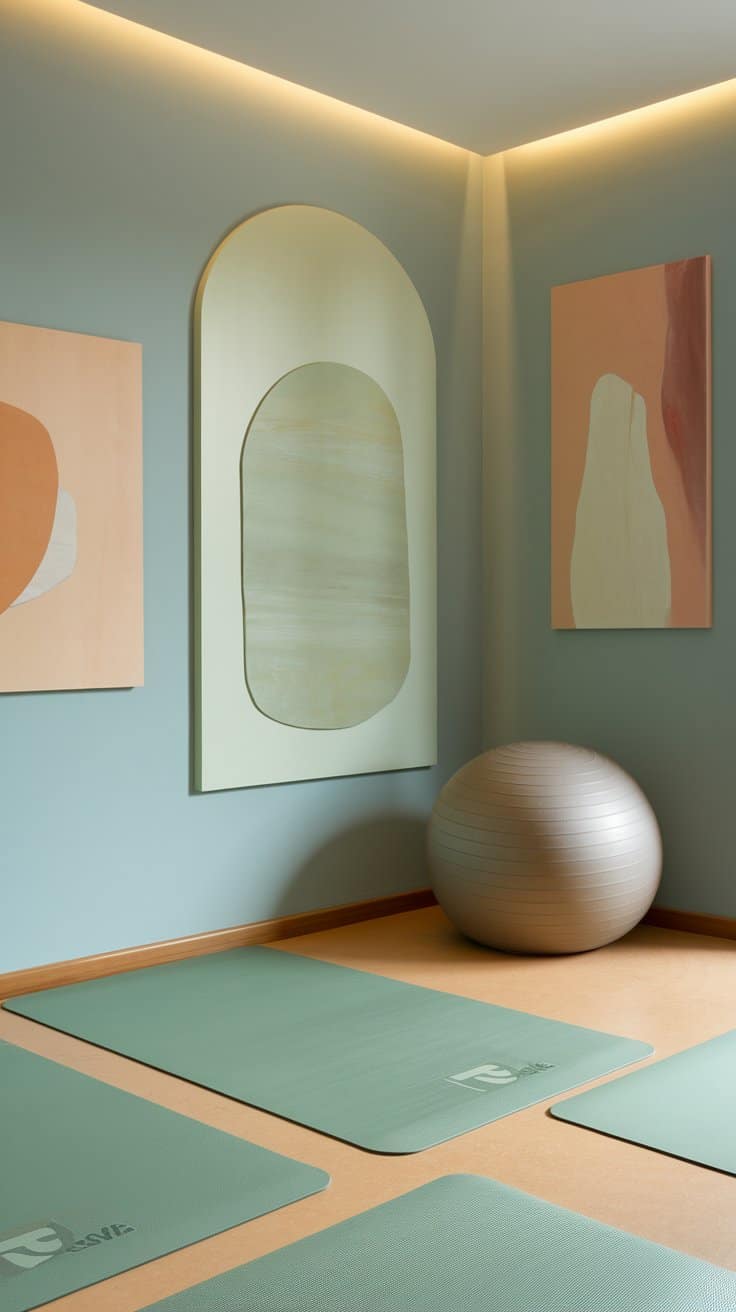
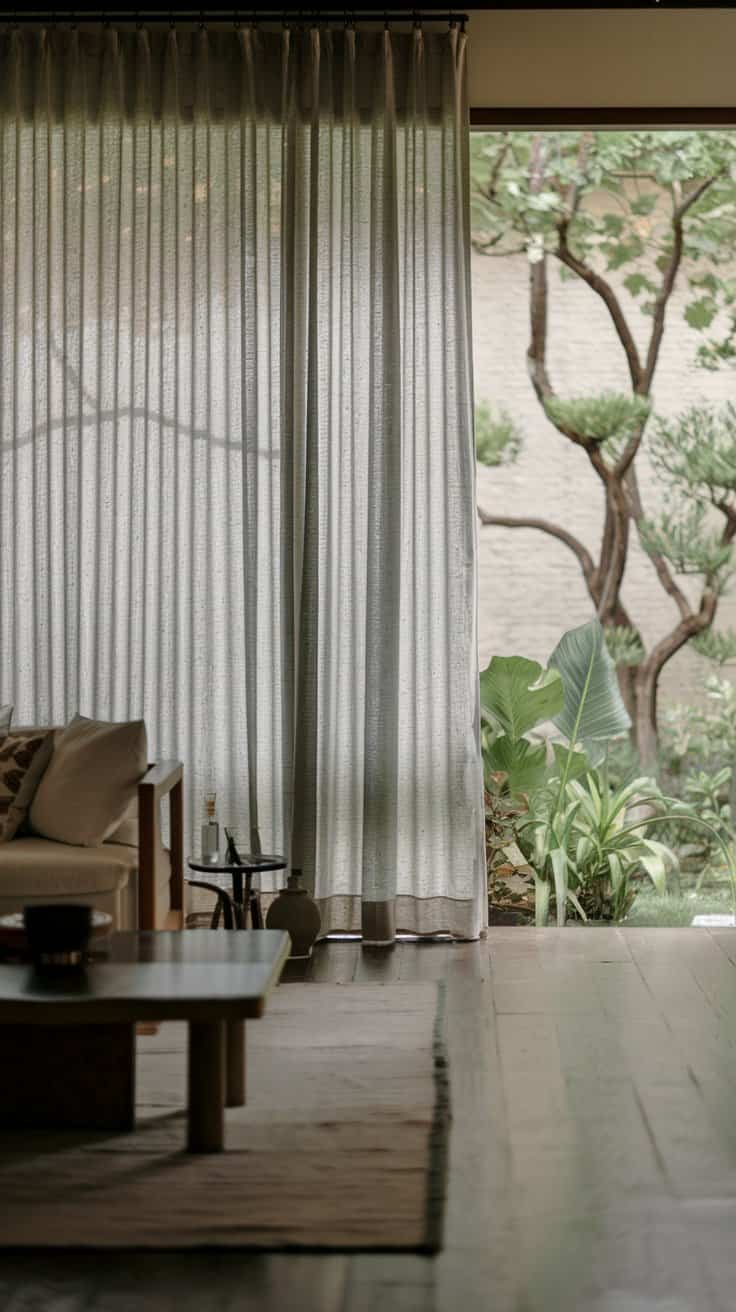
Bring actual calm to your chaos with these Zen home decor ideas that create peaceful spaces without requiring monastery-level commitment. Get meditation corner setups, natural material choices, and lighting tricks that genuinely help you relax instead of just looking pretty.
What You’ll Learn From This Post:
- 10+ distinct Zen-inspired room setups from full meditation spaces to small calming corners that fit real homes with real clutter
- Natural materials, color palettes, and lighting strategies that actually affect your mood rather than just following design trends
- One simple DIY project plus budget-friendly alternatives proving peaceful spaces don’t require trust fund budgets
Your home probably doesn’t feel very Zen right now. There’s clutter on every surface, your walls are screaming at you in colors you picked five years ago and now regret, and the idea of having a dedicated meditation space feels laughable when you can barely find space for your winter coats. I get it.
But here’s the thing about zen home decor: it’s not about achieving perfect minimalism or spending thousands on handcrafted Japanese furniture. It’s about intentionally creating pockets of calm in your regular messy life. A corner that doesn’t stress you out. A bedroom that actually helps you sleep. A living room where your nervous system can finally take a break.
Below are actual room ideas ranging from full meditation spaces to small adjustments that shift entire room vibes. These work whether you’re decorating from scratch or trying to zen-ify the chaos you’re currently living in.

Zen Home Decor Ideas for Real Peaceful Living
1. Dedicated Meditation Corner with Floor Cushions
Meditation room ideas start with carving out intentional space, even if it’s just a corner. I position a comfortable floor cushion or meditation pillow in a quiet corner away from high-traffic areas, add a small low table or shelf for candles and meaningful objects, hang a simple piece of calming art or leave the wall empty, incorporate a small plant for life and air purification, and use a room divider or curtain if privacy helps.
The dedicated space signals to your brain that this spot is for calm, not scrolling Instagram or folding laundry. Even 3×3 feet works. The key is consistent use making this corner feel sacred and separate from daily chaos.
Quick tip: Start with just the cushion in the corner. Add elements slowly as you actually use the space rather than over-decorating before knowing what you need. Let the space evolve with your practice instead of creating Pinterest perfection that intimidates you into not using it.
2. Neutral Color Palette with Natural Wood Tones
Zen room ideas embrace colors that calm rather than energize. I paint walls in soft neutrals like warm white, pale gray, or subtle beige, incorporate natural wood furniture and accents for warmth, add textiles in cream, sand, soft gray, or muted sage green, avoid bright or highly saturated colors that demand attention, and let one or two plants provide the only vivid color through greenery.
The neutral palette doesn’t bore your eyes with constant stimulation. Your nervous system can actually rest in these spaces rather than processing visual information constantly. This matters more than it sounds like it should.
Quick tip: If you can’t repaint, soften existing wall colors with neutral textiles, large neutral art pieces, and white or cream curtains. The overall impression matters more than perfect walls. Similar neutral foundations work across zen modern home decor ideas for different aesthetics.
3. Low Platform Bed for Zen Bedroom Grounding
Zen bedroom ideas often include low beds connecting you closer to earth. I use a platform bed frame sitting low to ground or even just a mattress on a simple platform, choose minimal headboard or skip it entirely, add simple bedding in natural fibers like linen or cotton, keep nightstands minimal with just essentials, and remove everything unnecessary from the room making sleep the clear priority.
The low bed creates different room proportions making ceilings feel higher and space more expansive. It also eliminates the under-bed clutter trap since there’s no under-bed storage tempting you to shove stuff there and forget it exists.
Quick tip: If a new bed frame isn’t happening, just remove bed skirts and under-bed storage clearing visual space. The effect of emptiness matters as much as the actual bed height. Check out more how to create a zen room at home guidance for additional styling strategies.
4. Natural Materials Throughout Space
Zen home decor prioritizes natural materials over synthetic ones. I incorporate wood furniture and accents, use cotton, linen, or wool textiles, add stone or ceramic decorative objects, include bamboo blinds or screens, choose jute or sisal rugs, and avoid plastic, vinyl, or obviously synthetic materials wherever possible.
Natural materials create different sensory experiences than manufactured ones. They age beautifully rather than just looking worn out. They connect indoor spaces to nature in subtle ways your body responds to even if your conscious brain doesn’t notice.
Quick tip: You don’t need to replace everything at once. Start by swapping synthetic textiles for natural fibers and adding one or two wood or stone pieces. The gradual shift still creates impact without overwhelming your budget or creating waste. Similar material thinking guides zen chic home decor ideas for elegant spaces.
5. Minimalist Living Room with Essential Furniture Only
Zen living room styling removes everything unnecessary. I keep only furniture that serves clear purposes, choose pieces with clean lines and simple forms, create generous space between furniture items, eliminate decorative objects that don’t bring genuine joy or meaning, and resist the urge to fill every surface and corner.
The emptiness isn’t deprivation, it’s spaciousness. Your eyes need somewhere to rest. Your mind needs room to breathe. Every item competing for attention creates low-level stress you don’t consciously notice but definitely feel.
Quick tip: Remove 30% of what’s currently in your living room. Box it up and live without it for a month. If you don’t miss specific items, donate them. If you do miss something, bring only that item back. This experiment reveals what you actually need versus what’s just there. The approach works for living room zen home decor ideas and coastal living room decor ideas equally.
6. Japanese Screen Divider Creating Zones
Meditation room designs benefit from subtle separation without solid walls. I use a shoji screen or simple room divider, create visual boundary between meditation space and rest of room, choose screens in natural wood or paper for authentic feel, position to block visual distractions while maintaining light flow, and use screens to hide storage or less attractive areas.
The screen provides psychological separation helping your brain shift into meditation mode while maintaining open floor plan flexibility. It’s particularly useful in studio apartments or shared bedrooms where dedicated rooms aren’t possible.
Quick tip: Tension rods with hanging fabric panels work as budget screen alternatives. Use linen or cotton in neutral colors creating similar visual separation at fraction of the cost. The boundary matters more than authentic Japanese screens if budget is tight.
7. Single Statement Artwork or Empty Wall
Zen decorating embraces negative space as design element. I hang one meaningful piece of art or calligraphy, leave walls mostly empty letting the single piece breathe, choose serene subjects like landscapes, abstract minimalism, or simple line drawings, avoid busy gallery walls or cluttered arrangements, and consider leaving walls completely empty if that feels more peaceful.
Western decorating assumes every wall needs covering. Zen philosophy treats emptiness as valuable. The relief your eyes feel looking at empty wall space is real and restorative. Not everything needs ornamentation.
Quick tip: If empty walls feel wrong at first, start with one room or one wall. Live with it long enough for your brain to adjust from “needs decorating” to “this is peaceful.” The mental shift takes time but changes how you see your whole space.
8. Natural Light Maximization with Simple Window Treatments
Meditation room decor ideas prioritize natural light over artificial when possible. I use sheer linen or cotton curtains allowing light diffusion, keep window treatments minimal, remove heavy drapes that block light, clean windows regularly, position meditation or sitting areas near windows when possible, and supplement with warm soft artificial light only when necessary.
Natural light regulates circadian rhythms, affects mood, and connects you to time of day and season. Maximizing it improves mental health more significantly than most design choices. This isn’t just aesthetic preference, it’s biological need.
Quick tip: Remove anything blocking windows, even if you loved those plants or shelves when you placed them there. Light’s benefits outweigh decorative choices. Move the items to spots that don’t sacrifice your main natural light sources. Similar light prioritization helps zen home office decor ideas support productivity.
9. Stone Garden or Desktop Zen Garden
Meditation room design can include traditional zen gardens scaled appropriately. I create small zen garden using shallow tray, sand, small stones, and miniature rake, position on shelf or table where you’ll see it regularly, use it for brief meditation or stress relief by raking patterns, keep it simple rather than elaborate, and clean it monthly so sand stays fresh and inviting.
The sand garden provides tactile meditation tool engaging your hands while calming your mind. The repetitive raking creates patterns that satisfy without requiring artistic skill. It’s essentially fidget spinner for adults but way more peaceful.
Quick tip: Dollar stores sell small trays perfect for DIY zen gardens. Add sandbox sand from hardware stores and smooth stones from your yard or craft stores. The whole project costs under $10 and makes thoughtful gifts too.
10. Low Seating with Floor Pillows
Zen themed bedroom or living spaces benefit from low furniture bringing you closer to ground. I use large floor cushions or poufs for seating, add low coffee table or eliminate it entirely, create conversation areas on floor level, include back support cushions for comfort during long sitting, and store cushions easily when needing floor space for other activities.
Floor sitting changes room dynamics completely. It feels more relaxed and intimate. It also forces you to actually get comfortable rather than perching on edge of couch scrolling your phone in terrible posture.
Quick tip: Start with one or two floor cushions before committing to low furniture. See if you actually use and enjoy floor sitting before replacing existing furniture. Some people love it, others prefer regular seating, and knowing your preference before spending money matters.
11. Single Indoor Plant as Focal Point
Zen room decor uses plants as living sculpture rather than collections. I choose one beautiful statement plant, position it prominently where it gets proper light, select simple pot in natural material, give the plant generous space around it, and resist adding more plants just because space exists.
One really good plant commands attention and brings life to space without creating visual clutter that defeats the zen purpose. The restraint is part of the design, not a limitation.
Quick tip: Fiddle leaf fig, monstera, snake plant, or ZZ plant all work as statement pieces requiring minimal care. Choose based on your light conditions and watering attention span, not just looks. Dead plants aren’t peaceful, they’re stressful guilt trips.
12. Bamboo Accents Adding Natural Texture
Meditation room ideas on a budget include bamboo as affordable natural material. I incorporate bamboo blinds for windows, use bamboo bath mat in meditation space, add small bamboo accessories like incense holder or water fountain, choose bamboo shelf for minimal storage, and mix with other natural materials preventing too-coordinated look.
Bamboo grows quickly making it sustainable and affordable. It brings warm natural texture without heaviness of solid wood. The slight color variation in bamboo adds organic interest that manufactured materials can’t replicate.
Quick tip: Bamboo items from home stores often have visible glue lines or chemical smells initially. Air them out before using in meditation spaces. Natural bamboo without heavy processing looks and smells better than manufactured bamboo products forcing it into unnatural forms. Similar natural material choices enhance zen boho home decor ideas for layered textures.
13. Essential Oil Diffuser or Incense Station
Zen home decor ideas on a budget include scent as powerful mood shifter. I set up small station with essential oil diffuser or incense holder, choose calming scents like lavender, sandalwood, or cedar, use sparingly rather than overwhelming space, position near meditation area but not so close you’re breathing it directly, and clean regularly preventing oil buildup.
Scent affects limbic system and memory more directly than visual input. The right scent can shift your nervous system into calm mode almost immediately. This isn’t woo-woo, it’s biology.
Quick tip: Start with one scent you genuinely like rather than buying what you think you should like. If lavender makes you think of your annoying aunt’s bathroom, it won’t calm you no matter how many studies say it should. Your personal associations matter more than general research.
14. Soft Layered Lighting Instead of Overhead Harshness
Calming zen living room styling tips depend heavily on lighting quality. I eliminate or dim harsh overhead lights, use 2-3 lamps at different heights, choose warm bulbs (2700-3000K), add dimmer switches for flexibility, include candles for evening ambiance, and avoid blue-toned or LED lights that feel institutional.
Harsh overhead lighting triggers stress responses your body learned from office environments. Soft layered lighting lets your nervous system believe it’s safe to relax. This matters more than almost any other design choice for actual room functionality.
Quick tip: Replace your current bulbs with warm-toned versions before buying new lamps. The bulb color temperature affects room feeling more than the actual fixtures. This costs maybe $20 and creates immediate improvement. Lighting principles apply across bedroom zen home decor ideas and other spaces too.
15. Clear Surfaces with Hidden Storage
Minimalist zen bedroom guide includes strategic storage keeping surfaces empty. I use bed frames with built-in drawers, choose nightstands with doors or drawers hiding contents, install floating shelves with minimal items displayed, use decorative boxes or baskets containing necessary items while looking intentional, and adopt “one in, one out” rule preventing accumulation.
Clear surfaces signal to your brain that nothing needs doing, deciding, or organizing. Every visible item creates tiny mental tasks even if subconscious. The visual rest matters enormously for actual mental rest and quality sleep.
Quick tip: Spend one weekend clearing all surfaces completely. Live with empty surfaces for a week noticing how you feel before deciding what actually needs returning. Most items you thought were essential turn out to be habit, not necessity. The clarity experiment changes perspective permanently.
Setup and Styling Tips
Starting Small Without Full Renovation
Step-by-step meditation room setup begins with one element at a time. I suggest starting with dedicated cushion in chosen corner, adding one calming element like plant or candle, gradually removing visual clutter from the area, improving lighting if needed, and expanding only after using the basic space consistently for a month.
The slow build prevents overwhelming yourself with complete room transformation you never finish. It also lets you understand what you actually need versus what looks good in photos. Your zen space should support your actual practice, not Instagram aesthetic.
Quick tip: Set phone timer for 5 minutes daily sitting in your developing zen space doing nothing. Just sitting. The practice reveals what the space needs more accurately than any design guide can tell you.
Color Palette Selection for Peace
Zen room color palette ideas follow nature’s lead. I recommend warm whites, soft grays, beiges, taupes, and creams as base colors, adding muted sage green, soft blue-gray, or warm earth tones sparingly, avoiding pure white (feels clinical) and pure black (feels heavy), and ensuring all colors exist in nature in forms you find calming.
Color psychology affects everyone differently based on personal associations and cultural context. Trust your gut about which “zen” colors actually calm you rather than following rules that don’t match your experience.
Quick tip: Paint sample squares on poster board and live with them in the room for a week observing how they feel at different times of day and in different moods. Colors behave differently in artificial versus natural light and your response changes based on mental state.
Natural Materials Sourcing Affordably
Natural materials for a zen home don’t require luxury budgets. I source cotton and linen from discount stores or thrift shops, buy bamboo items from home goods stores, collect smooth stones from outside or buy in bulk from garden centers, choose wood furniture secondhand, find ceramic pieces at thrift stores, and prioritize natural over expensive.
Zen philosophy values simplicity and natural materials over luxury branding. A smooth river rock you found yourself holds more meaning than expensive crystal bought online. The material matters, not the price tag or brand. Similar thoughtful sourcing helps zen garden home decor ideas stay affordable.
Quick tip: Thrift stores, estate sales, and Facebook Marketplace offer natural material furniture and accessories at fraction of retail prices. Most zen aesthetic pieces are timeless styles staying trendy, so secondhand shopping works perfectly.
Maintaining Spaces Without Perfectionism
Zen decorating requires maintenance but not perfectionism. I reset spaces daily with 5-minute tidy, dust weekly preventing buildup that overwhelms, put items back in designated homes immediately, periodically remove items no longer serving purpose, and accept that imperfection is normal and human.
Zen isn’t about perfect sterile spaces. It’s about intentional peaceful spaces that get lived in and require gentle consistent maintenance rather than intensive periodic deep cleans. The practice of maintaining your space is part of the zen practice itself.
Quick tip: If maintenance feels like burden rather than calming ritual, your space has too much stuff or requires too much upkeep. Simplify until maintenance actually feels manageable and possibly even meditative.
DIY Floating Shelf for Minimal Display
Create simple floating shelf for small zen display. Cut wood board to desired length (mine is 24″ x 8″), sand all edges smooth, stain or paint if desired (I used natural wood oil), install hidden floating shelf brackets on wall studs following manufacturer instructions, mount board on brackets, and display 1-3 meaningful items only.
The shelf provides dedicated display space for items that matter while maintaining empty wall space around it. The floating design looks light and modern rather than heavy and traditional. This costs maybe $30-40 total including brackets.
Quick tip: Drill pilot holes before screwing brackets to wall preventing wood splitting. Use level ensuring shelf is straight because wonky shelves create subtle visual stress defeating the zen purpose entirely.
Final Thoughts
The best Zen home decor ideas create actual calm in your daily life rather than just looking serene in photographs. Your space should function as sanctuary from chaos, not another item on your to-do list requiring maintenance and perfection.
Start small with one corner or room, use materials and colors that genuinely calm your specific nervous system, and let the space evolve with your needs rather than forcing adherence to rigid aesthetic rules. Zen philosophy values authenticity and simplicity over external validation and perfectionism.
If you’re organizing your home transformation journey and tracking purchases, check out The Ultimate Budget Planner to manage spending on home improvements. For maintaining balance while creating your peaceful space, grab The Self-Care & Wellness Planner. Find more home and lifestyle content at Oraya Studios.
Now go create one small peaceful corner and actually use it regularly before worrying about perfecting the rest of your house. That corner matters more than you think.
FAQs
How do you create a zen room on a budget?
Start with clearing clutter completely, paint walls neutral colors, add floor cushion for meditation, incorporate one plant, use natural light primarily, and source natural materials secondhand. These zen home decor ideas on a budget create peaceful space for under $100 through editing and intentional choices rather than expensive purchases.
What colors work best for zen bedrooms?
Warm white, soft gray, beige, taupe, and muted sage green create calming environments supporting sleep. Avoid bright or highly saturated colors that energize rather than calm. These zen room color palette ideas balance neutral bases with subtle natural color accents found in nature.
Do I need a separate meditation room?
No, a corner or designated spot works perfectly. Use floor cushion, simple wall hanging, and perhaps room divider creating psychological boundary. This step-by-step meditation room setup functions in any home size without requiring dedicated rooms most people don’t have available.