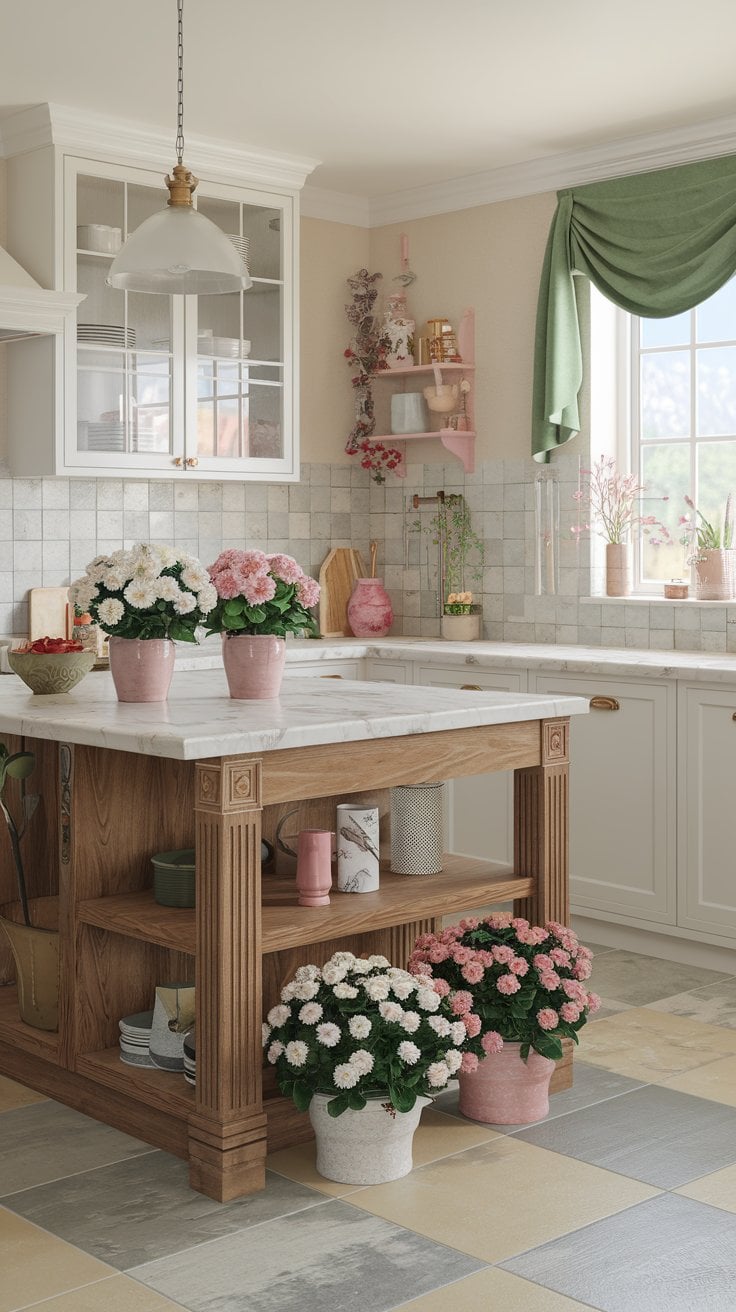
Revamp your space with these mid-century modern kitchen ideas! Discover how to blend retro charm with modern functionality for a stylish, timeless look.
If you love the clean lines, bold colors, and functional beauty of mid-century modern design, why not bring that style into your kitchen? A mid-century modern kitchen blends vintage aesthetics with practical features, creating a space that’s both stylish and highly functional. Whether you’re doing a full renovation or making small updates, the right design elements can transform your kitchen into a timeless masterpiece.
Mid-century modern kitchens are all about simplicity, natural materials, and statement-making accents. Think sleek cabinetry, geometric tiles, warm wood tones, and pops of color. This design style embraces a mix of organic elements and futuristic touches, making your kitchen feel both cozy and cutting-edge.
Let’s dive into 15 of the best mid-century modern kitchen ideas to help you create a space that feels both retro and contemporary at the same time.
Key Takeaways:
- Flat-front wooden cabinetry and open shelving define the style
- Bold geometric backsplashes and vibrant color palettes add a fun retro feel
- Natural materials like wood, terrazzo, and stainless steel enhance the aesthetic
- Lighting, furniture, and decor choices make a big impact in a mid-century kitchen
Transform Your Space with Mid-Century Modern Kitchen Decor
Install Flat-Front Wooden Cabinetry

A hallmark of mid-century modern kitchens is flat-front wooden cabinetry. Unlike ornate cabinets with excessive detailing, mid-century cabinets feature smooth, unembellished doors that highlight the beauty of natural wood. This sleek and minimal aesthetic helps keep the kitchen looking clean and uncluttered.
Wood tones like walnut, teak, and oak are particularly popular in mid-century kitchens. These warm hues create a welcoming atmosphere while maintaining a timeless appeal. Flat-front cabinets work especially well when paired with simple, understated hardware or push-to-open mechanisms for a completely seamless look.
Decor Tip: To keep your cabinetry feeling fresh, pair wood tones with white or pastel-colored walls and opt for floating shelves in matching wood to display stylish dishware and accessories.
Incorporate Bold, Geometric Backsplash Tiles

A geometric backsplash is a fantastic way to add personality to your mid-century modern kitchen. This design element brings in visual interest and contrasts beautifully with the clean lines of cabinetry and countertops. Popular patterns include honeycomb, chevron, herringbone, and starburst designs.
Opt for colors that reflect the mid-century era, such as teal, mustard yellow, burnt orange, or olive green. Pairing bold patterns with neutral cabinetry helps balance the space, ensuring the design doesn’t become overwhelming.
Decor Tip: If you’re hesitant about committing to a bold tile, consider using patterned tiles on just one wall or as an accent behind the stove to create a focal point.
Use Vibrant, Retro Color Palettes

Mid-century modern kitchens embrace playful and bold colors that bring energy to the space. While neutral tones act as a foundation, retro hues like aqua, avocado green, mustard yellow, and burnt orange make a statement.
Rather than painting all the walls in a bright shade, use color strategically. Cabinet doors, backsplash tiles, and even appliances can introduce vibrant hues without overwhelming the room.
Decor Tip: For a cohesive look, balance bold colors with warm wood tones, white countertops, and subtle metallic accents to create harmony.
Choose Sleek, Minimalist Hardware

Hardware plays a bigger role in kitchen aesthetics than you might think. In a mid-century modern kitchen, cabinet pulls and drawer handles should be sleek and understated to maintain the clean lines of the design.
Brushed brass, matte black, and chrome are popular finishes for mid-century hardware. Avoid overly ornate designs and opt for simple bar handles or discreet knobs that don’t overpower the cabinetry.
Decor Tip: For an ultra-minimal look, try recessed or edge-pull handles that blend seamlessly with the cabinetry.
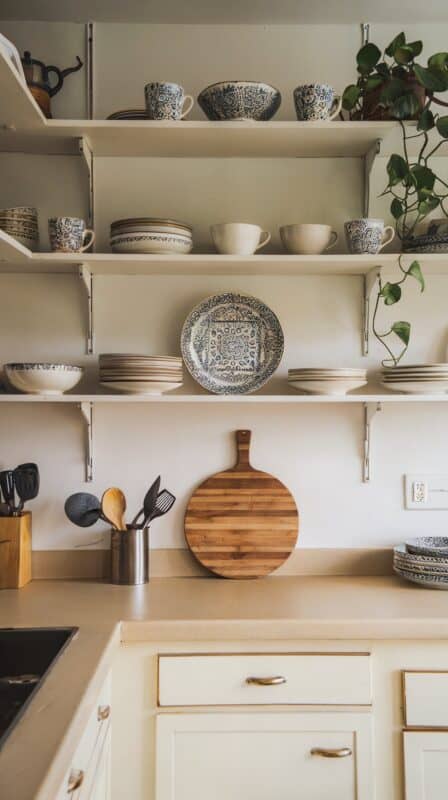
Opt for Open Shelving to Display Dishware

Mid-century modern kitchens often feature open shelving instead of traditional upper cabinets. This design choice makes the kitchen feel airy and open, allowing you to showcase beautiful dishware, vintage glassware, or stylish ceramics.
Open shelving works particularly well in smaller kitchens, preventing the space from feeling boxed in. Just be mindful of clutter—keep the items displayed intentional and well-organized to maintain a stylish aesthetic.
Decor Tip: Use wooden or floating shelves in a natural finish to complement the cabinetry. Arrange items by color or material for a curated, cohesive look.
Include a Statement Light Fixture

Lighting is a crucial part of any kitchen, and mid-century modern design embraces bold, sculptural light fixtures. A statement pendant light or chandelier can anchor the space and add personality.
Sputnik chandeliers, globe pendant lights, and oversized drum shades are classic choices that embody the retro-futuristic spirit of the era.
Decor Tip: Position a statement fixture over the kitchen island or dining table for maximum impact, and choose finishes that tie in with your cabinet hardware or faucet.
Incorporate Stainless Steel Appliances

While mid-century modern design often highlights warm wood and bold colors, stainless steel appliances provide a sleek, industrial contrast that keeps the kitchen feeling modern. Refrigerators, ovens, and dishwashers in stainless steel fit seamlessly into this aesthetic while offering durability and functionality.
For a more retro approach, you can also opt for colorful vintage-inspired appliances in hues like mint green, cherry red, or butter yellow.
Decor Tip: If you prefer a softer look, try paneled appliances that match your cabinetry for a seamless integration.
Use Natural Materials Like Wood and Stone

A core principle of mid-century modern design is an emphasis on natural materials. In kitchens, this means incorporating wood, stone, and marble to create a grounded, organic feel.
Stone countertops in quartz, terrazzo, or butcher block add texture and warmth, while wooden elements provide contrast against sleek surfaces.
Decor Tip: Mix and match materials—combine a wooden dining table with marble countertops or terrazzo flooring for an effortlessly layered look.
Add a Kitchen Island with Clean Lines

A kitchen island is a functional and stylish addition to a mid-century modern kitchen. Opt for a design with clean lines, a simple silhouette, and natural materials like wood or stone. Mid-century islands tend to be sleek and uncluttered, avoiding overly intricate designs or excessive ornamentation.
A kitchen island can serve multiple purposes, from extra prep space to casual dining. It’s also an excellent way to incorporate mid-century elements like waterfall countertops, tapered legs, or a floating effect for a modern twist.
Decor Tip: Choose an island with a contrasting countertop to add depth and dimension. A walnut or teak base paired with a white quartz or terrazzo top creates a balanced, eye-catching centerpiece.
Install Large Windows for Ample Natural Light

Mid-century modern design places a strong emphasis on bringing the outdoors in, and large windows are a key element in this aesthetic. Kitchens with expansive windows feel brighter, more open, and seamlessly connected to nature.
Floor-to-ceiling windows, picture windows, or even a simple wide horizontal window above the sink can dramatically improve the look and feel of your kitchen. Not only does this maximize sunlight, but it also enhances the space by highlighting textured materials like wood and stone.
Decor Tip: If privacy is a concern, opt for frosted glass or woven shades to filter light while maintaining a soft, airy ambiance.
Choose Terrazzo or Cork Flooring

Flooring plays a huge role in mid-century modern kitchens, and two of the most iconic options are terrazzo and cork. Both materials were heavily used in mid-century homes and have made a comeback due to their durability, sustainability, and timeless appeal.
Terrazzo flooring features a speckled pattern with embedded chips of marble, quartz, or glass, giving your kitchen an artistic, playful touch. Meanwhile, cork flooring is soft underfoot, environmentally friendly, and provides a warm, organic feel that complements wooden cabinetry.
Decor Tip: Use terrazzo flooring as a bold statement piece, pairing it with simple cabinetry and neutral walls to keep the design balanced.
Incorporate Indoor Plants for a Touch of Nature

Nothing brings a mid-century modern kitchen to life quite like indoor plants. Greenery adds a fresh, organic element that softens sleek surfaces and geometric shapes. From hanging planters to potted herbs on open shelving, plants create a warm and inviting atmosphere.
Common mid-century modern plant choices include snake plants, pothos, rubber trees, and fiddle leaf figs. These plants thrive in bright, indirect light, making them ideal for kitchen spaces.
Decor Tip: Use ceramic or wooden planters in muted tones to maintain a cohesive look. A teak plant stand can also add a sculptural touch to your space.
Use Pendant Lighting Over Workspaces

Lighting is one of the most defining elements of mid-century modern design, and pendant lighting is a must-have for a well-designed kitchen. Whether over a kitchen island, sink, or dining table, pendant lights add both function and visual appeal.
Choose designs with globe-shaped, cone, or sputnik-inspired fixtures to reflect the era’s futuristic influences. Finishes like brass, matte black, or chrome complement other mid-century accents in the space.
Decor Tip: Install multiple pendant lights in a row over an island or counter to create a balanced, streamlined effect.
Opt for a Neutral Base with Colorful Accents

A mid-century modern kitchen thrives on the perfect balance of neutral tones and vibrant pops of color. The key is to keep the base neutral—whites, grays, and warm wood tones—while incorporating bold hues through accessories, backsplash tiles, or bar stools.
Classic mid-century colors like mustard yellow, deep teal, burnt orange, and avocado green work well as accent colors. These shades bring a sense of nostalgia while maintaining a fresh, contemporary appeal.
Decor Tip: Use colorful dishware, light fixtures, or even retro-style appliances to introduce color without overpowering the space.
Include Mid-Century Modern Furniture Pieces

Furniture plays a major role in mid-century modern kitchens. If your kitchen has an eat-in area or breakfast nook, incorporating authentic mid-century furniture can enhance the overall aesthetic.
Iconic mid-century furniture pieces like the Eames molded plastic chairs, tulip tables, or wishbone chairs offer the perfect blend of function and style. Their smooth curves, tapered legs, and minimalist design tie the entire space together.
Decor Tip: If you’re working with a small kitchen, opt for a round tulip table with two to four chairs to create a cozy, retro-inspired dining area.
Conclusion
Designing a mid-century modern kitchen is all about blending retro charm with contemporary functionality. Whether you’re installing flat-front cabinetry, adding a geometric backsplash, or incorporating bold colors, the key is to strike a balance between vintage aesthetics and modern convenience.
By mixing warm wood tones, sleek surfaces, and statement lighting, you can create a kitchen that feels stylish, inviting, and totally timeless.
Ready to revamp your kitchen? Start with small updates like hardware changes, pendant lighting, or open shelving, and watch as your space transforms into the perfect mid-century modern retreat!