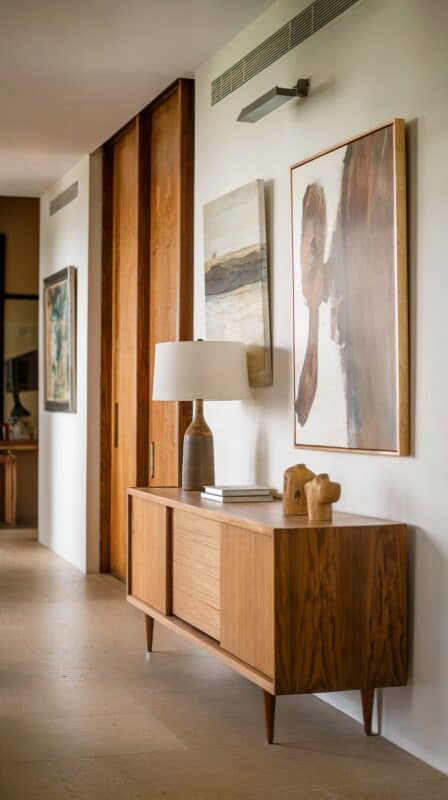
Quick Answer: A mid-century modern hallway needs warmth without bulk. Use a slim console, runner, globe light, wood frames, simple hooks, and graphic art so the passage feels intentional while staying easy to walk through.
A hallway gives mid-century modern style a narrow stage, which is not a bad thing. Long lines, warm wood, graphic art, and globe lighting all make sense in a space built around movement.
Avoid crowding the walls with too many small frames. A few larger shapes, a runner, and one slim console can create rhythm without turning the hallway into an obstacle course.
The goal is a passage that feels intentional from one end to the other.
Want the seasonal refresh to feel pulled together?
The Aesthetic Apartment Makeover Guide helps you choose a palette, layer texture, and style each room in the right order so the finished space feels intentional.
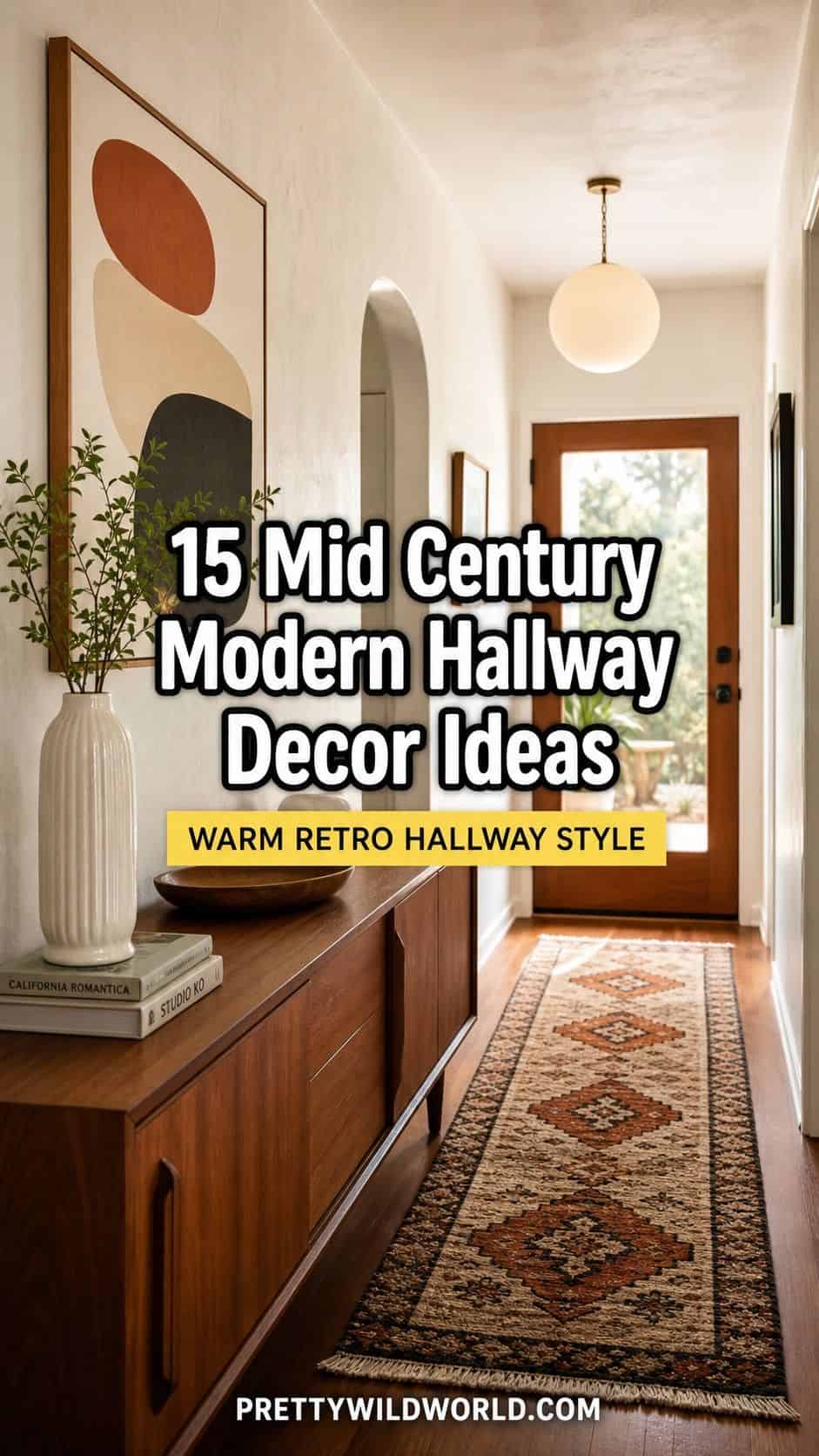
Recommended Mid-Century Modern Hallway Decor
The best finds for this topic are pieces that change the mood and still earn their place: lighting, textiles, trays, planters, vases, baskets, glassware, and natural textures that support real life.


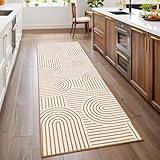

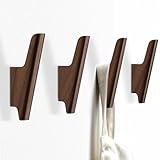


Recommended blogs to read:
- mid-century living room ideas
- mid-century apartment ideas
- mid-century office ideas
- 70s lighting ideas
- 70s furniture guide
- mid-century kitchen ideas
If the room feels close but unfinished, look at the layers.
The guide can help you decide what to edit, what to repeat, and where to add the detail that finally makes the room feel finished.
15 Mid-Century Modern Hallway Ideas for a Warm Clean Passage
Use these ideas as a menu, not a checklist. The best mid-century modern rooms usually need one strong anchor, warm materials, and enough open space to keep the lines feeling clean.
1. Slim Walnut Console
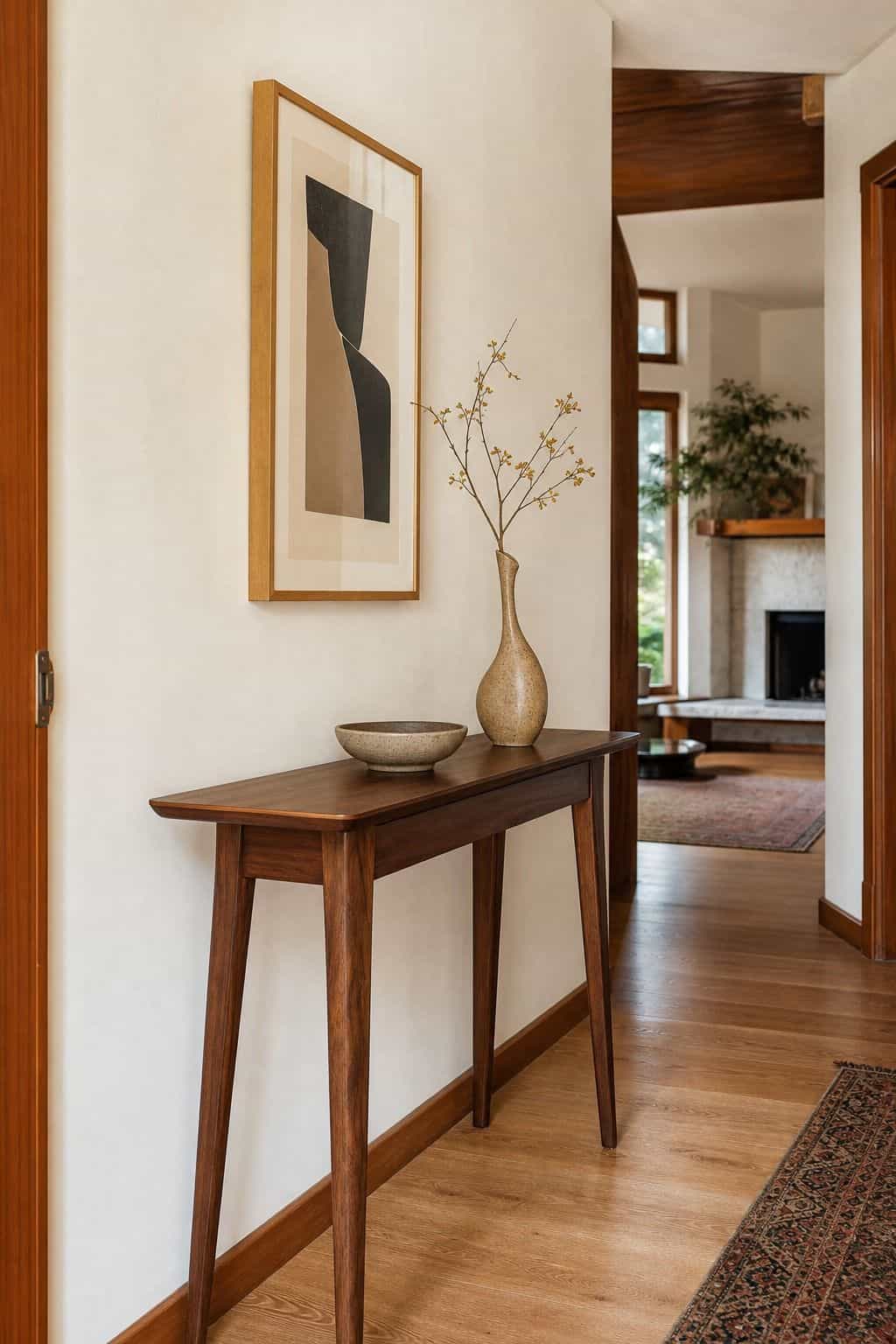


Light, scale, and empty space decide whether this works. The most livable version of a slim walnut console balances nostalgia with comfort, storage, and room to move. If the space already has pattern, let this layer stay softer.
Walnut, teak, brass, leather, wool, ceramic, and globe lighting are the reliable notes, but they need contrast. Pair warmer vintage shapes with clean upholstery, plain walls, hidden storage, and a few softer textiles so the room feels collected instead of staged. For a related next read, see mid-century living room ideas.
Watch the leg lines and height here. Raised furniture can make a room feel open, but too many spindly pieces in one view will start to look nervous.
2. Warm Hallway Runner
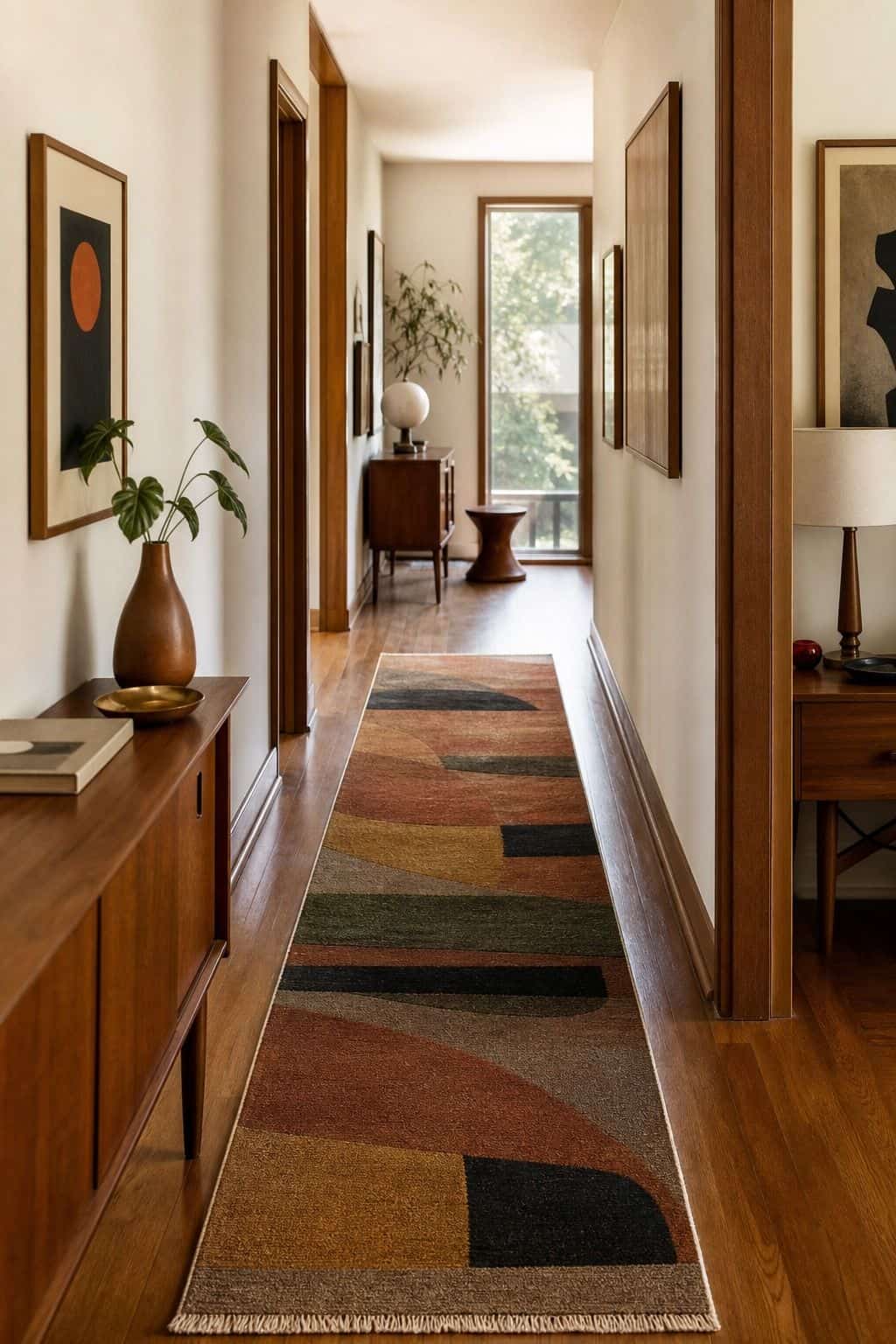


Start with what this spot has been failing to do. In a mid-century room, a warm hallway runner should add warmth and structure without making the space feel like a period set. The goal is a room that feels cared for and still easy to use.
Walnut, teak, brass, leather, wool, ceramic, and globe lighting are the reliable notes, but they need contrast. Pair warmer vintage shapes with clean upholstery, plain walls, hidden storage, and a few softer textiles so the room feels collected instead of staged. For a related next read, see mid-century apartment ideas.
A single vintage piece often has more authority than a full matching set. Let one object carry patina while the rest of the room supports it. Notice how the room behaves after the first layer is in place. If the area feels calmer, brighter, or easier to use, stop there before the styling starts to look busy.
3. Globe Wall Sconce

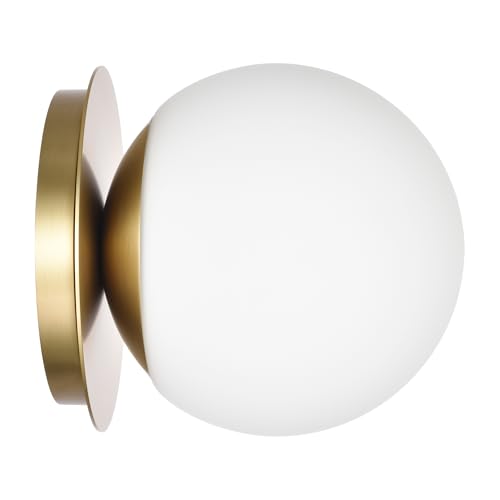


The eye notices this detail faster than people expect. Let a globe wall sconce bring in the style through silhouette, wood tone, or glow rather than through too many matching retro pieces. If the space already has pattern, let this layer stay softer.
Walnut, teak, brass, leather, wool, ceramic, and globe lighting are the reliable notes, but they need contrast. Pair warmer vintage shapes with clean upholstery, plain walls, hidden storage, and a few softer textiles so the room feels collected instead of staged. For a related next read, see mid-century office ideas.
Watch the leg lines and height here. Raised furniture can make a room feel open, but too many spindly pieces in one view will start to look nervous.
4. Wood Picture Frames


A narrow room needs a different kind of confidence. A mid-century modern room benefits when the wood picture frames have a clear function and a strong shape. One anchor and one finishing detail are usually enough.
Walnut, teak, brass, leather, wool, ceramic, and globe lighting are the reliable notes, but they need contrast. Pair warmer vintage shapes with clean upholstery, plain walls, hidden storage, and a few softer textiles so the room feels collected instead of staged. For a related next read, see 70s lighting ideas.
Modern life still needs storage. Hide cords, papers, bathroom extras, or kitchen tools so the clean lines have a chance to work.
5. Modern Wall Hooks


The material choice matters more than the accessory count. Use the modern wall hooks to anchor the room, then keep the surrounding pieces quieter and more current. Try it in afternoon light and again at night before adding another piece.
Walnut, teak, brass, leather, wool, ceramic, and globe lighting are the reliable notes, but they need contrast. Pair warmer vintage shapes with clean upholstery, plain walls, hidden storage, and a few softer textiles so the room feels collected instead of staged. For a related next read, see 70s furniture guide.
If the room feels dark, add glow before adding color. A globe lamp, brass sconce, or warm ceramic shade can make the wood tones feel intentional.
6. Abstract Hallway Art


This idea earns its place when it changes the routine. The most livable version of an abstract hallway art balances nostalgia with comfort, storage, and room to move. If the space already has pattern, let this layer stay softer.
Walnut, teak, brass, leather, wool, ceramic, and globe lighting are the reliable notes, but they need contrast. Pair warmer vintage shapes with clean upholstery, plain walls, hidden storage, and a few softer textiles so the room feels collected instead of staged.
A single vintage piece often has more authority than a full matching set. Let one object carry patina while the rest of the room supports it.
7. Ceramic Vase on Console


A quiet surface can still carry a lot of mood. In a mid-century room, a ceramic vase on console should add warmth and structure without making the space feel like a period set. Repeat one color or material nearby so the detail feels connected.
Walnut, teak, brass, leather, wool, ceramic, and globe lighting are the reliable notes, but they need contrast. Pair warmer vintage shapes with clean upholstery, plain walls, hidden storage, and a few softer textiles so the room feels collected instead of staged.
Watch the leg lines and height here. Raised furniture can make a room feel open, but too many spindly pieces in one view will start to look nervous. Notice how the room behaves after the first layer is in place. If the area feels calmer, brighter, or easier to use, stop there before the styling starts to look busy.
8. Warm Picture Light


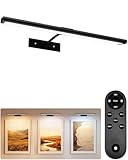

The strongest move is often the one that edits the area around it. Let a warm picture light bring in the style through silhouette, wood tone, or glow rather than through too many matching retro pieces. If the space already has pattern, let this layer stay softer.
Walnut, teak, brass, leather, wool, ceramic, and globe lighting are the reliable notes, but they need contrast. Pair warmer vintage shapes with clean upholstery, plain walls, hidden storage, and a few softer textiles so the room feels collected instead of staged.
A single vintage piece often has more authority than a full matching set. Let one object carry patina while the rest of the room supports it.
Pause before adding another piece.
If the room already has color, texture, and light, editing may be the move that makes it feel more expensive.
9. Long Sightline Edit


A practical object looks better when its shape has been considered. A mid-century modern room benefits when a long sightline edit has a clear function and a strong shape. Try it in afternoon light and again at night before adding another piece.
Walnut, teak, brass, leather, wool, ceramic, and globe lighting are the reliable notes, but they need contrast. Pair warmer vintage shapes with clean upholstery, plain walls, hidden storage, and a few softer textiles so the room feels collected instead of staged.
Modern life still needs storage. Hide cords, papers, bathroom extras, or kitchen tools so the clean lines have a chance to work.
10. Tapered Leg Bench


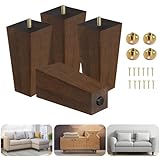

The room needs one clear reason for this piece to be here. Use a tapered leg bench to anchor the room, then keep the surrounding pieces quieter and more current. The goal is a room that feels cared for and still easy to use.
Walnut, teak, brass, leather, wool, ceramic, and globe lighting are the reliable notes, but they need contrast. Pair warmer vintage shapes with clean upholstery, plain walls, hidden storage, and a few softer textiles so the room feels collected instead of staged.
If the room feels dark, add glow before adding color. A globe lamp, brass sconce, or warm ceramic shade can make the wood tones feel intentional.
11. Gallery Wall With Breathing Room


Light, scale, and empty space decide whether this works. The most livable version of a gallery wall with breathing room balances nostalgia with comfort, storage, and room to move. Keep the nearest surface edited so the shape and texture have room to register.
Walnut, teak, brass, leather, wool, ceramic, and globe lighting are the reliable notes, but they need contrast. Pair warmer vintage shapes with clean upholstery, plain walls, hidden storage, and a few softer textiles so the room feels collected instead of staged.
Modern life still needs storage. Hide cords, papers, bathroom extras, or kitchen tools so the clean lines have a chance to work.
12. Black Accent Line


Start with what this spot has been failing to do. In a mid-century room, a black accent line should add warmth and structure without making the space feel like a period set. One anchor and one finishing detail are usually enough.
Walnut, teak, brass, leather, wool, ceramic, and globe lighting are the reliable notes, but they need contrast. Pair warmer vintage shapes with clean upholstery, plain walls, hidden storage, and a few softer textiles so the room feels collected instead of staged.
The palette should feel warm but edited. Cream, camel, olive, walnut, amber, black, and rust are plenty for most rooms. Notice how the room behaves after the first layer is in place. If the area feels calmer, brighter, or easier to use, stop there before the styling starts to look busy.
13. Closed Storage Basket


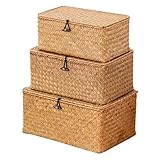
The eye notices this detail faster than people expect. Let a closed storage basket bring in the style through silhouette, wood tone, or glow rather than through too many matching retro pieces. Try it in afternoon light and again at night before adding another piece.
Walnut, teak, brass, leather, wool, ceramic, and globe lighting are the reliable notes, but they need contrast. Pair warmer vintage shapes with clean upholstery, plain walls, hidden storage, and a few softer textiles so the room feels collected instead of staged.
The palette should feel warm but edited. Cream, camel, olive, walnut, amber, black, and rust are plenty for most rooms.
14. Soft Cream Wall


A narrow room needs a different kind of confidence. A mid-century modern room benefits when a soft cream wall has a clear function and a strong shape. One anchor and one finishing detail are usually enough.
Walnut, teak, brass, leather, wool, ceramic, and globe lighting are the reliable notes, but they need contrast. Pair warmer vintage shapes with clean upholstery, plain walls, hidden storage, and a few softer textiles so the room feels collected instead of staged.
The palette should feel warm but edited. Cream, camel, olive, walnut, amber, black, and rust are plenty for most rooms.
15. Hallway That Feels Designed

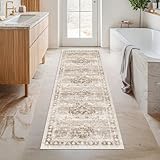


The material choice matters more than the accessory count. Use a hallway that feels designed to anchor the room, then keep the surrounding pieces quieter and more current. Repeat one color or material nearby so the detail feels connected.
Walnut, teak, brass, leather, wool, ceramic, and globe lighting are the reliable notes, but they need contrast. Pair warmer vintage shapes with clean upholstery, plain walls, hidden storage, and a few softer textiles so the room feels collected instead of staged.
If the room feels dark, add glow before adding color. A globe lamp, brass sconce, or warm ceramic shade can make the wood tones feel intentional.
Frequently Asked Questions
What is the easiest way to start with mid-century modern hallway decor ideas?
Start with one warm wood anchor, then add lighting, storage, and a clean-lined textile. The style works best when function leads the room.
What colors work best for mid-century modern decor?
Walnut, teak, cream, camel, olive, amber, rust, black, and brass all work well. Keep the palette tight so the room feels current.
How do I keep mid-century modern from looking dated?
Mix vintage-inspired pieces with cleaner modern basics, avoid full matching sets, and let one sculptural piece carry the retro mood.
What materials define mid-century modern style?
Warm woods, leather, wool, brass, ceramic, glass, and textured upholstery are classic choices, especially when paired with simple silhouettes.
Can mid-century modern work in a small space?
Yes. Choose raised furniture, slim storage, nesting tables, wall shelves, and fewer pieces with stronger shapes.
Key Takeaways
- Start with one warm mid-century anchor before buying accents.
- Repeat two or three colors so the room feels connected.
- Use practical pieces first, then layer decorative moments where they will be noticed.
- Leave space around the strongest object or surface.
- Choose materials and lighting that still feel useful after the trend or season changes.
Final Thoughts
Mid-century modern hallway decor ideas works best when it supports the way the room is actually used. The prettiest updates are usually the ones that make a surface easier, a corner brighter, or a gathering feel more relaxed. That practical layer matters because beautiful rooms are easier to keep when the styling supports the habits already happening there.
Start with the idea that changes the mood most, then edit around it. When the colors repeat, the materials feel good, and the room still has breathing room, the whole space feels refreshed without feeling forced. A good final pass is to remove the smallest unnecessary piece, check the view from the doorway, and make sure the room still supports the routine that happens there every day.