
70s living room furniture means curved sofas, rattan chairs, smoked glass, and warm wood. The 15 pieces below build a retro living room, plus where to find them secondhand and how to mix them with what you have.
The 70s living room had a look that is unmistakable: low, curved, soft, and warm, with natural materials and a relaxed confidence. The furniture is what carries that, more than the colors or the accessories, and most of the key pieces are still findable secondhand for far less than new.
The 15 pieces below cover the sofas, chairs, tables, and storage that define a 70s living room, with notes on what makes each one retro. The section at the end covers where to actually find 70s furniture without overpaying.

Recommended blogs to read:
- a full retro living room
- a fuller 70s decor guide
- the 70s color palette
- mid-century living room styling
- a bolder maximalist take
What Makes Furniture 70s
70s furniture is low, curved, and made from warm natural materials. Where earlier mid-century pieces were lean and angular, 70s furniture got softer and chunkier, rounded arms, deep cushions, low profiles you sink into. The materials are warm too, honey-toned wood, rattan, cane, velvet, and the occasional hit of chrome or smoked glass for glamour.
The other defining trait is that 70s furniture is built for lounging, not formality. It sits low, it curves inward, and it invites you to sprawl. That relaxed quality is exactly why it works in a modern home. Pair the furniture with the right colors, and our guide to the 70s color palette covers the earthy tones that complete the look.
One rule before the list: buy vintage where you can. Real 70s pieces are often better made than new reproductions, they carry genuine patina, and they are usually cheaper secondhand. The hunt is part of the look.
15 70s Living Room Furniture Pieces
Build the room around a few of these. The section after the list covers where to find them.
1. A Curved Velvet Sofa


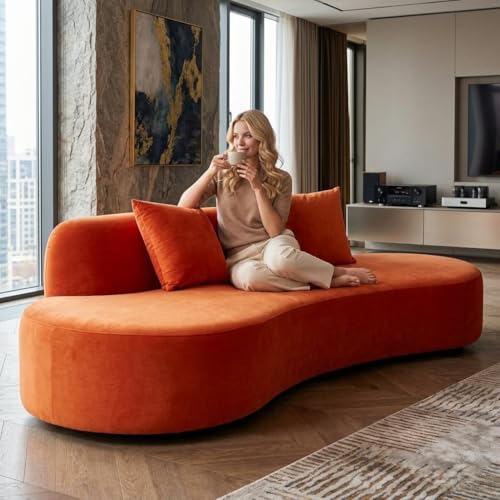

The 70s living room anchor. A low, curved sofa in warm velvet, rust, mustard, brown, or cream, captures the soft, rounded shape that defines the era. The curve invites an inward, sociable layout, and the velvet adds warmth and texture. A curved velvet cover transforms a plain sofa if a vintage one is out of reach, and the shape alone does most of the retro work.
2. A Rattan Accent Chair


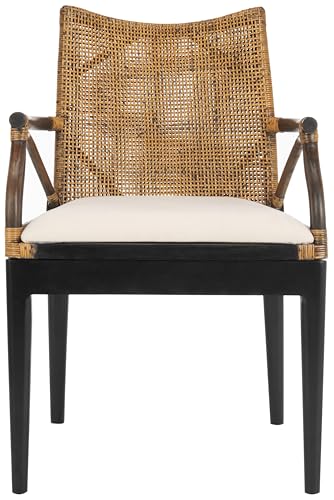
Rattan and cane chairs are core 70s seating, and they have never really gone out of style. A rounded rattan chair, a wicker peacock chair, or a cane-backed lounge chair brings natural texture and warm color to the room. These are widely available secondhand, they mix easily with a modern sofa, and the open fiber keeps the room feeling light rather than heavy.
3. A Smoked-Glass Coffee Table


A smoked-glass coffee table, usually on a chrome or brass base, is a recognizable 70s living room piece. The tinted glass keeps it visually light while still reading retro, and the metal base adds the era’s touch of glamour. It pairs especially well with a curved velvet sofa and a shag rug, completing the core 70s living room trio without crowding the space.
4. A Wood-Frame Lounge Chair


A low lounge chair with an exposed warm-wood frame and deep cushions is a 70s comfort classic. The wood frame brings grain and warmth, the cushions bring the era’s sink-in softness. Vintage versions are common and well-made, and a single wood-frame lounge chair beside the sofa adds a second seating texture and a genuine retro silhouette.
5. A Retro Sideboard or Credenza


The low, long sideboard is a 70s storage staple. In warm teak or walnut, often with cane-front doors or sculptural handles, it provides storage and a styling surface at once. A credenza grounds a wall, holds the clutter a living room collects, and gives you a stage for lamps, plants, and vintage objects. Secondhand ones are plentiful and built to last.
6. A Brass Bar Cart


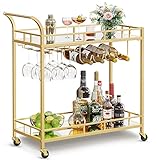
The bar cart is a 70s entertaining icon. A brass or chrome cart styled with vintage glassware and amber bottles brings instant retro glamour, and it doubles as functional storage and a mobile surface. It is a small piece with an outsized character payoff, and a thrifted cart refreshed and styled is one of the most affordable retro statements you can make.
7. Floor Cushions and Poufs


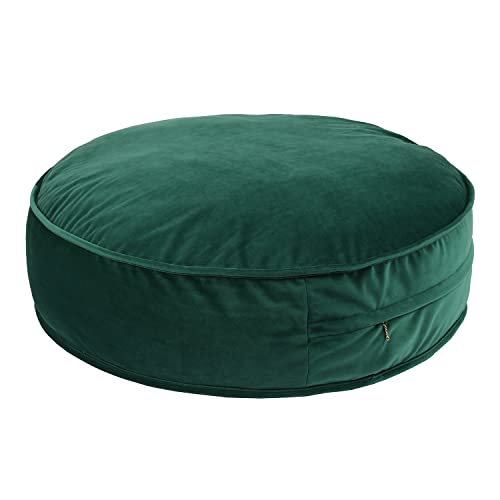
The 70s loved low, casual seating. Floor cushions, leather poufs, and ottomans in earthy tones add flexible extra seating and reinforce the relaxed, grounded feeling the era was built on. They are cheap, they tuck away easily, and a couple of poufs around a coffee table instantly give a living room the sociable, lounge-y quality of a 70s conversation pit.
8. A Modular Sectional


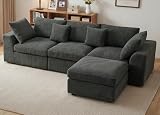

The 70s popularized the low modular sectional, blocks of seating you arrange to suit the room. A modular sofa in a warm tone captures the era’s relaxed, flexible spirit, and the low profile is pure 70s. Vintage modular pieces turn up secondhand, and even a modern low sectional in an earthy color reads retro when paired with the right rug and lighting.
9. A Slatted Wood Divider

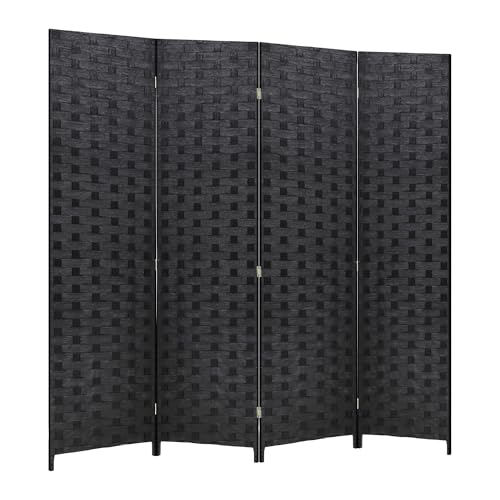
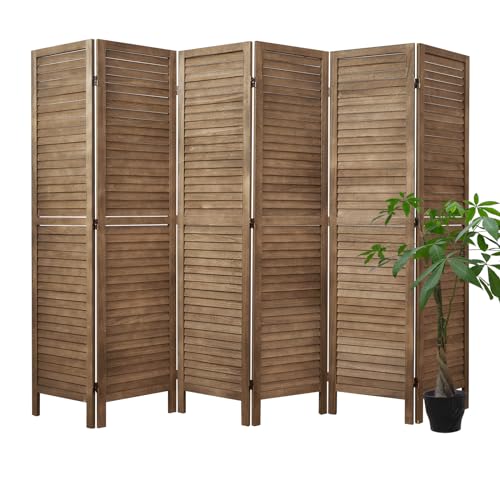

A slatted wood room divider is a 70s architectural piece that still looks striking. It zones an open-plan living room, adds warm vertical texture, and reads as deliberate retro design. Freestanding versions need no installation, so it is a renter-friendly way to bring a genuine piece of 70s architecture into the room and break up a large space at the same time.
10. An Egg or Pod Chair


The hanging egg chair and the enclosed pod chair are playful 70s seating icons. One sculptural pod or hanging chair in a corner becomes both a statement and a genuinely fun place to sit. It reads as confident retro design, and it fills an empty corner with personality. Modern reproductions are easy to find if a vintage one proves elusive.
11. A Chrome-Base Side Table

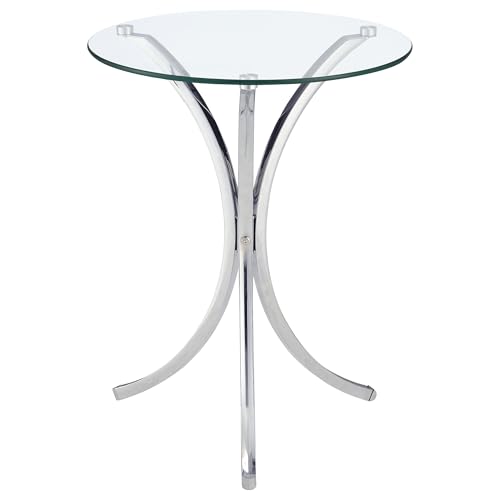
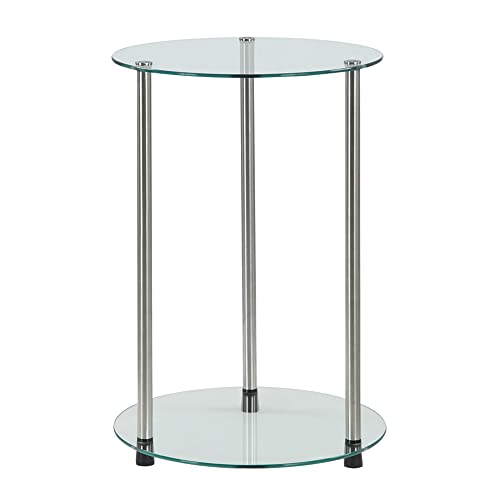
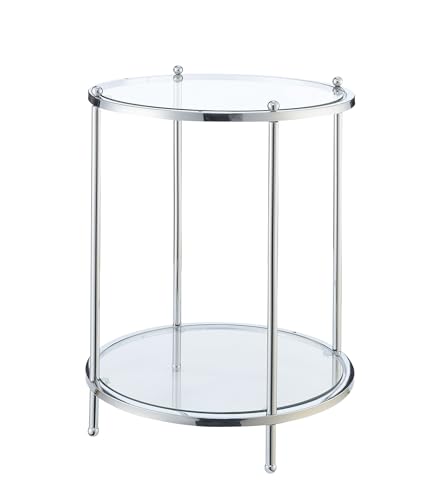
Small chrome-and-glass side tables bring the era’s touch of glamour without taking up much room. A chrome-base side table beside a chair or at the end of the sofa adds a reflective, lighter note among all the warm wood and velvet. It is an easy, affordable piece to find secondhand, and it keeps a 70s room from feeling entirely earthy and heavy.
12. A Tufted Ottoman

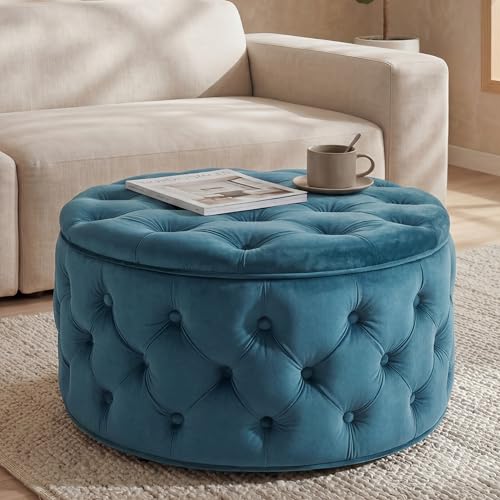


A large tufted ottoman, in leather or warm velvet, works as a coffee table, extra seating, and a footrest all at once. The 70s loved this kind of soft, multi-use piece. In an earthy tone it anchors a seating group, and its softness suits the era’s sink-in comfort. A vintage leather ottoman in particular brings genuine patina and ages beautifully.
13. A Tall Shelving Unit

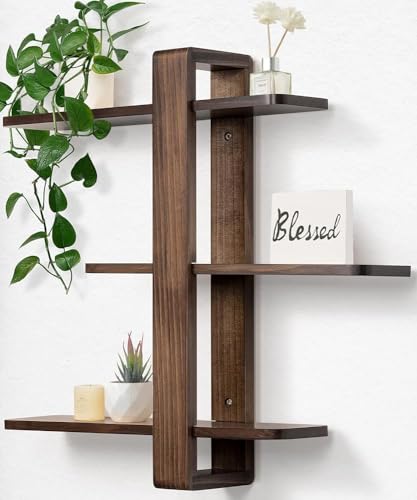

Open shelving in warm wood, styled densely with books, plants, ceramics, and vintage objects, gives a 70s living room a place to show its collected side. The era loved a full, lived-in shelf. A tall wood shelving unit or a wall of cube shelving brings storage and display together, and styling it generously is what gives the room its warm, gathered character.
14. A Statement Armchair



One bold armchair, a chunky upholstered piece, a sculptural shape, a tufted swivel chair, adds a second seating moment with real retro presence. The 70s armchair was unafraid of scale and curve, so look for something with a strong silhouette in a warm tone. A single statement chair beside the sofa keeps a seating group from feeling flat or matched.
15. A Plant Stand


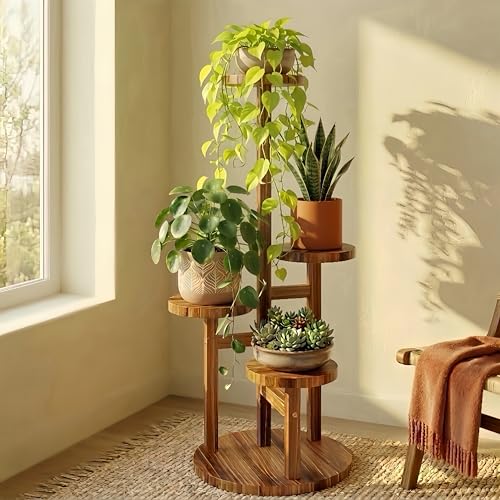
The 70s houseplant obsession needs somewhere to live, and a wood, rattan, or tiered plant stand is a genuine retro piece. It raises greenery to eye level, adds another natural-material layer, and keeps plants from cluttering the floor. A tiered or hanging plant stand styled with trailing greenery is a small, cheap piece that quietly reinforces the whole 70s feeling.
Where to Find 70s Furniture
The best 70s furniture comes from the secondhand market, and there is a lot of it. Estate sales, thrift stores, Facebook Marketplace, and local vintage dealers are full of curved sofas, teak credenzas, rattan chairs, and brass bar carts, usually for far less than new reproductions cost. The era produced furniture in huge volume and built it to last, so genuine pieces are both findable and durable.
Two tips make the hunt easier. Judge upholstered pieces on their frame and shape, not their fabric, since a worn velvet sofa with a great curve is worth reupholstering or covering. And mix the eras, you do not need a whole room of vintage, a few real 70s pieces among modern furniture reads more confident than a full period set. For doing it all on a budget, our 70s decor on a budget guide covers the cheapest path.
Frequently Asked Questions
What furniture is 70s style?
70s furniture is low, curved, and made from warm natural materials: curved velvet sofas, rattan and cane chairs, smoked-glass and chrome tables, warm-wood credenzas, brass bar carts, and soft modular seating. It is built for lounging, with rounded shapes and deep cushions.
How do I find real 70s furniture?
Check estate sales, thrift stores, Facebook Marketplace, and local vintage dealers, all are full of genuine 70s pieces for far less than new reproductions. Judge upholstered pieces on their frame and shape rather than their fabric, since a great curve can always be recovered.
Is 70s furniture comfortable?
Yes, comfort was the point. 70s furniture sits low, curves inward, and has deep cushions you sink into, designed for lounging rather than formal sitting. That relaxed, sociable comfort is a big part of why the look feels appealing in a modern home.
How do I do 70s furniture on a budget?
Buy vintage, which is usually cheaper than new reproductions, use a curved velvet cover to transform a plain sofa, judge thrifted pieces on their frame, and mix a few real 70s finds with furniture you already own rather than buying a whole period set at once.
How do I mix 70s furniture with what I have?
Use the 70s pieces as statements among your existing furniture: one curved vintage sofa or rattan chair alongside modern side tables, a retro credenza on a plain wall. The contrast between a few strong retro pieces and simpler modern ones reads more deliberate than a full period room.
Key Takeaways
- 70s living room furniture is low, curved, and made from warm natural materials, built for lounging rather than formality.
- The 15 pieces range from a curved velvet sofa and rattan chairs to smoked glass, warm-wood credenzas, and a brass bar cart.
- The core 70s living room trio is a curved velvet sofa, a smoked-glass coffee table, and a shag rug.
- Buy vintage where you can, it is often better made and cheaper than new reproductions, and judge pieces on their frame.
- Mix a few real 70s pieces with modern furniture rather than buying a full period set, which reads more deliberate.
Final Thoughts
70s living room furniture carries the whole era: low, curved, warm, and built for lounging. Anchor the room with a curved velvet sofa, add rattan seating, smoked glass, warm wood, and a brass bar cart, and hunt the pieces secondhand where they are plentiful and cheap. Mix a few genuine retro finds with modern furniture, and a 70s living room reads confident and warm rather than dated. When you are ready for the rest of the room, the 70s retro home decor guide and the 70s rug ideas guide cover the wider look and the floor in full.
If you are carrying the retro look further, retro 70s entryway decor ideas keep the same warm, groovy feeling room to room.