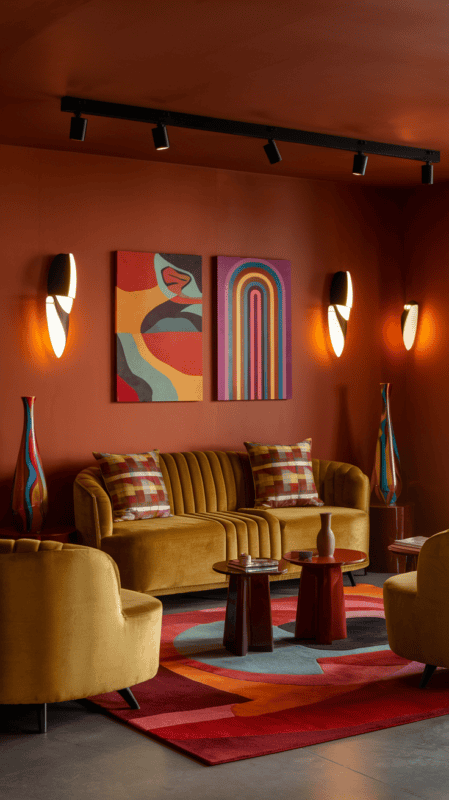
Quick Answer: A 70s living room should feel low, warm, social, and layered. Use a comfortable sofa, a shag or geometric rug, rattan or cane pieces, a mushroom lamp, a low wood coffee table, velvet pillows, and earthy color. The secret is contrast: pair nostalgic materials with clean walls, modern art spacing, and enough open floor so the room feels lived-in rather than overloaded.
70S Living Room Decor can go wrong when it is treated as a shopping list instead of a feeling. The better approach starts with atmosphere: the colors, materials, light, scale, and small rituals that make the room work in real life.
For this rewrite, the strongest direction is practical and editorial at once. The room should look considered, but it still has to support daily life, whether that means hosting friends, getting ready in the morning, cooking dinner, working from home, or simply making a small apartment feel more like yours.
The ideas below are designed to be specific enough to act on and flexible enough to adapt. Use them as a menu, not a mandate. One or two strong changes can shift the whole room when the palette, texture, and layout are working together.
Want your 70s living room decor to feel pulled together instead of pieced together?
The Aesthetic Apartment Makeover Guide helps you choose a palette, layer texture, and style rooms in the right order, so each update feels intentional rather than random.
Recommended 70s Living Room Decor
The most useful products for 70s living room decor are the pieces that change the mood and still earn their place: lighting, textiles, storage, table pieces, art, and tactile materials that support the style without cluttering the room.




Recommended blogs to read:
- 70s living room furniture ideas
- 70s lighting ideas
- 70s rug ideas
- 70s wall decor ideas
- 70s kitchen decor ideas
- 70s entryway decor ideas
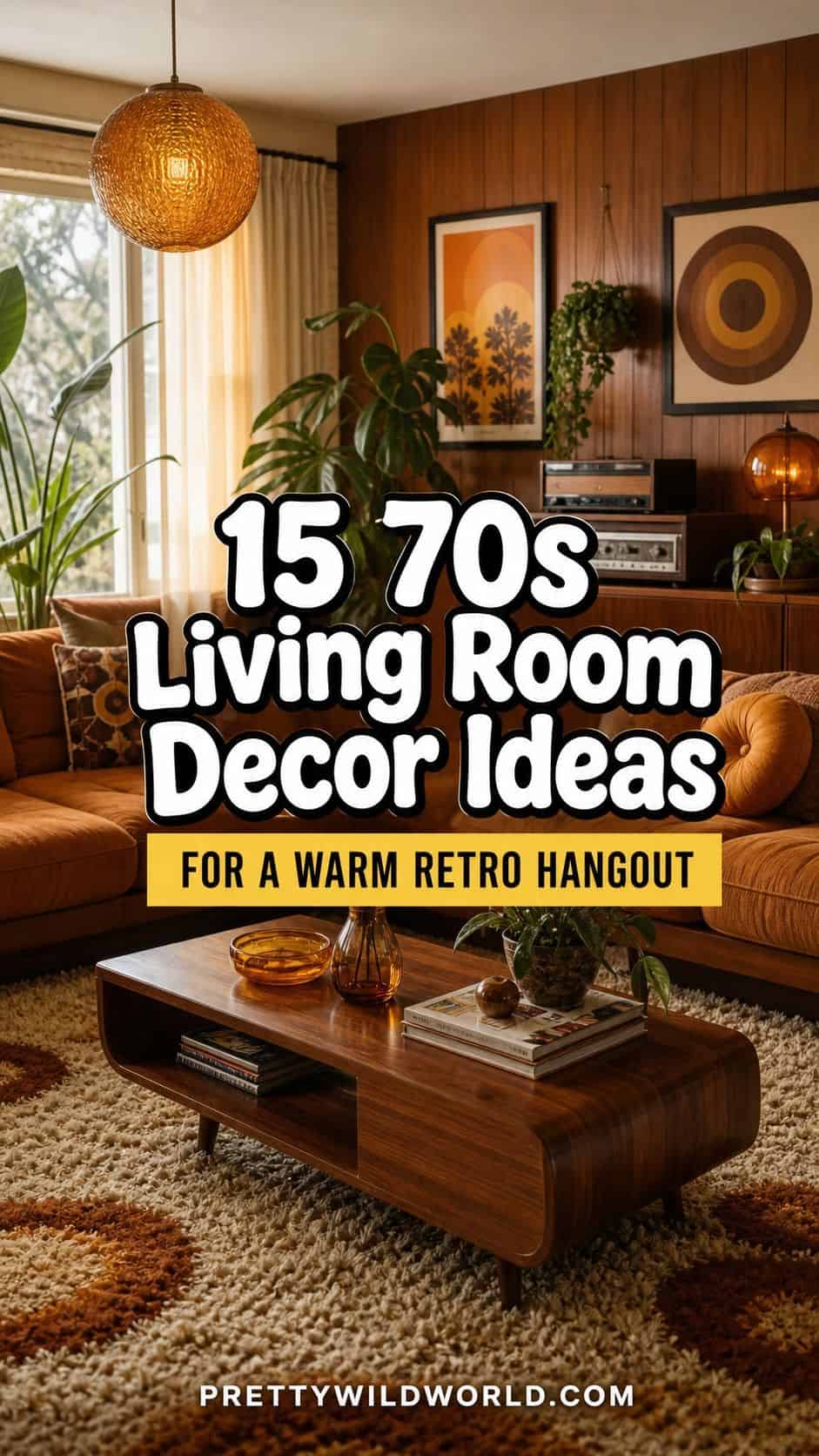
Bring Retro Charm with 70s Living Room Decor Ideas
The research pattern for this topic is clear: earth tones: rust, avocado, mustard, chocolate, cream, tactile materials: rattan, cane, velvet, shag, macrame, wood, smoked glass, social layouts: low seating, conversation-friendly lighting, layered rugs. The gap is just as clear. Most inspiration stops at pretty objects, while a useful room guide explains proportion, restraint, and how the pieces behave together.
1. Low Sofa Shape
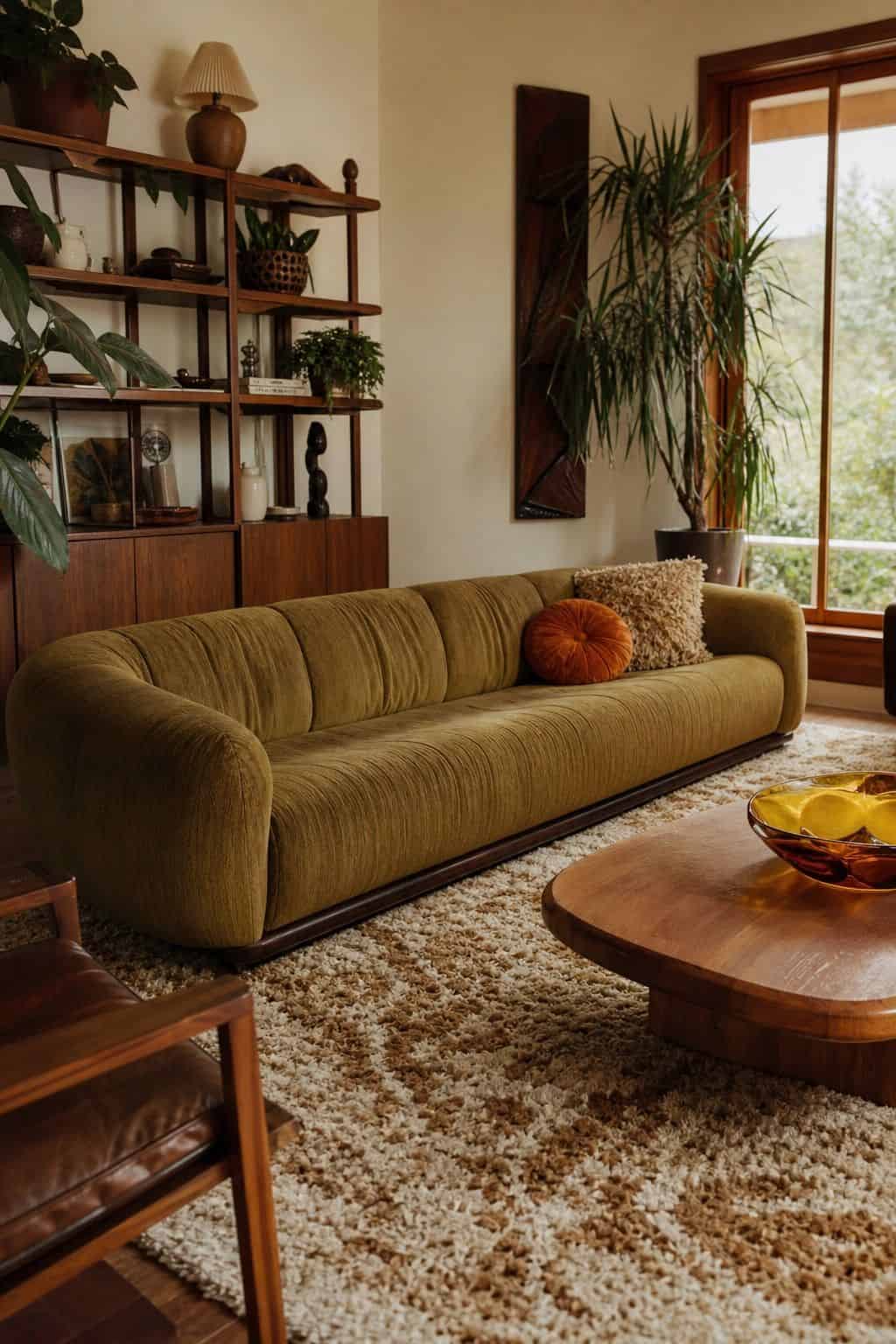


The detail works best when it solves a real problem in the room. Let a low sofa shape bring in the decade through color, curve, or material rather than turning the room into a time capsule. Look at the nearest surface before adding anything else. If it already has color, pattern, or height, keep this layer quieter so the whole area feels intentional.
A little restraint keeps the look current. Pair bolder color with plain upholstery, let brass or smoked glass show up only once or twice, and keep enough open space around the strongest piece so it feels chosen instead of crowded. For a related next step, read 70s living room furniture ideas.
2. Shag Rug
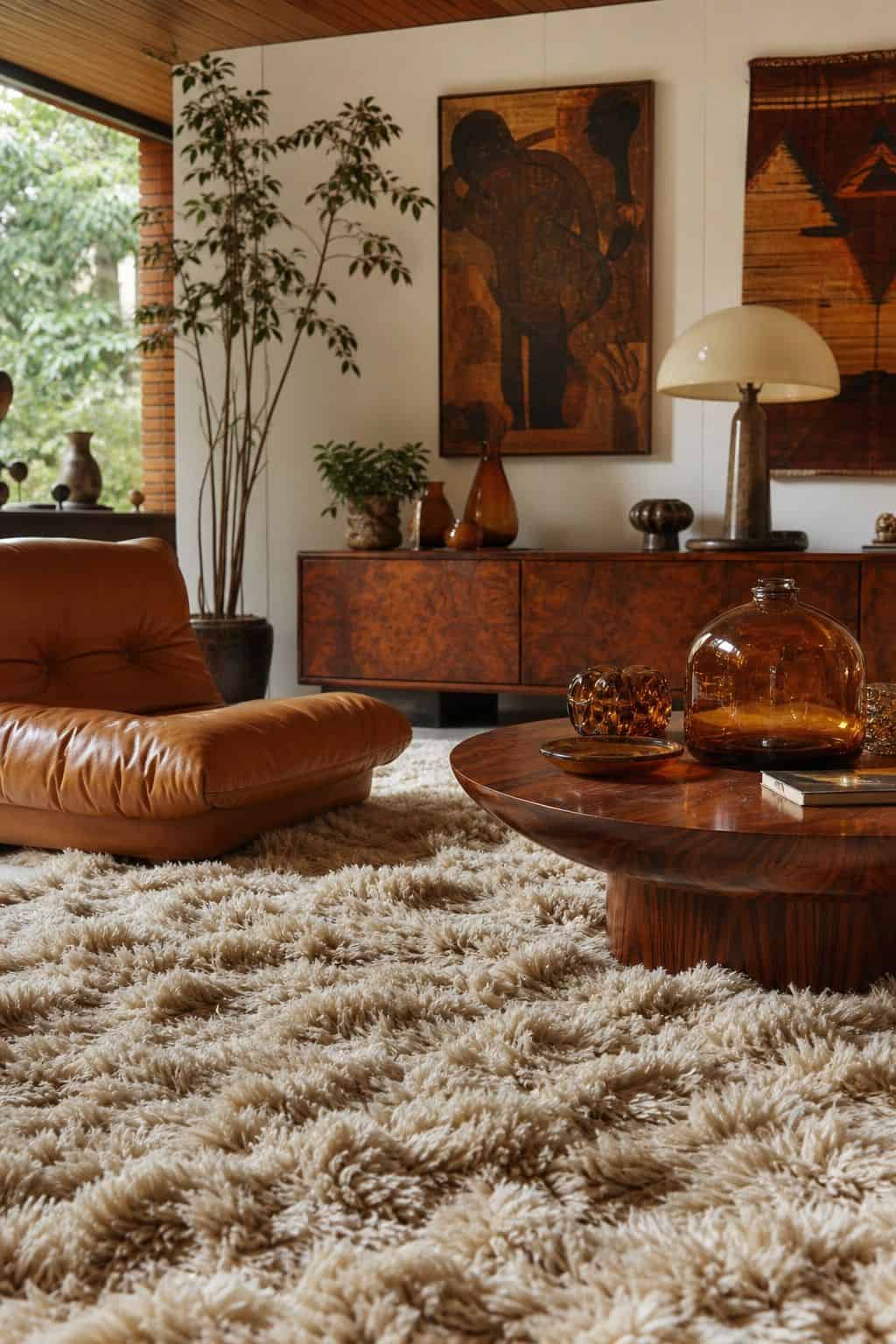


Think of this as part of the atmosphere, not a separate decorative announcement. The best retro detail feels collected, so a shag rug should sit beside at least one cleaner modern piece. The finish should relate to something else in the room, even loosely. A repeated wood tone, a matching metal, or a nearby fabric color is enough to make the choice feel connected.
A little restraint keeps the look current. Pair bolder color with plain upholstery, let brass or smoked glass show up only once or twice, and keep enough open space around the strongest piece so it feels chosen instead of crowded. For a related next step, read 70s lighting ideas.
3. Rattan Chair



The most polished version leaves a little breathing room around the idea. Use a rattan chair to add personality, then keep the surrounding palette grounded in cream, walnut, rust, olive, or amber. Look at the nearest surface before adding anything else. If it already has color, pattern, or height, keep this layer quieter so the whole area feels intentional.
A little restraint keeps the look current. Pair bolder color with plain upholstery, let brass or smoked glass show up only once or twice, and keep enough open space around the strongest piece so it feels chosen instead of crowded. For a related next step, read 70s rug ideas.
4. Mushroom Lamp


This is a good place to choose texture over visual noise. A 70s room needs rhythm, and a mushroom lamp can become one beat in a larger mix of wood, glass, textiles, and glow. Leave one edge, corner, or stretch of wall unstyled. That pause gives the eye a place to rest and makes the styled moment feel more confident.
A little restraint keeps the look current. Pair bolder color with plain upholstery, let brass or smoked glass show up only once or twice, and keep enough open space around the strongest piece so it feels chosen instead of crowded. A final edit helps here: step back, remove one piece that feels too loud, and let the strongest material or color carry the idea. For a related next step, read 70s wall decor ideas.
5. Walnut Coffee Table


A softer room often begins with one practical swap that looks better than what it replaced. With a walnut coffee table, the 70s feeling comes from warmth and shape before it comes from nostalgia. If the room starts to feel themed, remove the smallest novelty piece first. The stronger materials and colors will usually carry the mood on their own.
A little restraint keeps the look current. Pair bolder color with plain upholstery, let brass or smoked glass show up only once or twice, and keep enough open space around the strongest piece so it feels chosen instead of crowded. For a related next step, read 70s kitchen decor ideas.
6. Macrame Wall Texture


The idea feels more expensive when it looks relaxed rather than overly arranged. Let a macrame wall texture bring in the decade through color, curve, or material rather than turning the room into a time capsule. The practical test is simple: the idea should make the space easier, prettier, or warmer. If it does all three, it deserves to stay.
A little restraint keeps the look current. Pair bolder color with plain upholstery, let brass or smoked glass show up only once or twice, and keep enough open space around the strongest piece so it feels chosen instead of crowded.
7. Smoked Glass Side Table


Scale matters here, because the right amount feels charming and too much feels busy. The best retro detail feels collected, so a smoked glass side table should sit beside at least one cleaner modern piece. If the room starts to feel themed, remove the smallest novelty piece first. The stronger materials and colors will usually carry the mood on their own.
A little restraint keeps the look current. Pair bolder color with plain upholstery, let brass or smoked glass show up only once or twice, and keep enough open space around the strongest piece so it feels chosen instead of crowded.
8. Velvet Pillows


The easiest rooms to love usually have one quiet decision doing more work than expected. Use the velvet pillows to add personality, then keep the surrounding palette grounded in cream, walnut, rust, olive, or amber. The finish should relate to something else in the room, even loosely. A repeated wood tone, a matching metal, or a nearby fabric color is enough to make the choice feel connected.
A little restraint keeps the look current. Pair bolder color with plain upholstery, let brass or smoked glass show up only once or twice, and keep enough open space around the strongest piece so it feels chosen instead of crowded. A final edit helps here: step back, remove one piece that feels too loud, and let the strongest material or color carry the idea.
9. Earth Tone Gallery Wall


This is where the room starts to feel edited rather than simply filled. A 70s room needs rhythm, and an earth tone gallery wall can become one beat in a larger mix of wood, glass, textiles, and glow. The practical test is simple: the idea should make the space easier, prettier, or warmer. If it does all three, it deserves to stay.
A little restraint keeps the look current. Pair bolder color with plain upholstery, let brass or smoked glass show up only once or twice, and keep enough open space around the strongest piece so it feels chosen instead of crowded.
10. Layered Floor Lamps


A small change can shift the mood when the placement feels deliberate. With the layered floor lamps, the 70s feeling comes from warmth and shape before it comes from nostalgia. If the room starts to feel themed, remove the smallest novelty piece first. The stronger materials and colors will usually carry the mood on their own.
A little restraint keeps the look current. Pair bolder color with plain upholstery, let brass or smoked glass show up only once or twice, and keep enough open space around the strongest piece so it feels chosen instead of crowded.
11. Record Storage

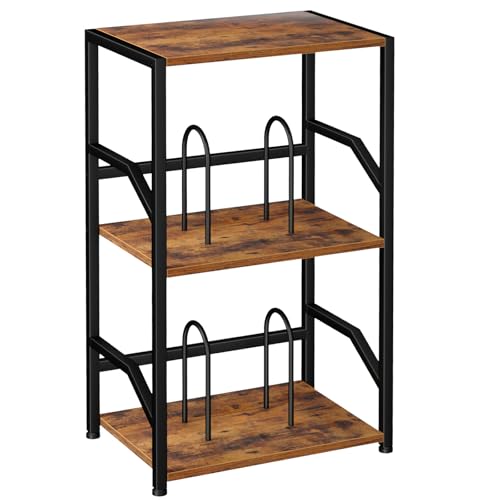


The detail works best when it solves a real problem in the room. Let record storage bring in the decade through color, curve, or material rather than turning the room into a time capsule. The practical test is simple: the idea should make the space easier, prettier, or warmer. If it does all three, it deserves to stay.
A little restraint keeps the look current. Pair bolder color with plain upholstery, let brass or smoked glass show up only once or twice, and keep enough open space around the strongest piece so it feels chosen instead of crowded.
12. Patterned Curtains


Think of this as part of the atmosphere, not a separate decorative announcement. The best retro detail feels collected, so the patterned curtains should sit beside at least one cleaner modern piece. Try the arrangement in daylight and again at night. A detail that looks beautiful in both kinds of light is much more likely to stay.
A little restraint keeps the look current. Pair bolder color with plain upholstery, let brass or smoked glass show up only once or twice, and keep enough open space around the strongest piece so it feels chosen instead of crowded. A final edit helps here: step back, remove one piece that feels too loud, and let the strongest material or color carry the idea.
13. Conversation Layout


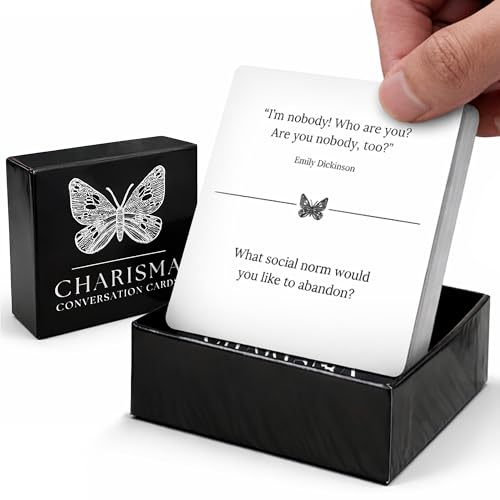
The most polished version leaves a little breathing room around the idea. Use a conversation layout to add personality, then keep the surrounding palette grounded in cream, walnut, rust, olive, or amber. Look at the nearest surface before adding anything else. If it already has color, pattern, or height, keep this layer quieter so the whole area feels intentional.
A little restraint keeps the look current. Pair bolder color with plain upholstery, let brass or smoked glass show up only once or twice, and keep enough open space around the strongest piece so it feels chosen instead of crowded.
14. Plants in Ceramic Pots


This is a good place to choose texture over visual noise. A 70s room needs rhythm, and the plants in ceramic pots can become one beat in a larger mix of wood, glass, textiles, and glow. Try the arrangement in daylight and again at night. A detail that looks beautiful in both kinds of light is much more likely to stay.
A little restraint keeps the look current. Pair bolder color with plain upholstery, let brass or smoked glass show up only once or twice, and keep enough open space around the strongest piece so it feels chosen instead of crowded.
15. Modern Breathing Room


A softer room often begins with one practical swap that looks better than what it replaced. With a modern breathing room, the 70s feeling comes from warmth and shape before it comes from nostalgia. Try the arrangement in daylight and again at night. A detail that looks beautiful in both kinds of light is much more likely to stay.
A little restraint keeps the look current. Pair bolder color with plain upholstery, let brass or smoked glass show up only once or twice, and keep enough open space around the strongest piece so it feels chosen instead of crowded.
If the room feels close but not quite finished, look at the order of the layers.
The makeover guide walks through color, layout, texture, and styling so the final room feels cohesive instead of overdecorated.
Frequently Asked Questions
What is the easiest way to start with 70s living room decor?
Start with one visible anchor piece, then repeat its color, material, or mood in smaller details. This keeps 70s living room decor cohesive without making the room feel overdone.
How do I make 70s living room decor look current?
Pair nostalgic or seasonal pieces with cleaner basics, useful storage, and a restrained palette. The room should feel lived-in and edited, not like every idea arrived at once.
What should I buy first for 70s living room decor?
Start with the item that changes the most surface area or light: a rug, curtains, bedding, table runner, lamp, or main storage piece. Small accessories work best after the foundation is clear.
Can 70s living room decor work in a small space?
Yes. Use fewer pieces with stronger texture, keep the palette tight, and leave negative space around the most important objects so the room feels intentional rather than crowded.
What mistakes should I avoid with 70s living room decor?
Avoid buying too many themed accessories before deciding on the palette and layout. Repetition, scale, and useful materials matter more than novelty pieces.
Key Takeaways
- Choose one clear mood before buying decor, then let color, texture, and light support it.
- Use larger functional pieces first, then layer smaller details only where they add warmth or usefulness.
- Keep the palette tight so the room feels collected instead of crowded.
- Natural materials, warm light, and repeated finishes make the final look feel more expensive.
- The best version of this style supports real life instead of only looking good in a photo.
Final Thoughts
70S Living Room Decor is most successful when it feels personal, edited, and useful. The details should support the way the room is actually lived in, not compete with it. Start with the pieces that affect light, texture, and comfort, then add the smaller accents once the room has a clear direction.
That slower approach is what makes a room feel designed rather than decorated in a hurry. When the palette is tight, the materials repeat, and every object has a little breathing room, the final result feels warm, intentional, and easy to live with.