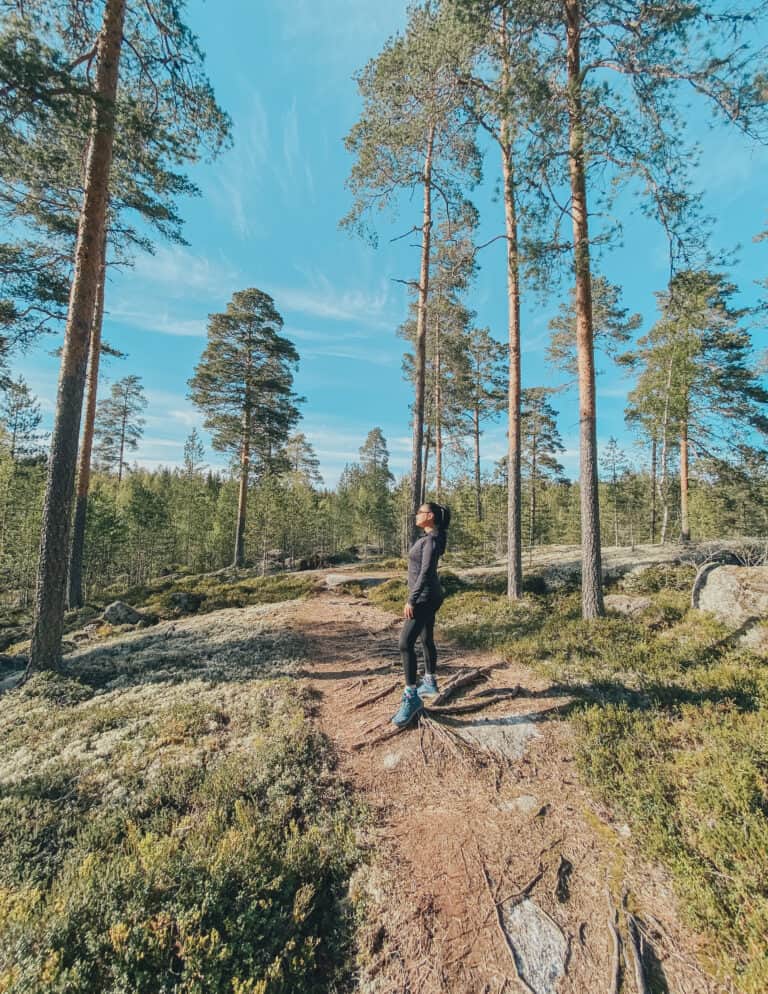
70s rugs mean shag, bold geometrics, flokati, and earthy abstracts. The 15 ideas below cover the retro patterns and textures that ground a groovy room, plus how to layer them for a warm, full floor.
The rug did a lot of work in a 70s room. The era loved a floor you could feel, deep shag underfoot, bold geometric pattern, warm earthy color, and the rug was often the single biggest pattern and texture statement in the space. Get the rug right and a room reads 70s before you add anything else.
The 15 ideas below cover the rug styles, patterns, and textures that define the era, with notes on what makes each one retro. The section at the end covers how to layer 70s rugs for the warm, full floor the decade loved.

Recommended blogs to read:
- a fuller 70s decor guide
- the 70s color palette
- a retro living room
- mid-century living room styling
- a boho layered floor
- a witchier whimsigoth rug
What Makes a Rug 70s
A 70s rug is defined by texture, bold pattern, and earthy color. The texture is often deep and tactile, shag and flokati you sink into, the kind of floor you want to sit on. The pattern is confident and graphic, big geometrics, abstracts, stylized shapes. And the color stays in the warm 70s range, burnt orange, mustard, avocado, brown, rust, and cream.
What separates a 70s rug from a generic one is that it steps forward as a main design element rather than receding under the furniture. The rug is meant to be noticed. Match it to the room’s warm scheme, and our guide to the 70s color palette covers the earthy tones it should echo.
One rule before the list: size up. A 70s rug should be big enough to ground the seating, with at least the front furniture legs sitting on it. An undersized rug floats and undoes the warm, grounded feeling the era is built on.
15 70s Rug Ideas
Choose one bold rug as the anchor, or layer a couple. The section after the list covers layering them.
1. A Deep Shag Rug


The 70s rug icon. A deep shag rug brings thick, tactile pile and warmth underfoot, the kind of floor you want to sink your feet into. In an earthy tone, cream, rust, mustard, brown, it grounds the whole room and reads cozy and retro at once. A shag rug is the single most recognizable 70s floor, and even a budget one delivers the look.
2. A Bold Geometric Rug

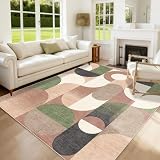


Big, confident geometric patterns, interlocking circles, bold stripes, repeating shapes, in the earthy palette are pure 70s. A geometric rug brings the era’s graphic energy to the floor and anchors a room with one strong pattern block. It works especially well when the rest of the room is calmer, letting the rug be the bold statement the space is built around.
3. A Flokati Rug


The flokati, a thick, shaggy wool rug with a long, loose pile, is a softer cousin of the shag. Traditionally cream or white, it brings plush texture and a relaxed, organic warmth. A flokati layers beautifully over a larger flat rug, and its natural wool pile reads both retro and timeless, working as well in a modern room as a fully 70s one.
4. An Earth-Tone Abstract Rug


The 70s loved abstract rug designs, free-form shapes, painterly blobs, organic patterns in the warm earthy palette. An earth-tone abstract rug brings movement and artistry to the floor without the rigid structure of a geometric. It reads creative and confident, and it pairs easily with both curved and angular furniture since the pattern has no hard grid to clash.
5. A Round Shag Rug

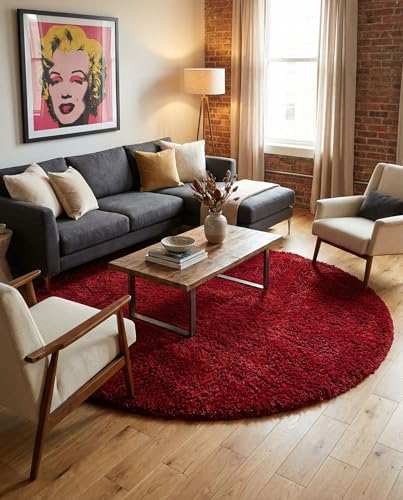


A round shag rug breaks up a room full of straight lines and adds the era’s playful, organic shape. Under a round table, in a reading corner, or anchoring a conversation grouping, a round shag brings retro texture and a softer geometry at once. The circle is a quietly 70s shape, and a round rug keeps the eye moving in a way a rectangle does not.
6. A Washable Retro Rug


Washable rugs now come in genuinely retro patterns and earthy colors, which makes a 70s floor realistic in high-traffic rooms, kitchens, and homes with kids or pets. The practical version means you do not have to choose between the retro look and a livable floor. It is the answer for anyone who loves the 70s rug but needs it to survive real life.
7. A Vintage Persian in Earthy Tones


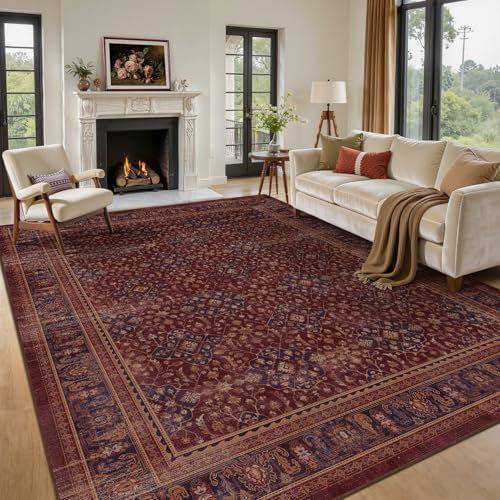
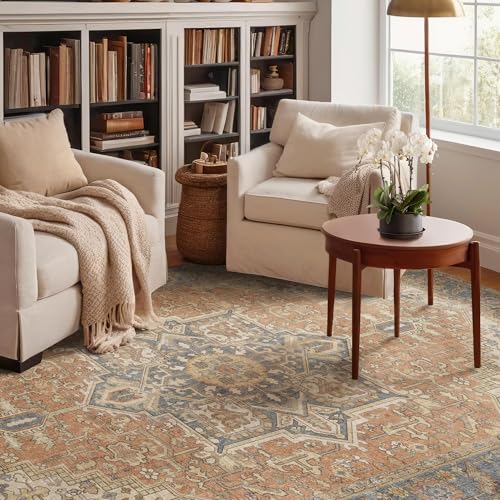
A worn vintage Persian rug in warm, faded earthy tones suits a 70s room beautifully. The era mixed traditional rugs into its eclectic, layered interiors, and a faded Persian brings genuine age and intricate pattern. The warm rust, brown, and gold tones tie straight into the 70s palette, and a vintage piece gives the floor a story a new rug cannot.
8. A Striped Earthy Rug


Bold horizontal stripes in bands of burnt orange, mustard, brown, and cream are a clean, graphic 70s move. A striped rug brings the era’s color confidence in a simpler form than a busy geometric, so it works when the room already has plenty of pattern. The stripes also visually widen a space, and the earthy bands read unmistakably retro.
9. A Kilim or Flat-Weave

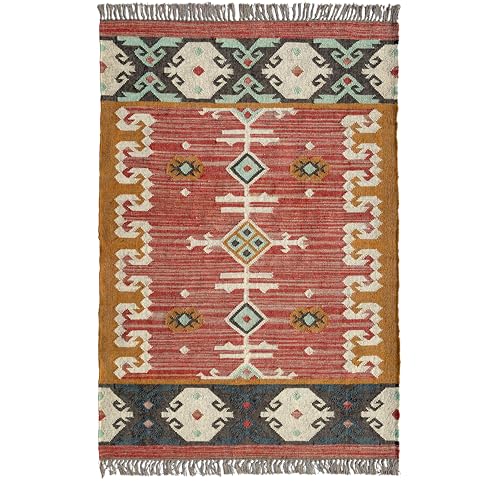

Flat-woven kilims in earthy tones bring bold tribal-style pattern in a thinner, more layerable weight. The 70s loved this kind of textured, globally-inspired rug. A kilim’s flat profile makes it ideal for layering over a shag or a larger base, and the saturated earthy color reads retro while the weave brings genuine craft and texture to the floor.
10. A Sunburst or Circular-Motif Rug


A rug with a bold central sunburst or concentric-circle motif is pure 70s graphic energy on the floor. The radiating pattern echoes the era’s love of the sunburst, and one circular-motif rug anchors a seating group with a strong, deliberate retro statement. It pairs naturally with a sunburst mirror on the wall, tying the room’s retro motifs together.
11. A Jute or Sisal Base


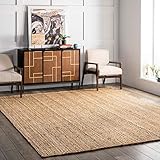
A large natural jute or sisal rug brings the era’s love of natural fiber and works as the perfect layering base. It is cheap, hard-wearing, and neutral enough to sit under any bolder retro rug, and the natural texture reads warm on its own. A jute base extends the floor coverage so a smaller shag or geometric rug can sit centered on top.
12. A High-Low Textured Rug


A high-low rug, with a carved or sculpted pile that creates raised pattern through texture rather than color, is a subtle 70s move. The era loved tactile floors, and a high-low rug brings pattern you can feel as much as see. In a tonal earthy color it reads sophisticated and retro at once, perfect for a room that wants texture without more bold color.
13. A Wall-to-Wall Carpet Look

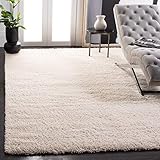

The 70s loved wall-to-wall carpet, often in bold earthy color. You do not have to carpet the room to nod to it, an oversized rug that nearly fills the floor in a warm tone gets the same enveloping, grounded effect. A near-wall-to-wall rug in burnt orange or warm brown reads deeply retro and makes a room feel cosseted and warm.
14. A Runner With Retro Pattern


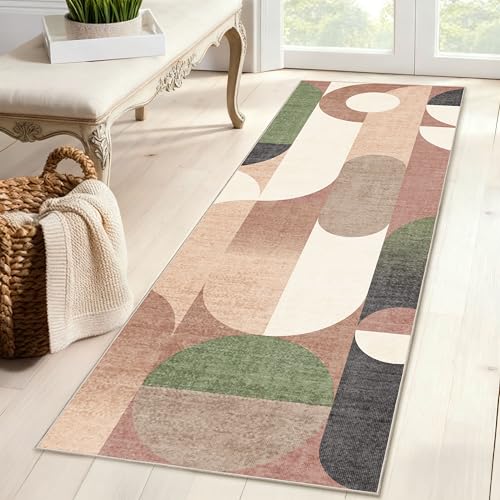

A hallway, kitchen, or bedside is an easy place to add a 70s rug without committing a whole room. A patterned runner in bold geometrics or earthy stripes brings retro color to a narrow space, and it is a low-risk way to start if a full bold rug feels like a leap. The runner is the test drive that proves you can live with the pattern.
15. A Saturated Solid Rug


Not every 70s rug needs pattern. A rug in one deep saturated earthy color, burnt orange, avocado, rust, brings a bold block of color while giving a heavily patterned room a place for the eye to rest. It is the 70s rug for a space that already has plenty of geometric and abstract pattern on the walls and textiles and needs a calmer floor.
How to Layer 70s Rugs
The 70s loved a layered, full floor, and three habits make it work. First, vary the texture and scale: a larger, flatter rug on the bottom, a smaller, plusher one like a flokati or shag on top, so the two have a clear relationship rather than competing. A big jute base under a smaller shag is the reliable starting combination.
Second, keep the colors connected, the two rugs do not need to match but should share at least one earthy tone so the layering reads deliberate. Third, anchor the layout, let the furniture sit partly on the rugs so they feel built into the room rather than floating. A layered 70s floor done this way is warm, textured, and genuinely retro. For the wider look, our 70s retro home decor guide shows rugs working in context.
Frequently Asked Questions
What rug is 70s style?
A 70s rug is defined by texture, bold pattern, and earthy color: deep shag, flokati, bold geometrics, earth-tone abstracts, sunburst motifs, and warm-toned stripes. The texture is often plush and tactile, the pattern is graphic and confident, and the color stays in the warm 70s range.
Is shag carpet back?
Yes, shag is back, mostly as area rugs rather than wall-to-wall. A deep shag rug in an earthy tone reads cozy and retro at once, and it is one of the most recognizable 70s floor moves. Even a budget shag rug delivers the look and the sink-in texture the era loved.
What is a flokati rug?
A flokati is a thick, shaggy wool rug with a long, loose pile, traditionally cream or white. It is a softer cousin of the shag, bringing plush texture and relaxed organic warmth. It layers beautifully over a flat base rug and reads both retro and timeless in a modern room.
How do I do 70s rugs on a budget?
Buy budget shag and geometric rugs, which are inexpensive new, hunt vintage Persians and kilims secondhand where they are often cheap, use an affordable jute base for layering, and start with a patterned runner before committing to a full-room rug if budget is tight.
How do I layer a shag rug?
Put a larger, flatter rug like jute or a flat-weave on the bottom and the shag on top, keep at least one shared earthy color between them, and let the furniture sit partly on the rugs so the layout feels anchored. The texture and scale difference is what makes the layering read deliberate.
Key Takeaways
- A 70s rug is defined by texture, bold pattern, and earthy color, and it steps forward as a main design element.
- The 15 ideas range from deep shag and flokati to bold geometrics, earth-tone abstracts, sunburst motifs, and washable retro patterns.
- Size up, a 70s rug should ground the seating with at least the front furniture legs sitting on it.
- Layer rugs by varying texture and scale, keeping a shared earthy color, and anchoring the furniture partly on top.
- Budget shag and geometric rugs are cheap new, and vintage Persians and kilims are often cheap secondhand.
Final Thoughts
A 70s rug grounds the whole retro room, carrying texture, bold pattern, and warm earthy color all at once. Choose a rug that steps forward, deep shag, a bold geometric, a flokati, an earth-tone abstract, size it up to anchor the seating, and layer it for the warm, full floor the era loved. Done this way, the rug is what makes a room read 70s before anything else. When you are ready for the rest of the room, the 70s living room furniture guide and the 70s decor on a budget guide cover furniture and the affordable path in full.