
70s decor is one of the cheapest looks to fake, because the thrift market is full of it. The 16 budget moves below build a retro room for very little, plus a worked, itemized room refresh.
Here is the good news about 70s decor: it is genuinely cheap to do. The era produced furniture and decor in huge volume, all of it is now flooding the secondhand market, and the look depends on warm color and natural texture rather than expensive materials. A convincing 70s room can be built almost entirely from thrift finds and a few cans of paint.
The 16 budget moves below cover the cheapest ways to get the retro look, from thrifted furniture to peel-and-stick wallpaper. The worked refresh at the end shows how the pieces add up into a complete room without a big spend.

Recommended blogs to read:
Why 70s Decor Is Cheap to Fake
70s decor is cheap for two reasons. First, the secondhand supply is enormous, the era produced furniture, glassware, ceramics, and decor in huge volume, and most of it is still circulating through thrift stores and marketplaces at low prices. Second, the look depends on warm color, natural texture, and curved shape, not on expensive materials or finishes.
That means the retro look rewards thrifting and paint over big purchases. A can of mustard or terracotta paint, a thrifted rattan chair, a secondhand sunburst mirror, and a shag rug will get a room most of the way there. Set the palette first, and our guide to the 70s color palette covers the earthy tones to build around.
One rule before the list: spend on impact, not on everything. Put your small budget where it shows most, the rug, the wall color, one statement piece, and thrift or fake the rest. That is how a cheap 70s room still reads expensive.
16 Budget 70s Moves
Layer several of these together. The worked refresh after the list shows how the costs add up.
1. Paint a Wall an Earthy Color

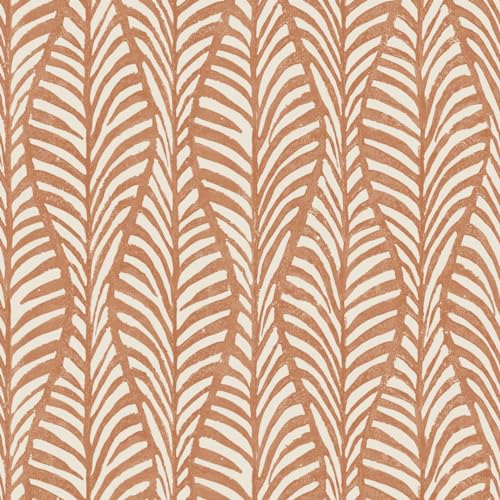


The cheapest high-impact 70s move. A can of paint in burnt orange, mustard, terracotta, or avocado costs little and transforms a room. One feature wall is enough to set the whole retro tone, and the earthy color does more for the look, dollar for dollar, than any piece of furniture. Renters can use peel-and-stick wallpaper for the same effect, removable and clean.
2. Thrift a Shag Rug


A shag rug grounds a 70s room with warmth and texture, and secondhand ones turn up cheaply. Even a new budget shag rug is inexpensive, and in an earthy tone it reads cozy and retro at once. The rug covers a lot of floor and pulls the color scheme together, so it is one of the best places to put a small budget. Our 70s rug ideas guide covers shag and other retro patterns.
3. Hunt a Sunburst Mirror


The sunburst mirror is a 70s icon, and thrift stores are full of them for very little. One sunburst mirror over a sofa or a console anchors a wall with instant retro character. If you cannot find a vintage one, budget reproductions are widely available and cheap. It is a small spend with a big graphic payoff. Our 70s wall decor guide covers retro wall pieces in full.
4. Make Your Own Macrame


Macrame is genuinely cheap to do yourself, a macrame kit or a ball of cord and a tutorial costs almost nothing. A handmade macrame wall hanging or plant hanger brings the era’s soft, handcrafted texture for the price of the materials. It is also a satisfying weekend project, and the slightly imperfect handmade quality reads more authentically 70s than a store-bought one.
5. Thrift Rattan and Cane


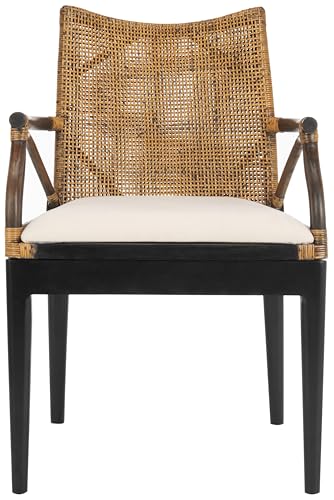
Rattan and cane pieces are everywhere secondhand and usually cheap, a rattan chair, a cane basket, a wicker side table. They bring natural texture and warm color, and they mix easily with modern furniture you already own. One or two thrifted rattan pieces add a real retro layer without the cost of buying new natural-fiber furniture.
6. Swap to Warm Bulbs

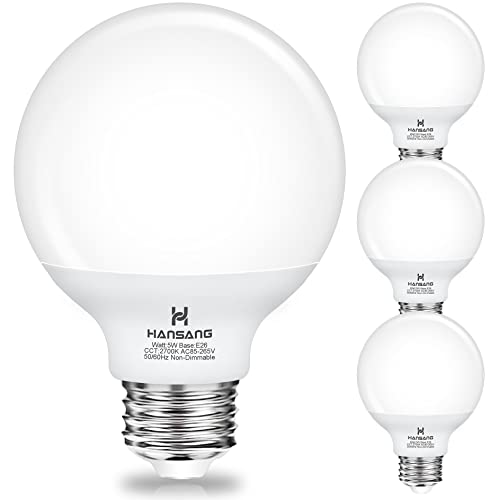

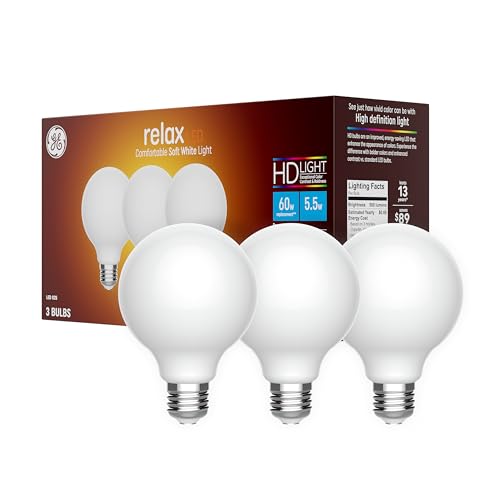
The 70s glow is warm, and swapping every bulb to warm 2700K costs the price of a bulb pack. It is the cheapest atmosphere change there is, and it makes the earthy colors and natural textures read warm and inviting rather than flat. Before buying a single lamp, change the bulbs, it is the highest-value few dollars you can spend on a retro room.
7. Cover a Sofa in Velvet


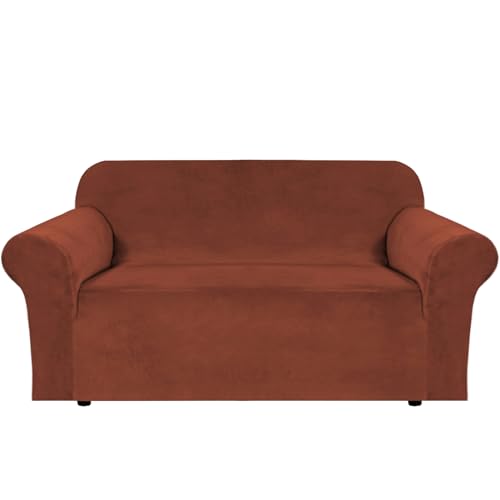

You do not need a new curved velvet sofa. A velvet slipcover in rust, mustard, or brown turns a plain existing sofa retro for a fraction of the cost. The warm velvet texture and earthy color do most of the work, and a slipcover is washable and reversible. It is the budget shortcut to the single most defining 70s living room piece.
8. Buy Vintage Glassware


Amber and smoked vintage glassware is a thrift-store staple and costs next to nothing. A few amber glasses, a smoked-glass vase, an old decanter, scattered on a shelf or a bar cart, thread the era’s warm-glass signature through a room. It is one of the cheapest retro details there is, and the warm tinted glass catches light beautifully.
9. Add Cheap Houseplants



The 70s houseplant look is nearly free to build. Cuttings, small starter plants, and pothos are cheap or free, and they grow into the lush, trailing greenery the era loved. Put them in thrifted pots and macrame hangers, and a few dollars of plants brings the relaxed, organic warmth that is core to the whole retro feeling.
10. Thrift a Credenza

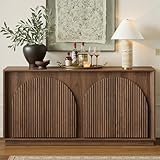
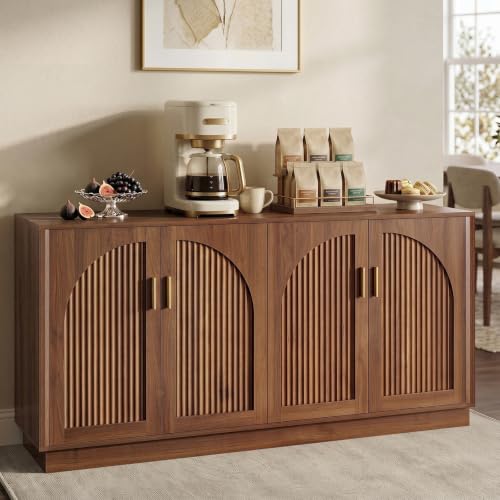
Warm-wood credenzas and sideboards turn up constantly secondhand, often for less than a flat-pack equivalent. A teak or walnut credenza brings genuine 70s warmth, real storage, and a styling surface. Even a tired one cleans up well with a little wood oil. It is the best-value large furniture buy for a budget retro room, and it grounds a whole wall.
11. Geometric Peel-and-Stick Wallpaper


Bold geometric peel-and-stick wallpaper brings the era’s pattern energy for a low cost and comes off clean. One accent wall of retro geometric pattern is a big visual statement for the price of a roll or two. It is renter-safe, it requires no skill to apply, and it delivers the kind of confident 70s pattern that would otherwise need an expensive custom job.
12. Frame Retro Prints


Retro art is cheap to fake. Free printable 70s-style geometric and stylized floral art, or pages from a thrifted vintage book, framed in simple frames, fill a wall with era-appropriate pattern for almost nothing. A small gallery of retro prints in the earthy palette brings color and graphic energy without the cost of original art.
13. Thrift Chunky Ceramics

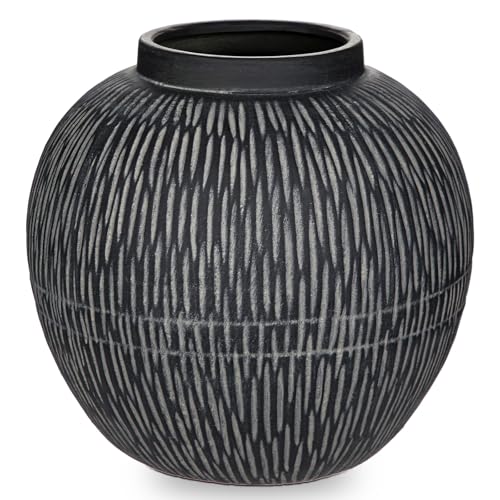
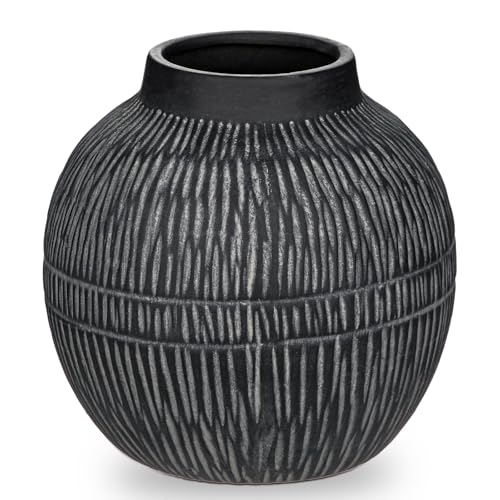

Chunky 70s pottery, in earthy glazes, drip patterns, and rounded shapes, is a thrift-store regular and cheap. A few pieces of vintage ceramic, a fat vase, a textured bowl, a glazed lamp base, scattered on shelves and surfaces, add genuine retro character. These small collected objects are what give a budget room its lived-in, gathered feeling.
14. Reupholster a Thrift Chair


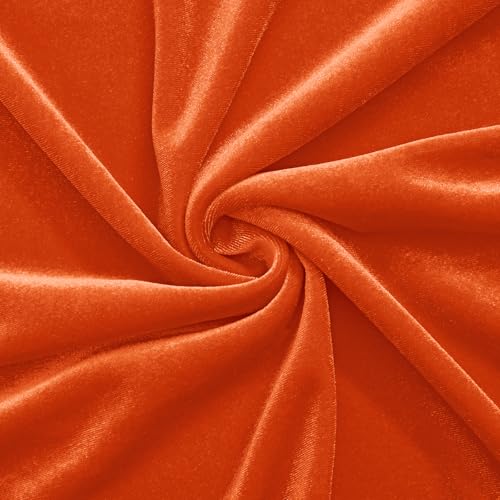

A thrifted chair with a great curved 70s frame and ugly fabric is a bargain in disguise. A cheap reupholster, or even a simple fabric or a slipcover, in a warm earthy tone turns it into a statement piece for far less than a new one. Judge thrift chairs on their shape and frame, since the fabric is the easy, cheap part to change.
15. Make a Cork Board Wall

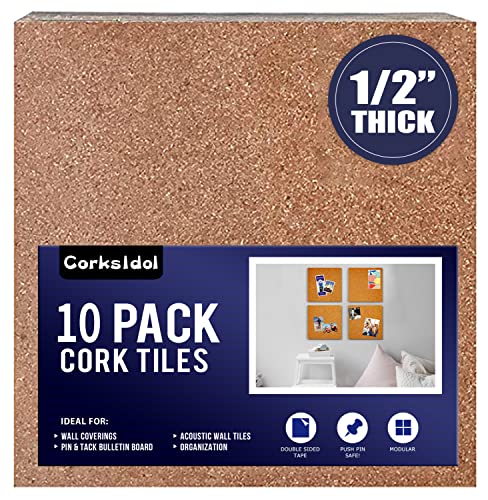
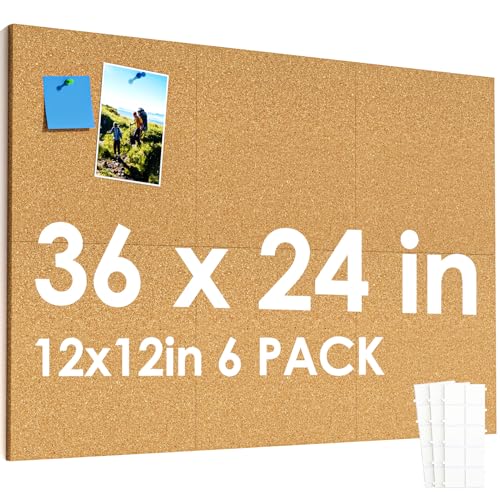
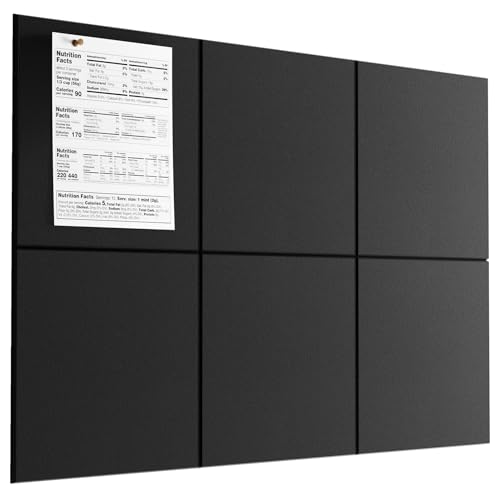
Cork is a cheap, genuine 70s material. Cork tiles or a cork board section bring warm natural texture to a wall for very little, and they double as a functional pin surface. It is an unexpected, low-cost retro detail that reinforces the era’s love of natural materials, and it is fully renter-friendly with the right adhesive.
16. Style With Thrifted Books


Vintage books with worn, earthy-toned spines cost almost nothing and style a shelf beautifully. Grouped in stacks and rows, thrifted 70s-era books add color, texture, and authenticity to open shelving for pennies. It is the cheapest possible styling layer, and books on the shelves also just make a budget room feel lived-in and warm rather than sparse.
A Worked 70s Room Refresh on a Budget
Here is how the moves add up in a living room. Start with the walls and floor: one can of terracotta paint on a feature wall and a budget shag rug, the two biggest-impact, lowest-cost changes. Then the sofa: a warm velvet slipcover over the existing one. That alone shifts the room firmly retro for the cost of paint, a rug, and a cover.
Then layer in the thrifted and handmade pieces: a secondhand rattan chair, a thrifted teak credenza, a hunted sunburst mirror, a homemade macrame hanging, a cluster of cheap houseplants in thrifted pots, amber glassware on the shelves, and a stack of vintage books. Swap every bulb to warm, and the room is complete, a full retro living room built almost entirely from thrift finds, paint, and a weekend of effort. For the wider look, our 70s retro home decor guide covers the full aesthetic.
Frequently Asked Questions
How do I do 70s decor cheaply?
Spend on impact and thrift the rest. Paint a feature wall an earthy color, add a budget shag rug, and use a velvet slipcover on your existing sofa, then thrift rattan, a credenza, a sunburst mirror, ceramics, and glassware. Swap to warm bulbs and make your own macrame.
Is 70s decor cheap to thrift?
Yes, very. The 70s produced furniture and decor in huge volume, and most of it still circulates through thrift stores and marketplaces at low prices. Curved sofas, teak credenzas, rattan chairs, sunburst mirrors, ceramics, and amber glassware are all common and cheap secondhand.
What’s the cheapest 70s change?
A can of earthy-colored paint on one feature wall, or swapping every bulb to warm 2700K. Both cost very little and transform how retro a room reads, the paint sets the whole tone and the warm bulbs make the earthy colors and natural textures glow.
Can renters do 70s decor?
Yes. Use peel-and-stick wallpaper instead of paint, both geometric patterns and solid earthy colors come in removable versions. Everything else, the rug, slipcover, thrifted furniture, macrame, plants, glassware, and warm bulbs, travels with you and leaves no trace.
How much does a 70s room refresh cost?
Far less than most makeovers. The biggest costs are paint and a shag rug, both modest, plus a few thrifted furniture pieces bought cheaply secondhand. Macrame, plants, glassware, and styling can be near-free, so a full retro room refresh is genuinely achievable on a small budget.
Key Takeaways
- 70s decor is cheap to fake because the thrift market is flooded with it and the look depends on color and texture, not costly materials.
- The 16 budget moves range from an earthy painted wall and a velvet slipcover to thrifted rattan, homemade macrame, and warm bulbs.
- Spend on impact, the rug, the wall color, one statement piece, and thrift or fake everything else.
- The biggest-impact cheap moves are an earthy feature wall, a shag rug, a velvet slipcover, and warm 2700K bulbs.
- A full retro room refresh is achievable on a small budget, built from thrift finds, paint, and a weekend of effort.
Final Thoughts
70s decor is one of the most budget-friendly looks you can chase, because the thrift market is overflowing with it and the aesthetic rewards warm color and natural texture over expensive materials. Spend on the high-impact basics, an earthy wall, a shag rug, a velvet slipcover, and thrift, make, or fake the rest. Done this way, a full retro room comes together for very little. When you are ready for more, the 70s wall decor guide and the 70s living room furniture guide cover the walls and furniture in full.