70s retro home decor brings earth tones, shag, rattan, and sunburst style into a modern home. The 18 ideas below build that groovy look, plus how to do it without ending up in a time capsule.
70s decor is having a real moment, and for good reason, the earthy warmth, the texture, and the relaxed confidence of the era feel fresh again. The risk is going too far, a room that copies the 70s wholesale reads like a museum set rather than a home someone actually lives in.
The 18 ideas below cover the colors, the textures, the furniture, and the patterns that define 70s retro decor, with specific things to buy. The section at the end covers how to take the look modern so it reads groovy rather than dated.
Building a 70s retro room and not sure where to start?
The Aesthetic Apartment Makeover Guide walks you through a room in the right order, so a retro look comes together as one warm, considered space.

Recommended 70s Retro Decor
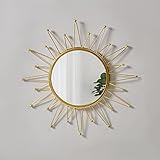
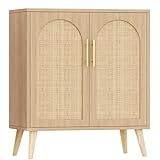
Six pieces that anchor a 70s retro room, from a sunburst mirror to shag and rattan.




Recommended blogs to read:
- a fuller 70s decor guide
- the 70s color palette
- a retro living room
- the mid-century cousin
- a bolder maximalist palette
What Defines 70s Retro Decor
70s retro decor is built on three things: earthy color, natural texture, and curved, low-slung shapes. The palette runs warm and grounded, burnt orange, mustard, avocado, brown, rust, cream. The textures are tactile and natural, shag, rattan, cork, wood, macrame. And the furniture is rounded and relaxed rather than sharp and formal. Together they make a room feel warm, easy, and lived-in.
Pattern is the fourth ingredient, big bold geometrics, sunbursts, and stylized florals in those same earthy colors. The whole look is confident and unfussy, which is exactly why it feels modern again. Set the palette first, and our guide to the 70s color palette covers the earthy tones the look rests on.
One rule before the list: edit, do not copy. The 70s had plenty of misses alongside the hits. Take the warm colors, the texture, and the curved shapes, and leave the dated specifics, and the room reads retro-inspired rather than time-capsule.
18 70s Retro Home Decor Ideas
Layer several of these together. The section after the list covers keeping it modern.
1. An Earthy Color Palette


The foundation of 70s retro decor. Build the room from warm, grounded colors, burnt orange, mustard yellow, avocado green, chocolate brown, rust, and cream. These earthy tones are what make the look instantly read 70s, and they feel warm and current rather than dated when used thoughtfully. Pick two or three to lead and let cream or brown be the calm base they sit against.
2. A Curved Velvet Sofa


The 70s living room anchor. A low, curved sofa in warm velvet, rust, mustard, brown, or cream, captures the relaxed, rounded shape that defines the era. A curved velvet cover transforms a plain sofa if a new one is out of budget. The soft curve and warm tone do a huge amount of the retro work, and they read as bold modern design rather than dated.
3. A Shag Rug


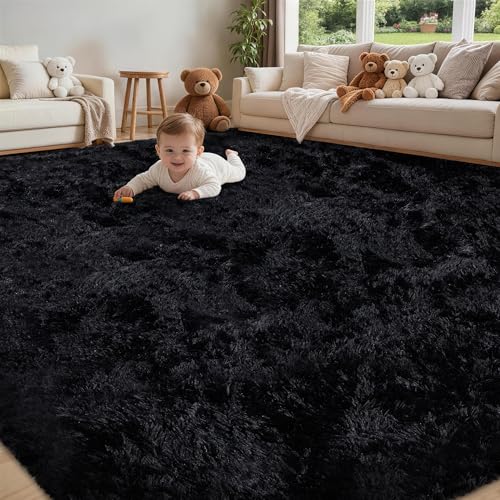
Few things say 70s like a deep shag rug. The thick, tactile pile brings warmth and texture underfoot, and in an earthy color it grounds the whole room. A shag rug in a cream or rust tone reads cozy and modern rather than kitsch, especially in an otherwise restrained room. Our 70s rug ideas guide covers shag and other retro patterns in full.
4. Rattan and Cane Furniture


Rattan, cane, and wicker are core 70s materials, and they have stayed stylish ever since. A rattan chair, a cane-front sideboard, a wicker peacock chair, each brings natural texture and warm color to a retro room. These pieces are widely available secondhand, they mix easily with modern furniture, and the natural fiber keeps a 70s room feeling light rather than heavy.
5. A Sunburst Mirror

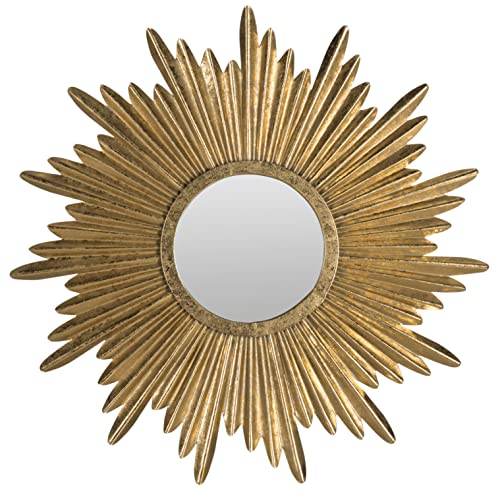
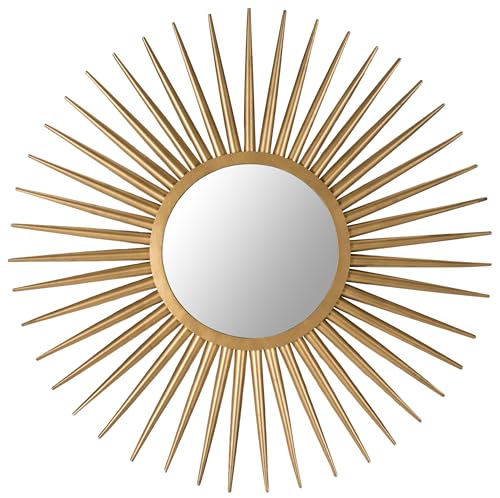
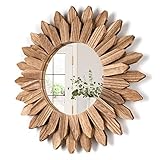
The sunburst mirror is a 70s icon. Its radiating spokes, in brass, gold, or natural fiber, make a bold graphic statement on a wall and bounce light around the room. One sunburst mirror over a sofa, a console, or a bed is enough to anchor a wall with retro character. Our 70s wall decor guide covers sunbursts and other retro wall pieces in full.
6. Macrame Wall Hangings


Macrame brings the soft, handmade texture the 70s loved. A macrame wall hanging, a plant hanger, or a fringed textile adds warmth and craft to a retro room without adding color. The knotted texture reads bohemian and tactile, and a single large macrame piece on an empty wall is a quiet, characterful way to bring the era in without going loud.
7. Bold Geometric Patterns


Big, confident geometric patterns are pure 70s, on a rug, a cushion, a wallpaper, or a piece of art. Think interlocking circles, bold stripes, and stylized shapes in the earthy palette. The trick is to let one geometric piece lead per room rather than covering every surface, so the pattern reads as a deliberate retro nod rather than overwhelming the space.
8. Warm Wood Tones



The 70s loved warm, honey-toned wood, teak, walnut, and oak in mid-tone finishes. A wood sideboard, a slatted room divider, wood-framed furniture, each brings the era’s warmth and grain. Vintage wood pieces are ideal, they carry the right tone and age, and they are usually cheaper secondhand. Warm wood is the steady backbone that lets the bolder retro pieces shine.
9. A Statement Floor Lamp

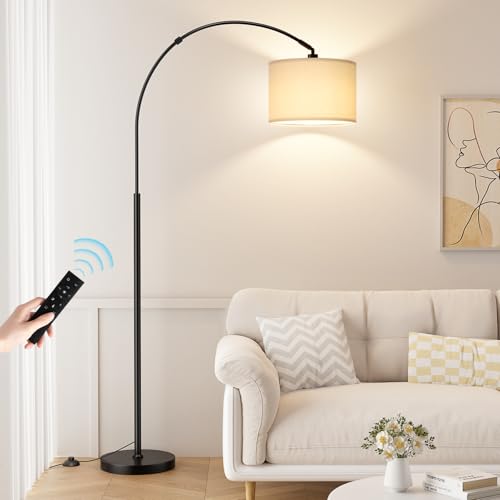
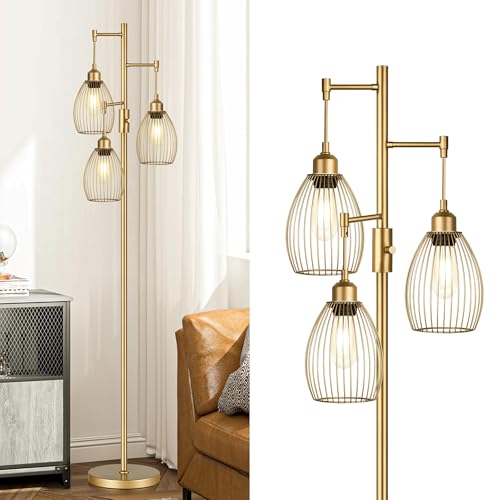

70s lighting was sculptural and fun. An arc floor lamp, a mushroom lamp, or a globe fixture brings the era’s playful confidence and a warm glow. A single statement retro lamp in a corner doubles as art and a light source. Our 70s lighting ideas guide covers mushroom lamps, arc lamps, and the rest in full.
10. Houseplants Everywhere


The 70s was the original houseplant era, and greenery is core to the look. Trailing plants in macrame hangers, a big leafy plant in a corner, a cluster on a windowsill, all bring the relaxed, organic warmth the decade loved. Plants are cheap, they soften hard furniture lines, and they keep a retro room feeling alive rather than like a styled set.
11. A Conversation Pit Feel


You do not need to sink the floor to capture the 70s conversation-pit spirit. Arrange low, soft seating inward around a coffee table, add floor cushions and poufs, and keep everything relaxed and grounded. The low, inward, lounge-y layout is a recognizable 70s move, and it makes a living room feel sociable and easy in a way upright formal seating never does.
12. Cork and Natural Materials

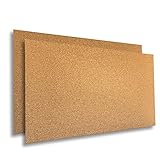


Cork, jute, terracotta, and other natural materials bring the earthy, tactile quality the 70s was built on. A cork board wall, jute baskets, terracotta pots, a cork-topped table, each adds warm texture in a quiet way. These materials are inexpensive and easy to find, and they reinforce the natural, grounded feeling without adding more pattern or bold color.
13. A Bar Cart


The bar cart is a 70s entertaining staple, and a brass or chrome one styled with vintage glassware brings instant retro glamour. It is a small piece with a big character payoff, and it doubles as styled storage and a functional surface. A thrifted bar cart refreshed and styled with amber glass and a plant is an easy, affordable retro statement.
14. Earthy Stylized Florals


The 70s floral was stylized and graphic, not delicate, big bold blooms in earthy colors on a rug, a cushion, or a piece of art. These retro florals read confident and a little funky, and they pair well with the geometric patterns rather than clashing. One stylized floral piece per room, in the warm palette, brings the era’s pattern energy without overwhelming the space.
15. A Slatted Wood Divider


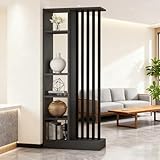

Slatted wood room dividers and screens are a 70s architectural detail that still looks striking. A wood-slat divider zones an open space, adds warm vertical texture, and reads as deliberate retro design. Freestanding versions need no installation, so it is a renter-friendly way to bring a real piece of 70s architecture into a modern room.
16. Amber and Smoked Glass


Amber, smoked, and honey-toned glass is a quiet 70s signature, on a lamp, a vase, a glassware set, a pendant shade. The warm-tinted glass catches the light and reads instantly retro without taking up space or adding pattern. A few pieces of amber glass scattered through a room, a vase here, a lamp there, thread the era’s warmth through the whole space.
17. A Smoked-Glass Coffee Table

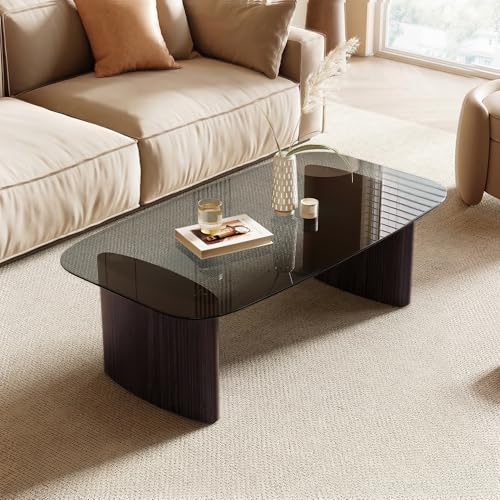


A smoked-glass coffee table, often with a chrome or brass base, is a recognizable 70s living room piece. The tinted glass keeps it visually light while still reading retro, and the chrome base adds the era’s touch of glamour. It pairs especially well with a curved velvet sofa and a shag rug, completing the core 70s living room trio.
18. Collected Vintage Objects


The finishing layer of a 70s room is the small stuff, vintage ceramics, chunky pottery, retro books, brass objects, and amber glassware grouped on shelves and surfaces. These collected pieces give the room its lived-in, gathered character, and they are cheap secondhand. They are also what stop a 70s-inspired room from looking like a furniture showroom rather than a real home.
Want the whole home to tie together?
The Aesthetic Apartment Makeover Guide breaks the whole home down room by room, so every space ties into one cohesive scheme. Worth every penny at $17, and the price goes up to $27 soon.
How to Do 70s Without the Time Capsule
The thing that keeps 70s decor modern is editing. Take the era’s best ideas, the warm earthy palette, the natural texture, the curved shapes, the bold pattern, and use them with restraint, mixed into a room that also has modern pieces. A room that copies the 70s wholesale reads as a costume. A room that borrows a few strong retro elements reads as confident, current design.
Two habits help. Let modern simplicity balance the retro, clean-lined modern furniture alongside the curved vintage pieces, plain walls behind the bold patterns, so the eye has somewhere to rest. And pick your statements, one sunburst mirror, one shag rug, one curved sofa per room, not all the retro signatures at once. A 70s-inspired room built this way feels groovy and warm rather than dated. For the affordable path, our 70s decor on a budget guide covers building it cheaply.
Frequently Asked Questions
What is 70s retro decor?
70s retro decor is built on earthy color, natural texture, and curved low-slung shapes. The palette runs burnt orange, mustard, avocado, brown, and cream, the textures are shag, rattan, cork, and macrame, and bold geometric and stylized floral patterns finish the look.
How do I do 70s decor without it looking dated?
Edit rather than copy. Take the warm palette, natural texture, and curved shapes, mix them into a room that also has modern pieces, leave plain walls behind bold patterns, and pick one or two retro statements per room rather than using every 70s signature at once.
What colors are 70s?
The 70s palette is warm and earthy: burnt orange, mustard yellow, avocado green, chocolate brown, rust, and cream. Pick two or three to lead and let cream or brown be the calm base they sit against, which keeps the palette feeling current rather than dated.
Is 70s decor back in style?
Yes, 70s retro decor has strong, steady demand. The earthy warmth, natural texture, and relaxed curved shapes of the era feel fresh again, and it overlaps with mid-century modern and maximalism, which keeps it current. The key is borrowing from it rather than copying it wholesale.
How do I mix 70s with modern?
Use the 70s pieces as statements and let modern simplicity balance them: a curved vintage velvet sofa with clean-lined modern side tables, a bold retro rug under modern seating, a sunburst mirror on a plain wall. The contrast is what makes the retro read deliberate rather than dated.
Key Takeaways
- 70s retro decor is built on earthy color, natural texture, and curved low-slung shapes, finished with bold pattern.
- The 18 ideas range from an earthy palette and curved velvet sofa to shag, rattan, sunburst mirrors, and macrame.
- The palette runs burnt orange, mustard, avocado, brown, rust, and cream, warm and grounded rather than bright.
- Edit rather than copy, borrow a few strong retro elements and mix them with modern pieces to avoid the time-capsule look.
- Pick one or two retro statements per room and let modern simplicity and plain walls balance the bold patterns.
Final Thoughts
70s retro decor is warm, textured, and confident, and it feels modern again precisely because of that. Build it from an earthy palette, curved velvet, shag, rattan, and natural texture, then add the bold patterns and retro icons as statements rather than covering every surface. Edit rather than copy, balance the retro with modern simplicity, and a 70s-inspired room reads groovy and current rather than dated. When you are ready to go deeper, the 70s living room furniture guide and the 70s color palette guide cover furniture and color in full.