

Quick Answer: A Zen porch feels peaceful when the entrance is clean, the plants are intentional, and the lighting is soft. Use simple planters, a natural doormat, lanterns, a bench, and greenery with space around it.
Zen porch home decor ideas should feel calm because the room works better, not because it has been stripped of personality. The most successful Zen spaces have warmth, storage, softness, and a clear path for the way people actually move through them.
I would think in layers: first remove the visual noise, then add one natural material, one better storage choice, one softer light source, and one small ritual that makes the room easier to return to.
The 16 ideas below are specific enough to act on but flexible enough for rentals, apartments, shared homes, and rooms that need calm without becoming plain.

Recommended Zen Porch Decor
The best product choices here are practical mood-setters: storage, lighting, textiles, trays, vases, planters, and natural materials that make the room easier to use while changing how it feels.


Recommended blogs to read:
- Japanese Zen home decor
- calm Zen bedroom ideas
- living room Zen decor
- modern Zen decor ideas
- Zen garden home decor
- soft Zen curtain ideas
16 Zen Porch Home Decor Ideas for a Calm Outdoor Landing
Use these ideas as a menu rather than a checklist. The strongest rooms rarely need every detail. They need the right details placed where they support the way the room is used.
1. Plain Coir Doormat


Before adding another accessory, look at what this part of the room needs to do. The calmest version of a plain coir doormat comes from proportion, texture, and the empty space beside it. Repeat one material nearby, such as wood, linen, glass, ceramic, or greenery, so the idea feels connected.
Natural materials do most of the heavy lifting. Wood, bamboo, linen, cotton, stone, clay, rattan, and warm light bring depth without adding visual static, especially when storage hides the things that do not need to be seen. For more room-specific inspiration, read Japanese Zen home decor.
This is also a good place to repeat a tone from somewhere else in the room. A similar wood shade or warm neutral makes the detail feel like part of the architecture.
2. Ceramic Planter Pair

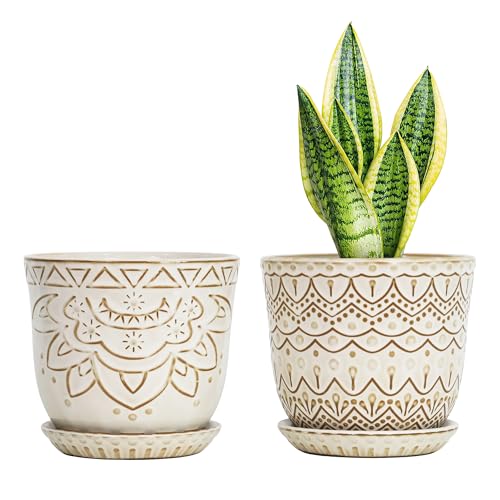

A polished room usually gives this idea a little space instead of crowding it. Treat a ceramic planter pair as part of the daily routine, because calm is easier to keep when it is practical. Try it in the morning and again under lamps at night before adding more around it.
Natural materials do most of the heavy lifting. Wood, bamboo, linen, cotton, stone, clay, rattan, and warm light bring depth without adding visual static, especially when storage hides the things that do not need to be seen. For more room-specific inspiration, read calm Zen bedroom ideas.
Leave the nearest corner slightly underfilled. Zen styling loses its softness when every ledge, hook, or shelf is asked to perform.
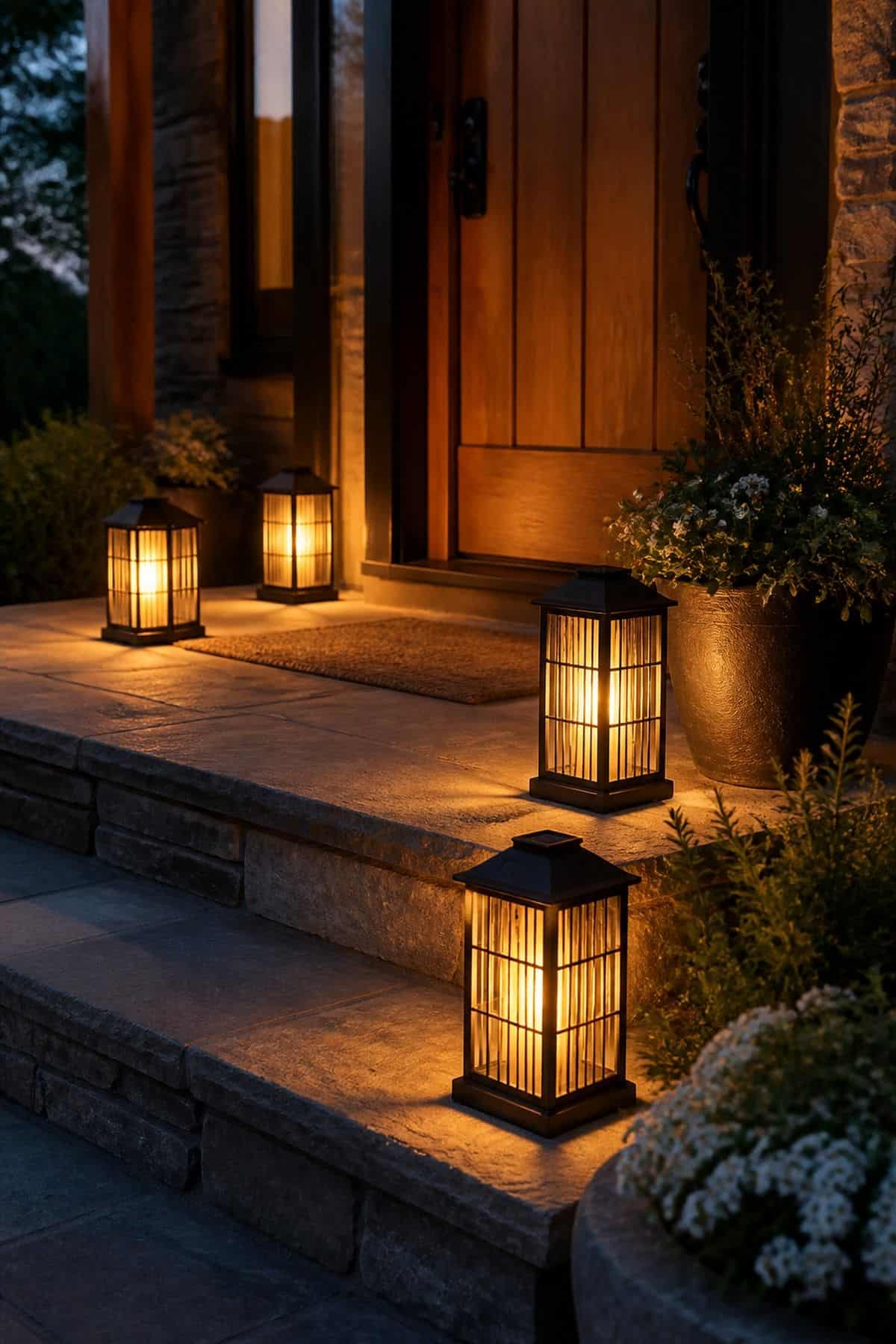
3. Warm Solar Lanterns


![[2 Pack] TAKE ME 14' Solar Lantern Outdoor Garden Hanging Lantern Waterproof LED...](https://m.media-amazon.com/images/I/51KT--J6I9L._SL160_.jpg)
The difference between charming and cluttered is almost always placement. When the warm solar lanterns is simple but tactile, the room can feel edited without feeling bare. Try it in the morning and again under lamps at night before adding more around it.
Natural materials do most of the heavy lifting. Wood, bamboo, linen, cotton, stone, clay, rattan, and warm light bring depth without adding visual static, especially when storage hides the things that do not need to be seen. For more room-specific inspiration, read living room Zen decor.
The final test is whether the room feels easier to reset at the end of the day. If the idea adds calm and reduces mess, it is doing real work.
4. Bamboo Bench


This detail should make the room easier to use, not just prettier to photograph. In this room, a bamboo bench should lower the visual volume while still feeling warm to use. Try it in the morning and again under lamps at night before adding more around it.
Natural materials do most of the heavy lifting. Wood, bamboo, linen, cotton, stone, clay, rattan, and warm light bring depth without adding visual static, especially when storage hides the things that do not need to be seen. For more room-specific inspiration, read modern Zen decor ideas.
For a calmer finish, keep nearby labels, cords, and everyday clutter out of view. That simple edit lets the texture feel intentional instead of competing with the rest of the room.
5. Neutral Outdoor Cushion

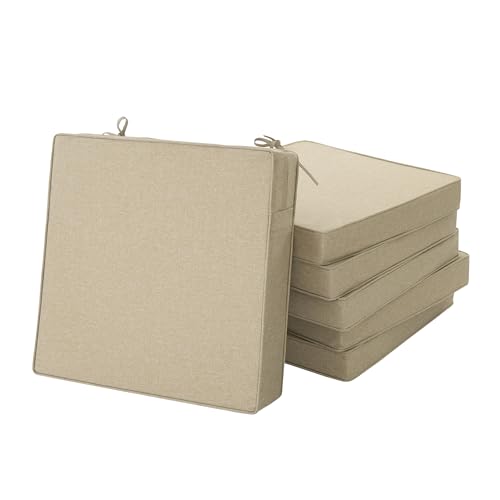

A small shift in material can change the whole mood. Let a neutral outdoor cushion support the rhythm of the room before asking it to be decorative. Try it in the morning and again under lamps at night before adding more around it.
Natural materials do most of the heavy lifting. Wood, bamboo, linen, cotton, stone, clay, rattan, and warm light bring depth without adding visual static, especially when storage hides the things that do not need to be seen. For more room-specific inspiration, read Zen garden home decor.
If the room is small, scale matters more than quantity. One generous piece with a quiet finish will usually look better than several tiny accents trying to create the same feeling.
6. Rattan Porch Basket


The most useful styling choices feel natural after the holiday or trend passes. A Zen space benefits when a rattan porch basket has a clear purpose and a quieter material story. Repeat one material nearby, such as wood, linen, glass, ceramic, or greenery, so the idea feels connected.
Natural materials do most of the heavy lifting. Wood, bamboo, linen, cotton, stone, clay, rattan, and warm light bring depth without adding visual static, especially when storage hides the things that do not need to be seen.
Pay attention to what your hand touches here. A smooth wood edge, a soft cotton weave, or a cool ceramic surface can make the room feel considered in a way color alone cannot.
7. Stone Garden Stool


This is where restraint makes the room feel more expensive. The calmest version of a stone garden stool comes from proportion, texture, and the empty space beside it. Repeat one material nearby, such as wood, linen, glass, ceramic, or greenery, so the idea feels connected.
Natural materials do most of the heavy lifting. Wood, bamboo, linen, cotton, stone, clay, rattan, and warm light bring depth without adding visual static, especially when storage hides the things that do not need to be seen.
This is also a good place to repeat a tone from somewhere else in the room. A similar wood shade or warm neutral makes the detail feel like part of the architecture.
8. Black Plant Stand
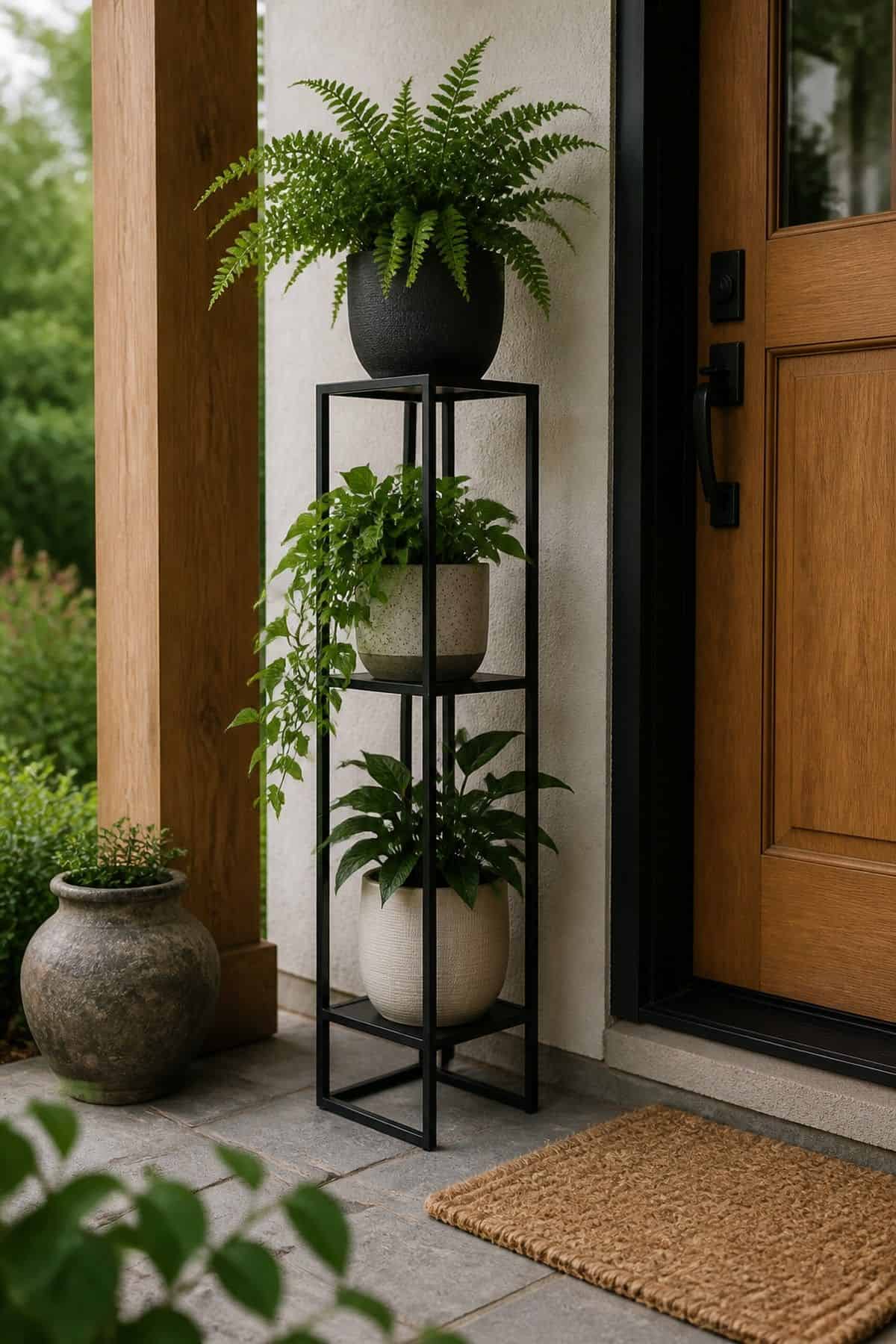


Think about what the eye sees first, then decide how much decoration the spot can hold. Treat a black plant stand as part of the daily routine, because calm is easier to keep when it is practical. Repeat one material nearby, such as wood, linen, glass, ceramic, or greenery, so the idea feels connected.
Natural materials do most of the heavy lifting. Wood, bamboo, linen, cotton, stone, clay, rattan, and warm light bring depth without adding visual static, especially when storage hides the things that do not need to be seen.
Leave the nearest corner slightly underfilled. Zen styling loses its softness when every ledge, hook, or shelf is asked to perform.
9. Clean Door Hardware
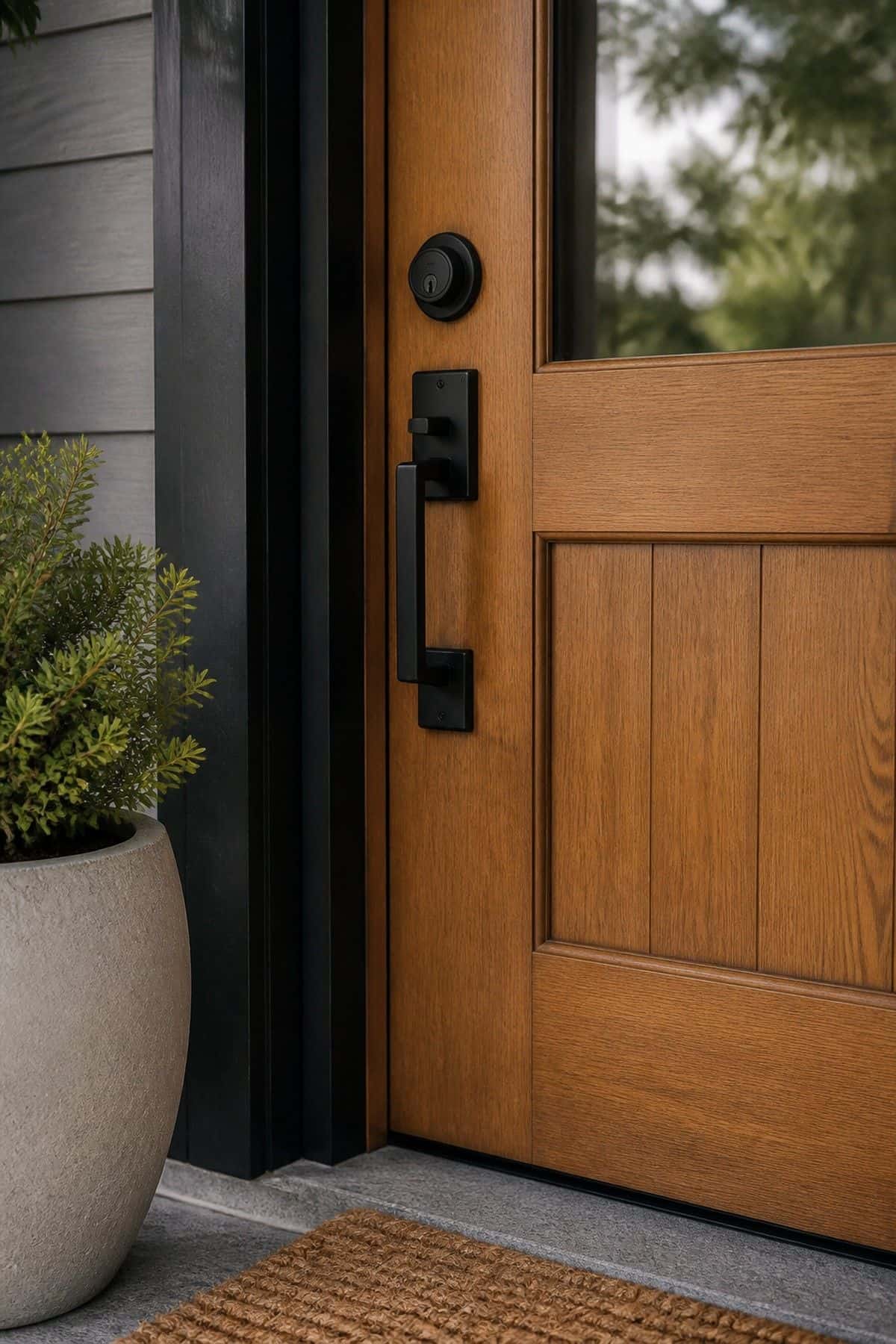


The best homes make these details feel lived in rather than staged. When a clean door hardware is simple but tactile, the room can feel edited without feeling bare. Try it in the morning and again under lamps at night before adding more around it.
Natural materials do most of the heavy lifting. Wood, bamboo, linen, cotton, stone, clay, rattan, and warm light bring depth without adding visual static, especially when storage hides the things that do not need to be seen.
The final test is whether the room feels easier to reset at the end of the day. If the idea adds calm and reduces mess, it is doing real work.
10. One Sculptural Plant

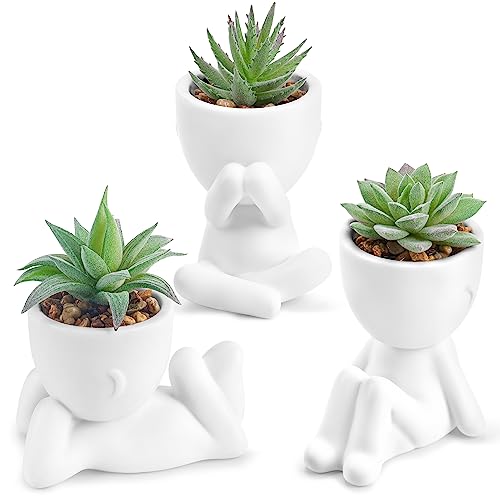


A room often starts feeling better when one practical detail becomes beautiful too. In this room, one sculptural plant should lower the visual volume while still feeling warm to use. Keep the surrounding surface edited so the shape, color, or texture has room to register.
Natural materials do most of the heavy lifting. Wood, bamboo, linen, cotton, stone, clay, rattan, and warm light bring depth without adding visual static, especially when storage hides the things that do not need to be seen.
For a calmer finish, keep nearby labels, cords, and everyday clutter out of view. That simple edit lets the texture feel intentional instead of competing with the rest of the room.
11. Low Wind Chime
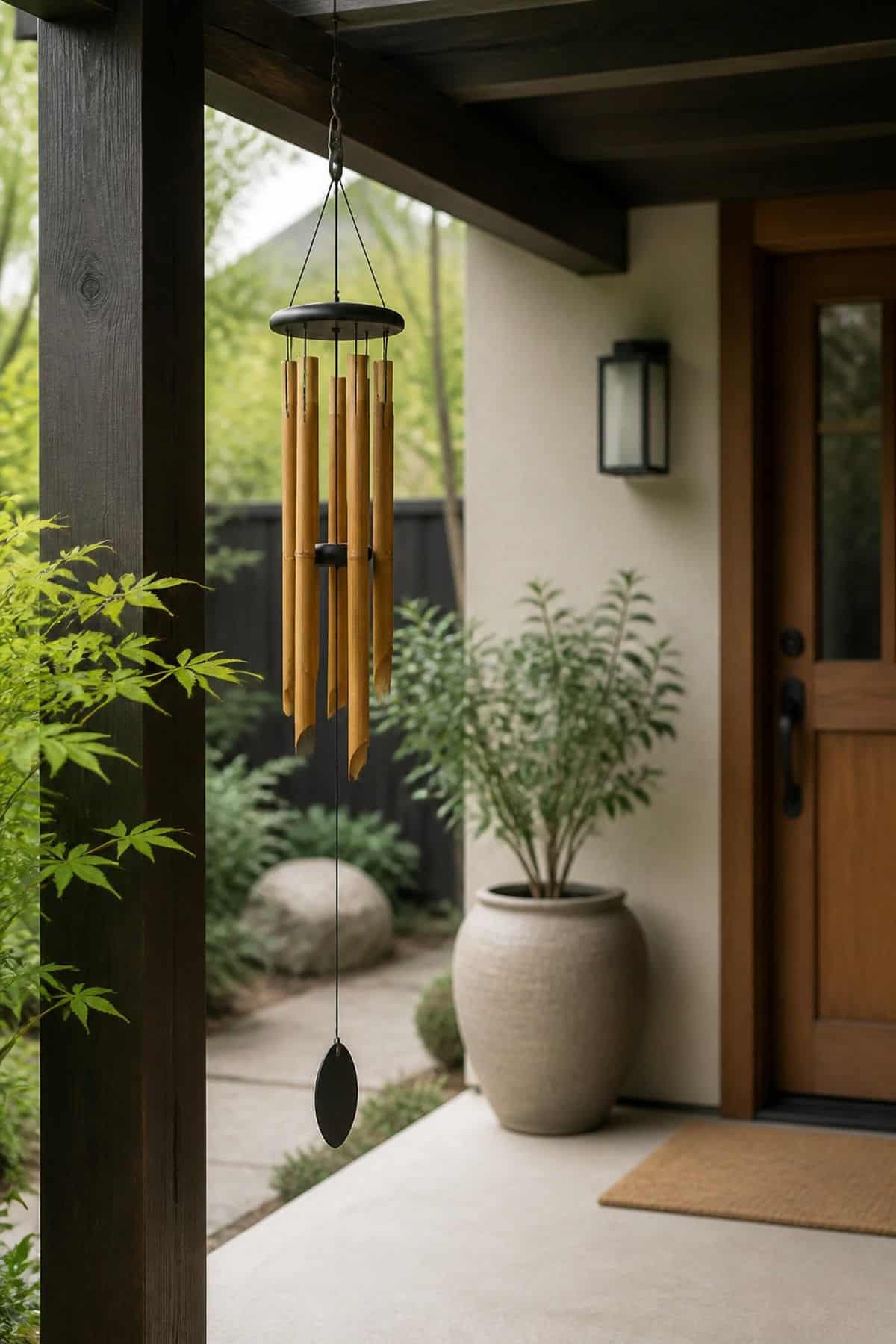


This is the kind of move that works quietly in the background. Let a low wind chime support the rhythm of the room before asking it to be decorative. Repeat one material nearby, such as wood, linen, glass, ceramic, or greenery, so the idea feels connected.
Natural materials do most of the heavy lifting. Wood, bamboo, linen, cotton, stone, clay, rattan, and warm light bring depth without adding visual static, especially when storage hides the things that do not need to be seen.
If the room is small, scale matters more than quantity. One generous piece with a quiet finish will usually look better than several tiny accents trying to create the same feeling.
12. Soft Porch Rug


The strongest version comes from choosing better, not adding more. A Zen space benefits when a soft porch rug has a clear purpose and a quieter material story. If the area already has pattern, let this piece stay quiet and textural.
Natural materials do most of the heavy lifting. Wood, bamboo, linen, cotton, stone, clay, rattan, and warm light bring depth without adding visual static, especially when storage hides the things that do not need to be seen.
Pay attention to what your hand touches here. A smooth wood edge, a soft cotton weave, or a cool ceramic surface can make the room feel considered in a way color alone cannot.
13. Hidden Package Basket
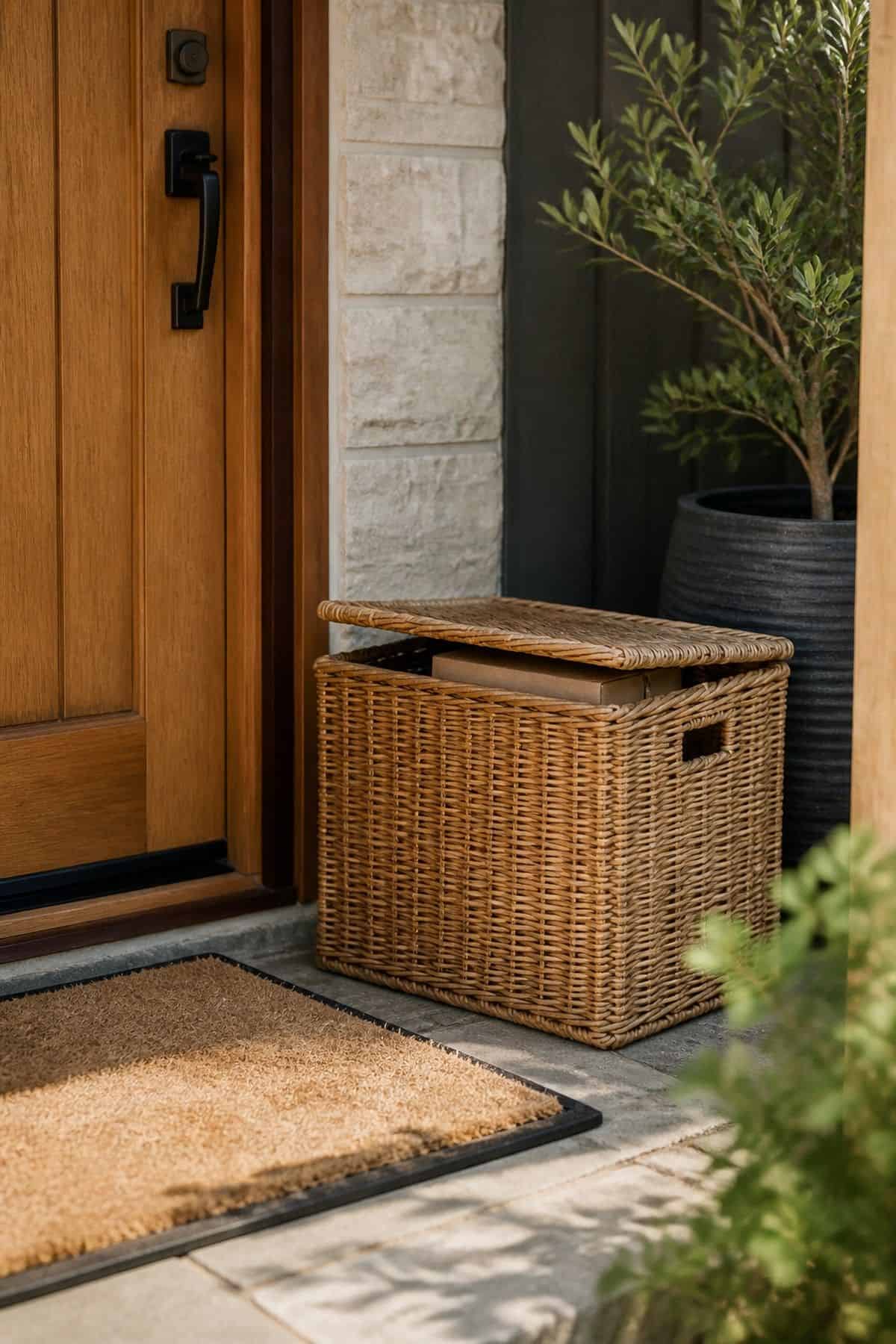


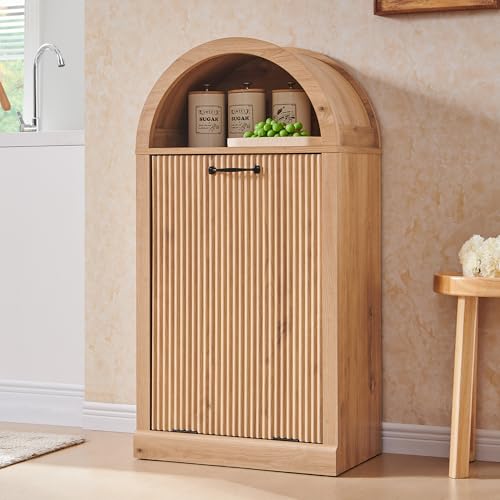
Before adding another accessory, look at what this part of the room needs to do. The calmest version of a hidden package basket comes from proportion, texture, and the empty space beside it. Try it in the morning and again under lamps at night before adding more around it.
Natural materials do most of the heavy lifting. Wood, bamboo, linen, cotton, stone, clay, rattan, and warm light bring depth without adding visual static, especially when storage hides the things that do not need to be seen.
This is also a good place to repeat a tone from somewhere else in the room. A similar wood shade or warm neutral makes the detail feel like part of the architecture.
14. Lantern Path to the Door
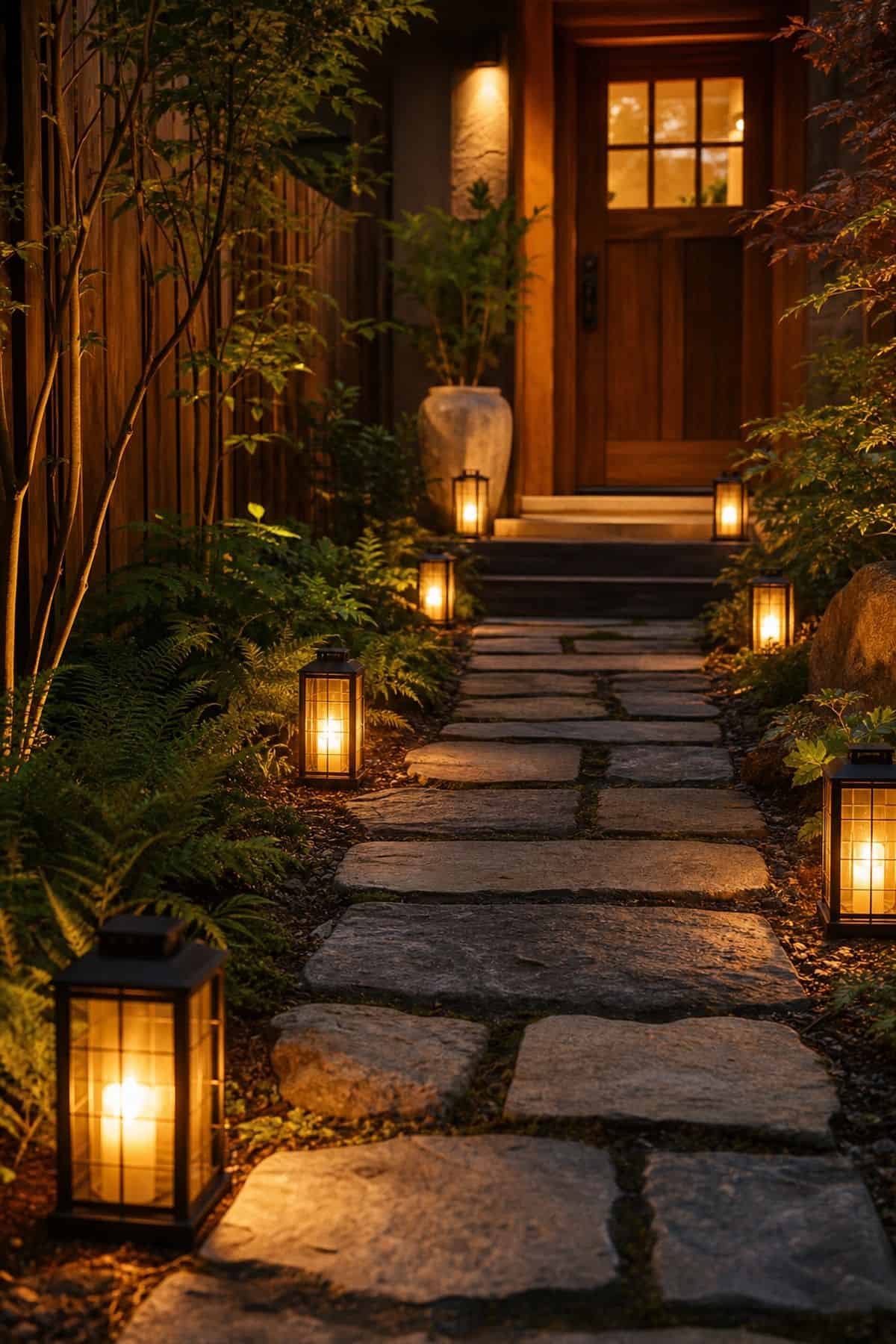
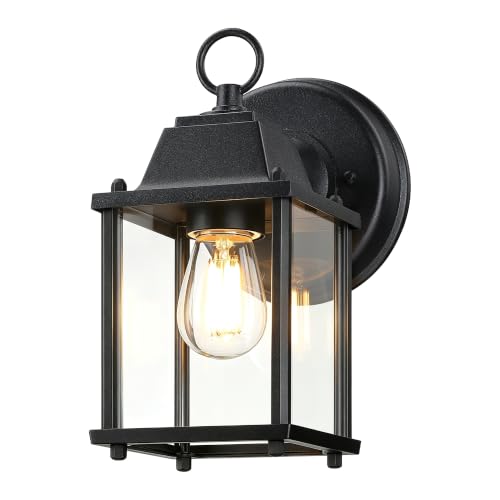
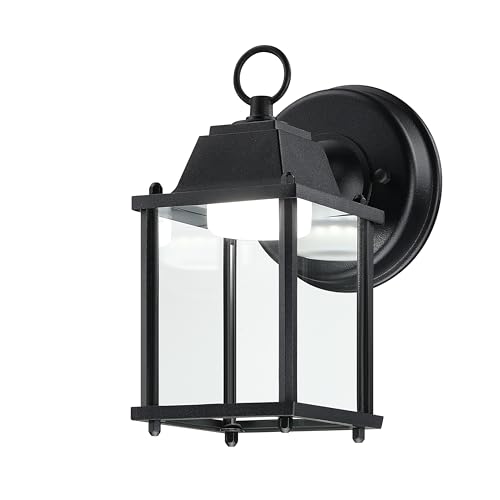

A polished room usually gives this idea a little space instead of crowding it. Treat a lantern path to the door as part of the daily routine, because calm is easier to keep when it is practical. If the area already has pattern, let this piece stay quiet and textural.
Natural materials do most of the heavy lifting. Wood, bamboo, linen, cotton, stone, clay, rattan, and warm light bring depth without adding visual static, especially when storage hides the things that do not need to be seen.
Leave the nearest corner slightly underfilled. Zen styling loses its softness when every ledge, hook, or shelf is asked to perform.
15. Water Bowl for Sound


The difference between charming and cluttered is almost always placement. When a water bowl for sound is simple but tactile, the room can feel edited without feeling bare. One useful anchor and one softer finishing detail are usually enough.
Natural materials do most of the heavy lifting. Wood, bamboo, linen, cotton, stone, clay, rattan, and warm light bring depth without adding visual static, especially when storage hides the things that do not need to be seen.
The final test is whether the room feels easier to reset at the end of the day. If the idea adds calm and reduces mess, it is doing real work.
16. Morning Sitting Spot
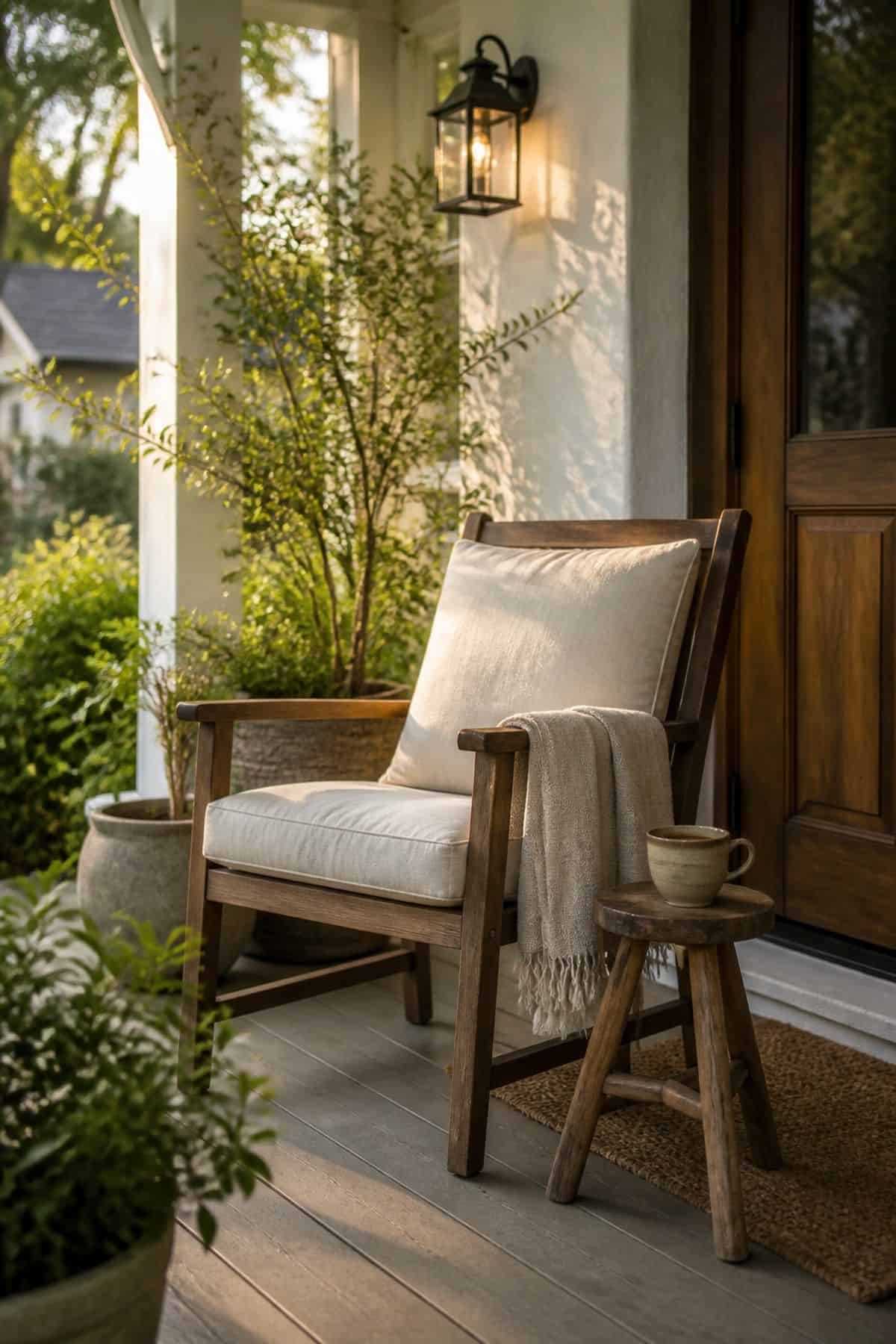



This detail should make the room easier to use, not just prettier to photograph. In this room, a morning sitting spot should lower the visual volume while still feeling warm to use. Keep the surrounding surface edited so the shape, color, or texture has room to register.
Natural materials do most of the heavy lifting. Wood, bamboo, linen, cotton, stone, clay, rattan, and warm light bring depth without adding visual static, especially when storage hides the things that do not need to be seen.
For a calmer finish, keep nearby labels, cords, and everyday clutter out of view. That simple edit lets the texture feel intentional instead of competing with the rest of the room.
Frequently Asked Questions
What is the easiest way to start with Zen porch home decor ideas?
Begin by removing the pieces that create visual noise, then add one natural texture, one warm light source, and one storage solution that makes the room easier to use.
What colors work best for Zen decor?
Warm white, oatmeal, stone, soft gray, taupe, clay, muted green, black accents, and natural wood tones all work well because they feel calm without looking flat.
Does Zen decor have to be minimalist?
No. Zen decor should be edited, but it can still be layered, warm, and personal. The important part is giving each object space and a useful reason to be there.
What materials make a room feel more Zen?
Wood, bamboo, linen, cotton, stone, clay, paper, jute, wool, and simple ceramics are strong choices because they add texture without visual noise.
How do I make Zen decor work in a rental?
Use curtains, rugs, lamps, baskets, plants, removable storage, floor cushions, and simple art. These changes can shift the mood without permanent renovation.
Key Takeaways
- Choose one mood before adding individual accents.
- Repeat a small palette so the room feels connected.
- Use practical pieces first, then add decorative details where they will be noticed.
- Leave breathing room around the strongest object or surface.
- Natural materials and warm light make seasonal or calm decor feel more expensive.
Final Thoughts
Zen porch home decor ideas works best when calm is treated as something practical. The storage, lighting, textiles, and surfaces should help daily life feel smoother, not just quieter in a photo.
Start with the detail that changes the mood most, then edit around it. When the colors repeat, the materials feel good, and the room still works for real life, the result feels polished without feeling forced.