
Quick Answer: Japanese Zen decor is calm, practical, and deeply edited. Think low furniture, natural wood, tatami-inspired texture, shoji-style light, ceramics, bamboo, stone, plants, and meaningful empty space. The goal is not to copy a traditional home exactly. It is to borrow the lessons of balance, simplicity, proportion, and material honesty.
Japanese Zen home decor ideas should never feel like a blank room with a plant in the corner. The strongest Zen spaces feel warm, grounded, and easy to move through because every piece has a reason to be there.
The look depends on natural materials, soft light, practical storage, and enough empty space for the eye to rest. That does not mean the room has to be bare. It means the useful things are chosen with care.
The 20 ideas below are meant for real homes: apartments, bedrooms, rented rooms, shared spaces, and corners that need calm without losing comfort.
Want the room to feel designed instead of just decorated?
The Aesthetic Apartment Makeover Guide walks you through palette, layout, texture, lighting, and styling so each update has a clear purpose.
Recommended Japanese Zen Decor
The most useful finds for this style are quiet workhorses: soft storage, natural textiles, low furniture, warm lamps, and simple pieces that make the room easier to live in. Choose texture before ornament and let each object earn its space.


Recommended blogs to read:
- Japanese Zen home decor
- calm Zen bedroom ideas
- Zen garden home decor
- peaceful Zen entrance decor
- modern Zen decor ideas
- Zen yoga room inspiration
If you keep buying cute pieces but the room still feels unfinished, the order may be the issue.
The makeover guide helps you build the foundation first, then layer the details so the final room feels calm, cohesive, and lived in.
Japanese Zen Home Decor Ideas: 20 Calm, Clutter-Free Styling Moves With Warmth
Use these ideas as a menu. Some are tiny swaps, some change the whole mood, and some simply give a surface a better reason to exist. The common thread is intention: color that repeats, texture that softens, and objects placed where they support real life.
1. Shoji-Style Light
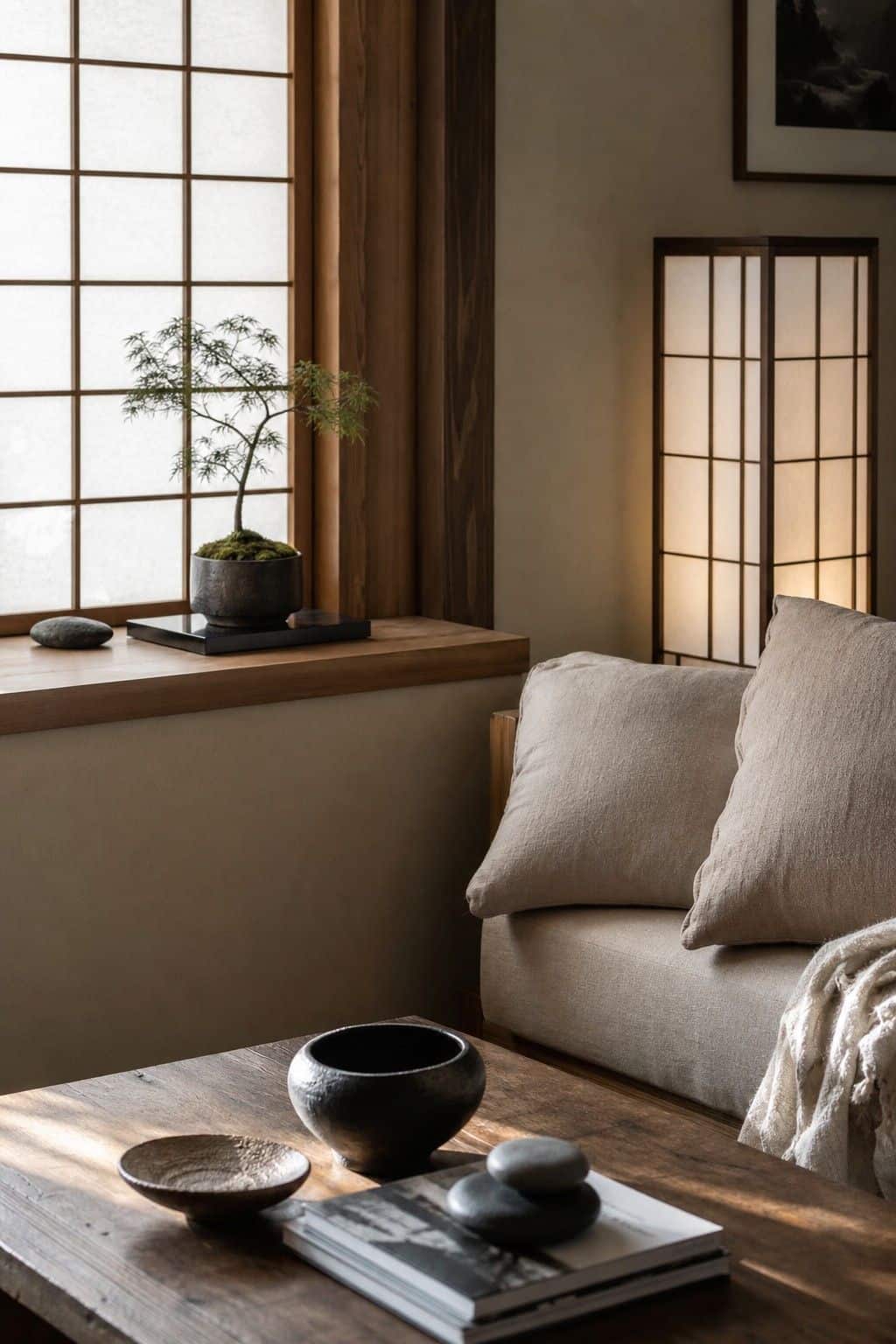


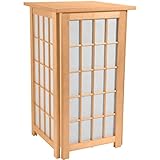
The room usually starts to shift before anything dramatic happens. If the room feels busy, a shoji-style light should create a pause rather than another point of visual noise. Wood, linen, stone, bamboo, cotton, clay, and warm light help because they add texture without asking for too much attention.
Before adding anything else, look at what the eye meets first. If the surface, corner, or doorway feels crowded, remove one object and let wood, linen, stone, bamboo, cotton, or warm light become the main note. If you want to keep building the same mood, these Japanese Zen home decor are a helpful next read.
2. Low Floor Table
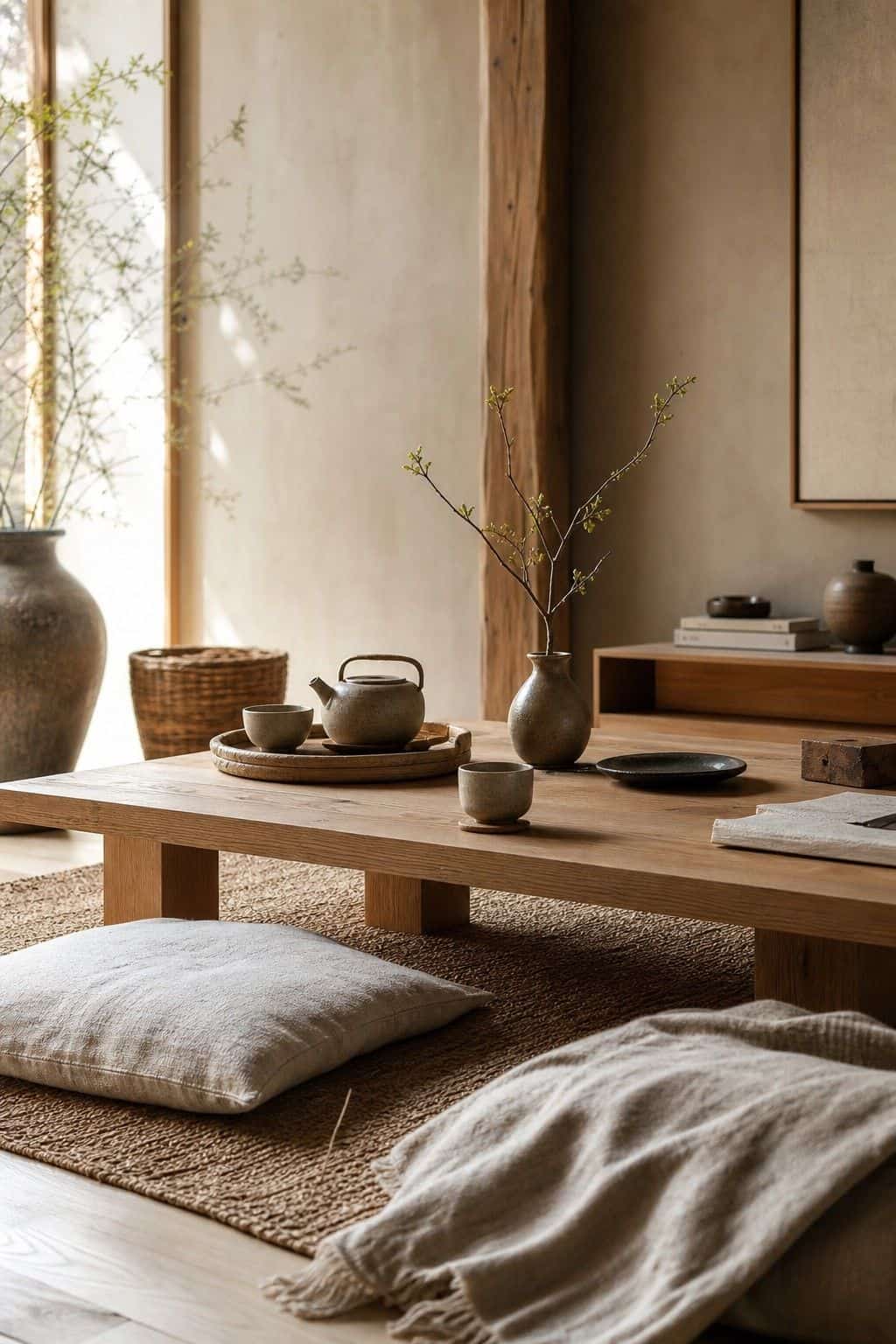

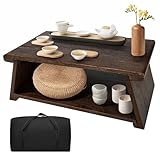

In a small home, this is often the move that makes everything feel more intentional. A Zen room asks a low floor table to be useful first, beautiful second, and quiet all the way through. Wood, linen, stone, bamboo, cotton, clay, and warm light help because they add texture without asking for too much attention.
Before adding anything else, look at what the eye meets first. If the surface, corner, or doorway feels crowded, remove one object and let wood, linen, stone, bamboo, cotton, or warm light become the main note. If you want to keep building the same mood, these calm Zen bedroom ideas are a helpful next read.
3. Tatami-Inspired Mat


There is a quieter way to make this idea work than buying a pile of matching accessories. The success of a tatami-inspired mat depends on proportion, breathing room, and the materials nearby. Wood, linen, stone, bamboo, cotton, clay, and warm light help because they add texture without asking for too much attention.
Before adding anything else, look at what the eye meets first. If the surface, corner, or doorway feels crowded, remove one object and let wood, linen, stone, bamboo, cotton, or warm light become the main note.
4. Zabuton Cushion Stack
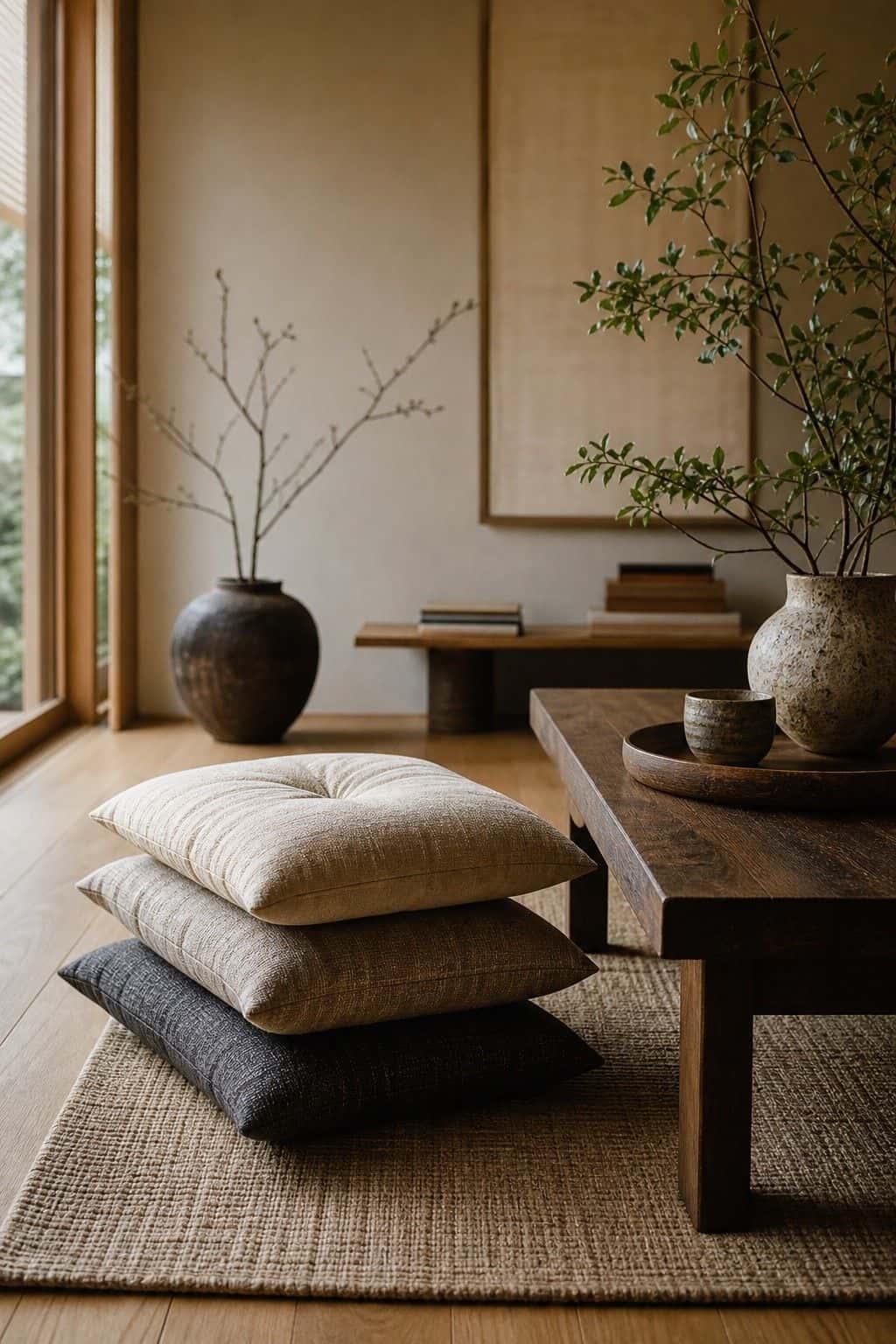

Think of this as a mood-setting detail rather than a theme announcement. Instead of treating a zabuton cushion stack as decor alone, let the whole area support an easier daily rhythm. Wood, linen, stone, bamboo, cotton, clay, and warm light help because they add texture without asking for too much attention.
Before adding anything else, look at what the eye meets first. If the surface, corner, or doorway feels crowded, remove one object and let wood, linen, stone, bamboo, cotton, or warm light become the main note. If you want to keep building the same mood, these peaceful Zen entrance decor are a helpful next read.
This is also a good place to check proportion. If the object is tiny, group it with two related pieces. If it already has height or color, let it stand alone.
5. Noren Doorway Curtain
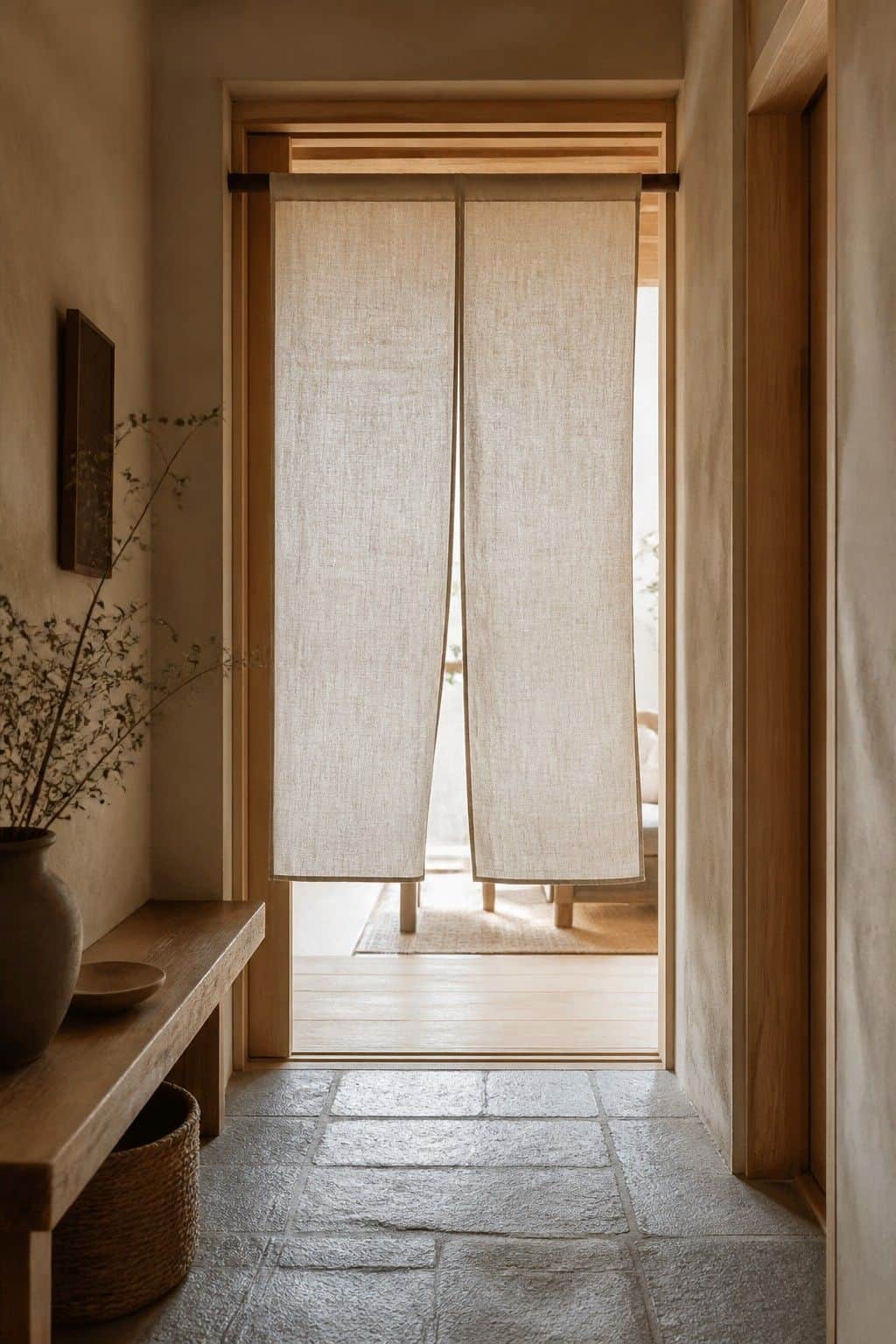


The best version feels collected over time, even if you put it together in one afternoon. The calmer version of a noren doorway curtain starts with editing what surrounds it. Wood, linen, stone, bamboo, cotton, clay, and warm light help because they add texture without asking for too much attention.
Before adding anything else, look at what the eye meets first. If the surface, corner, or doorway feels crowded, remove one object and let wood, linen, stone, bamboo, cotton, or warm light become the main note. If you want to keep building the same mood, these modern Zen decor ideas are a helpful next read.
6. Bamboo Tray


This is where scale matters more than people expect. If the room feels busy, a bamboo tray should create a pause rather than another point of visual noise. Wood, linen, stone, bamboo, cotton, clay, and warm light help because they add texture without asking for too much attention.
Before adding anything else, look at what the eye meets first. If the surface, corner, or doorway feels crowded, remove one object and let wood, linen, stone, bamboo, cotton, or warm light become the main note.
7. Handmade Ceramic Tea Set
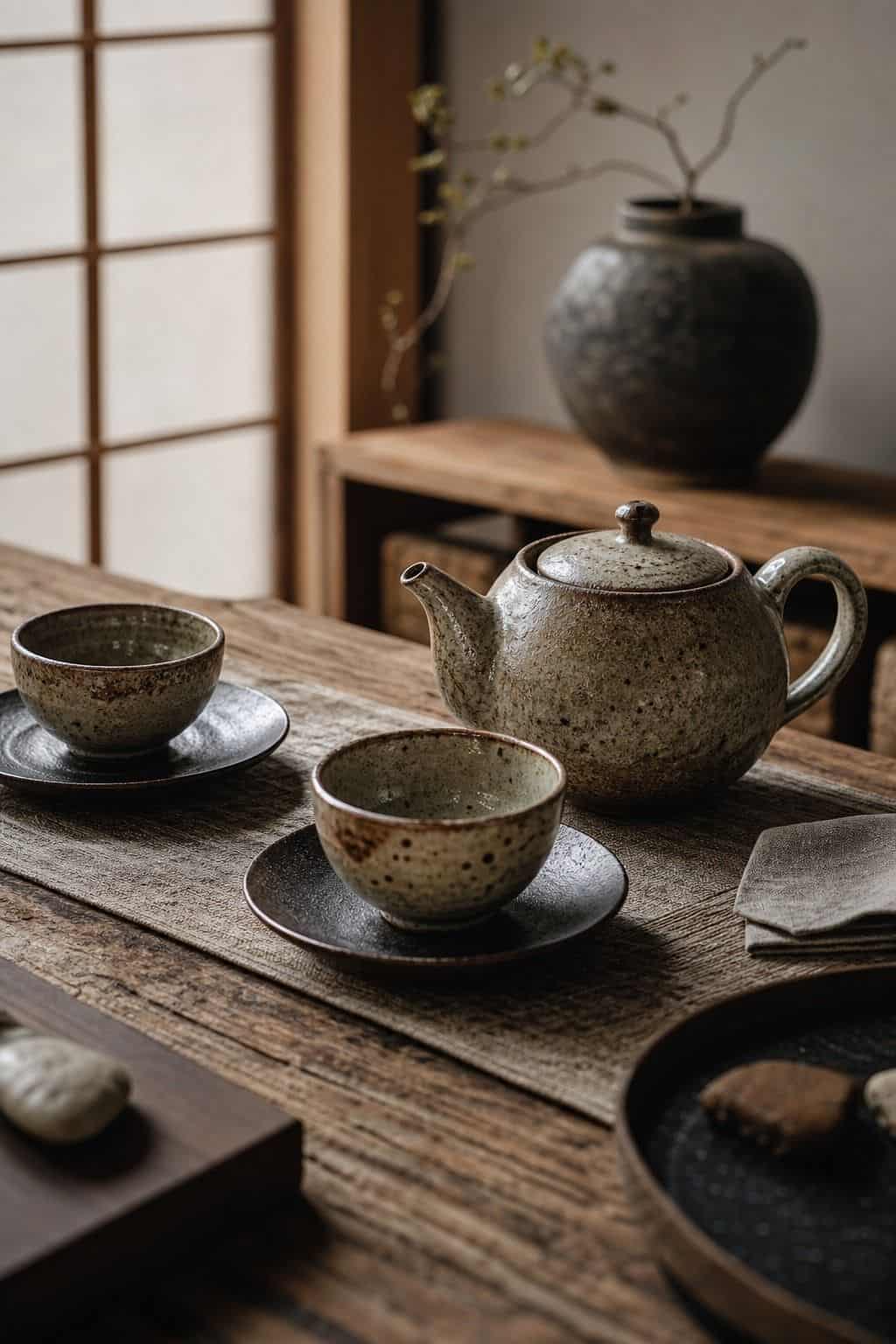


A good room leaves a little air around the thing you want noticed. A Zen room asks a handmade ceramic tea set to be useful first, beautiful second, and quiet all the way through. Wood, linen, stone, bamboo, cotton, clay, and warm light help because they add texture without asking for too much attention.
Before adding anything else, look at what the eye meets first. If the surface, corner, or doorway feels crowded, remove one object and let wood, linen, stone, bamboo, cotton, or warm light become the main note. If you want to keep building the same mood, these calm Zen bedroom ideas are a helpful next read.
8. Stone Accent Bowl
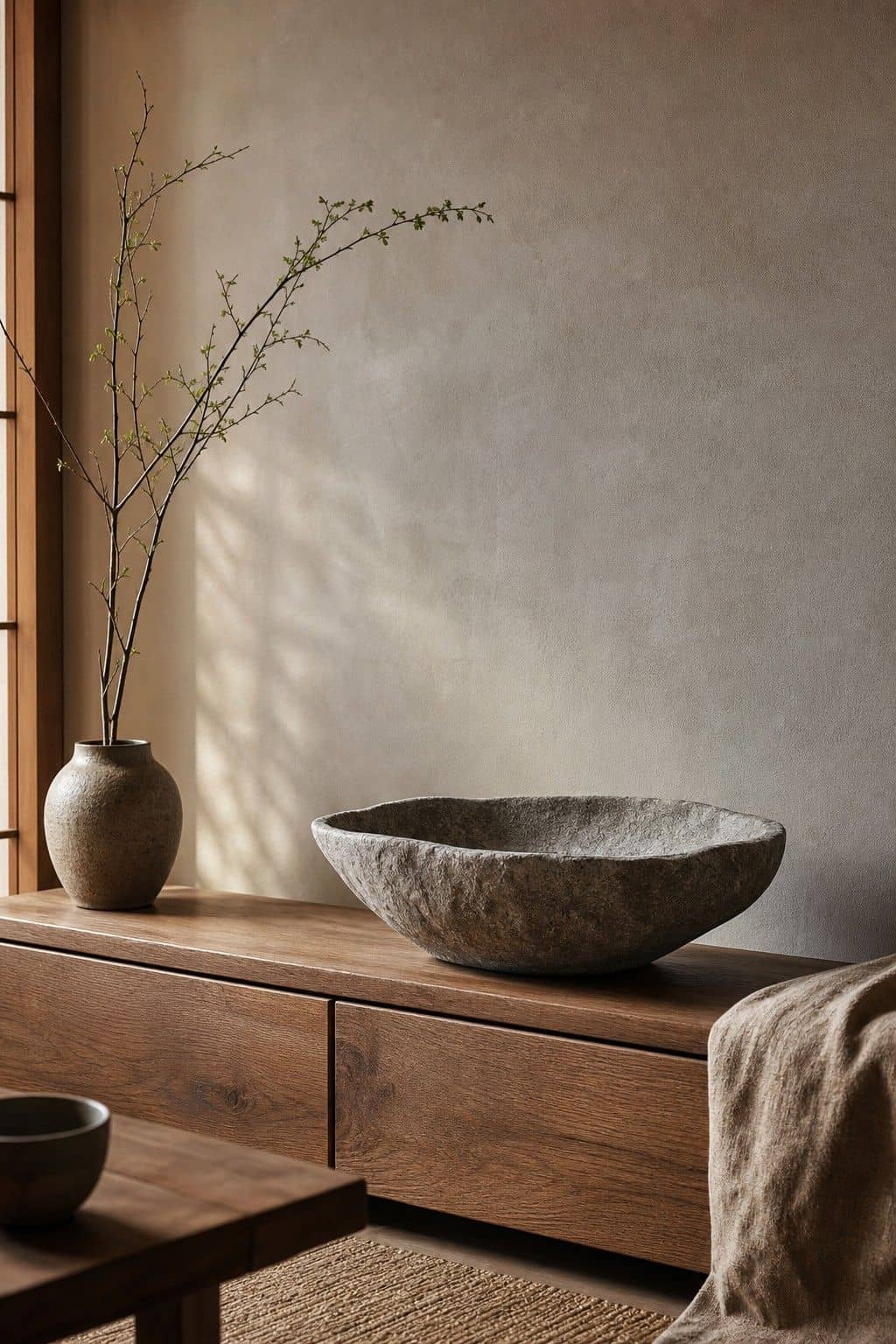


The trick is to let the material do the talking. The success of a stone accent bowl depends on proportion, breathing room, and the materials nearby. Wood, linen, stone, bamboo, cotton, clay, and warm light help because they add texture without asking for too much attention.
Before adding anything else, look at what the eye meets first. If the surface, corner, or doorway feels crowded, remove one object and let wood, linen, stone, bamboo, cotton, or warm light become the main note. If you want to keep building the same mood, these Zen garden home decor are a helpful next read.
This is also a good place to check proportion. If the object is tiny, group it with two related pieces. If it already has height or color, let it stand alone.
9. Ikebana-Inspired Branches
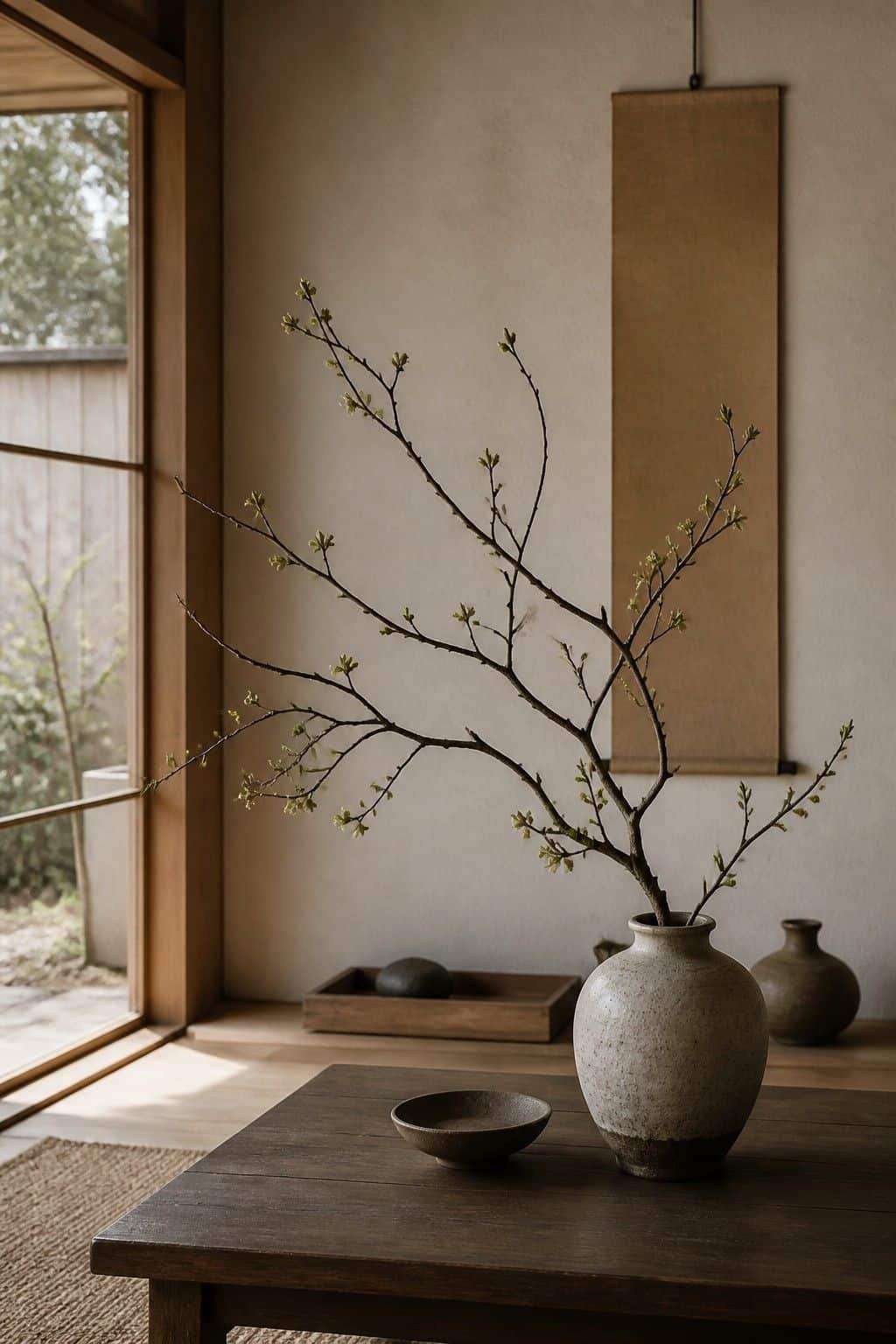


You can make this feel polished without making it precious. Instead of treating the ikebana-inspired branches as decor alone, let the whole area support an easier daily rhythm. Wood, linen, stone, bamboo, cotton, clay, and warm light help because they add texture without asking for too much attention.
Before adding anything else, look at what the eye meets first. If the surface, corner, or doorway feels crowded, remove one object and let wood, linen, stone, bamboo, cotton, or warm light become the main note.
10. Wood Slat Storage
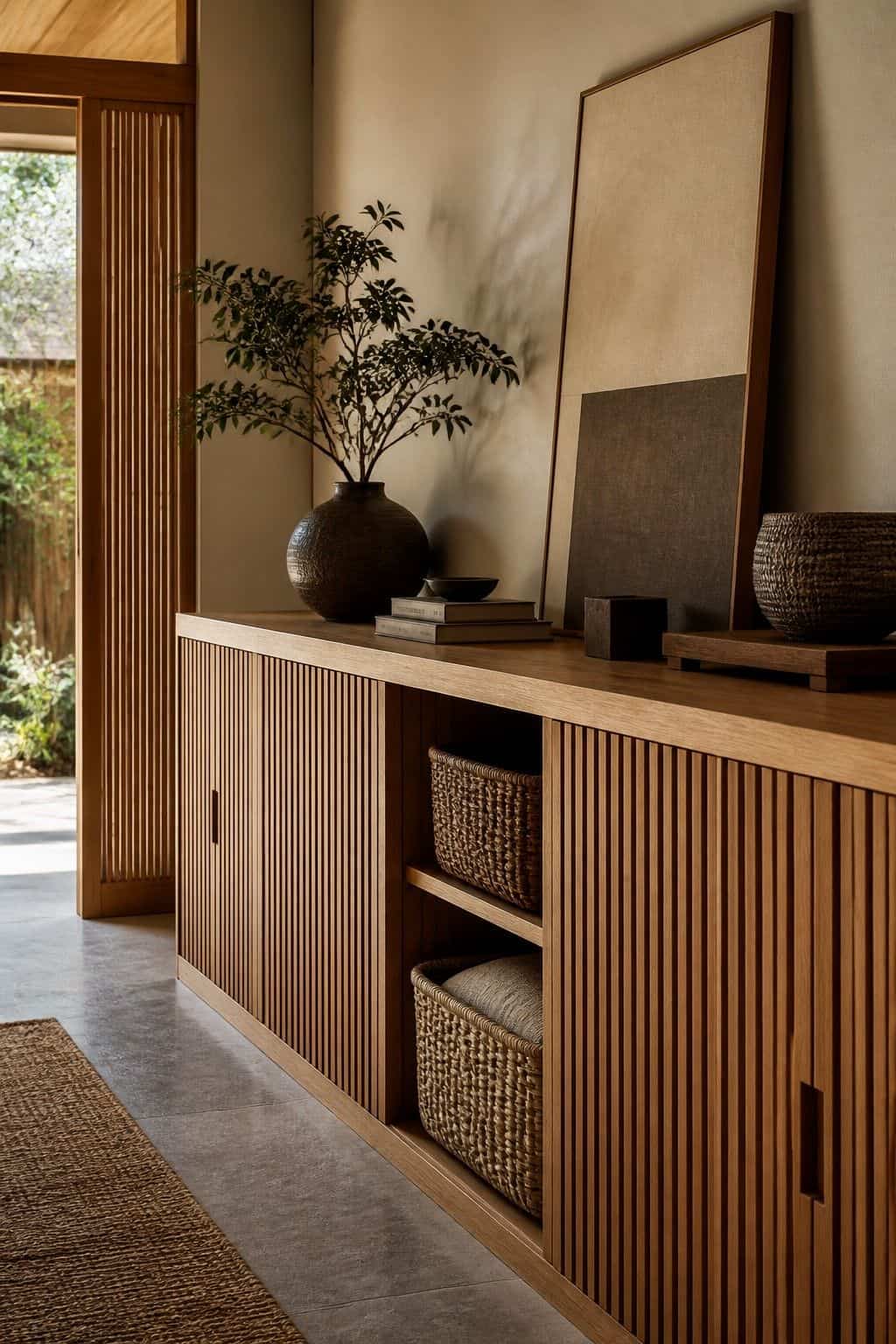


This works especially well when the rest of the room stays edited. The calmer version of wood slat storage starts with editing what surrounds it. Wood, linen, stone, bamboo, cotton, clay, and warm light help because they add texture without asking for too much attention.
Before adding anything else, look at what the eye meets first. If the surface, corner, or doorway feels crowded, remove one object and let wood, linen, stone, bamboo, cotton, or warm light become the main note. If you want to keep building the same mood, these modern Zen decor ideas are a helpful next read.
Pause here and look at the room as a whole.
If the palette, lighting, and layout are already working, you may need fewer accessories than you think. The guide can help you decide what to edit before you buy more.
11. Calm Entry Bench


The room usually starts to shift before anything dramatic happens. If the room feels busy, a calm entry bench should create a pause rather than another point of visual noise. Wood, linen, stone, bamboo, cotton, clay, and warm light help because they add texture without asking for too much attention.
Before adding anything else, look at what the eye meets first. If the surface, corner, or doorway feels crowded, remove one object and let wood, linen, stone, bamboo, cotton, or warm light become the main note. If you want to keep building the same mood, these Japanese Zen home decor are a helpful next read.
12. Minimal Bedding
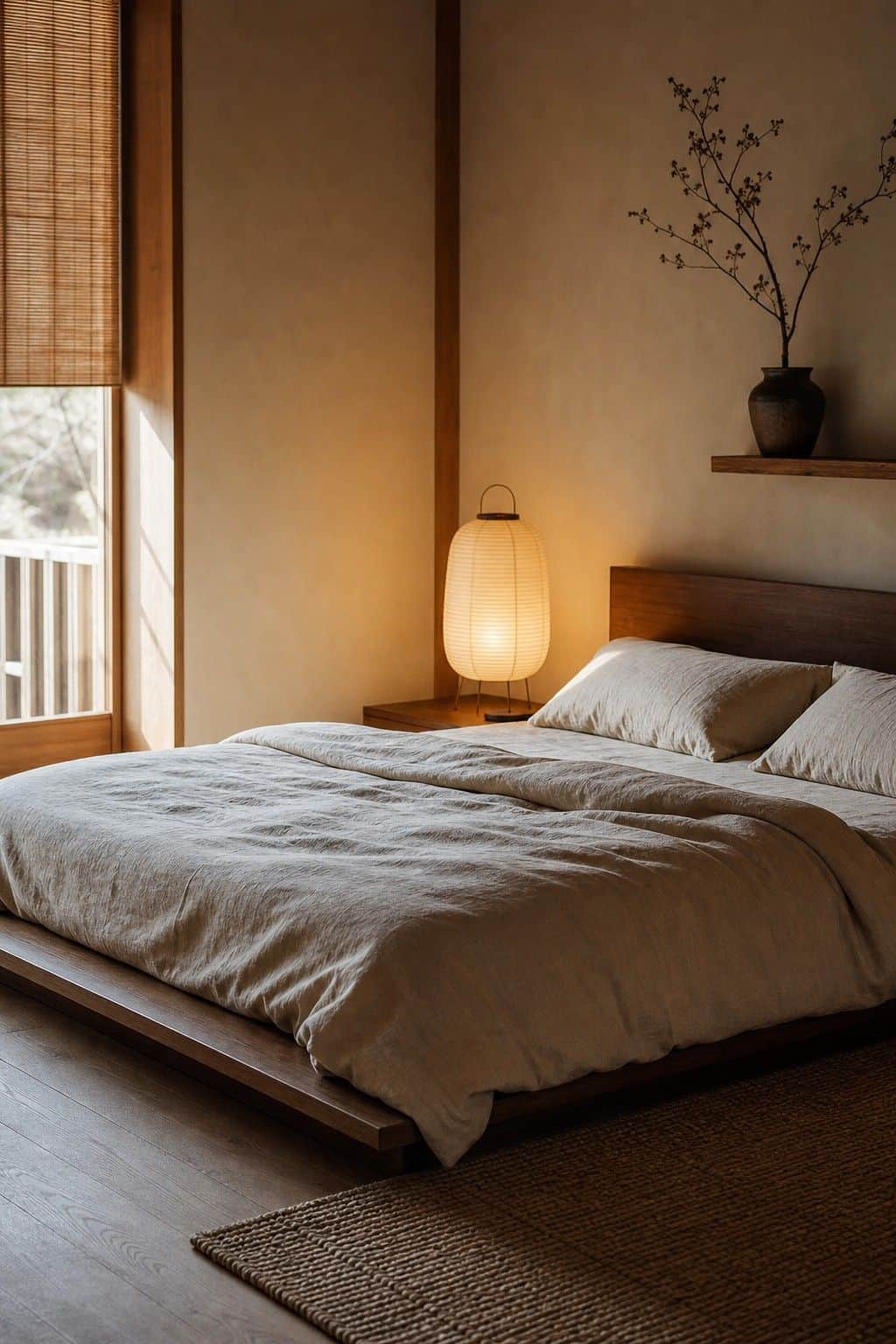
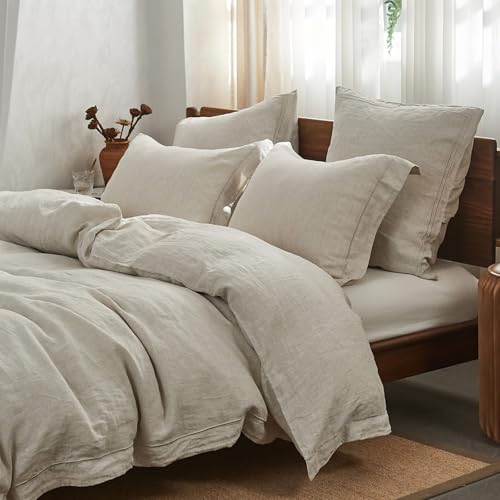


In a small home, this is often the move that makes everything feel more intentional. A Zen room asks minimal bedding to be useful first, beautiful second, and quiet all the way through. Wood, linen, stone, bamboo, cotton, clay, and warm light help because they add texture without asking for too much attention.
Before adding anything else, look at what the eye meets first. If the surface, corner, or doorway feels crowded, remove one object and let wood, linen, stone, bamboo, cotton, or warm light become the main note.
The quiet detail is often the one people remember. Texture, shadow, and usefulness make the idea last longer than a purely decorative flourish.
13. Low Dining Moment
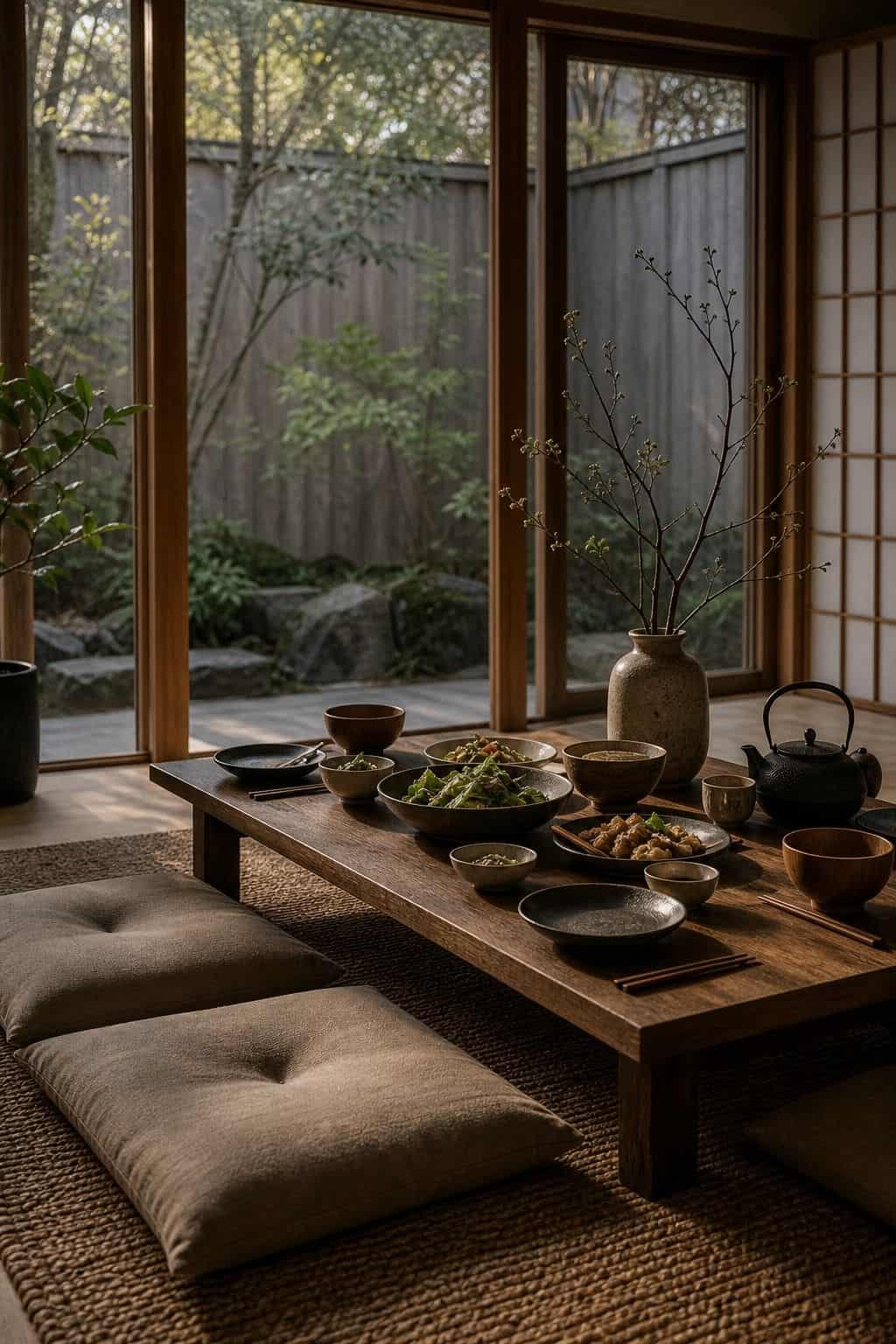
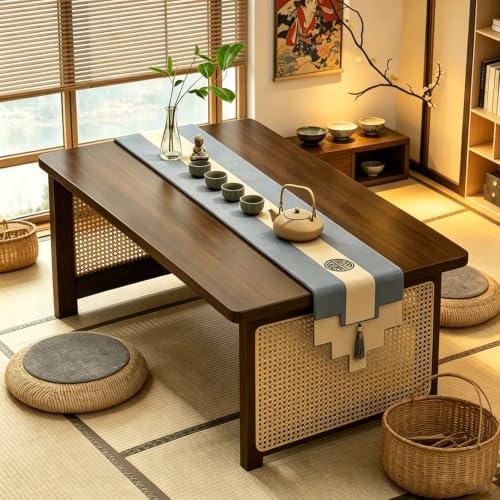

There is a quieter way to make this idea work than buying a pile of matching accessories. The success of a low dining moment depends on proportion, breathing room, and the materials nearby. Wood, linen, stone, bamboo, cotton, clay, and warm light help because they add texture without asking for too much attention.
Before adding anything else, look at what the eye meets first. If the surface, corner, or doorway feels crowded, remove one object and let wood, linen, stone, bamboo, cotton, or warm light become the main note. If you want to keep building the same mood, these Zen garden home decor are a helpful next read.
14. Indoor Garden Tray
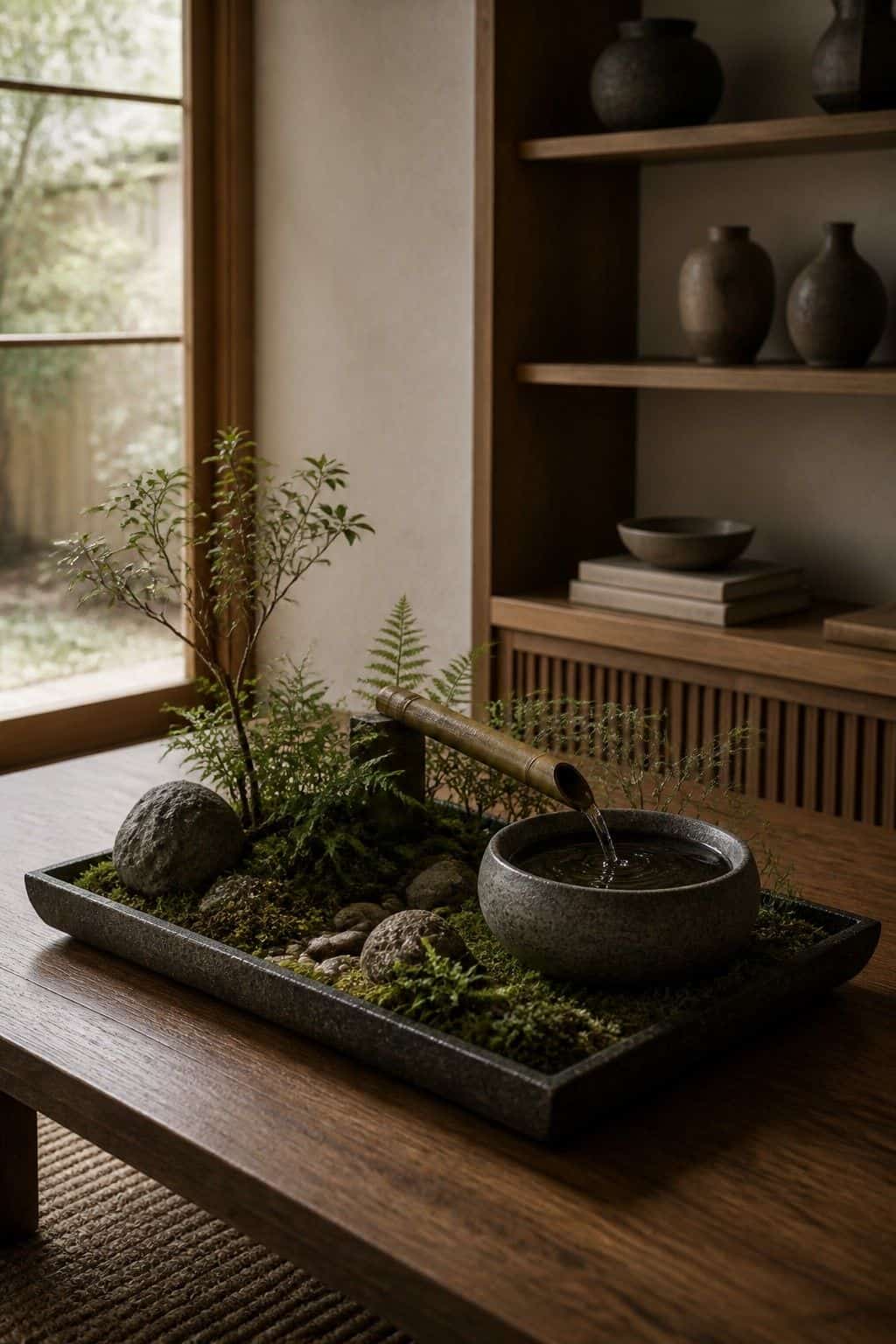


Think of this as a mood-setting detail rather than a theme announcement. Instead of treating indoor garden tray as decor alone, let the whole area support an easier daily rhythm. Wood, linen, stone, bamboo, cotton, clay, and warm light help because they add texture without asking for too much attention.
Before adding anything else, look at what the eye meets first. If the surface, corner, or doorway feels crowded, remove one object and let wood, linen, stone, bamboo, cotton, or warm light become the main note. If you want to keep building the same mood, these peaceful Zen entrance decor are a helpful next read.
15. Paper Lantern Glow
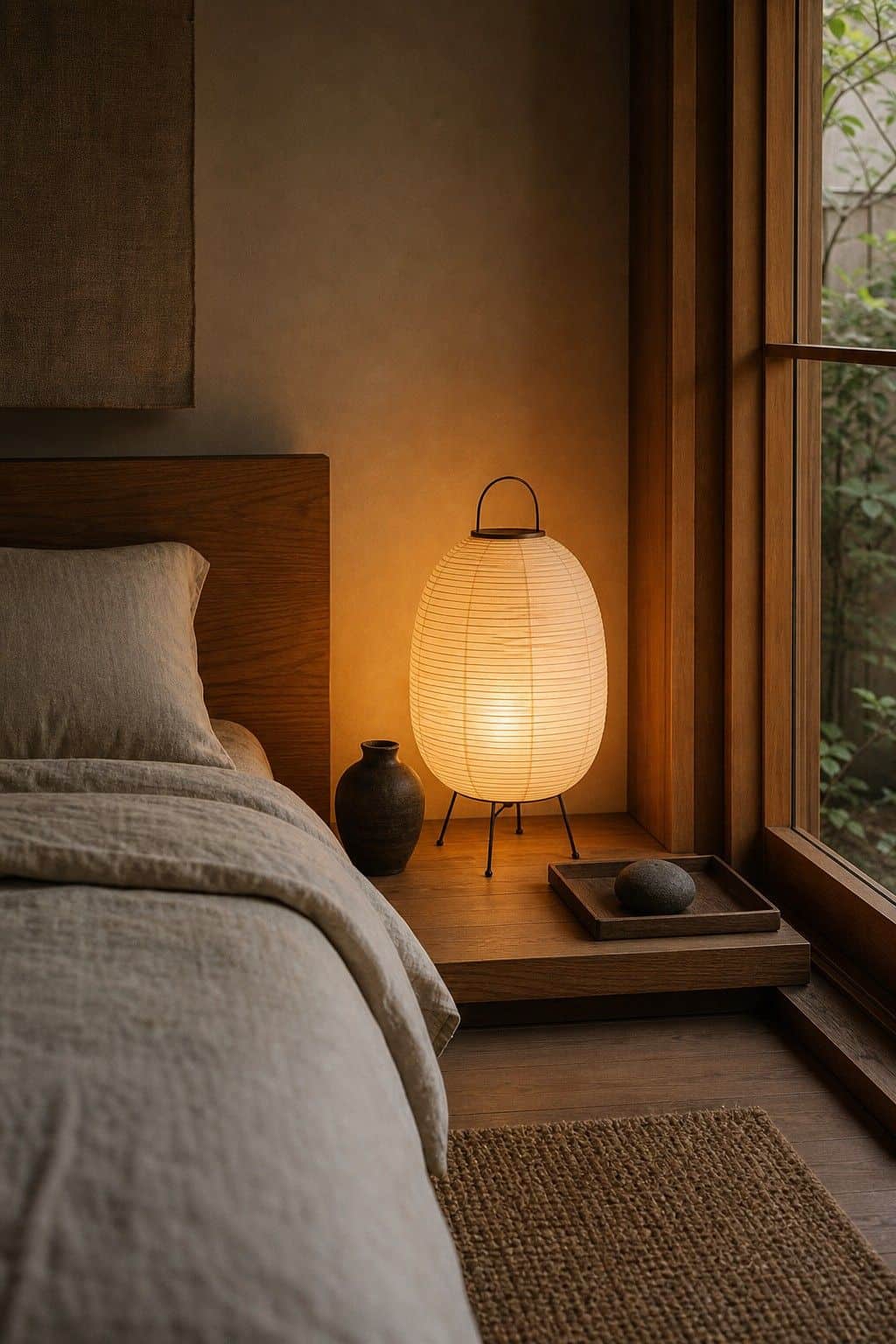


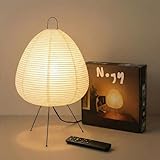
The best version feels collected over time, even if you put it together in one afternoon. The calmer version of a paper lantern glow starts with editing what surrounds it. Wood, linen, stone, bamboo, cotton, clay, and warm light help because they add texture without asking for too much attention.
Before adding anything else, look at what the eye meets first. If the surface, corner, or doorway feels crowded, remove one object and let wood, linen, stone, bamboo, cotton, or warm light become the main note.
16. Hidden Clutter Baskets
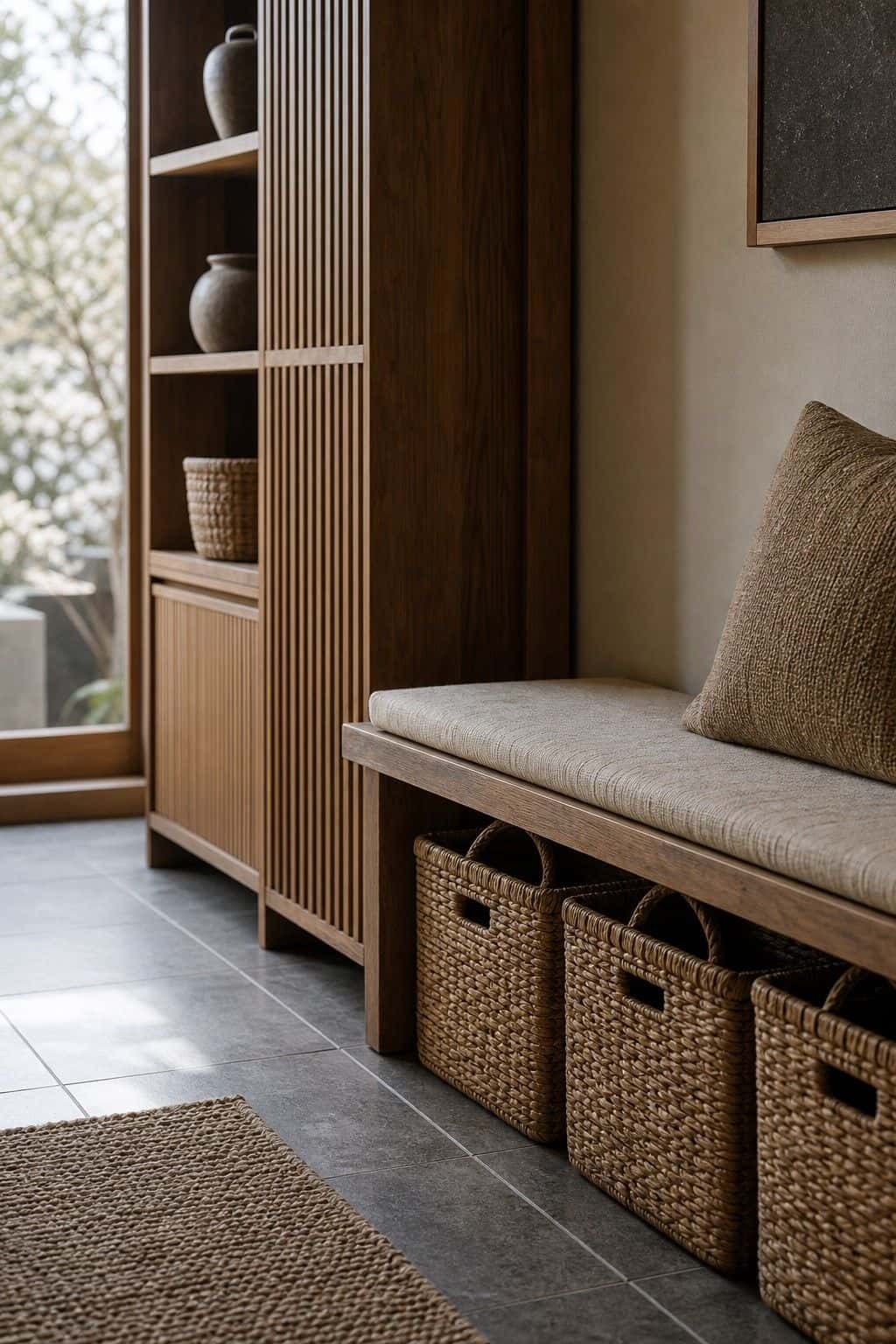



This is where scale matters more than people expect. If the room feels busy, the hidden clutter baskets should create a pause rather than another point of visual noise. Wood, linen, stone, bamboo, cotton, clay, and warm light help because they add texture without asking for too much attention.
Before adding anything else, look at what the eye meets first. If the surface, corner, or doorway feels crowded, remove one object and let wood, linen, stone, bamboo, cotton, or warm light become the main note. If you want to keep building the same mood, these Japanese Zen home decor are a helpful next read.
Try living with the arrangement for a day before adding more. Morning light, evening lamps, and everyday mess will quickly show whether the styling is actually working.
17. Neutral Wall Palette
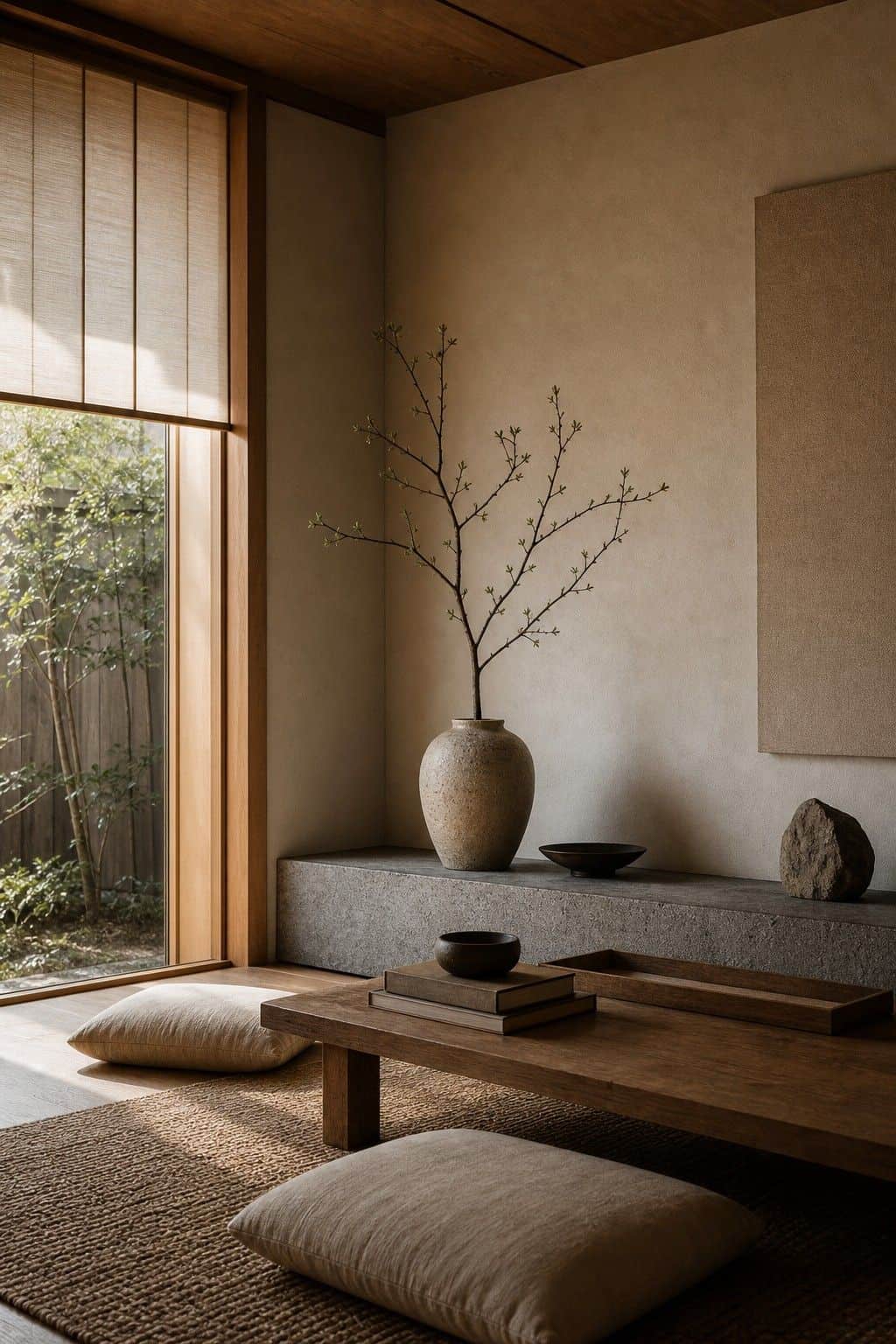


A good room leaves a little air around the thing you want noticed. A Zen room asks a neutral wall palette to be useful first, beautiful second, and quiet all the way through. Wood, linen, stone, bamboo, cotton, clay, and warm light help because they add texture without asking for too much attention.
Before adding anything else, look at what the eye meets first. If the surface, corner, or doorway feels crowded, remove one object and let wood, linen, stone, bamboo, cotton, or warm light become the main note. If you want to keep building the same mood, these calm Zen bedroom ideas are a helpful next read.
18. One Beautiful Imperfection
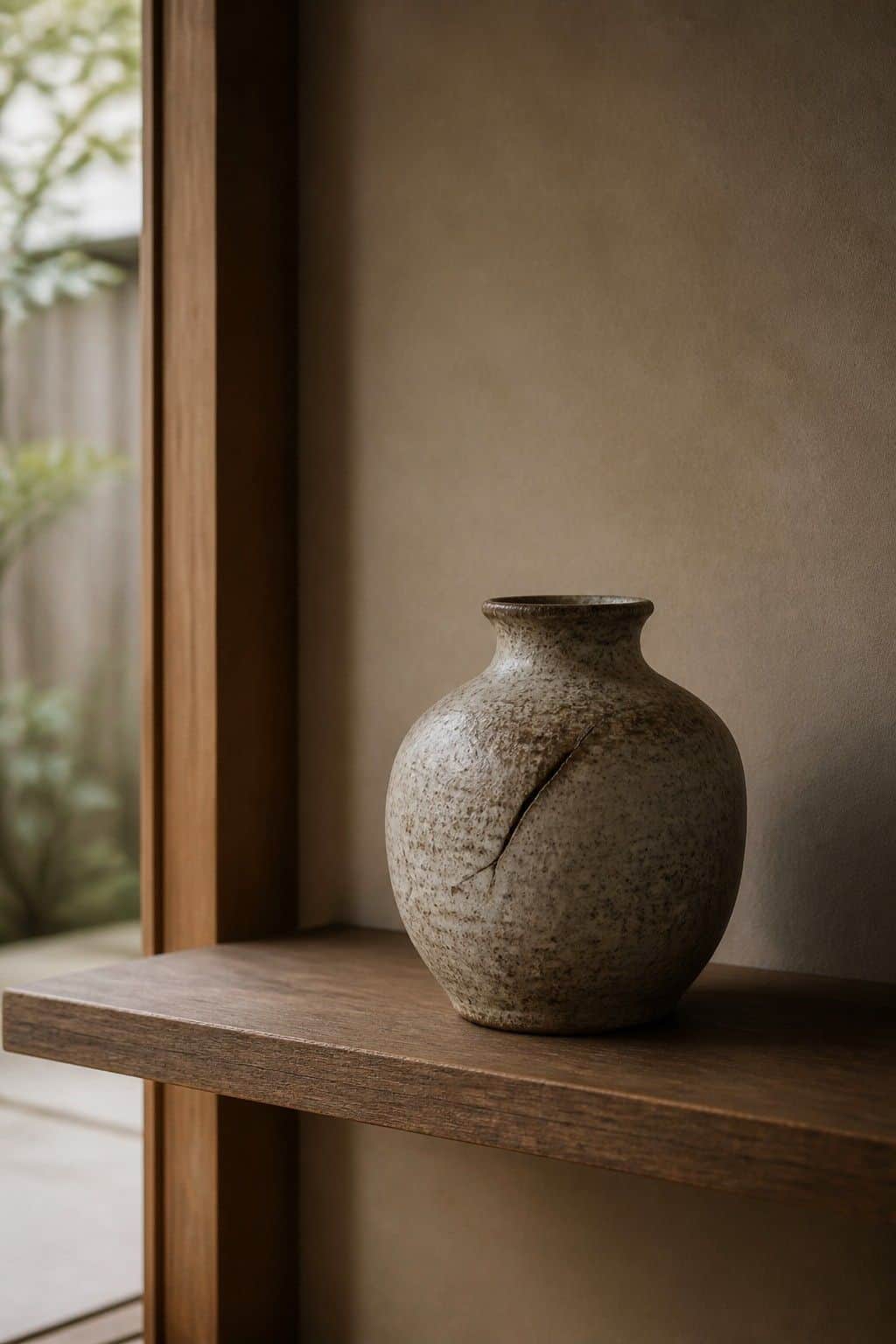


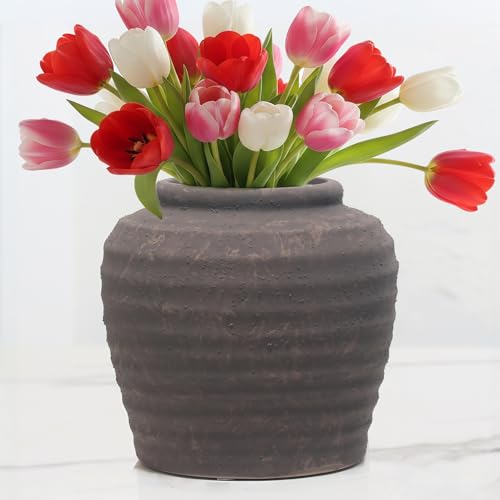
The trick is to let the material do the talking. The success of one beautiful imperfection depends on proportion, breathing room, and the materials nearby. Wood, linen, stone, bamboo, cotton, clay, and warm light help because they add texture without asking for too much attention.
Before adding anything else, look at what the eye meets first. If the surface, corner, or doorway feels crowded, remove one object and let wood, linen, stone, bamboo, cotton, or warm light become the main note.
19. Quiet Tea Corner


You can make this feel polished without making it precious. Instead of treating a quiet tea corner as decor alone, let the whole area support an easier daily rhythm. Wood, linen, stone, bamboo, cotton, clay, and warm light help because they add texture without asking for too much attention.
Before adding anything else, look at what the eye meets first. If the surface, corner, or doorway feels crowded, remove one object and let wood, linen, stone, bamboo, cotton, or warm light become the main note. If you want to keep building the same mood, these peaceful Zen entrance decor are a helpful next read.
20. Negative Space as Decor
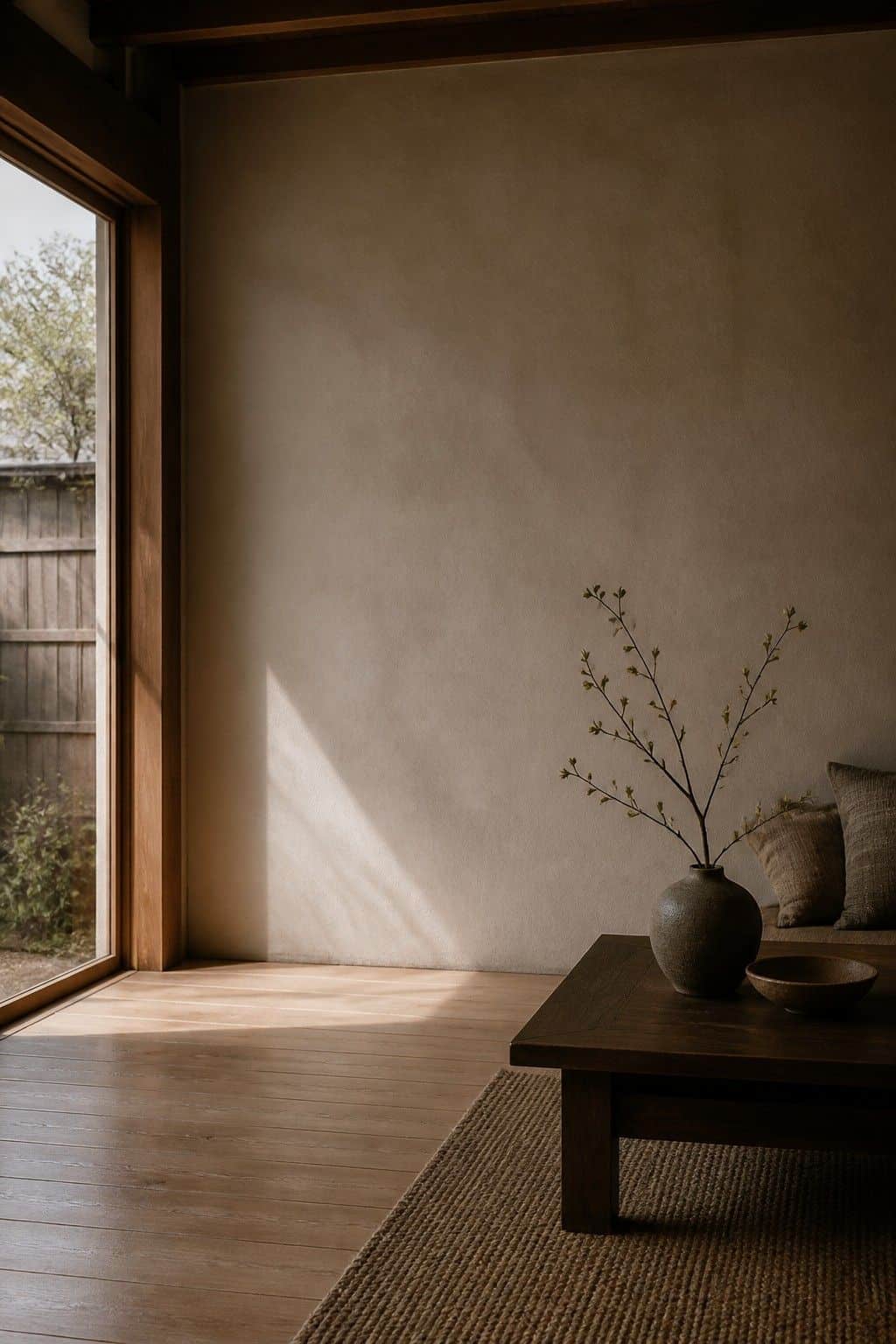
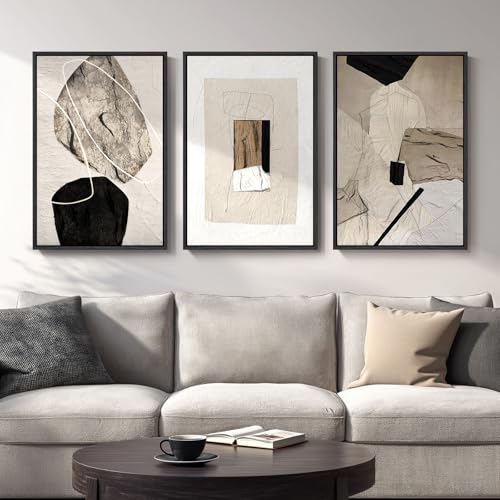


This works especially well when the rest of the room stays edited. The calmer version of a negative space as decor starts with editing what surrounds it. Wood, linen, stone, bamboo, cotton, clay, and warm light help because they add texture without asking for too much attention.
Before adding anything else, look at what the eye meets first. If the surface, corner, or doorway feels crowded, remove one object and let wood, linen, stone, bamboo, cotton, or warm light become the main note. If you want to keep building the same mood, these modern Zen decor ideas are a helpful next read.
The quiet detail is often the one people remember. Texture, shadow, and usefulness make the idea last longer than a purely decorative flourish.
Frequently Asked Questions
What is the easiest way to start with Japanese Zen home decor ideas?
Remove what creates visual noise, then add one natural material, one warm light source, and one storage piece that makes the room easier to use.
What colors work best in Zen decor?
Warm whites, oatmeal, stone, taupe, soft gray, clay, muted green, black accents, and natural wood tones all work well because they feel calm without looking flat.
Does Zen decor have to be minimalist?
No. Zen decor is edited, but it can still be layered and warm. The key is giving each object space and choosing materials that feel quiet and useful.
What materials make a home feel more Zen?
Wood, bamboo, linen, cotton, stone, clay, paper, jute, wool, and simple ceramics are all strong choices because they add texture without visual noise.
How do I make Zen decor work in a rental?
Use curtains, rugs, lamps, baskets, removable storage, plants, floor cushions, and simple art. These changes can shift the mood without permanent renovation.
Key Takeaways
- Start with the mood of the room before choosing individual accents.
- Repeat a small palette so the details feel connected.
- Use practical pieces first, then add decorative moments where they will be noticed.
- Leave negative space around the strongest object in the room.
- Choose materials and lighting that still feel good after the season or trend passes.
Final Thoughts
Japanese Zen home decor ideas works best when calm is treated as something practical. Storage, light, textiles, and furniture should make daily life feel smoother, not just look serene in a photograph.
The most beautiful rooms rarely come from adding everything at once. They come from noticing what the room needs, choosing fewer pieces with more care, and letting the final arrangement have enough space to breathe.