Quick Answer: An Art Deco color palette is built on rich, glamorous contrast: deep jewel tones, emerald, sapphire, ruby, plum, paired with black, and lifted with metallics in gold, brass, and chrome. The defining move is high contrast and a bit of shine. The 15 palettes below give hex codes and paint names, and each one shows how to balance the drama, so an Art Deco room reads glamorous and composed rather than heavy.
2026 marks exactly one hundred years since the 1925 Paris exhibition that gave Art Deco its name, and a century on, its color language still feels current. That is the remarkable thing about an Art Deco palette: the deep jewel tones, the black, the gleam of gold, they have not dated the way most century-old design choices have. They still read as glamorous, confident, and a little bit cinematic.
What keeps an Art Deco palette feeling current rather than like a costume is understanding what it actually is: a study in rich contrast. Deep saturated jewel tones against black, lifted by metallic shine. It is not about using every glamorous color at once; it is about pairing one or two deep hues with black and a metallic, and letting the contrast do the work.
The 15 palettes below give exact hex codes and paint names, and each one shows how to keep the drama composed rather than heavy. They sit in the same bold, confident world as a richly layered maximalist bedroom and a moody, atmospheric home, with Art Deco’s particular love of geometry and shine.
Choosing an Art Deco palette and worried the drama will tip into heavy instead of glamorous?
The Aesthetic Apartment Makeover Guide walks you through placing rich color room by room, so a high-contrast Art Deco palette lands composed and glamorous rather than dark and overwhelming.

Recommended Art Deco Color Decor
Six pieces that carry a rich, high-contrast Art Deco palette into a room, from jewel-tone textiles to gleaming metallics.




Recommended blogs to read:
- a bold maximalist palette
- a maximalist home
- a moody dark palette
- a mid-century crossover
- statement maximalist furniture
Jewel Tone and Black Anchor Palettes
Every Art Deco palette is built on the contrast between a deep, saturated jewel tone and black. This is the foundational pairing, the rich color brings the glamour, the black brings the depth and the architecture, and the contrast between them is what makes the scheme read as Art Deco rather than just dark.
What keeps these dramatic pairings composed is the third element: a metallic and plenty of a lighter relief tone, cream, ivory, soft white. The palettes below each pair a jewel tone with black, then show how the metallic and the light relief keep the drama balanced rather than oppressive.
1. Emerald Green, Black, and Gold


Emerald green with black and gold is the quintessential Art Deco palette, the one that most clearly captures the style’s glamour. Use a deep emerald green (#1F6F54) as the jewel-tone anchor on walls, a velvet sofa, or major upholstery, pair it with black (#1A1A1A) in trim, lacquered furniture, and geometric detailing, and lift the whole scheme with gold (#C9A24B) in mirrors, lighting, and hardware. The key to keeping it composed is a generous lighter relief, cream (#F2EBD8) on a ceiling, a rug, or some upholstery, so the room has somewhere to breathe. The emerald-black-gold combination is rich, cinematic, and unmistakably Art Deco. It works beautifully in a living room, a dining room, or a study where you want full glamour.
2. Sapphire Blue, Black, and Brass




Sapphire blue with black and brass is a deep, jewel-rich Art Deco palette with a slightly cooler, more nocturnal feel. Use a saturated sapphire blue (#1B3A6B) as the anchor on walls or major upholstery, ground it with black (#1A1A1A) in furniture and geometric trim, and warm it with brass (#B08D57) in lighting, frames, and accents. Brass, slightly softer and warmer than bright gold, keeps the cool blue from feeling cold. A light relief tone, ivory (#F4EEDC) or soft white, on a ceiling or a rug keeps the depth from becoming oppressive. The sapphire-black-brass palette is elegant and a touch moody, ideal for a bedroom, a study, or a library where you want Art Deco glamour with a quieter, deeper mood.
3. Ruby Red, Black, and Gold


Ruby red with black and gold is the most dramatic and theatrical Art Deco palette, full of cinematic confidence. Use a deep ruby red (#7B1E2B) as the jewel-tone anchor, on a feature wall, a velvet chair, a band of upholstery, pair it with black (#1A1A1A) in lacquered furniture and geometric detail, and lift it with gold (#C9A24B) in mirrors and lighting. Because ruby is such a powerful color, use it more selectively than emerald or sapphire, a feature rather than the whole room, and let black and a cream relief (#F2EBD8) carry more of the space. The ruby-black-gold palette is bold and glamorous, perfect for a dining room, a powder room, or a statement-making corner of a living room.
4. Plum, Black, and Chrome


Plum with black and chrome is a more modern, slightly cooler Art Deco palette that leans into the style’s machine-age, streamlined side. Use a deep plum (#4A2B45) as the jewel-tone anchor on walls or upholstery, ground it with black (#1A1A1A), and lift it with chrome (#C5C7CA) rather than gold in lighting, hardware, and geometric accents. Chrome gives the palette a sleeker, cooler, more contemporary edge than warm metals do, the Art Deco of streamlined trains and skyscrapers rather than gilded ballrooms. A soft white relief keeps it composed. The plum-black-chrome palette is sophisticated and a little bit edgy, well suited to a study, a bedroom, or a living room where you want Art Deco drama with a cooler, more modern temperature.
5. Teal, Black, and Gold


Teal with black and gold is a jewel-rich Art Deco palette that sits between the cool of sapphire and the warmth of emerald. Use a deep teal (#1C5A5E) as the anchor on walls or major upholstery, ground it with black (#1A1A1A) in furniture and geometric trim, and lift it with gold (#C9A24B) in mirrors, lighting, and accents. Teal has a slightly peacock, jewel-box quality that feels distinctly Art Deco, glamorous but with a hint of the exotic. A cream or ivory relief tone keeps the room from feeling closed-in. The teal-black-gold palette is rich, a little unexpected, and very elegant, lovely in a living room, a dining room, or a bathroom where you want jewel-tone glamour with a slightly different note than the classic emerald.
Lighter and Metallic-Forward Art Deco Palettes
Not every Art Deco room has to be dark and jewel-toned. There is a lighter end of the palette, still glamorous, still high-contrast, but built on cream, blush, and soft tones with the drama carried by black geometry and gleaming metallics rather than deep color on the walls.
This is Art Deco for brighter rooms and for people who love the geometry and shine but not a dark envelope. The contrast is still essential, it just comes from black accents and metallic gleam against a light base. The palettes below show how to keep the Art Deco drama in a lighter room.
6. Cream, Black, and Gold


Cream with black and gold is the brightest classic Art Deco palette, and it proves the style does not require dark walls. Use a warm cream (#F2EBD8) as the main color on walls and large upholstery, bring in black (#1A1A1A) for the essential contrast, in geometric trim, lacquered furniture, a bold rug pattern, and lift it with gold (#C9A24B) in mirrors, lighting, and accents. The drama here comes entirely from the black-against-cream contrast and the gold gleam, not from deep color. This is the most light-filled, livable Art Deco palette, and it photographs beautifully. It works in almost any room, a living room, a bedroom, an entryway, and it is the easiest Art Deco palette for anyone hesitant about going dark.
7. Blush Pink, Black, and Gold

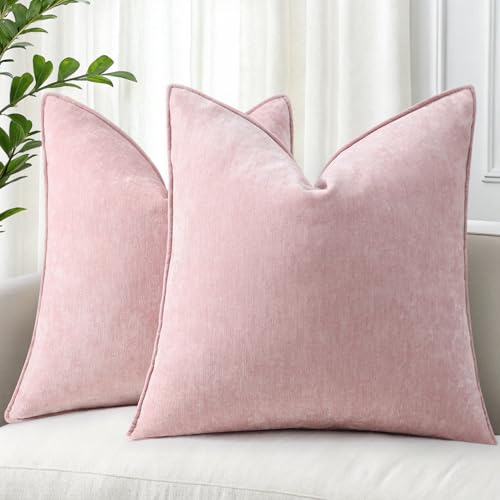


Blush pink with black and gold is a softer, more romantic take on Art Deco that still keeps the style’s signature contrast and glamour. Use a warm blush pink (#E3C4BE) as the main color on walls or upholstery, bring in black (#1A1A1A) for the all-important contrast through geometric detailing and furniture, and lift it with gold (#C9A24B). The black is what keeps the blush from reading as merely pretty, the contrast is what makes it Art Deco. This palette has a powder-room, jewel-box glamour to it, feminine but still architectural and bold. It is lovely in a bedroom, a powder room, a dressing area, or a feminine sitting room, anywhere you want Art Deco drama with a soft, romantic warmth rather than deep jewel tones.
8. Soft Grey, Black, and Chrome


Soft grey with black and chrome is the most modern, streamlined Art Deco palette, the machine-age side of the style rendered light. Use a soft, warm grey (#C4C2BD) as the main color, bring in black (#1A1A1A) for the sharp geometric contrast, and lift it with chrome (#C5C7CA) in lighting, hardware, and accents rather than gold. The grey-black-chrome combination is sleek, cool, and architectural, evoking the streamlined skyscraper era of Art Deco rather than the gilded ballroom era. It feels contemporary and easy to live with while still being unmistakably Deco through its geometry and contrast. This palette suits a home office, a living room, or a bathroom where you want Art Deco structure with a cool, modern, understated temperature.
9. Ivory, Emerald, and Gold




Ivory with emerald and gold flips the classic jewel-tone palette, making the light tone dominant and the jewel tone the accent. Use a warm ivory (#F4EEDC) as the main color across walls and large furnishings, bring in emerald green (#1F6F54) as the rich jewel-tone accent on a chair, cushions, or a band of detail, and lift the whole thing with gold (#C9A24B). This gives you the glamour and the jewel-tone richness of Art Deco in a lighter, more open room, the emerald becomes a jewel against the ivory rather than an envelope. A touch of black in geometric detail sharpens it. This palette is elegant and bright, ideal for a living room or bedroom where you want jewel-tone Art Deco glamour without committing the whole room to deep color.
10. White, Black, and Brass

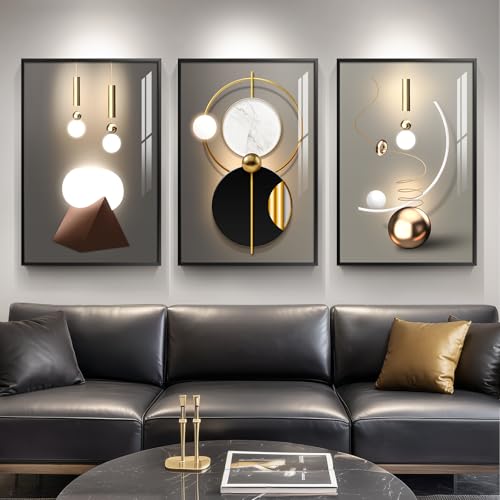
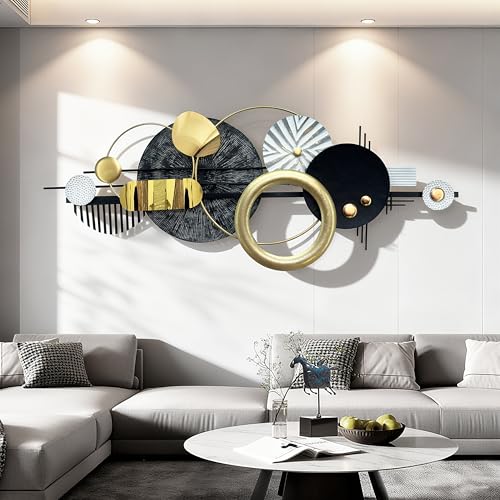
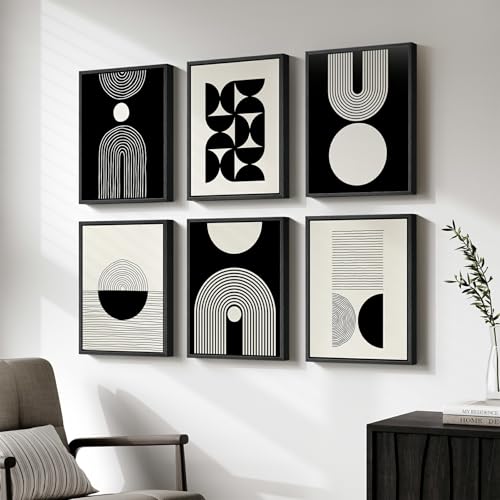

White with black and brass is the highest-contrast, most graphic Art Deco palette, pure drama through black-and-white with a warm metallic lift. Use a soft, warm white (#F6F3EC) as the dominant color, bring in black (#1A1A1A) boldly through geometric patterns, trim, lacquered furniture, and a striking rug, and lift it with brass (#B08D57) in lighting and accents. The black-and-white contrast is at its most powerful here, and Art Deco’s love of geometry shines through the sharp pattern play. The brass keeps it warm rather than stark. This palette is bold, graphic, and timeless, and it works in almost any room, an entryway, a bathroom, a living room, anywhere you want maximum Art Deco contrast in a bright, high-impact form.
Want to use black geometry and metallic shine without the room going flat or stark?
The Aesthetic Apartment Makeover Guide shows you how to place high-contrast color and metallic accents so an Art Deco room reads layered and glamorous, not graphic and cold.
Two-Jewel-Tone and Statement Art Deco Palettes
The most confident Art Deco palettes pair two jewel tones together, or build a scheme around a bold statement combination. This is Art Deco at its most glamorous and its most demanding, because two rich colors need black, metallic, and light relief working hard to keep them composed.
The rule with a two-jewel palette is the same as always, give each color a clear role, anchor with black, lift with metallic, relieve with a light tone, just applied with extra discipline. The palettes below pair bold colors in true Art Deco fashion, each with a note on keeping the richness composed.
11. Emerald and Sapphire With Gold

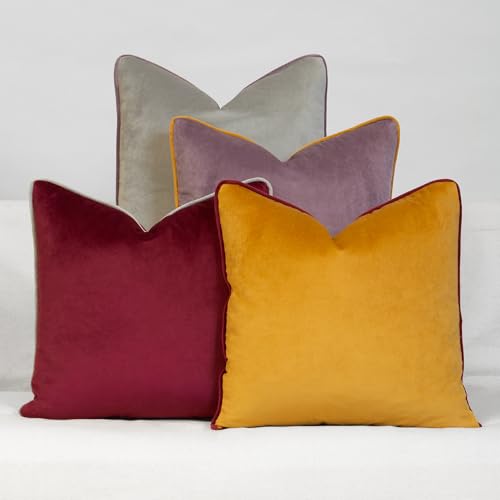


Emerald and sapphire together is a deep, jewel-box Art Deco palette of real richness. Give emerald green (#1F6F54) the lead on walls or a major piece, use sapphire blue (#1B3A6B) as the equally deep secondary on upholstery or accents, and tie the two jewel tones together with gold (#C9A24B), which acts as the warm bridge between them. Black (#1A1A1A) anchors the geometry, and a cream relief keeps it from becoming a dark cave. The two jewel tones must each have a clear territory rather than mixing everywhere. This palette is sumptuous and confident, the Art Deco of grand hotels and luxury liners. It works beautifully in a living room, a dining room, or a study where you want the fullest jewel-tone glamour.
12. Ruby and Emerald With Black


Ruby and emerald together is a bold, festive, high-drama Art Deco palette, the richest jewel-tone pairing in the style. Because both colors are so powerful, the discipline here is extra restraint: let ruby red (#7B1E2B) and emerald green (#1F6F54) each appear as a clear, contained jewel, a single chair, a band of cushions, a feature, rather than spreading either across whole walls. Black (#1A1A1A) must be generous, carrying walls or major furniture as the grounding field that lets the two jewels read as gems against it. Gold lifts it, cream relieves it. This is the most dramatic palette in the style, theatrical and opulent, best reserved for a dining room or a statement space where full Art Deco glamour is the goal.
13. Black, Gold, and a Single Jewel Accent


This palette makes black and gold the entire scheme, with one jewel tone used as a precise, concentrated accent. Let black (#1A1A1A) and gold (#C9A24B) carry the room, walls, furniture, geometric pattern, metallic gleam, and then choose a single jewel tone, emerald, sapphire, or ruby, to appear in just one or two concentrated places: a velvet chair, a stack of cushions, a single artwork. A light relief tone keeps it breathable. This is Art Deco at its most disciplined and graphic, the black-and-gold drama doing most of the work with the jewel tone as a deliberate jolt. It is sophisticated and high-impact, ideal for a study, an entryway, or a powder room where you want concentrated, controlled Art Deco glamour.
14. Navy, Cream, and Gold

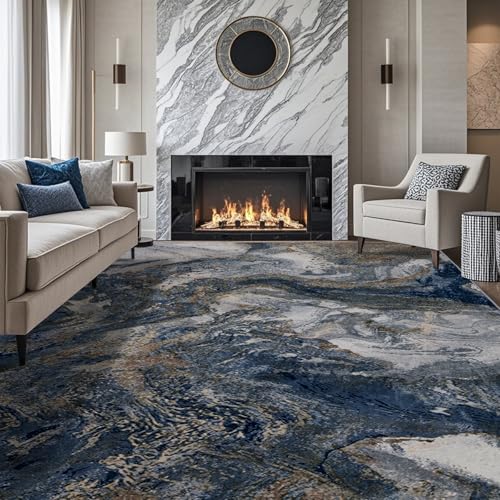



Navy with cream and gold is a slightly softer, more livable Art Deco palette that trades the deepest drama for everyday elegance. Use navy (#22304A), a touch gentler than true sapphire, as the rich anchor on walls or major upholstery, let cream (#F2EBD8) carry generous relief through trim, ceilings, and a share of the furnishings, and lift it with gold (#C9A24B). The navy-cream contrast is high enough to read as Art Deco but soft enough to live with daily, and the gold brings the essential shine. A touch of black in geometric detail sharpens it. This palette is elegant and approachable, a great choice for a living room, a bedroom, or a dining room where you want Art Deco glamour you can comfortably live inside every day.
15. Charcoal, Blush, and Gold


Charcoal with blush and gold is a modern, sophisticated Art Deco palette that balances depth and softness. Use charcoal (#3A3A3C), a touch warmer and softer than pure black, as the deep anchor on walls or major furniture, bring in blush pink (#E3C4BE) as the soft, romantic relief and accent color, and lift the whole thing with gold (#C9A24B). The charcoal provides the dramatic depth and contrast Art Deco needs, while the blush keeps the room from feeling severe, a contemporary, slightly feminine take on the style. The gold gleam ties it together. This palette is elegant and current, well suited to a bedroom, a dressing room, or a sitting room where you want Art Deco depth and glamour with a soft, modern warmth.
How to Use an Art Deco Palette Confidently
The rule that keeps an Art Deco palette glamorous rather than heavy is high contrast plus relief. Pair a deep jewel tone, or a light base, with black for the architectural contrast, lift it with a metallic, gold, brass, or chrome, for the shine, and always include a generous lighter relief tone so the drama has somewhere to breathe. The contrast is the glamour; the relief is what keeps it composed.
Choose your metallic to set the temperature, gold and brass for the warm, gilded-ballroom side of Art Deco, chrome for the cool, streamlined machine-age side, and keep it consistent through a room. When pairing two jewel tones, give each a clear role and let black and a light tone do the balancing. To carry these palettes into a full room, the Art Deco furniture guide shows the geometric, symmetrical pieces to build them around, and for the shared-glamour crossover, a Hollywood Regency living room uses many of the same jewel tones with a slightly different, more theatrical edge.
Frequently Asked Questions
What colors define an Art Deco palette?
An Art Deco palette is built on deep jewel tones, emerald, sapphire, ruby, plum, teal, paired with black for architectural contrast, and lifted with metallics in gold, brass, or chrome. Lighter versions use cream, blush, grey, or white as the base with black and metallic carrying the drama. The defining quality is high contrast plus metallic shine, with a generous lighter relief tone to keep it composed.
How do I keep an Art Deco palette from looking heavy?
Always include a generous lighter relief tone, cream, ivory, or soft white, so the deep colors and black have somewhere to breathe. Use rich jewel tones selectively rather than on every surface, especially powerful colors like ruby. The metallic shine also lifts the scheme. The drama should come from contrast, not from drowning the room in dark color with no relief.
Can an Art Deco room be light instead of dark?
Yes. Lighter Art Deco palettes use cream, blush, soft grey, or white as the dominant color, with the essential contrast carried by black geometric detailing and the glamour carried by metallic gleam. The style depends on high contrast and shine, not on dark walls, so a bright room with bold black geometry and gold or chrome accents is fully Art Deco.
Should I use gold, brass, or chrome in an Art Deco room?
It depends on the temperature you want. Gold and brass give the warm, gilded, ballroom side of Art Deco, glamorous and opulent. Chrome gives the cool, streamlined, machine-age side, sleeker and more modern. Either is correct; the key is choosing one and using it consistently through a room rather than mixing metals, so the palette stays cohesive.
How many jewel tones should an Art Deco palette use?
Most Art Deco palettes use one jewel tone paired with black and a metallic, which is the easiest scheme to keep composed. Confident two-jewel-tone palettes are possible, but they require extra discipline: each color needs a clear, contained role, black must be generous as the grounding field, and a light relief tone is essential. For most rooms, one jewel tone is plenty.
Key Takeaways
- An Art Deco palette is built on high contrast: deep jewel tones or a light base paired with black, lifted by metallics.
- The core jewel tones are emerald, sapphire, ruby, plum, and teal, used with black and gold, brass, or chrome.
- Art Deco rooms can be light too, with cream, blush, grey, or white bases and black geometry carrying the drama.
- Choose your metallic for temperature: gold and brass for warm gilded glamour, chrome for a cool, streamlined machine-age look.
- Always include a generous lighter relief tone so the contrast reads glamorous and composed rather than heavy.
Final Thoughts
A century on from the 1925 exhibition that named it, the Art Deco palette still reads as glamorous and confident, because it was never really about specific colors so much as about contrast and shine. Pair a jewel tone or a light base with black, lift it with a metallic, and give it a generous lighter relief, and the drama stays composed rather than heavy.
Pick your jewel tone, set your metallic temperature, and let the contrast do the work. For a bolder relative of this palette, a maximalist living room uses the same jewel tones with more pattern and abandon, and a moody lighting scheme shows how the right glow keeps a deep, dramatic room warm. Choose your colors with contrast and confidence, and an Art Deco room reads glamorous, composed, and timeless.