A maximalist living room layers bold furniture, mixed pattern, gallery walls, and collected objects into a rich, lived-in space. The 16 ideas below build that look, plus the one habit that keeps a bold living room from tipping into busy.
The living room is where maximalism gets its reputation, for better and worse. It is the most public room in the house, so a bold living room is the one people notice, and also the one people worry will look like too much. The difference between rich and chaotic is not how much is in the room. It is whether the room was built in a deliberate order.
The 16 ideas below cover the sofa, the walls, the pattern, the layering, and the collected objects that make a maximalist living room feel personal. The section at the end covers the resting-point habit that holds it all together.
Building a maximalist living room and not sure where to start?
The Aesthetic Apartment Makeover Guide walks you through a living room in the right order, so a bold room comes together as one collected space rather than a pile of pieces.
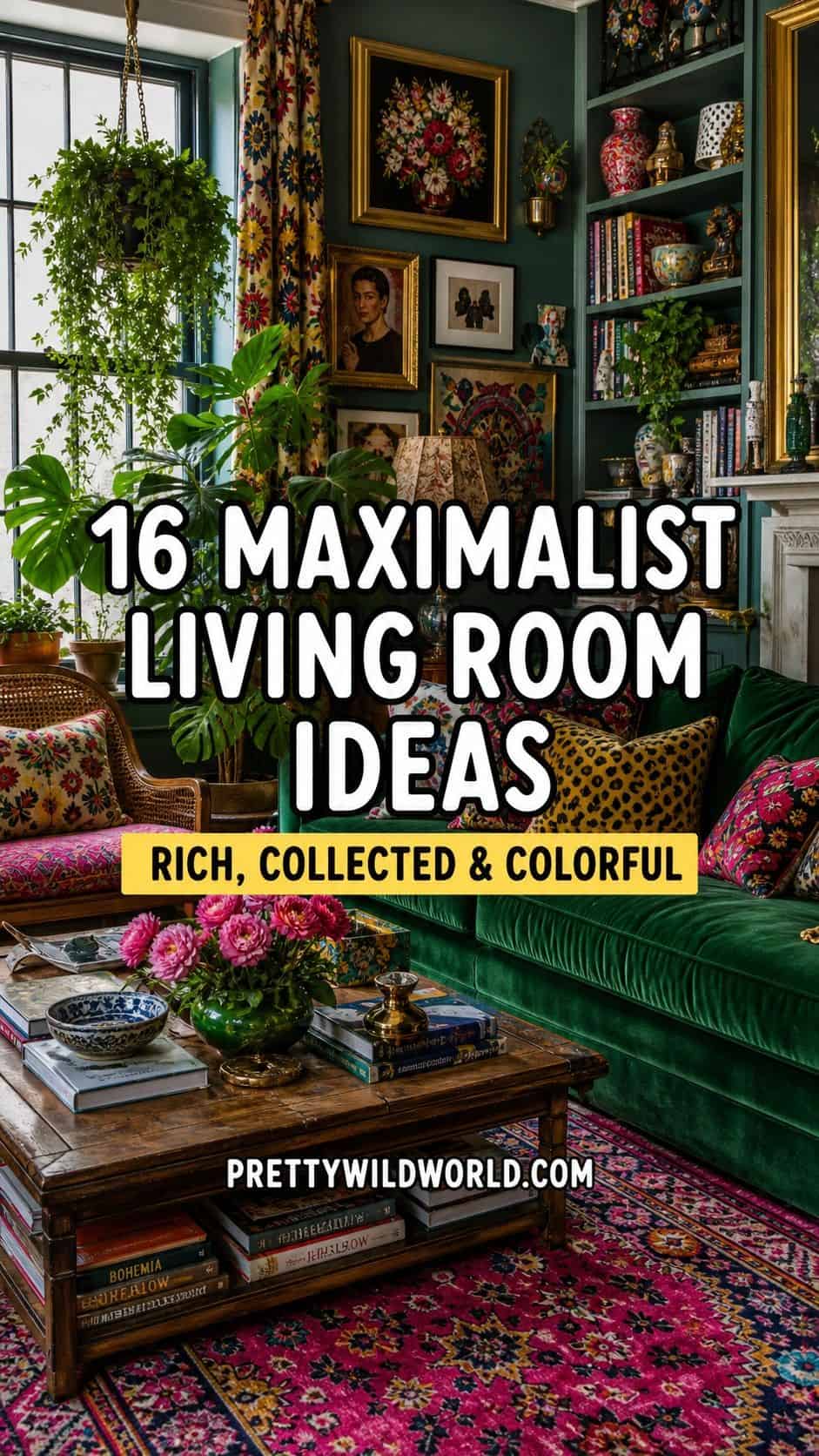
Recommended Maximalist Living Room Decor
Six pieces that anchor a maximalist living room, from a bold sofa to the gallery wall and pattern that layer it.




Recommended blogs to read:
- how a maximalist color palette works
- choosing maximalist furniture
- a bold retro living room
- mid-century living room styling
- an eclectic boho mix
What Makes a Living Room Maximalist
A maximalist living room is built on layers: a bold seating anchor, mixed pattern across the textiles, art covering the walls, and collected objects on every surface. Where a minimalist living room edits down to a few clean pieces, a maximalist one builds up until the room feels full, warm, and unmistakably personal.
The thing that separates a maximalist living room from a cluttered one is cohesion. Every bold element ties back to a shared palette and a few repeated patterns, so the eye reads the room as collected rather than random. Start from the color scheme and let everything else answer to it, and our guide to a maximalist color palette covers how to set that foundation.
One rule before the list: the sofa leads. The seating is the largest object in a living room and the thing the whole layout builds around. Get the sofa right, whether that is a bold color, a strong shape, or a piece dressed up with pattern, and the rest of the room has an anchor to answer to.
16 Maximalist Living Room Ideas
Build from the sofa outward. The section after the list covers how to keep all of this from feeling busy.
1. A Bold Statement Sofa


The maximalist living room anchor, and the piece the whole layout builds around. A sofa in a saturated color like emerald, mustard, or oxblood, or one with a strong sculptural shape, sets the tone for the whole room before you add a single accessory. If a new sofa is not in the budget, a jewel-tone slipcover turns a plain one bold for a fraction of the cost, and a pile of patterned pillows pushes a neutral sofa most of the way there on its own.
2. A Gallery Wall


Art covering a full wall is core maximalist styling and the fastest way to make a living room feel collected. Build it around the sofa or the largest empty wall, anchor with a few big pieces so the arrangement has weight, then fill in with smaller frames and keep the gaps even. Mixing frame styles and finishes reads more collected than a matched set, and a gallery wall is forgiving, you can keep adding to it for years. Our maximalist wall decor guide covers gallery walls in full.
3. Mixed-Pattern Pillows


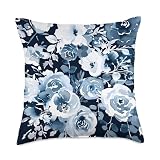

A pile of pillows in three or four patterns at different scales, a large floral, a medium stripe, a small geometric, plus a solid for the eye to rest, turns the sofa into a layered moment. Pillows are the cheapest, lowest-risk way to start mixing pattern in a living room, since covers swap out for the price of a coffee. Keep them in one palette so the mix reads collected, and repeat each pattern at least once across the room so the pillows feel connected to everything else.
4. A Bold Area Rug


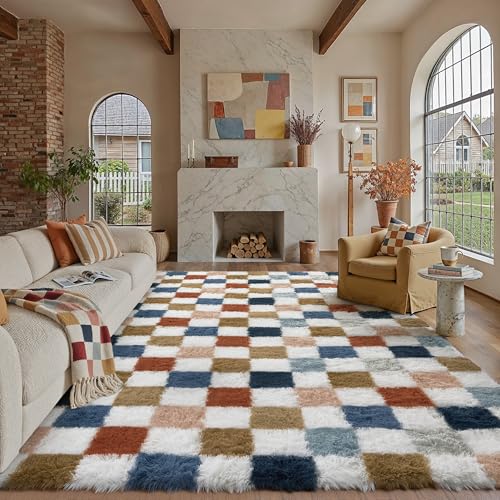
A patterned or richly colored rug grounds the seating and pulls the whole color scheme together from the floor up. Go large enough that at least the front legs of the furniture sit on it, an undersized rug is one of the most common decorating mistakes and it makes the whole room look unanchored. Let the rug be one of the boldest pattern blocks in the room, a vintage Persian or a bold floral, since the floor can take a strong pattern without crowding eye level.
5. Patterned Wallpaper


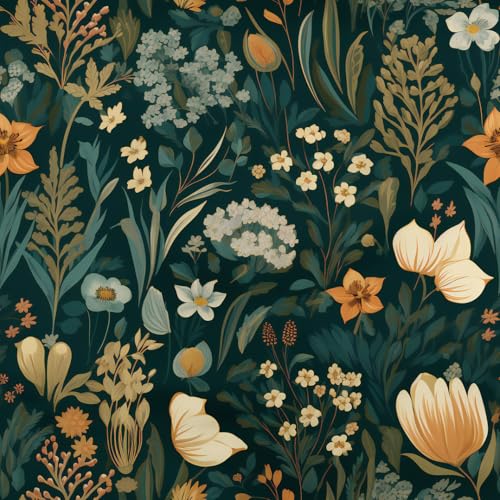

A bold wallpaper, on one feature wall or wrapping the whole room, instantly sets a maximalist tone and gives every layered object a rich backdrop to sit against. Peel-and-stick versions keep it renter-friendly and come off cleanly at move-out, so the boldness carries no risk. Even a single papered wall behind the sofa is enough to anchor the room, you do not have to commit to all four walls, and the wall behind the seating is the one the eye lands on most.
6. Layered Coffee Table Styling


The coffee table is a styling stage, sitting right in the middle of the room where everyone looks. Stack books, add a tray to corral smaller things, a sculptural object, a small plant, and a candle, grouped into one or two clusters rather than spread evenly across the surface. A styled coffee table is one of the most visible maximalist details in a living room, and it costs almost nothing, most of it is objects you already own arranged with more intention.
7. A Mix of Seating


Maximalist seating does not match, and it is better for it. Pair the sofa with armchairs in a different fabric, a pouf or an ottoman, and maybe a vintage chair in a style all its own. The mix reads collected, like the room was gathered over time, and it gives the space more visual layers than a matched three-piece set ever could. Tie the pieces together with a shared color or a repeated material so the variety still feels intentional.
8. Layered Lighting


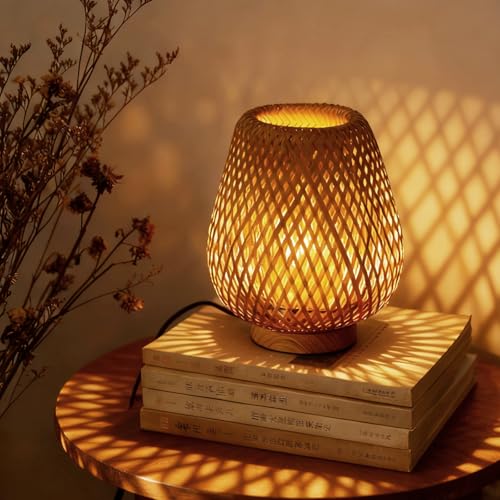
A maximalist living room wants several warm light sources at different heights, an overhead fixture, a floor lamp, a couple of table lamps, so the light comes from many small pools rather than one bright point. The layered glow is what makes a bold room feel cozy in the evening instead of harshly over-lit, and putting the fixtures on dimmers lets the same room shift from bright daytime to low evening warmth. Our maximalist lighting guide covers fixtures and layering in full.
9. Open Shelving Styled Densely


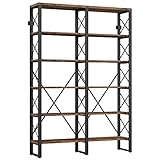
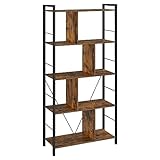
Bookshelves or built-ins styled with books, art, objects, and plants give a maximalist living room a place to show its collected side without crowding the rest of the room. Mix horizontal and vertical book stacks, work in small objects and a piece of art leaned at the back, and leave almost no empty space. The trick is that the shelves should read full but grouped, clusters with breathing room between them, not a wall of evenly spaced clutter.
10. Bold Curtains


Floor-length curtains in a deep color or bold pattern frame the windows and add another large block of color at the edges of the room. Hung high and wide, close to the ceiling and well past the window frame, they make the room feel taller and the windows grander than they actually are. They tie into the pattern story across the rest of the room when they share a color with the rug or the pillows, which is what keeps the whole scheme reading connected.
11. A Statement Ceiling


The forgotten fifth wall, and one of the easiest places to surprise the eye. A painted ceiling, a bold overhead light fixture, or even a papered ceiling adds an unexpected maximalist layer above everything else. It is the kind of detail that makes a living room feel fully considered rather than decorated only at eye level, and a deeper ceiling color also reads cozier, drawing the room in. Even a bold fixture alone shifts how the whole ceiling registers.
12. Plants in Mismatched Pots

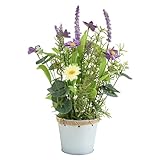


Greenery softens the hard lines of furniture and adds organic texture that fabric and wood cannot. A large plant filling a corner, trailing plants spilling off shelves, and a cluster of smaller ones in mismatched pots all bring life and another layer to a maximalist living room. Plants are also the one element that grows and changes, so they keep a heavily layered room from feeling static, and mismatched pots give you yet another small chance to repeat the room’s colors.
13. A Vintage Furniture Mix


One or two characterful vintage pieces, a carved side table, an old trunk used as a coffee table, a worn leather chair, add the age and story that maximalism depends on. They are usually cheap secondhand, often cheaper than the new equivalent, and they carry a patina that new furniture takes years to earn. Most of all, they keep the living room from looking like a showroom, which is the line between a room that feels styled and one that feels merely bought.
14. Color-Drenched Walls


Painting the walls, trim, and sometimes the ceiling in one deep saturated color wraps the room and makes one of the most confident maximalist statements there is. Color-drenching gives all the layered objects a rich backdrop to sit against rather than competing with a stark white wall, so the art and furniture actually read better. It also unifies an awkward room, painting the trim and the walls the same color hides odd angles and makes a space feel deliberate.
15. Layered Textiles


Beyond pillows, drape a throw over the sofa arm, layer a smaller patterned rug over a larger neutral one, and add a textured blanket folded on a chair. Layered textiles add warmth and softness in a room that can otherwise feel hard with wood and frames, and they fill the small in-between gaps that make a room read finished rather than half-styled. They are also low-commitment, a throw moves rooms in seconds, so they are an easy place to test a bolder color.
16. Collected Objects on Every Surface


Ceramics, candlesticks, framed photos, small sculptures, and travel finds grouped on side tables, the mantel, and shelves are what make a maximalist living room read as personal rather than catalog-perfect. Group objects in odd numbers and vary the heights so each cluster feels intentional, and let the groupings have a little breathing room between them. These are the details that turn a well-decorated room into one that clearly belongs to a specific person, which is the whole point of maximalism.
Want the living room to tie into the rest of the home?
The Aesthetic Apartment Makeover Guide breaks the whole home down room by room, so every space ties into one cohesive scheme. Worth every penny at $17, and the price goes up to $27 soon.
How to Keep a Maximalist Living Room From Feeling Busy
The single habit that keeps a bold living room calm is giving the eye a resting point. Even in a fully layered room, there has to be somewhere quiet to land, a stretch of plain wall, a solid-colored sofa among patterned pillows, a clear surface or two. Without a resting point the room reads frantic. With it, the same amount of stuff reads rich and collected.
Two more habits help. Repeat your colors and patterns at least three times around the room so the eye connects them into a scheme rather than seeing isolated bursts. And edit in passes, live with the room, then remove the two or three things that are not pulling their weight. A maximalist living room built this way is layered and warm without ever feeling cluttered. For the lower-budget path, our guide to maximalism on a budget covers building the look affordably.
Frequently Asked Questions
What is a maximalist living room?
A maximalist living room layers a bold seating anchor, mixed pattern, gallery walls, and collected objects into a rich, lived-in space. Where a minimalist room edits down, a maximalist one builds up until the room feels full, warm, and personal, with everything tied to a shared palette.
How do I start a maximalist living room?
Start with the sofa, since it is the largest object and the thing the layout builds around. Set a color palette, choose a bold or boldly dressed sofa, then layer in a patterned rug, mixed pillows, a gallery wall, and collected objects, keeping everything answering to the palette.
How many patterns can I use in one living room?
Three or four patterns at different scales work well: a large floral, a medium stripe, a small geometric, plus a solid for the eye to rest. Keep them in the same palette so the mix reads collected, and repeat each pattern at least a couple of times around the room.
How do I do a maximalist living room on a budget?
Use a jewel-tone cover to turn a plain sofa bold, thrift vintage seating and side tables, build a gallery wall from secondhand frames, swap in mixed-pattern pillows and a bold rug, and use peel-and-stick wallpaper on one wall. The look is built in layers, so it can be built slowly.
How do I give the eye a rest in a bold living room?
Leave a resting point: a stretch of plain wall, a solid-colored sofa among patterned pillows, or a clear surface or two. The resting point is what keeps a fully layered room reading rich and collected rather than frantic and cluttered.
Key Takeaways
- A maximalist living room layers a bold seating anchor, mixed pattern, gallery walls, and collected objects into a rich, lived-in space.
- The 16 ideas build from the sofa outward: bold seating, gallery wall, mixed pillows, bold rug, then the layering around them.
- Cohesion is what separates rich from cluttered, so tie every bold element back to a shared palette and a few repeated patterns.
- Keep a maximalist living room calm by leaving the eye a resting point, a plain wall or a solid sofa among patterned pillows.
- Jewel-tone covers, thrifted vintage seating, and peel-and-stick wallpaper make the look affordable and buildable in layers.
Final Thoughts
A maximalist living room is the most public room you will style, so it is worth building in the right order. Start with a bold sofa, set a palette, then layer in pattern, art, lighting, and collected objects until the room feels full and personal, and leave the eye one quiet place to land. Built this way, a maximalist living room reads rich and warm rather than busy. When you are ready for the rest of the room, the maximalist furniture guide and the maximalist color palette guide cover pieces and color in full.