Quick Answer: Art Deco furniture follows one rule: geometry and symmetry. The pieces are built on bold geometric forms, stepped shapes, sunbursts, fluting, sharp curves, and they are arranged in balanced, symmetrical pairs and groupings. The 15 pieces below are the building blocks, from the curved velvet sofa and the sunburst mirror to the lacquered sideboard and the mirrored chest, and each one notes how its geometry and placement carry the Art Deco look.
The detail that defines Art Deco furniture, and the one to hold onto while you shop and arrange, is this: geometry and symmetry. Every genuine Art Deco piece is built on a bold geometric idea, a stepped silhouette, a sunburst, a fan, crisp fluting, a confident curve, and Art Deco rooms arrange those pieces in deliberate, balanced symmetry. Matched lamps, paired chairs, a centered sideboard. The look is precise on purpose.
That two-part rule, geometric forms, symmetrical arrangement, is what separates real Art Deco from a vague “glam” look. The geometry gives each piece its identity; the symmetry gives the room its order. A glamorous velvet chair is just a glamorous chair until you pair it with its twin and center them on a geometric rug, and then it becomes Art Deco.
This guide walks through the 15 core building blocks of an Art Deco room, and each one notes how its geometry and placement carry the look. The pieces share the bold confidence of statement-driven maximalist decor and the deep drama of a moody bedroom, with Art Deco’s particular precision.
Arranging Art Deco furniture and not sure how to get the symmetry to read right?
The Aesthetic Apartment Makeover Guide walks you through placing furniture room by room, so an Art Deco space reads balanced, geometric, and glamorous rather than just dark and heavy.

Recommended Art Deco Furniture Pieces
Six pieces that anchor an Art Deco room, the geometric, glamorous classics that define the style.


Recommended blogs to read:
- bold maximalist furniture
- a maximalist living room
- moody furniture pieces
- a mid-century crossover
- a jewel-tone palette
The Geometric Anchor Pieces
Every Art Deco room is built around large anchor pieces whose bold geometry sets the tone. These are the big upholstered and case pieces, and their silhouettes, the curve, the step, the fluting, are what make a room read as Art Deco rather than just dark and glamorous.
The anchors below cover seating and major storage. Each one is a classic Art Deco form, and the note on each tells you both the geometry that defines it and how to place it symmetrically so the room reads composed and balanced.
1. The Curved Velvet Sofa


The curved velvet sofa is the glamorous heart of an Art Deco living room, and its geometry is the bold, confident sweep of the curve itself. A sofa with a pronounced curved or scrolled back in a deep jewel-tone velvet, emerald, sapphire, ruby, brings the style’s signature mix of geometry and luxury. The symmetry rule applies in how you place it: center the curved sofa on the room’s main axis, flank it with a matched pair of chairs or side tables, and anchor it on a geometric rug. The curve is the geometric statement; the symmetrical arrangement is what makes it Art Deco rather than just a pretty sofa. It is the single most essential anchor piece, and the room should be built around it.
2. The Lacquered Sideboard


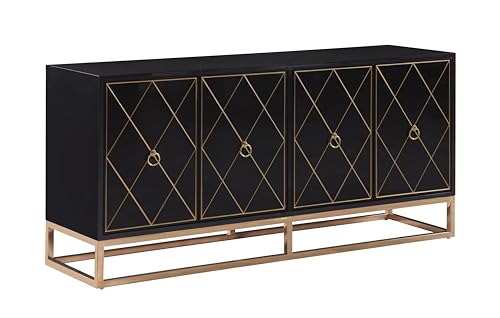
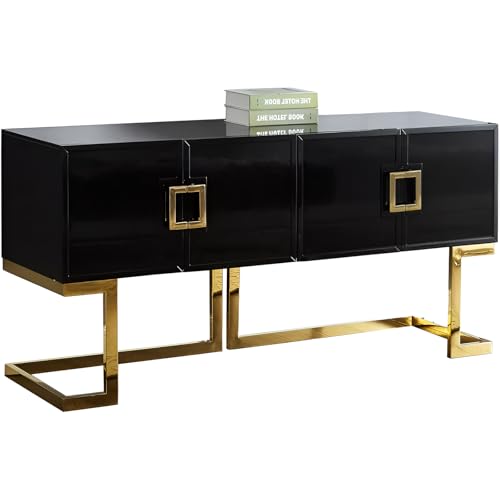
A lacquered sideboard is a quintessential Art Deco case piece, and its geometry shows in the bold rectilinear form, the stepped or fluted detailing on the doors, and the high-gloss finish that catches light. In black, a jewel tone, or a rich wood with lacquer shine, it makes a strong horizontal statement. Place it symmetrically: centered on a wall, with a matched pair of lamps on top and a piece of art or a sunburst mirror centered above. That centered, mirrored arrangement is the Art Deco move. The sideboard’s geometric door detailing carries the style’s love of pattern and line. It works in a dining room, a living room, or an entryway, and it delivers both storage and a major dose of Art Deco geometry.
3. The Fluted Accent Cabinet


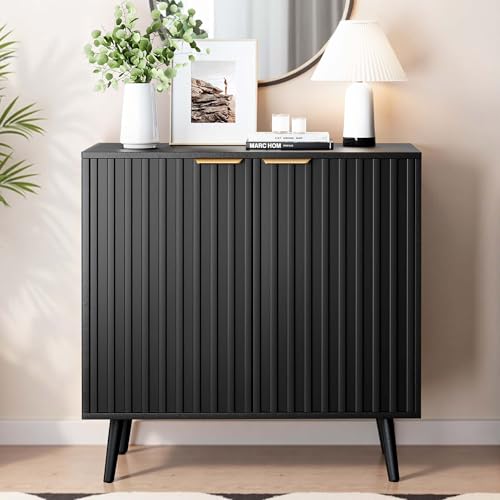
A fluted accent cabinet brings one of Art Deco’s most recognizable geometric details, the repeated vertical ridges of fluting, into a room as a contained statement piece. Whether on a tall cabinet or a low chest, the fluting creates rhythm, shadow, and a strong sense of crafted geometry. In black, a jewel tone, or a warm wood, a fluted cabinet is a piece that announces the style. Place it as a centered statement on its own wall, or use a matched pair flanking a doorway, a fireplace, or a bed for the symmetry the style demands. The fluting is the geometric identity; the paired or centered placement is the Art Deco discipline. A fluted cabinet works in almost any room as a glamorous, geometric anchor.
4. The Stepped Bookcase or Etagere


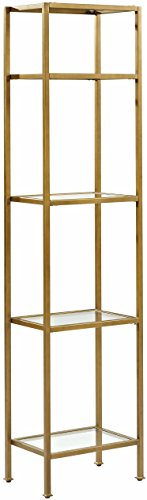

A stepped bookcase or etagere captures the Art Deco geometry of the skyscraper, the ziggurat, the stepped silhouette that echoes the era’s architecture. A shelving unit with a stepped or tiered profile, or with bold geometric framing, brings that architectural drama into a room. In black, brass, or a lacquered finish, it is both functional and a clear style statement. Place a pair of stepped etageres symmetrically, flanking a sofa, a fireplace, or a window, for the balanced arrangement Art Deco favors, or center a single large one as a feature. The stepped form is the geometric identity, directly referencing Art Deco architecture. Style the shelves sparingly with geometric objects so the form stays readable. It is the anchor that brings the era’s building-inspired geometry indoors.
5. The Upholstered Bed With a Geometric Headboard



An upholstered bed with a bold geometric headboard is the Art Deco bedroom’s anchor. The headboard carries the geometry, a fan shape, a stepped silhouette, a channel-tufted or geometrically paneled form, in a deep jewel-tone or rich neutral velvet. The bed sets the room’s central axis, and the symmetry rule follows naturally: a matched pair of nightstands, a matched pair of lamps, balanced art above. That mirrored bedside arrangement is core Art Deco styling. The geometric headboard is the statement; the symmetrical surroundings complete the look. Keep the bedding relatively simple so the headboard’s geometry stays the focus. An upholstered bed with a geometric headboard is the easiest way to anchor a bedroom firmly in the Art Deco style.
Art Deco Statement and Reflective Pieces
Art Deco loved shine and reflection, and a set of statement pieces, the mirrors, the mirrored furniture, the gleaming metal, carry that gleam through a room. These are the pieces that bring the era’s glamour and light, and their geometry is just as deliberate as the anchor furniture’s.
The pieces below are the reflective and statement signatures. Each one carries a bold geometric form and a sense of shine, and the note on each tells you how to place it, almost always symmetrically, so the glamour reads as composed Art Deco rather than scattered sparkle.
6. The Sunburst Mirror


The sunburst mirror is one of Art Deco’s most iconic pieces, and its geometry is the radiating, symmetrical burst of rays from a central circle, pure geometric pattern. In gold or brass, it brings both shine and a bold graphic form. The sunburst is inherently symmetrical, so it naturally suits the style, but placement matters: center it above a sideboard, a sofa, a fireplace, or a bed as the focal point of a balanced arrangement. A pair of smaller sunbursts flanking a larger piece also works. The radiating geometry is the Art Deco identity, and the centered placement is the discipline. A sunburst mirror is the single most recognizable Art Deco statement piece, and it instantly signals the style.
7. The Mirrored Chest


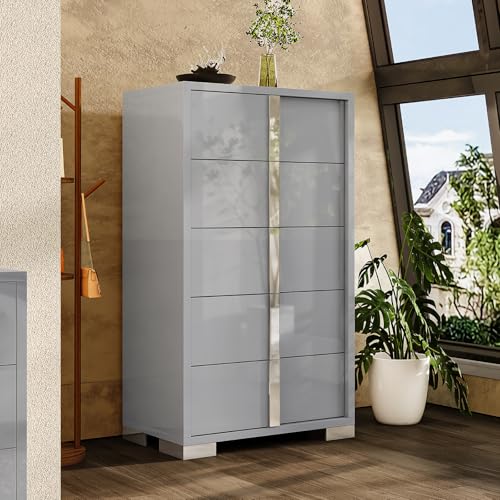
A mirrored chest brings Art Deco’s love of reflection into a functional piece. Its geometry shows in the rectilinear form and often in geometric beveling or paneling on the mirrored surfaces, and the mirror itself catches light and adds glamour. A mirrored chest works as a bedroom dresser, a living room console, or an entryway statement. Place it symmetrically, centered on a wall with a matched pair of lamps and a centered mirror or art above, or use a matched pair flanking a bed. The reflective surface and geometric beveling carry the style; the balanced placement keeps it composed. Because mirrored furniture can read busy, one mirrored piece per room is usually plenty, balanced by matte pieces around it.
8. The Geometric Brass Coffee Table


A geometric brass coffee table is a small but defining Art Deco piece, and its geometry is the whole point, an angular, faceted, or boldly shaped brass frame, often with a glass or stone top. The brass brings the era’s signature metallic gleam, and the geometric form brings the style’s structure. Center it on the room’s main axis, in front of the curved sofa, anchored on a geometric rug, so it sits at the heart of a balanced arrangement. The angular brass form is the geometric statement; the central, anchored placement is the Art Deco discipline. A geometric brass coffee table is one of the easiest ways to bring both the metal gleam and the bold geometry of the style into a living room.
9. The Pair of Statement Table Lamps


Art Deco lighting is sculptural and geometric, and a matched pair of statement table lamps is where the symmetry rule is most clearly expressed. Choose lamps with bold geometric bases, stepped, fluted, faceted, or sculptural, in black, brass, chrome, or jewel-tone glass. The key word is pair: Art Deco lighting almost always comes in twos, placed symmetrically on either side of a sofa, a sideboard, or a bed. A single lamp can be a beautiful object, but a matched pair, mirrored across a piece of furniture, is what reads as Art Deco. The geometric base carries the style’s form; the symmetrical pairing carries its discipline. Statement table lamps are the clearest, easiest expression of the geometry-and-symmetry rule.
10. The Geometric Bar Cart




A geometric bar cart is a quintessential Art Deco piece, the era practically invented the glamorous home bar, and its geometry shows in the angular or boldly shaped metal frame, often in brass or chrome with glass or mirrored shelves. It brings shine, structure, and the entertaining spirit of the style. While a bar cart is mobile, give it a deliberate home: placed against a wall, ideally near a sunburst mirror or beneath a piece of geometric art, so it sits within a composed arrangement rather than floating. The angular frame is the geometric identity; the gleaming metal is the Art Deco glamour. Style it with geometric glassware and a few sculptural objects. A geometric bar cart is the piece that brings the era’s glamorous hospitality into a room.
Want to know which Art Deco pieces to invest in and how to arrange them symmetrically?
The Aesthetic Apartment Makeover Guide helps you plan your furniture room by room, so you build a balanced, geometric Art Deco space in the right order without overspending.
Art Deco Seating and Accent Furniture
Beyond the big anchors and the statement pieces, an Art Deco room is filled out with seating and accent furniture that carries the geometry-and-symmetry rule at a smaller scale. These pieces add the layered detail and the comfortable function that make a room livable, not just dramatic.
The pieces below each carry a bold geometric form, and most are best used in matched pairs. Each note tells you the geometry that defines the piece and how its placement keeps the room’s Art Deco symmetry intact.
11. The Club Chair With Geometric Lines

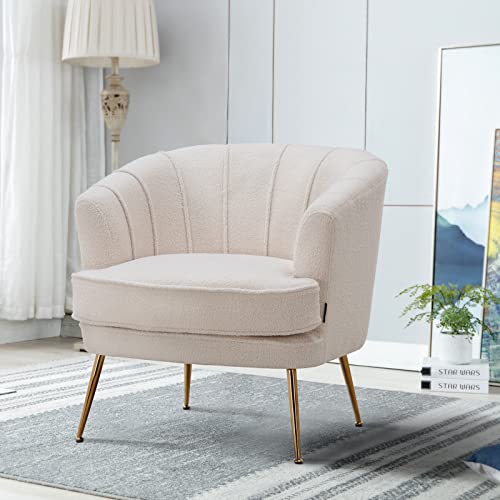

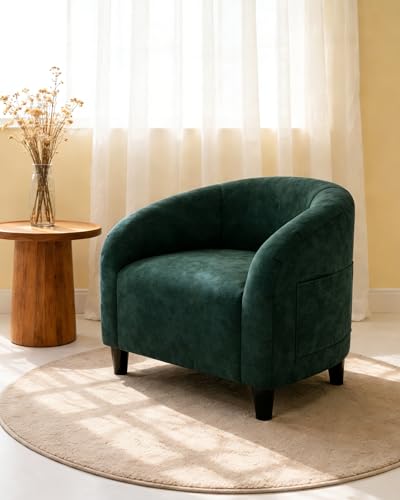
The Art Deco club chair has a low, deep, boldly geometric form, often with rounded or angular arms, channel tufting, or a fan-back detail, upholstered in jewel-tone velvet or rich leather. Its geometry is in that confident, architectural silhouette. The symmetry rule strongly applies: club chairs are at their most Art Deco in a matched pair, placed facing each other across a coffee table or flanking a fireplace or sofa. A single club chair is comfortable; a mirrored pair is Art Deco. The bold geometric silhouette is the identity; the paired placement is the discipline. Upholster them in a deep jewel tone to tie into the palette. A pair of geometric club chairs is one of the most useful and characterful seating choices in the style.
12. The Geometric Side Table

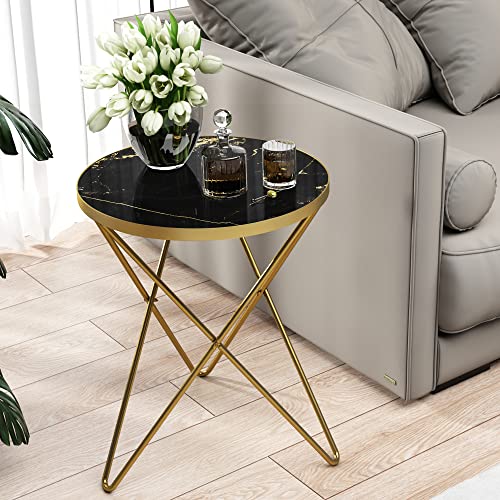

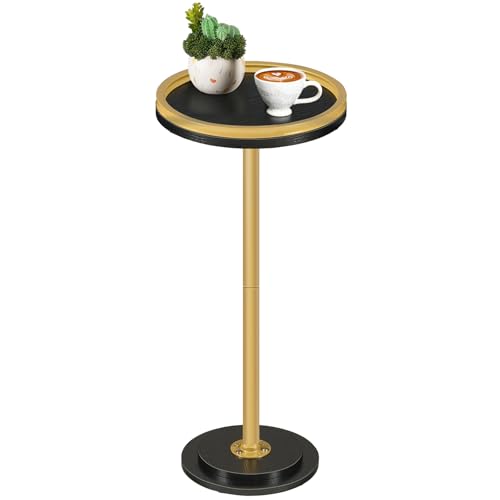
A geometric side table brings Art Deco form into a small, flexible piece. Its geometry might be a faceted base, a stepped form, a bold cylindrical or angular shape, in black, brass, lacquer, or stone. Side tables are where the symmetry rule is easy and effective: use a matched pair flanking a sofa, a bed, or a pair of chairs, so they mirror each other across the larger piece. The geometric form gives each table its Art Deco identity, and the paired placement carries the room’s balance. Because they are small, geometric side tables are an accessible way to add the style’s structure and a bit of metal or lacquer shine. A matched pair is a small, high-impact Art Deco move.
13. The Vanity With a Geometric Mirror

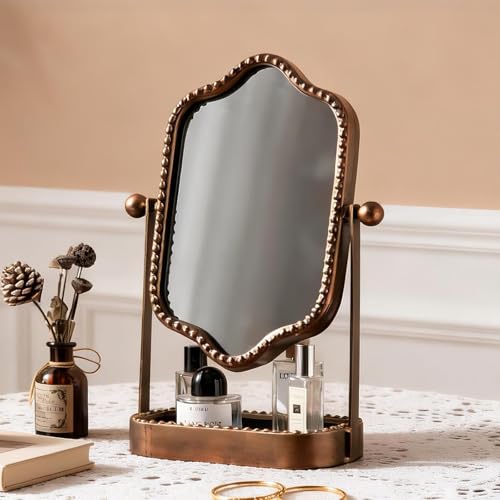


A vanity with a geometric mirror is a glamorous, functional Art Deco piece, the era loved a dedicated dressing table. Its geometry appears in the form of the vanity itself, often with curved or stepped lines and fluted detailing, and in the shape of the mirror, frequently a bold geometric or sunburst-influenced form. Place a vanity symmetrically, centered on its wall, ideally with a matched pair of small lamps or wall sconces flanking the mirror, the classic balanced Art Deco arrangement. The geometric vanity and mirror carry the style; the symmetrical lighting completes it. A vanity works in a bedroom or a dressing area, and it brings both the geometry and the glamour of the era into a genuinely useful piece.
14. The Geometric Ottoman or Pouf


A geometric ottoman or pouf is a small, soft Art Deco accent that still carries the style’s structure. Its geometry comes from a bold shape, a hexagon, a cube, a cylinder, a stepped or faceted form, upholstered in jewel-tone velvet or with channel tufting. An ottoman adds flexible seating or a footrest, and a pair can work as a coffee-table alternative. Place a matched pair symmetrically, in front of a sofa, flanking a piece, so the balance holds, or use a single one as a deliberate, geometric accent. The bold shape is the Art Deco identity, and the velvet ties it to the palette. A geometric ottoman is the soft accent that keeps an Art Deco room from feeling all hard edges, while still honoring the geometry rule.
15. The Console Table With Geometric Detail


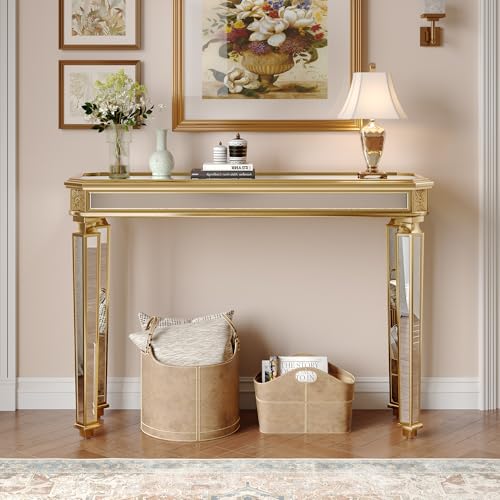
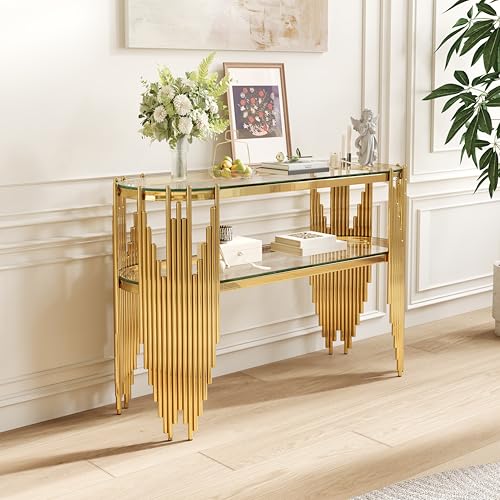
A console table with bold geometric detail is a versatile Art Deco accent, perfect for an entryway, a hallway, or behind a sofa. Its geometry shows in the legs, an angular, fluted, or sculptural support, and in any stepped or geometric apron detailing, often in black, brass, lacquer, or a rich wood. Place a console symmetrically: centered on a wall, with a matched pair of lamps and a centered sunburst mirror or piece of art above. That centered, mirrored vignette is the core Art Deco arrangement, and a console table is the ideal piece to build it with. The geometric detailing is the style identity; the symmetrical styling above it is the discipline. A console table is the accent that brings a composed, balanced Art Deco moment to a transitional space.
How to Arrange Art Deco Furniture in a Room
The whole Art Deco furniture approach comes back to the two-part rule: geometry and symmetry. Choose pieces with bold geometric forms, the curve, the step, the fluting, the sunburst, the facet, so each one has a clear Art Deco identity. Then arrange them symmetrically: matched pairs of chairs, lamps, and side tables, centered anchor pieces, balanced vignettes above consoles and sideboards. The geometry gives the pieces their character; the symmetry gives the room its order, and a room can have one without the other and still miss the style.
Build around one geometric anchor, a curved sofa, an upholstered bed, a lacquered sideboard, and arrange everything else in balanced relationship to it. Use matched pairs wherever you can, since pairing is the easiest way to achieve the symmetry. To choose the colors for these geometric pieces, the Art Deco color palette ideas show the jewel-tone and metallic schemes to upholster and finish them in, and for a glamorous cousin of the style, a Hollywood Regency living room uses similar pieces with a more theatrical, less strictly geometric edge.
Frequently Asked Questions
What furniture defines an Art Deco room?
Art Deco rooms are built on geometric, glamorous pieces: a curved velvet sofa, a lacquered sideboard, fluted and stepped cabinets, an upholstered bed with a geometric headboard, plus statement and reflective pieces like sunburst mirrors, mirrored chests, geometric brass tables, and matched pairs of sculptural lamps. The defining quality is bold geometric form arranged in deliberate symmetry.
What makes furniture look Art Deco?
Two things: geometry and symmetry. Genuine Art Deco pieces are built on bold geometric forms, stepped silhouettes, sunbursts, fans, fluting, confident curves and facets, and Art Deco rooms arrange those pieces in balanced, symmetrical pairs and centered groupings. A glamorous piece becomes Art Deco when it has a clear geometric identity and is placed in a deliberately symmetrical arrangement.
Why is symmetry so important in Art Deco?
Symmetry is what gives an Art Deco room its sense of order and intentional glamour. The style pairs and centers things deliberately, matched lamps, matched chairs, a centered sideboard with balanced styling above. Without the symmetry, a collection of geometric, glamorous pieces can read as scattered rather than composed. The balanced arrangement is half of what makes the look Art Deco.
Can I mix Art Deco with other styles?
Yes. Art Deco mixes well with mid-century modern, which shares a love of clean geometric lines, and with glamorous styles like Hollywood Regency, which share the jewel tones and shine. The key is to keep the Art Deco pieces reading clearly through their geometry and to maintain some symmetry in the arrangement, so the Deco identity holds even in a mixed room.
How much mirrored furniture should an Art Deco room have?
Usually one mirrored piece per room is plenty. Mirrored furniture brings the era’s love of reflection and light, but several mirrored pieces at once can read busy. Use one mirrored chest or cabinet as a statement, balance it with matte geometric pieces around it, and let other reflective touches, a sunburst mirror, brass and chrome accents, carry the rest of the shine.
Key Takeaways
- Art Deco furniture follows one two-part rule: bold geometric forms arranged in deliberate symmetry.
- The anchors are the curved velvet sofa, lacquered sideboard, fluted and stepped cabinets, and geometric upholstered bed.
- Statement pieces, the sunburst mirror, mirrored chest, geometric brass table, and matched lamps, carry the era’s shine.
- Use matched pairs wherever possible, since pairing is the easiest way to achieve the style’s required symmetry.
- The geometry gives each piece its identity; the symmetry gives the room its order, and the look needs both.
Final Thoughts
Art Deco furniture is not just glamorous furniture, it is geometric furniture arranged with deliberate symmetry. The curve of the sofa, the step of the cabinet, the burst of the mirror, those bold forms give each piece its Art Deco identity, and the matched pairs and centered groupings give the room its composed, intentional order.
Start with one geometric anchor, build out in balanced pairs, and keep the symmetry deliberate. For a bolder, less strictly geometric relative of the style, a maximalist home uses similar statement pieces with more pattern and abandon, and a moody lighting scheme shows how the right glow keeps a deep, dramatic room warm. Choose geometry, arrange with symmetry, and an Art Deco room reads glamorous, composed, and timeless.