Quick Answer: Holy Week in Seville (Semana Santa) 2026 runs from Palm Sunday March 29 to Easter Sunday April 5. It is one of the most intense religious experiences in Europe, with 60+ brotherhoods, candlelit processions, and La Madruga’s overnight march from Holy Thursday into Good Friday morning. Book hotels 6 to 9 months ahead. Bring formal attire, comfortable shoes, and patience for crowds.
Seville’s Holy Week (Semana Santa) is one of the most intense religious and cultural experiences in Europe. 60+ brotherhoods (cofradias) carry massive carved floats (pasos) through the city in candlelit processions across 8 days, drawing more than 100,000 spectators on peak nights. La Madruga, the overnight march from Holy Thursday into Good Friday, is the cultural peak, when 6 of the most famous brotherhoods walk between 1am and dawn. After two trips for Pretty Wild World, this guide walks through 2026 dates, key brotherhoods, where to watch, and how to experience Semana Santa without being trampled.
For the wider Spanish Holy Week tradition (which is celebrated across many cities including Malaga, Valladolid, and Zamora), see our what is Semana Santa hub. This guide is Seville-specific and assumes you are already planning to attend Holy Week in Seville. For broader Seville context, see our is Seville worth visiting verdict.
Planning a Seville Holy Week trip and unsure where to actually stand to see processions?
The Ultimate Europe Trip Planner has Holy Week 2026 procession schedule templates plus viewing-spot decision matrices. Currently just $17 before the price goes up to $27.
Best Hotels for Holy Week in Seville
Holy Week is the busiest week of the year in Seville. Hotel rates triple, and the best inside-the-Carrera-Oficial properties book up 9 to 12 months ahead. These five hotels keep you in walking distance of the Cathedral plus the procession routes.
- Hotel Alfonso XIII – iconic 1928 royal-commissioned grand hotel near the Royal Alcazar.
- EME Catedral Mercer Hotel – luxury boutique with rooftop facing Seville Cathedral.
- Los Seises Sevilla – 16th-century palace hotel just behind the Cathedral.
- Querencia de Sevilla, Autograph Collection – upscale boutique near the historic center.
- Radisson Collection Hotel Magdalena Plaza Sevilla – central modern luxury near the river.
Top Tours for Holy Week in Seville
A small-group walking tour with a local explains the Catholic and cultural context that pure observation misses. Private balcony viewing avoids the worst street crowds. These five are the consistent top picks for first-time Holy Week visitors in 2026.
- Seville Holy Week Small-Group Walking Tour – the headline 3-hour introduction.
- Seville Semana Santa Private Balcony Viewing Experience – avoid street crowds, see processions from above.
- Seville Holy Week Brotherhoods and Churches Tour – behind-the-scenes brotherhood visits.
- Seville Semana Santa 3-Hour Cultural Walking Tour – broader cultural context tour.
- Seville Triana and Macarena Holy Week Procession Walk – key brotherhood neighborhoods walk.
Recommended Travel Essentials for Holy Week
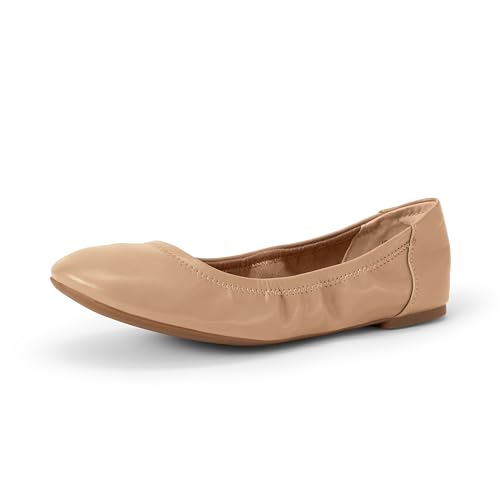
Holy Week processions involve hours of standing on cobblestones, late-night street viewing, and unpredictable spring weather. Comfortable formal clothing is the local style. These five items keep coming.



Recommended blogs to read:
- What is Semana Santa? Spain’s Holy Week traditions
- Is Seville worth visiting? An honest answer
- Best places to visit in southern Spain
- Best cities in Europe to visit
Holy Week 2026 Dates: When to Actually Go
Semana Santa 2026 in Seville runs from Palm Sunday March 29 to Easter Sunday April 5. The week-by-week breakdown looks like this. Palm Sunday (Domingo de Ramos): the opening day with brotherhoods like La Borriquita carrying palm-leaf decorated pasos. Holy Monday through Holy Wednesday: gradually busier, with major brotherhoods like El Beso de Judas (Holy Wednesday). Holy Thursday (Jueves Santo) into Good Friday morning is La Madruga, the cultural peak with 6 major brotherhoods walking overnight. Good Friday afternoon (Viernes Santo): the most somber processions including El Cachorro and the Virgin del Mayor Dolor. Easter Saturday: quieter recovery day. Easter Sunday: the Resurrection procession concludes the week.
For travelers with only 2 to 3 nights, the strongest dates are Holy Wednesday through Good Friday. Combine with the wider Semana Santa traditions guide for context and our is Seville worth visiting overview if you are still deciding.
What is Semana Santa in Seville?
Semana Santa in Seville is the city’s biggest annual religious and cultural event, with origins in the 16th century. The week-long observance is centered on processions organized by 60+ brotherhoods (cofradias or hermandades), each based in a specific church and assigned a specific day to walk. Each procession carries 1 or 2 massive carved floats (pasos) representing scenes from the Passion of Christ or the Virgin Mary, plus hundreds of nazarenos (penitents in pointed hoods called capirotes) and bands playing somber processional music. The pasos are carried by costaleros (literally “sack-bearers”), 30 to 50 men hidden under each float who balance the weight on their necks for hours.
The week is religious in origin (a Catholic Holy Week observance) but functions today as the city’s most important cultural event, with locals (Sevillanos) participating across generations regardless of personal faith. For broader background on Spanish Holy Week traditions and other cities that celebrate it, see our what is Semana Santa hub.
The Brotherhoods (Cofradias) Explained
Each Seville brotherhood is centered on a specific church and named after the saint or scene it represents. The most famous Seville brotherhoods are: La Macarena (Esperanza Macarena, the most beloved Virgin in Seville), Esperanza de Triana (the Triana neighborhood’s patron Virgin), El Gran Poder (Jesus el Gran Poder, one of the most ancient brotherhoods, founded in 1431), El Cachorro (the Christ of the Expiration, carved in 1682), El Silencio (founded in 1340, processes in total silence), and La Soledad (the Solitary Virgin, the closing brotherhood on Good Friday).
Each brotherhood has its own colors (the Macarena wears green and gold, the Esperanza de Triana wears white and blue), its own processional music (sometimes including spontaneous saetas, traditional flamenco-style devotional songs sung from balconies), and its own dedicated following among Sevillanos. Identifying which brotherhood is processing tells you a lot about what you are seeing. For southern Spain context, see our southern Spain destinations guide.
The Pasos: Floats, Costaleros, and Saetas
Each Seville brotherhood typically carries 2 pasos: the paso de Cristo (representing a scene from the Passion, like the Crucifixion or the Last Supper) and the paso de Virgen (a representation of the Virgin Mary in mourning, dressed in elaborate embroidered robes and surrounded by flowers and tall candles). The pasos are carved wooden sculptures, often centuries old, weighing up to 2,500 kg each, carried entirely on human shoulders (no wheels). The costaleros (the bearers) are organized in groups of 30 to 50 men under each float, with a capataz (foreman) calling out commands. Watching a paso lift, sway, and turn is a real test of physical coordination and is considered one of the great achievements of Sevillano craftsmanship.
Saetas are the spontaneous flamenco-style devotional songs sung from balconies as the pasos pass. Famous saetas have been recorded by Camaron de la Isla, Pastora Pavon (La Nina de los Peines), and other flamenco legends. Hearing a saeta during a procession is one of the most moving moments of Semana Santa and worth listening for as you watch.
La Madruga: The Overnight Peak
La Madruga (literally “the early hours”) is the overnight from Holy Thursday into Good Friday morning, when 6 of Seville’s most beloved brotherhoods process between 1am and dawn. The 6 brotherhoods that walk La Madruga are: El Silencio (departing first, in total silence, around 1am), El Gran Poder, La Macarena (arguably the most-loved brotherhood in Seville), El Calvario, Esperanza de Triana, and Los Gitanos. The procession is overnight, dramatically lit by candles, and emotionally intense. Locals stay up all night to watch.
For visitors, La Madruga is the single best night to experience Semana Santa, but it requires real planning: book accommodation that allows you to nap and return, bring layers (Seville nights cool to 10 to 14 °C in early April), and accept that you will not really sleep. Many travelers leave around 5am after seeing 3 to 4 brotherhoods, then crash until lunch.
Where to Watch: Carrera Oficial vs Neighborhood Streets
Every Seville brotherhood passes through the Carrera Oficial (the official route), which runs from Plaza de la Campana down Calle Sierpes to the Cathedral. The Carrera Oficial has paid grandstand seats (paid silla, which range from €30 to €200 per day depending on day and viewing spot) and limited free standing space. Sevillanos buy season tickets (palco) for the same chairs every year, often inherited from grandparents. The Cathedral entry and exit (the brotherhoods enter the Cathedral, walk through, and leave) are the most-photographed moments and the hardest tickets to get.
For travelers who do not want to pay (or cannot get) Carrera Oficial seats, the neighborhood streets are actually the better viewing experience. The brotherhoods leave from their home churches in the morning or afternoon and process through their own neighborhood (Triana, La Macarena, San Bernardo) before reaching the Carrera Oficial. The neighborhood departure (la salida) and return (la entrada) are the most emotional moments of any procession, with the Virgin paso silhouetted against the home-church doorway and locals throwing flower petals from balconies. Free, less crowded, and arguably more authentic. For wider planning, our best time to visit Spain guide covers the Holy Week trade-offs.
Schedule: How to Read the Daily Itineraries
The official Seville Holy Week schedule (called Itinerario or Horario) is published every January for the upcoming Easter. It lists each brotherhood’s departure time, the streets they walk, the time they reach the Carrera Oficial, the time they enter the Cathedral, and the time they return to their home church. Itineraries are sold as small printed guidebooks at every newsstand in the historic center for €5 to €8 (called the Programa de Mano). Use them to plan which brotherhoods you want to see and where to stand.
The official Holy Week organizing body (the Consejo General de Hermandades y Cofradias) also publishes the schedule online at the official Holy Week in Seville organization page. Download the official Semana Santa app for live procession tracking on your phone.
What to Wear and How to Behave
Seville Holy Week is a formal cultural event. Sevillanos dress up: men in dark suits or jackets, women in dresses or skirts (sometimes with traditional black mantillas, the lace veils, on Maundy Thursday). Tourists in shorts and t-shirts genuinely stand out and feel out of place. Pack at minimum: dark trousers or a dress, a button-down shirt or blouse, comfortable formal flats (you will walk for hours on cobblestones), and a light cardigan or jacket for evenings. The dress code is not enforced but it is genuinely respectful to dress up.
Behavioral expectations: silence during processions when the pasos pass (no loud talking, phone calls, or music); applauding is acceptable but not expected; do not block doorways or church entrances when the brotherhoods are entering or leaving; do not take flash photos. The locals will tell you if you cross a line. Holy Week is religious in origin and most Sevillanos take it seriously, so respectful behavior is the baseline.
Where to Stay, Eat, and Book in Advance
Hotels: book 6 to 9 months ahead. Holy Week is the busiest week in Seville and rates triple from normal. Hotels inside the Carrera Oficial (Calle Sierpes, Plaza de la Encarnacion, near the Cathedral) sell out fastest. Apartments and short-term rentals are an option but Seville has cracked down on tourist apartment licensing recently, so verify your booking is licensed. Restaurants: most close on Holy Thursday afternoon and Good Friday afternoon for the religious peak hours, then reopen in the late evening (after 22:00). Plan dinners around procession schedules. Tapas bars in Triana and Alfalfa stay open late and feed the post-procession crowds.
Carrera Oficial paid seats: book through the Casa Hermandades de Sevilla (the official seat-allocation body) starting in January. Most prime seats are inherited by Sevillano families and rarely come up for resale, so day-of-purchase is essentially impossible. Book early or accept that you will watch from neighborhood streets and balconies. For the wider southern Spain itinerary context, plan a 5-night Seville trip around Holy Wednesday through Easter Sunday.
Trying to decide whether Semana Santa in Seville is worth the crowds and prices?
The Ultimate Europe Trip Planner has Holy Week 2026 hotel booking timelines plus procession schedule templates with day-by-day priorities. Currently just $17 before the price goes up to $27.
Frequently Asked Questions
When is Holy Week in Seville 2026?
Holy Week (Semana Santa) 2026 in Seville runs from Palm Sunday March 29 to Easter Sunday April 5. The peak nights are Holy Wednesday through Good Friday morning, including La Madruga (overnight from Holy Thursday into Good Friday).
What is La Madruga in Seville?
La Madruga is the overnight from Holy Thursday into Good Friday morning, when 6 of Seville’s most beloved brotherhoods process between 1am and dawn. The 6 brotherhoods are El Silencio, El Gran Poder, La Macarena, El Calvario, Esperanza de Triana, and Los Gitanos. La Madruga is the cultural peak of Semana Santa.
Is Seville worth visiting during Semana Santa?
Yes, if you can handle big crowds, formal dress codes, hotel rates that triple, and limited restaurant hours. Semana Santa is one of Europe’s most intense religious-cultural experiences and worth the once-in-a-lifetime visit. Book hotels 6 to 9 months ahead. For non-Holy-Week Seville context, see our is Seville worth visiting verdict.
What do people wear to Holy Week in Seville?
Sevillanos dress formally for Holy Week. Men wear dark suits or jackets, women wear dresses or skirts (sometimes with traditional black lace mantillas on Maundy Thursday). Tourists in shorts and t-shirts feel genuinely out of place. Pack dark trousers or a dress, a button-down shirt, comfortable formal flats, and a light cardigan or jacket.
How early do you need to book Holy Week in Seville?
Hotels: 6 to 9 months ahead minimum. The most prized properties (inside the Carrera Oficial, near the Cathedral) sell out 12 months ahead. Carrera Oficial paid seats are inherited by Sevillano families and rarely come up for purchase, so day-of-purchase is essentially impossible. Book early or accept neighborhood-street viewing.
Key Takeaways
- Holy Week 2026 in Seville: Palm Sunday March 29 to Easter Sunday April 5. Peak nights are Holy Wednesday through Good Friday morning.
- La Madruga (overnight Holy Thursday into Good Friday) is the cultural peak with 6 major brotherhoods processing between 1am and dawn.
- 60+ brotherhoods carry massive carved pasos through the city in candlelit processions.
- Watch from neighborhood streets (Triana, La Macarena) for the most authentic experience. Carrera Oficial paid seats are mostly inherited.
- Book hotels 6 to 9 months ahead. Dress formally. Bring patience for crowds.
Final Thoughts
Holy Week in Seville is one of the most intense cultural experiences in Europe, worth a once-in-a-lifetime visit if you can handle the crowds, formal dress code, and tripled hotel rates. Plan 5 nights minimum (Holy Wednesday through Easter Sunday), book accommodation 6 to 9 months ahead, and dress respectfully. Use the official schedule to plan which brotherhoods to see and which neighborhoods to walk. Save this guide for trip planning, and pair with our what is Semana Santa hub for broader context plus our is Seville worth visiting verdict for the wider city decision.