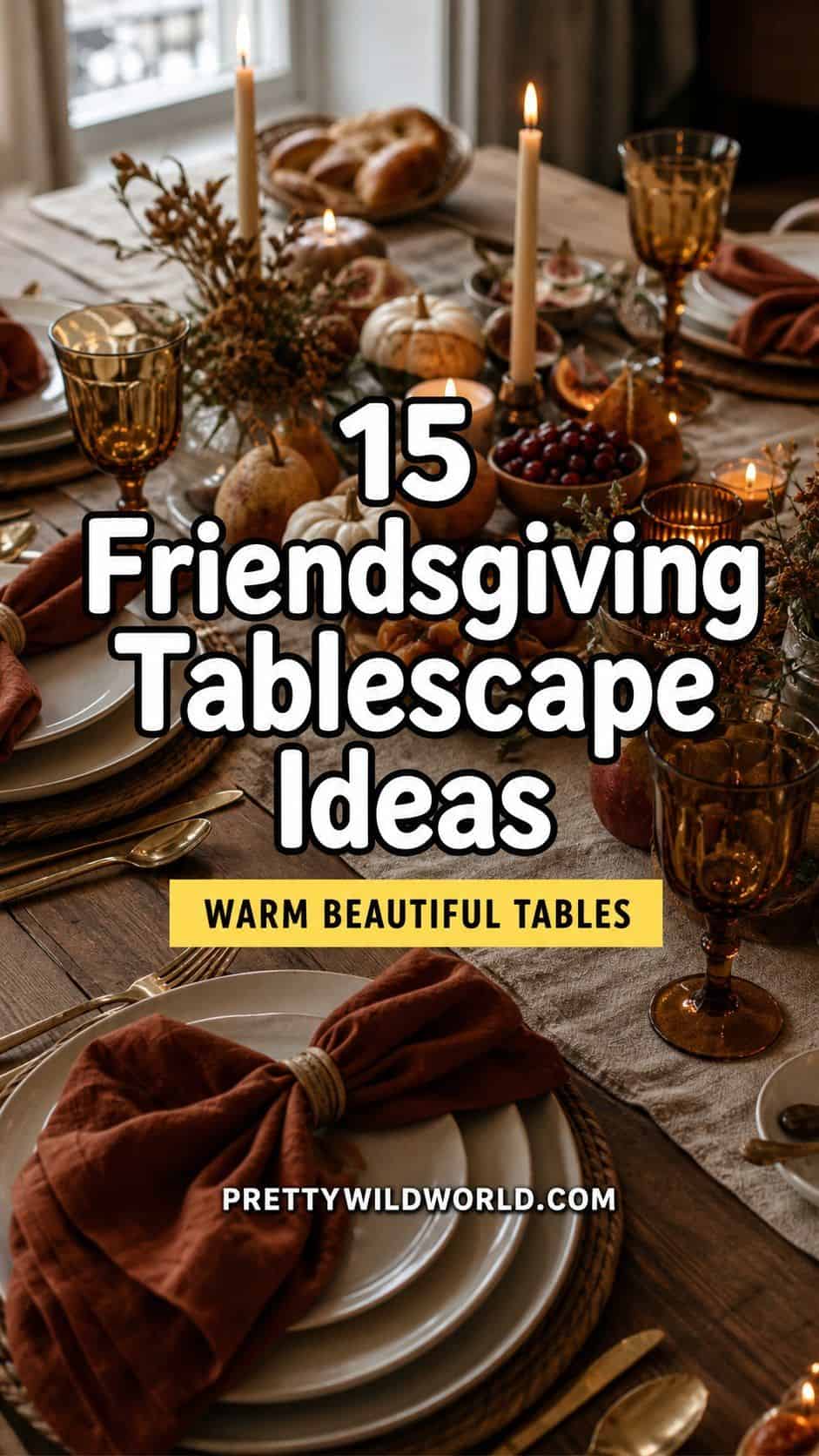
Quick Answer: A beautiful Friendsgiving tablescape starts with one clear mood, a tactile base layer, warm candlelight, low centerpieces, layered place settings, and personal details that make guests feel expected rather than simply seated. The easiest formula is a linen runner, charger plates or woven placemats, simple dinnerware, cloth napkins, amber or clear glassware, taper candles, and one relaxed centerpiece made from fruit, branches, flowers, or herbs. Keep everything low enough for conversation, repeat two or three colors across the table, and leave room for serving dishes so the table feels generous, not staged.
Friendsgiving has a softer rhythm than Thanksgiving. It is less about ceremony and more about the pleasure of gathering the people who have become your chosen table. That difference matters when you decorate. A Friendsgiving table should feel warm, a little personal, and slightly relaxed, as if the evening has been considered carefully but nobody is afraid to pass the mashed potatoes.
The best Friendsgiving tablescape ideas are not the ones that require a new set of china or a dining room with perfect proportions. They are the ones that use texture, light, and repetition well. A linen napkin repeated at every setting. A row of low candles. A small place card that makes each guest smile. A few pears or pomegranates tucked between plates. These details do not shout, but they change the feeling of the meal. If you want the whole evening to feel cohesive beyond the table, this complete Friendsgiving dinner party setup is a natural next layer.
The important question is simple: how do you make a Friendsgiving table look intentional without making it feel fussy? The answer is layering. Start with the surface, add the place settings, bring in height with candles, add softness with flowers or greenery, then finish with one personal detail. The 15 ideas below move from classic and cozy to more modern, moody, rustic, and playful versions, so you can build a table that fits your apartment, your dishes, and your actual group of friends.
Planning a Friendsgiving table but not sure how to make it look pulled together?
The Aesthetic Apartment Makeover Guide helps you choose a palette, layer texture, and style small spaces with confidence, so a dinner table can feel intentional without turning your home into a showroom.
Recommended Friendsgiving Tablescape Decor
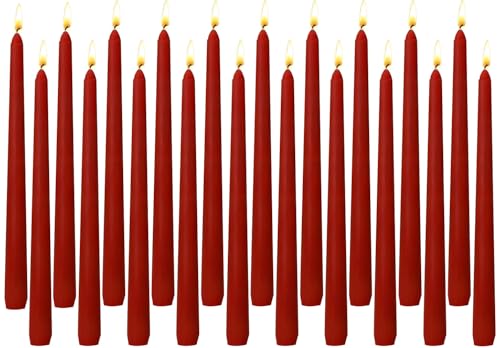
For this post, the product recommendations are based on the pieces that appear repeatedly in strong Friendsgiving and Thanksgiving table settings: linen runners, woven chargers, amber glassware, taper candles, low vases, napkin rings, and place card holders. These are the items that do the most visual work without requiring a full new tablescape every year.




Recommended blogs to read:
- Friendsgiving dinner party decor ideas
- Thanksgiving tablescape ideas
- Thanksgiving table setting ideas
- Thanksgiving centerpiece ideas
- fall table decor ideas
- fall dining table decor ideas
Friendsgiving Tablescape Ideas for a Warm, Personal Table
A Friendsgiving tablescape should make the meal feel special before anyone sits down, but it still needs to behave like a real dinner table. The centerpiece cannot block faces. The candles cannot crowd the serving bowls. The place settings need enough breathing room for plates, glasses, and elbows. Think of the table as a room in miniature: it needs a palette, texture, lighting, circulation, and one emotional point of view.
1. Start With a Linen Runner and Let the Table Show
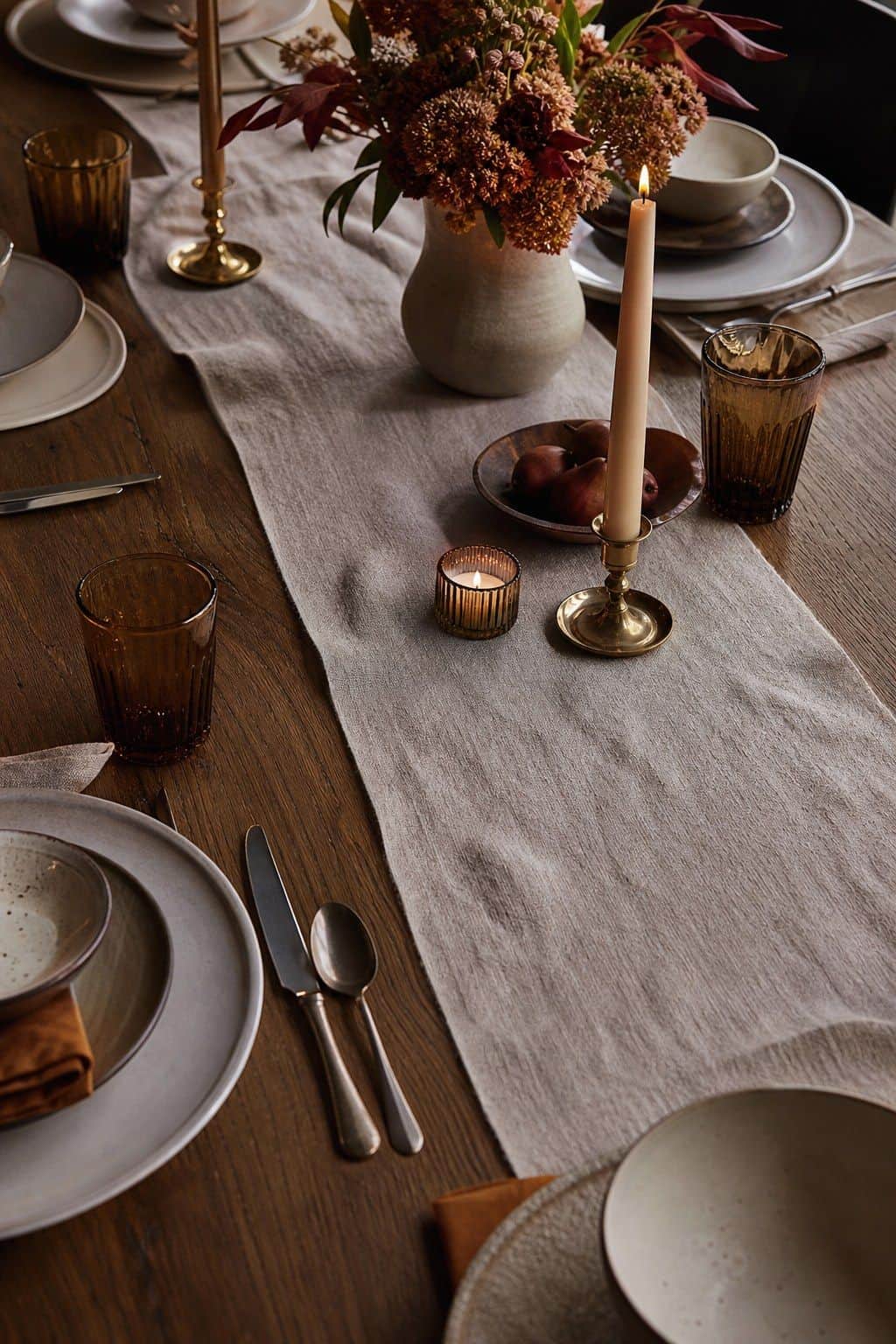
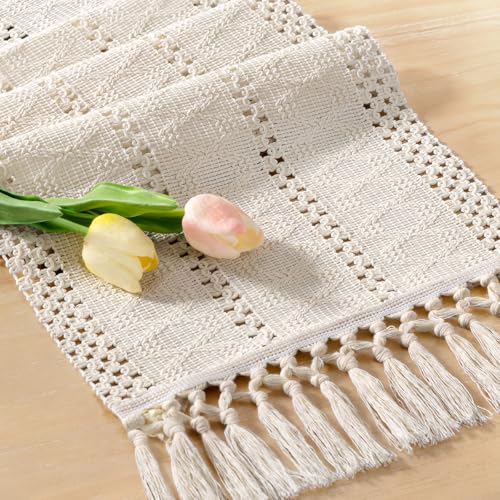
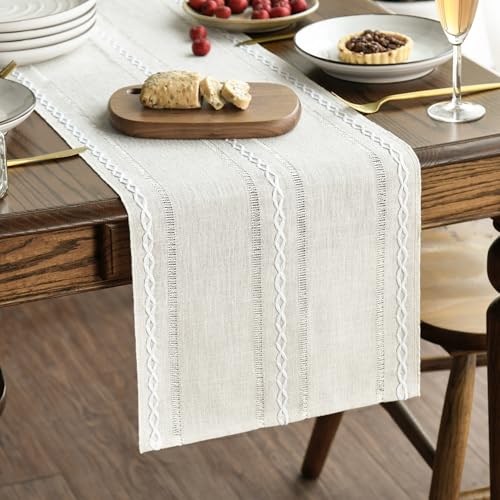
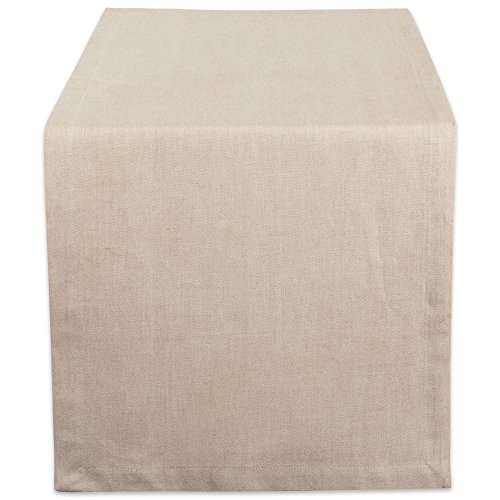
This is where the room starts to feel edited rather than simply filled. Let a start with a linen runner and let the table show make the table warmer, easier to pass around, or more personal. Try the arrangement in daylight and again at night. A detail that looks beautiful in both kinds of light is much more likely to stay.
Keep height low, repeat materials, and make sure every decorative piece has a little practical courtesy built in. Candlelight, linen, fruit, glass, greenery, and handwritten details can feel special without making the table hard to use.
2. Use Charger Plates to Make Simple Dishes Feel Intentional
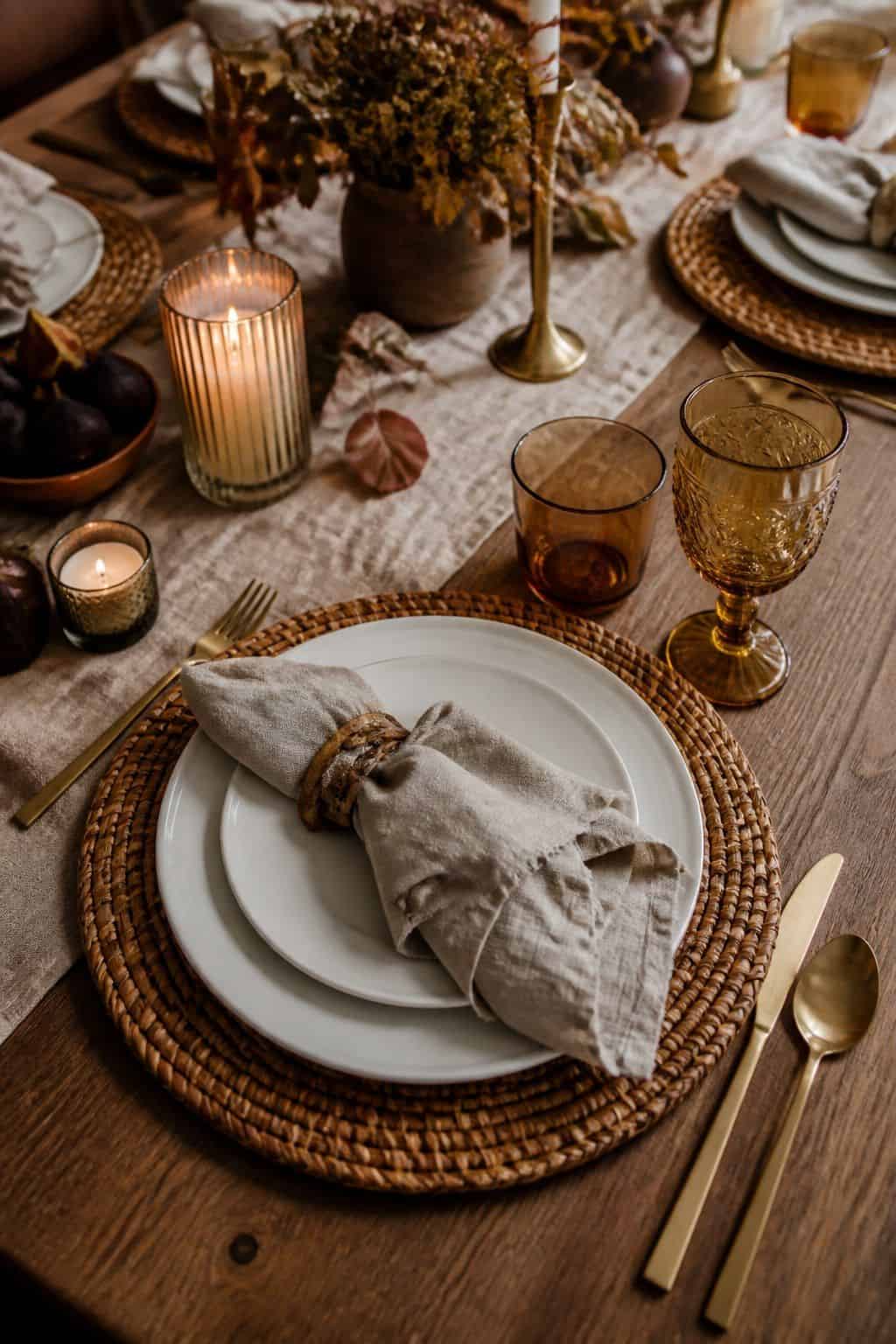


A small change can shift the mood when the placement feels deliberate. The best hosted tables feel generous without feeling stiff, and an use charger plates to make simple dishes feel intentional can set that tone quickly. Leave one edge, corner, or stretch of wall unstyled. That pause gives the eye a place to rest and makes the styled moment feel more confident.
Keep height low, repeat materials, and make sure every decorative piece has a little practical courtesy built in. Candlelight, linen, fruit, glass, greenery, and handwritten details can feel special without making the table hard to use. For a related next step, read layered Thanksgiving place settings.
3. Bring In Amber Glassware for Instant Warmth


The detail works best when it solves a real problem in the room. Use a bring in amber glassware for instant warmth to create one clear moment, then leave room for plates, elbows, stories, and second servings. The finish should relate to something else in the room, even loosely. A repeated wood tone, a matching metal, or a nearby fabric color is enough to make the choice feel connected.
Keep height low, repeat materials, and make sure every decorative piece has a little practical courtesy built in. Candlelight, linen, fruit, glass, greenery, and handwritten details can feel special without making the table hard to use.
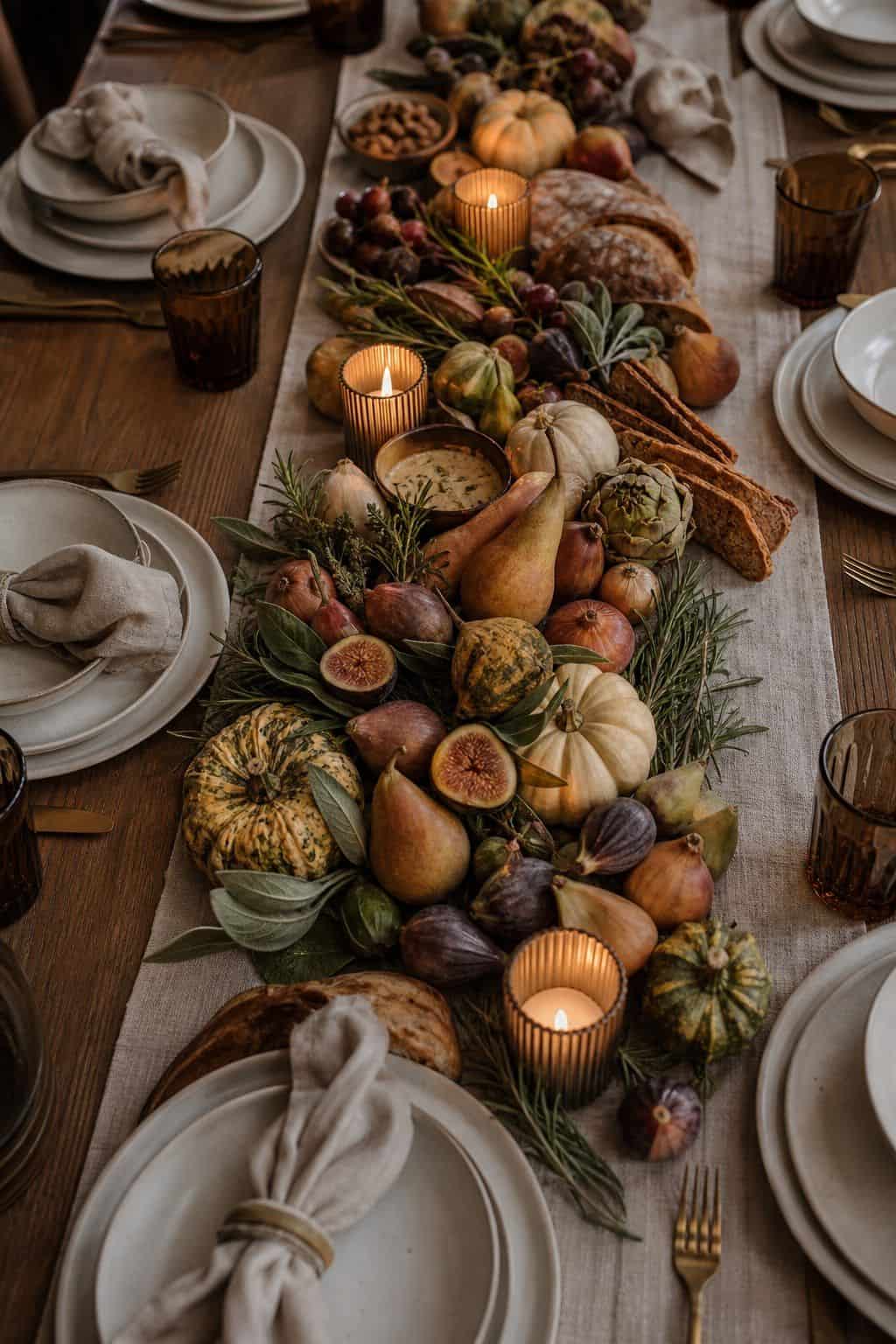
4. Keep the Centerpiece Low and Edible-Looking
No products found.
Think of this as part of the atmosphere, not a separate decorative announcement. A beautiful table still has to work, so a keep the centerpiece low and edible-looking should support the meal instead of competing with it. Leave one edge, corner, or stretch of wall unstyled. That pause gives the eye a place to rest and makes the styled moment feel more confident.
Keep height low, repeat materials, and make sure every decorative piece has a little practical courtesy built in. Candlelight, linen, fruit, glass, greenery, and handwritten details can feel special without making the table hard to use. A final edit helps here: step back, remove one piece that feels too loud, and let the strongest material or color carry the idea. For a related next step, read low Thanksgiving centerpiece arrangements.
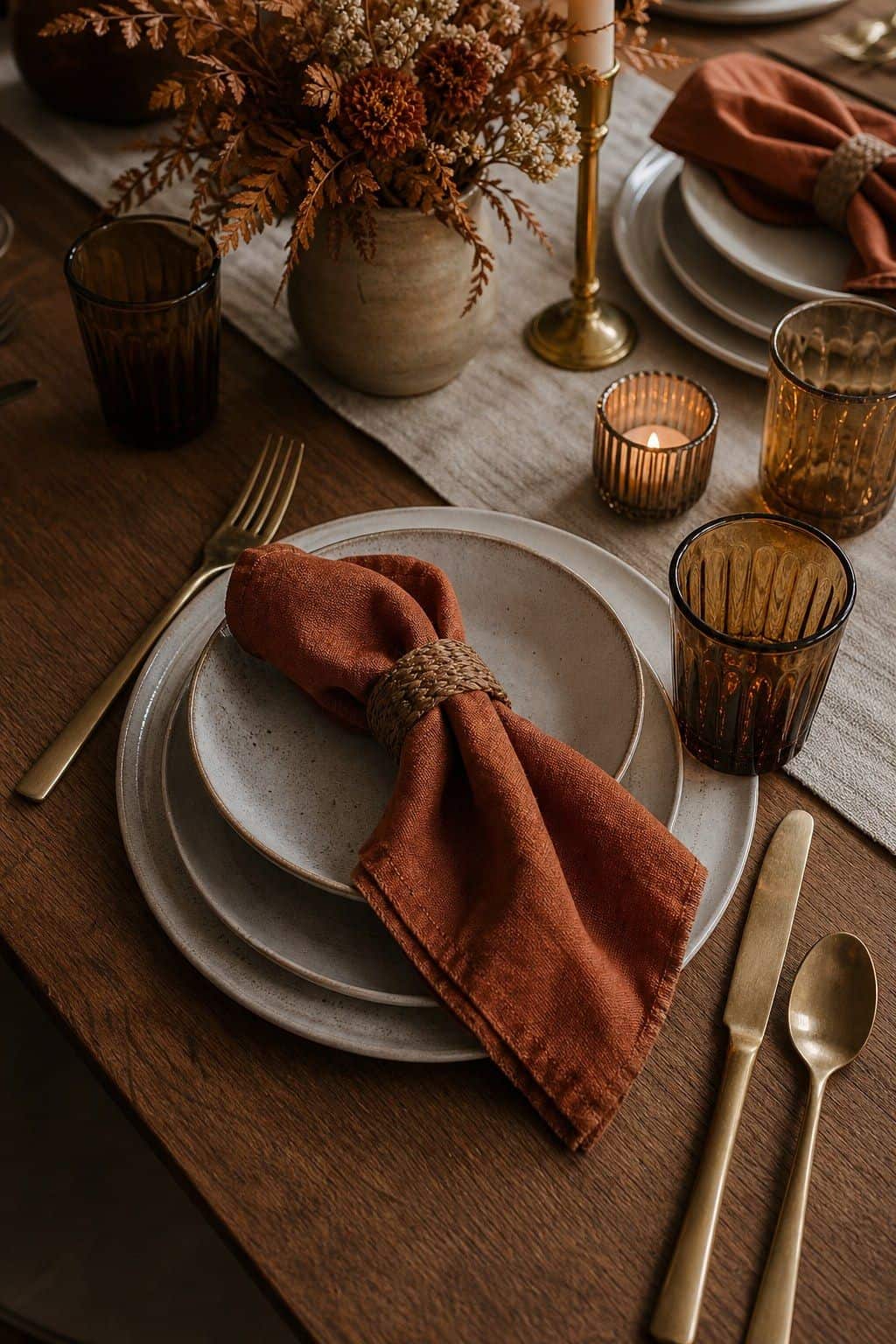
5. Layer Cloth Napkins in a Color That Carries the Palette


![Utopia Kitchen Cotton Blend Multi Color Cloth Napkins [12 Pack, 18x18 Inch]](https://m.media-amazon.com/images/I/41iZ5z6LNCL._SL160_.jpg)
The most polished version leaves a little breathing room around the idea. At a Friendsgiving table, a layer cloth napkins in a color that carries the palette should help guests feel comfortable before it tries to impress them. If the room starts to feel themed, remove the smallest novelty piece first. The stronger materials and colors will usually carry the mood on their own.
Keep height low, repeat materials, and make sure every decorative piece has a little practical courtesy built in. Candlelight, linen, fruit, glass, greenery, and handwritten details can feel special without making the table hard to use.
6. Mix Taper Candles With Tea Lights for Better Glow
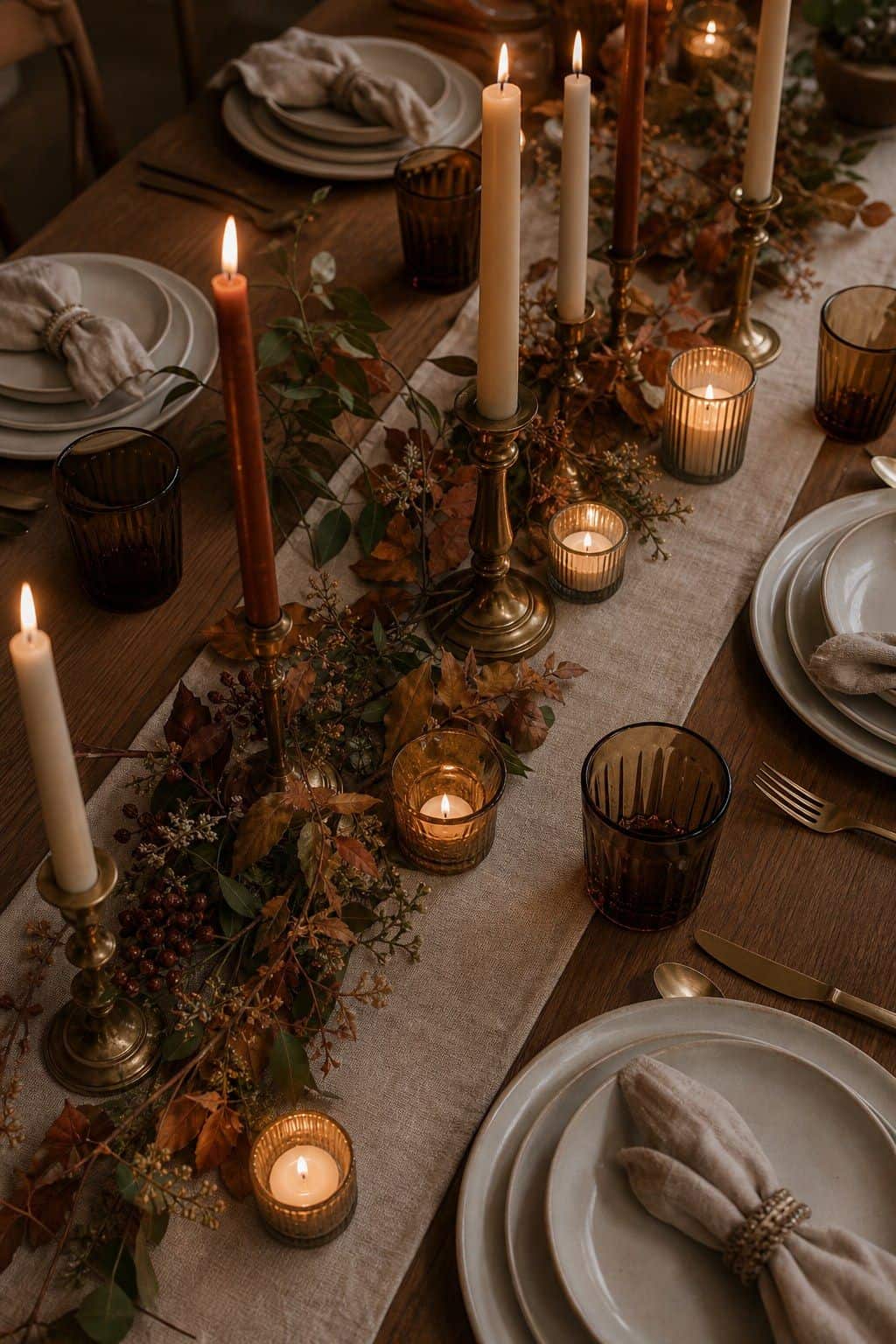
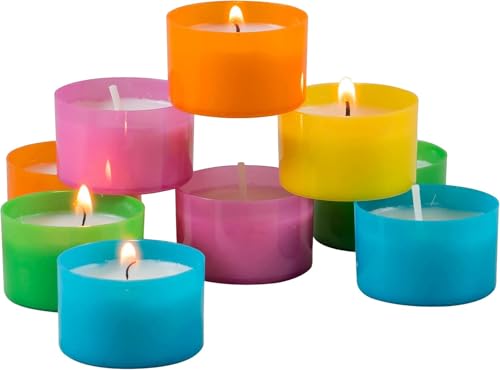

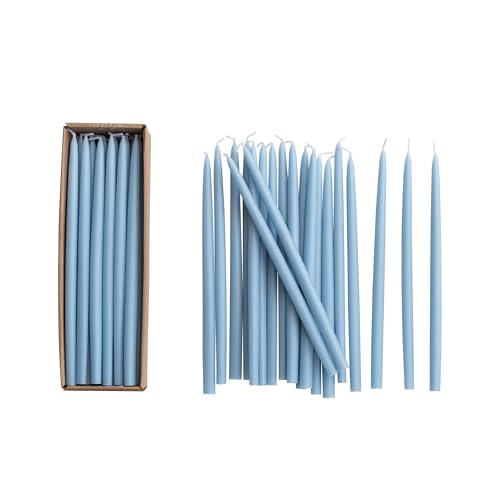
This is a good place to choose texture over visual noise. Let a mix taper candles with tea lights for better glow make the table warmer, easier to pass around, or more personal. Try the arrangement in daylight and again at night. A detail that looks beautiful in both kinds of light is much more likely to stay.
Keep height low, repeat materials, and make sure every decorative piece has a little practical courtesy built in. Candlelight, linen, fruit, glass, greenery, and handwritten details can feel special without making the table hard to use.
7. Add Place Cards That Feel Like a Small Gift
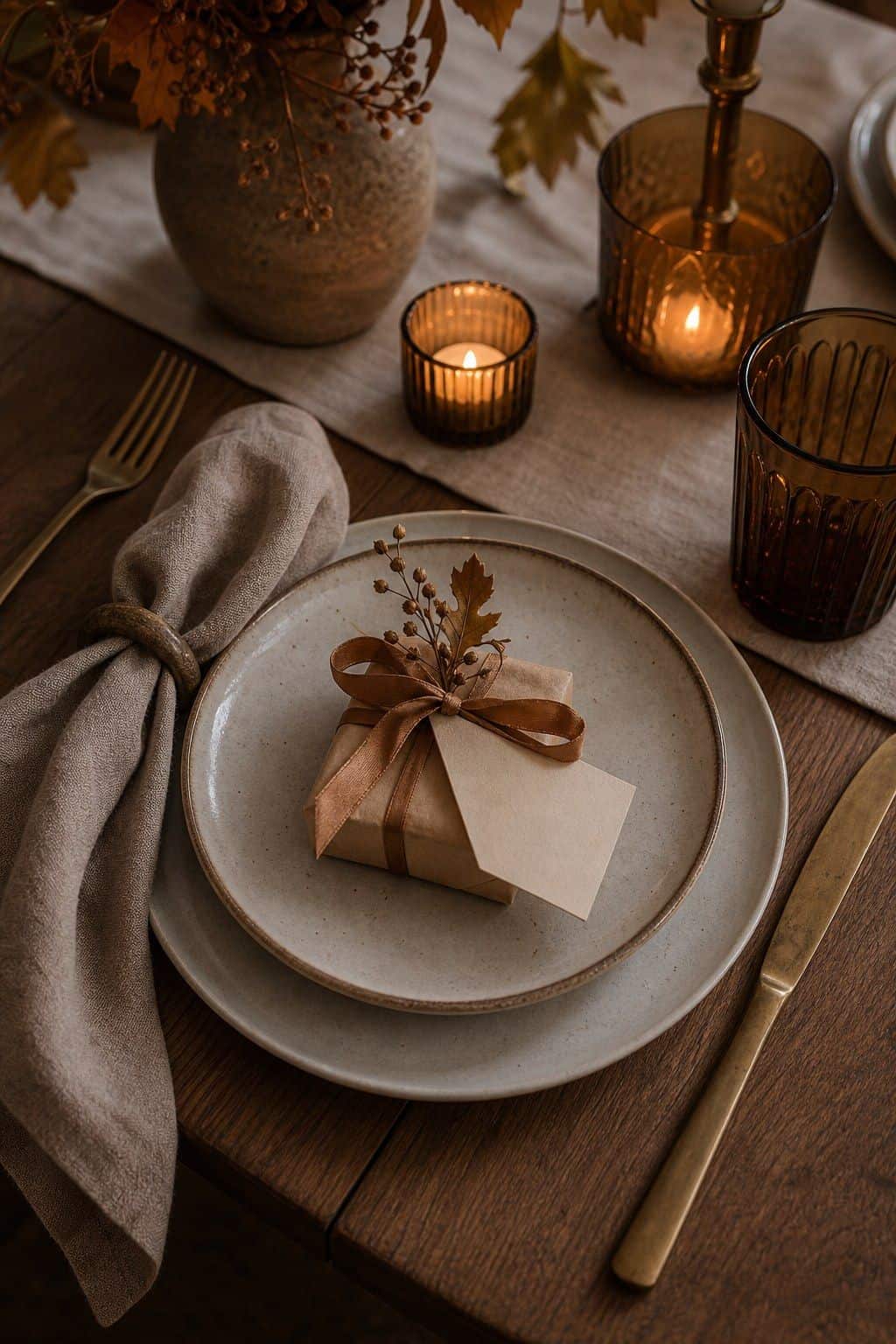


A softer room often begins with one practical swap that looks better than what it replaced. The best hosted tables feel generous without feeling stiff, and an add place cards that feel like a small gift can set that tone quickly. The practical test is simple: the idea should make the space easier, prettier, or warmer. If it does all three, it deserves to stay.
Keep height low, repeat materials, and make sure every decorative piece has a little practical courtesy built in. Candlelight, linen, fruit, glass, greenery, and handwritten details can feel special without making the table hard to use.
8. Style a Moody Friendsgiving Table With Burgundy and Brown
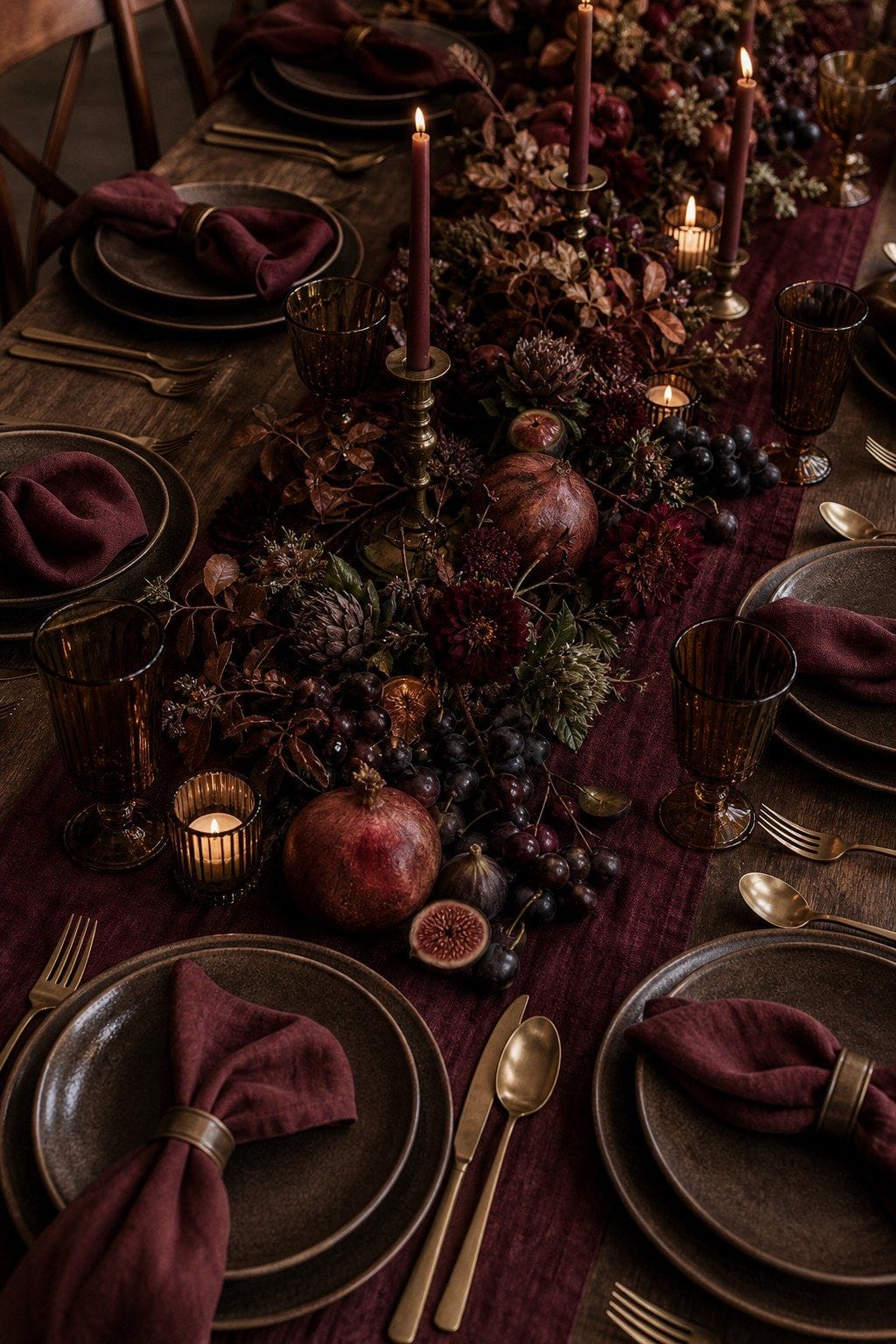
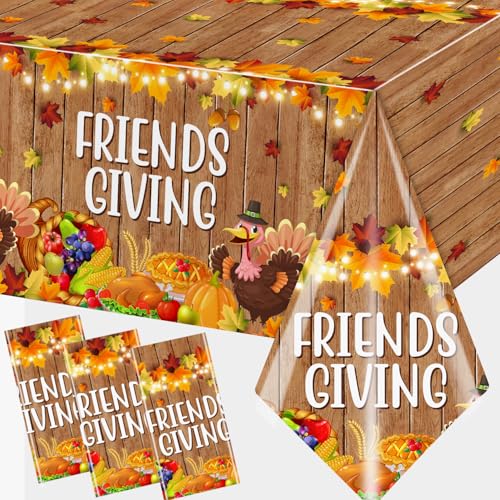
The idea feels more expensive when it looks relaxed rather than overly arranged. Use a style a moody friendsgiving table with burgundy and brown to create one clear moment, then leave room for plates, elbows, stories, and second servings. Leave one edge, corner, or stretch of wall unstyled. That pause gives the eye a place to rest and makes the styled moment feel more confident.
Keep height low, repeat materials, and make sure every decorative piece has a little practical courtesy built in. Candlelight, linen, fruit, glass, greenery, and handwritten details can feel special without making the table hard to use. A final edit helps here: step back, remove one piece that feels too loud, and let the strongest material or color carry the idea.
9. Make a Rustic Table Feel Clean, Not Crafty
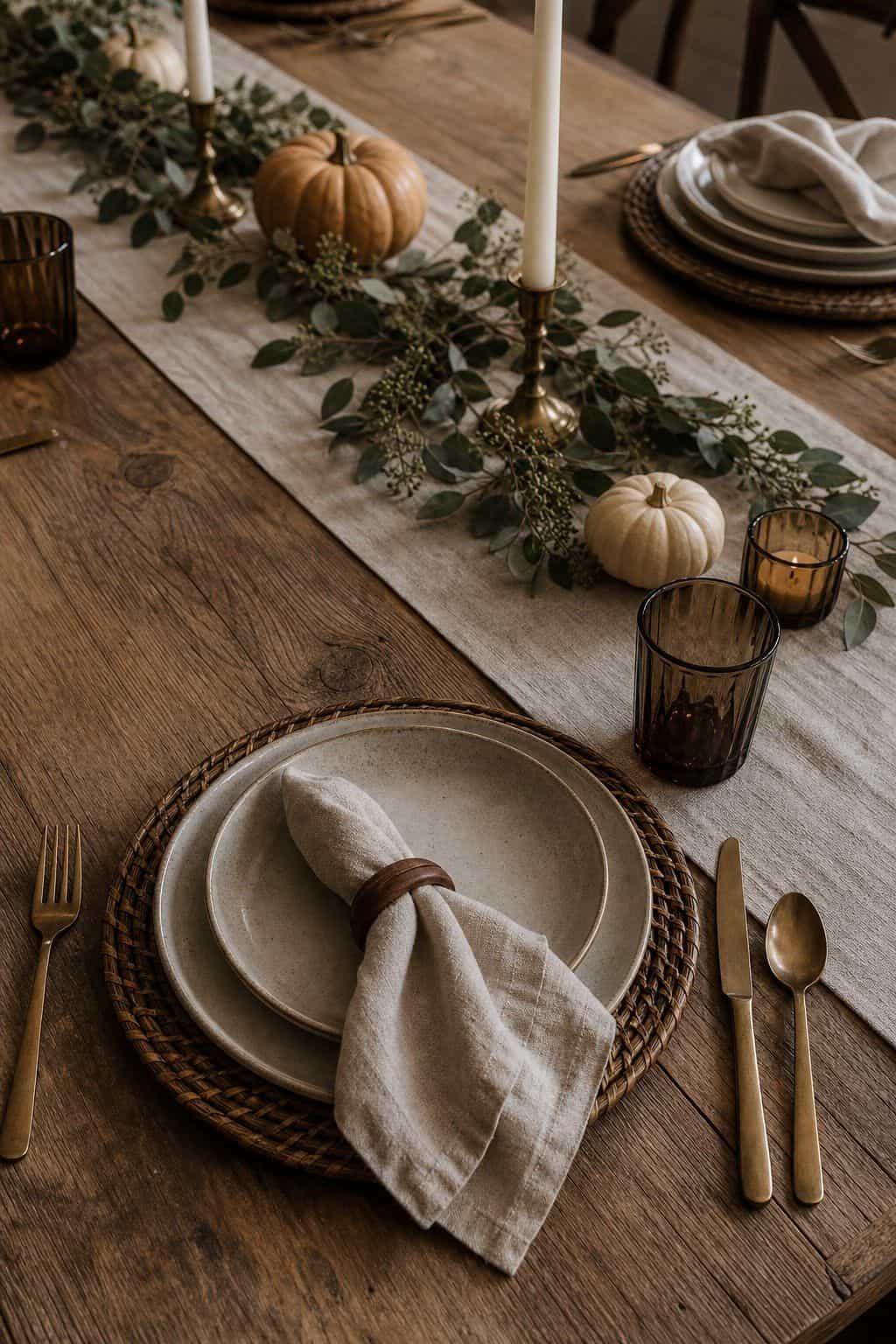


Scale matters here, because the right amount feels charming and too much feels busy. A beautiful table still has to work, so a make a rustic table feel clean, not crafty should support the meal instead of competing with it. Look at the nearest surface before adding anything else. If it already has color, pattern, or height, keep this layer quieter so the whole area feels intentional.
Keep height low, repeat materials, and make sure every decorative piece has a little practical courtesy built in. Candlelight, linen, fruit, glass, greenery, and handwritten details can feel special without making the table hard to use.
10. Use Bud Vases Instead of One Large Floral Arrangement
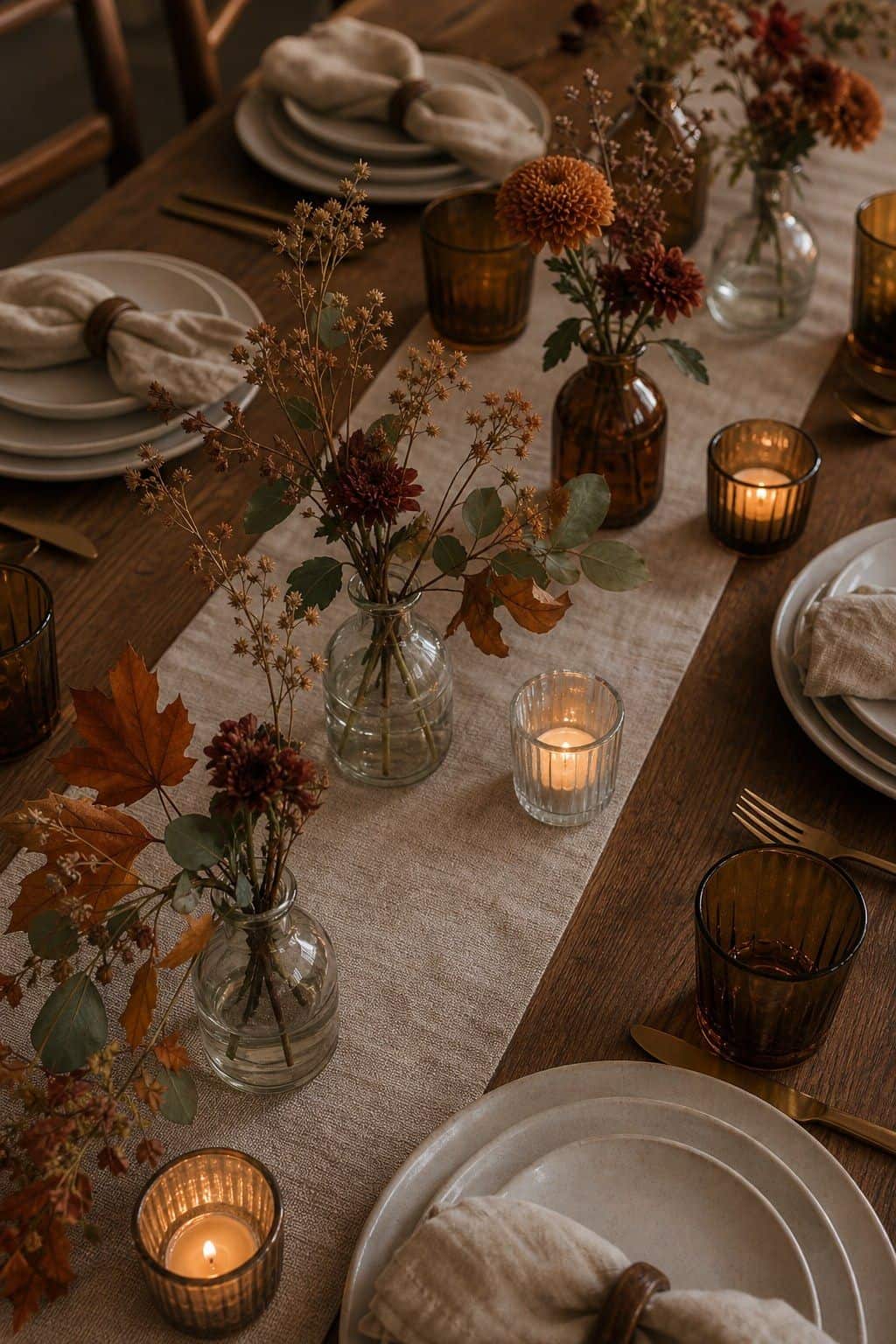


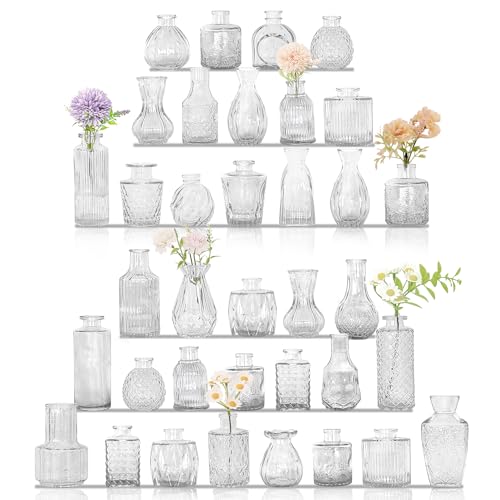
The easiest rooms to love usually have one quiet decision doing more work than expected. At a Friendsgiving table, an use bud vases instead of one large floral arrangement should help guests feel comfortable before it tries to impress them. The finish should relate to something else in the room, even loosely. A repeated wood tone, a matching metal, or a nearby fabric color is enough to make the choice feel connected.
Keep height low, repeat materials, and make sure every decorative piece has a little practical courtesy built in. Candlelight, linen, fruit, glass, greenery, and handwritten details can feel special without making the table hard to use.
11. Create a Color Story Before You Buy Anything




This is where the room starts to feel edited rather than simply filled. Let a create a color story before you buy anything make the table warmer, easier to pass around, or more personal. The practical test is simple: the idea should make the space easier, prettier, or warmer. If it does all three, it deserves to stay.
Keep height low, repeat materials, and make sure every decorative piece has a little practical courtesy built in. Candlelight, linen, fruit, glass, greenery, and handwritten details can feel special without making the table hard to use.
12. Make the Food Part of the Tablescape
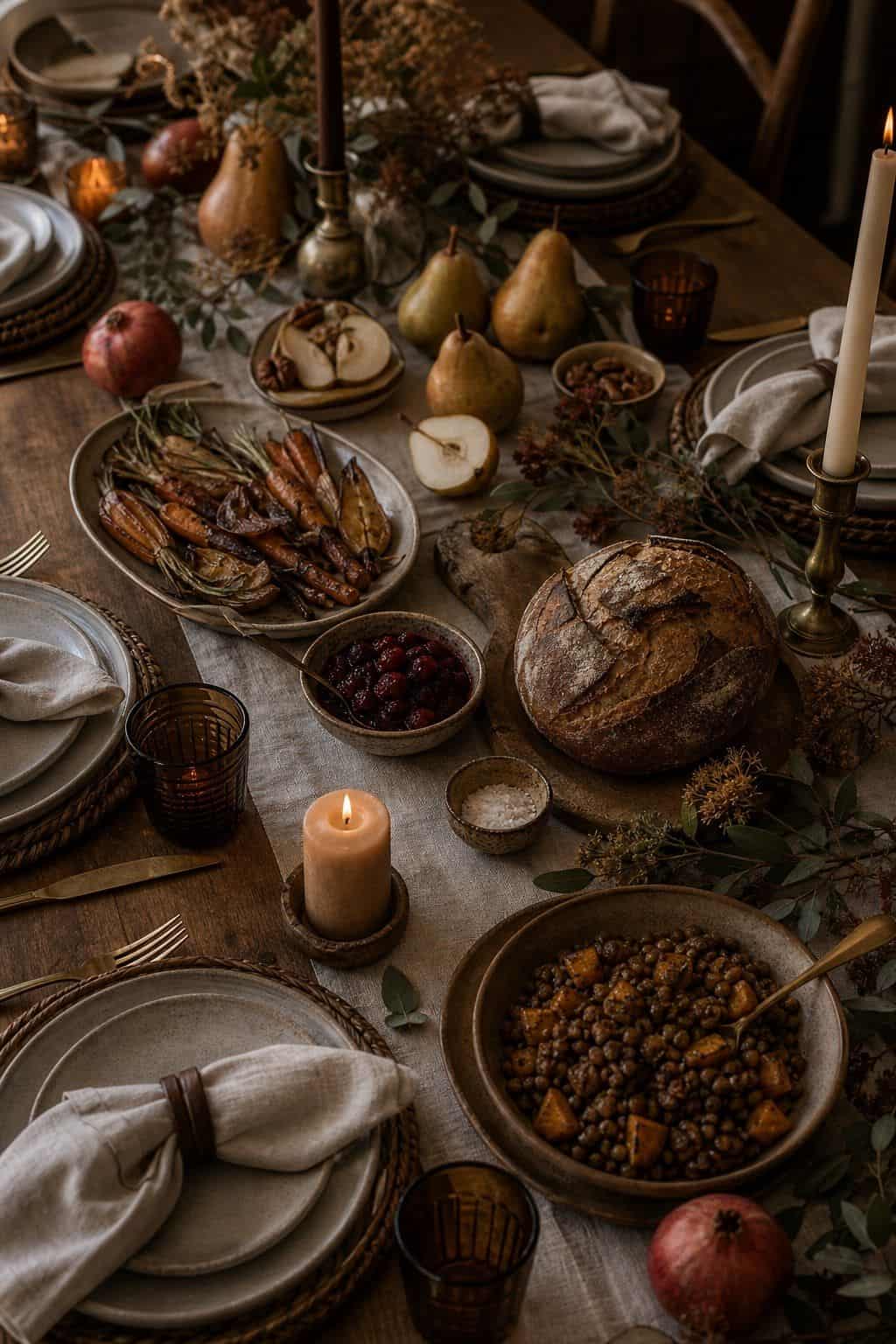

A small change can shift the mood when the placement feels deliberate. The best hosted tables feel generous without feeling stiff, and a make the food part of the tablescape can set that tone quickly. Try the arrangement in daylight and again at night. A detail that looks beautiful in both kinds of light is much more likely to stay.
Keep height low, repeat materials, and make sure every decorative piece has a little practical courtesy built in. Candlelight, linen, fruit, glass, greenery, and handwritten details can feel special without making the table hard to use. A final edit helps here: step back, remove one piece that feels too loud, and let the strongest material or color carry the idea. For a related next step, read Thanksgiving buffet table decor ideas.
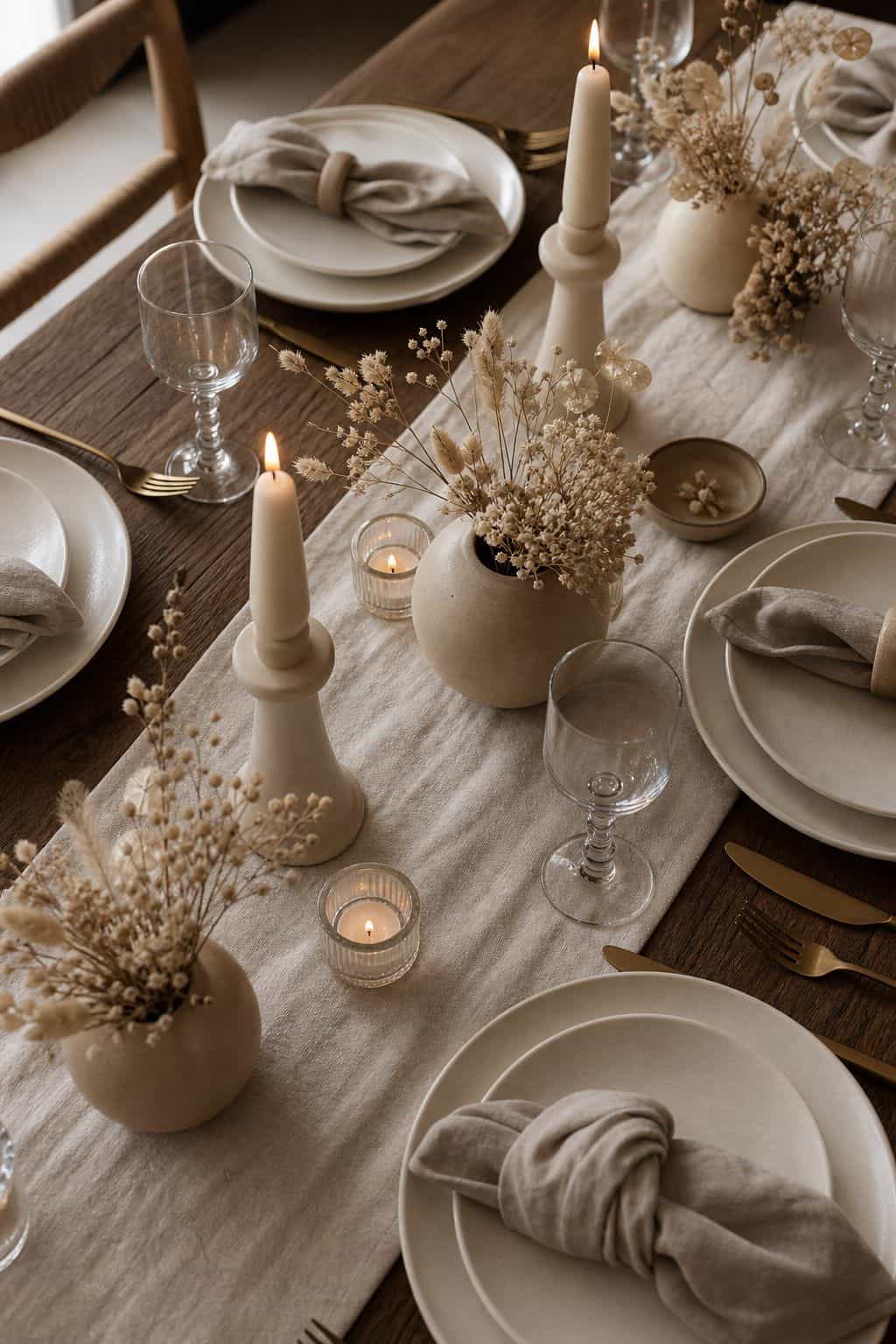
13. Try a Modern Neutral Friendsgiving Table
No products found.
The detail works best when it solves a real problem in the room. Use a try a modern neutral friendsgiving table to create one clear moment, then leave room for plates, elbows, stories, and second servings. If the room starts to feel themed, remove the smallest novelty piece first. The stronger materials and colors will usually carry the mood on their own.
Keep height low, repeat materials, and make sure every decorative piece has a little practical courtesy built in. Candlelight, linen, fruit, glass, greenery, and handwritten details can feel special without making the table hard to use.
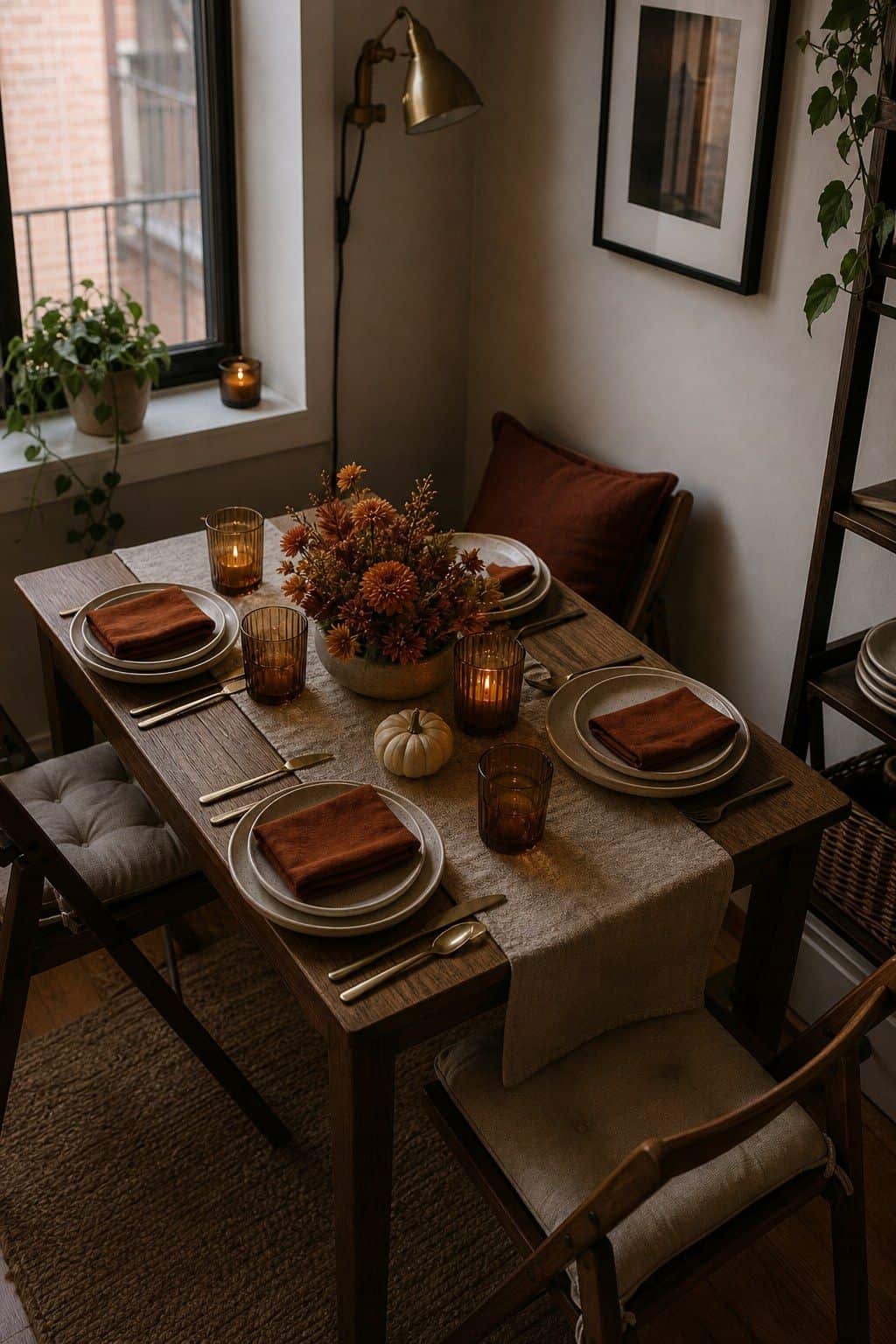
14. Build a Budget-Friendly Friendsgiving Table From What You Own
No products found.
Think of this as part of the atmosphere, not a separate decorative announcement. A beautiful table still has to work, so a build a budget-friendly friendsgiving table from what you own should support the meal instead of competing with it. The finish should relate to something else in the room, even loosely. A repeated wood tone, a matching metal, or a nearby fabric color is enough to make the choice feel connected.
Keep height low, repeat materials, and make sure every decorative piece has a little practical courtesy built in. Candlelight, linen, fruit, glass, greenery, and handwritten details can feel special without making the table hard to use. For a related next step, read simple fall table styling.
15. Finish With One Personal Detail Guests Will Remember
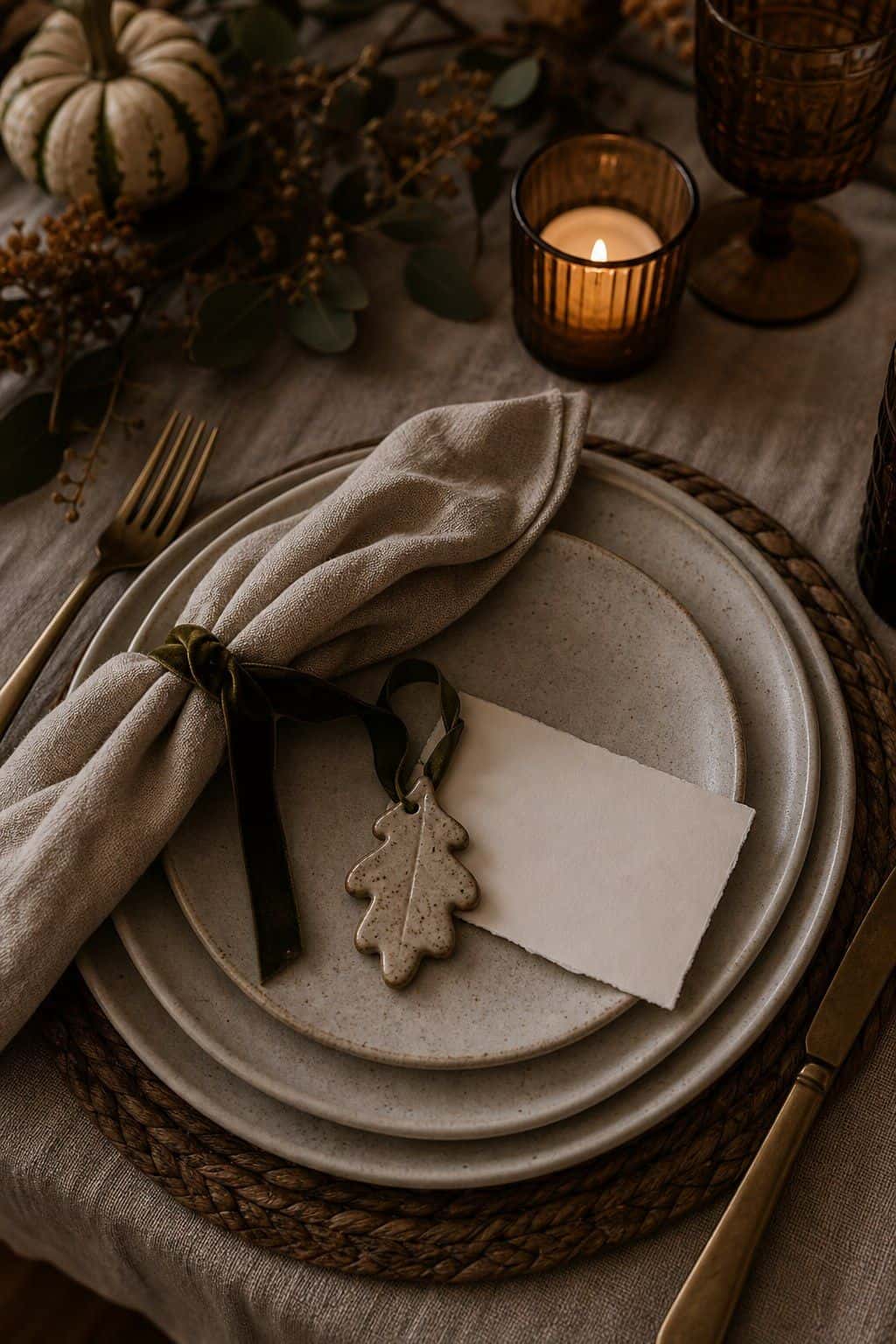



The most polished version leaves a little breathing room around the idea. At a Friendsgiving table, a finish with one personal detail guests will remember should help guests feel comfortable before it tries to impress them. The practical test is simple: the idea should make the space easier, prettier, or warmer. If it does all three, it deserves to stay.
Keep height low, repeat materials, and make sure every decorative piece has a little practical courtesy built in. Candlelight, linen, fruit, glass, greenery, and handwritten details can feel special without making the table hard to use.
If your dining area is small, do not start with more decor.
Start with a tighter palette and better layout. The Aesthetic Apartment Makeover Guide shows you how to make small rooms feel intentional, layered, and livable, which is exactly what a Friendsgiving table needs.
Frequently Asked Questions
What should be on a Friendsgiving tablescape?
A Friendsgiving tablescape should have a base layer, place settings, glassware, napkins, candles, a low centerpiece, and one personal detail. The strongest tables usually include a runner or cloth, charger plates or placemats, simple dinnerware, cloth napkins, taper candles, votives, fruit or flowers, and handwritten place cards.
How do I make a Friendsgiving table look good on a budget?
Choose one color palette and repeat it through pieces you already own. Use a scarf or fabric remnant as a runner, grocery store fruit as centerpiece decor, drinking glasses as votive holders, and simple handwritten cards as place cards. If you buy anything, choose reusable basics like cloth napkins, taper candles, or charger plates.
What colors work best for Friendsgiving table decor?
Rust, cream, olive, chocolate brown, burgundy, amber, brass, and warm taupe all work beautifully for Friendsgiving table decor. For a lighter table, use cream, flax, and soft gold. For a moodier table, use chocolate, burgundy, amber, and brass. The key is to repeat the colors instead of introducing too many different fall shades.
How tall should a Friendsgiving centerpiece be?
A Friendsgiving centerpiece should be low enough that guests can talk across it comfortably. Bud vases, low bowls, fruit, votives, and short floral arrangements are better than tall branches or oversized bouquets. If you want height, use thin taper candles because they add vertical rhythm without blocking faces.
Are place cards too formal for Friendsgiving?
Place cards can be perfect for Friendsgiving when they feel relaxed and personal. Skip anything too stiff and use handwritten cards, tags, leaves, or small fruit markers. They make guests feel expected, help the seating flow, and add a thoughtful detail to the table without costing much.
Key Takeaways
- A good Friendsgiving tablescape starts with a clear palette, a tactile base layer, and low decor that leaves room for food and conversation.
- The most useful pieces are reusable: linen runners, cloth napkins, woven chargers, amber glassware, taper holders, bud vases, and place card holders.
- Keep centerpieces low and edible-looking with fruit, herbs, flowers, branches, or small bowls instead of one oversized arrangement.
- Candlelight matters more than most themed decorations. Use unscented tapers and votives at different heights for a warm dinner glow.
- The detail guests remember is usually personal: a handwritten name card, a tiny note, or a table setting that makes them feel expected.
Final Thoughts
A Friendsgiving tablescape does not need to be perfect. In fact, it is better when it is not. The charm is in the mix: the good napkins with the everyday plates, the thrifted candlesticks beside the grocery store pears, the handwritten place cards next to the dish someone carried across town in a tote bag. That is the point of the holiday. It is designed around friendship, not performance.
Build the table in layers, keep the center low, repeat your colors, and leave enough room for the food to be part of the scene. If the table glows, guests can talk across it, and every person feels like there is a place waiting for them, you have done the important work. Everything else is just the pretty part.