

First apartment grocery list essentials for stocking your kitchen smartly. Discover pantry staples, fresh produce, proteins, and snacks to start cooking with ease.
Moving into your first apartment is exciting, but figuring out what groceries to buy can be overwhelming. You want to have everything you need for easy meals without buying too much or wasting food. That’s where a solid first apartment grocery list comes in handy.
I’ve helped countless friends and family set up their kitchens from scratch, and I’ve learned that balance is key. Your pantry should have versatile staples, your fridge stocked with fresh produce and dairy, and your freezer ready with proteins and convenient frozen foods. Plus, snacks and miscellaneous items keep those hunger pangs at bay between meals.
In this post, I’ll walk you through the essentials you should consider for each category, along with tips on how to shop smart and avoid common pitfalls. Whether you’re cooking simple pasta dishes or experimenting with new recipes, having the right ingredients on hand makes all the difference.
By the end of this guide, you’ll have a clear, practical list to fill your kitchen and keep you fueled through your busy days. Ready to make grocery shopping less stressful and more efficient? Let’s jump in.
Key takeaways:
- Stock your first apartment grocery list with versatile pantry staples to save time and money.
- Choose fresh produce that lasts and fits your cooking style.
- Keep dairy and eggs on hand for nutrition and multiple recipes.
- Select protein options that suit your diet and meal preferences.
- Use frozen foods for convenience without sacrificing quality.
- Don’t forget snacks and miscellaneous items for quick energy boosts.
First Apartment Grocery List
Pantry Staples
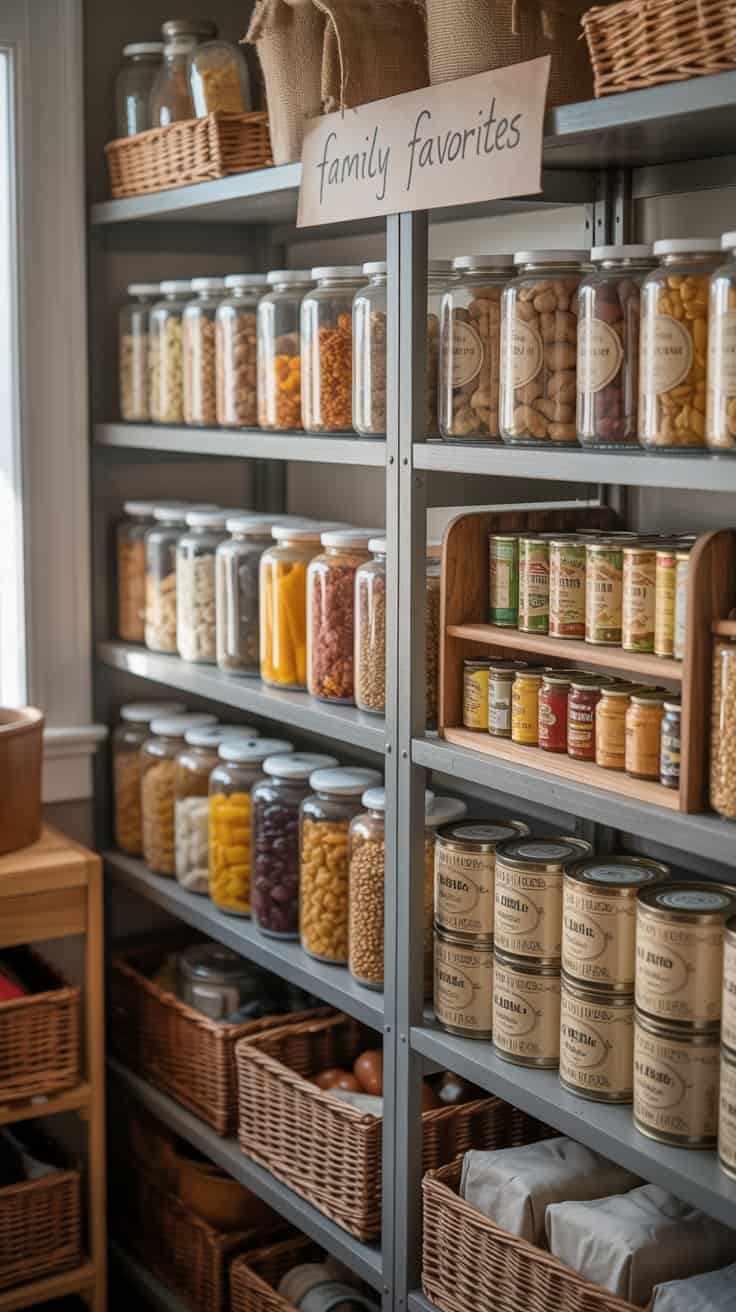
- Rice or pasta
- Canned beans and vegetables
- Cooking oil (olive or vegetable)
- Salt, pepper, basic spices (e.g., garlic powder, paprika)
- Flour and sugar
- Peanut butter or jam
Your pantry is the backbone of your kitchen, serving as the foundation for countless meals and snacks. Starting with solid pantry staples ensures you have the flexibility to whip up a variety of dishes without needing frequent trips to the grocery store. Essentials like rice and pasta are incredibly versatile and provide a reliable source of carbohydrates that can form the base of many meals. Alongside these, canned beans and vegetables offer convenience and nutrition; they are excellent for quick meals, soups, or side dishes, and their long shelf life makes them ideal for stocking up.
Cooking oils are another must-have. Olive oil is perfect for salad dressings, sautéing, and adding flavor, while neutral oils like vegetable or canola oil are better suited for frying and baking due to their higher smoke points. Don’t forget basic seasonings such as salt, pepper, garlic powder, and paprika. These simple spices add depth and flavor to your dishes with minimal effort. Flour and sugar are also pantry essentials that come in handy not just for baking but also for thickening sauces or making homemade bread.
DIY Idea: Buy staples in bulk whenever possible or take advantage of sales to save money in the long run. Use clear, airtight containers to store dry goods like rice, flour, and pasta; this keeps them fresh longer and makes it easier to see when you’re running low. Organize your pantry by grouping similar items together—canned goods on one shelf, baking supplies on another—to streamline meal prep and grocery restocking.
Fresh Produce
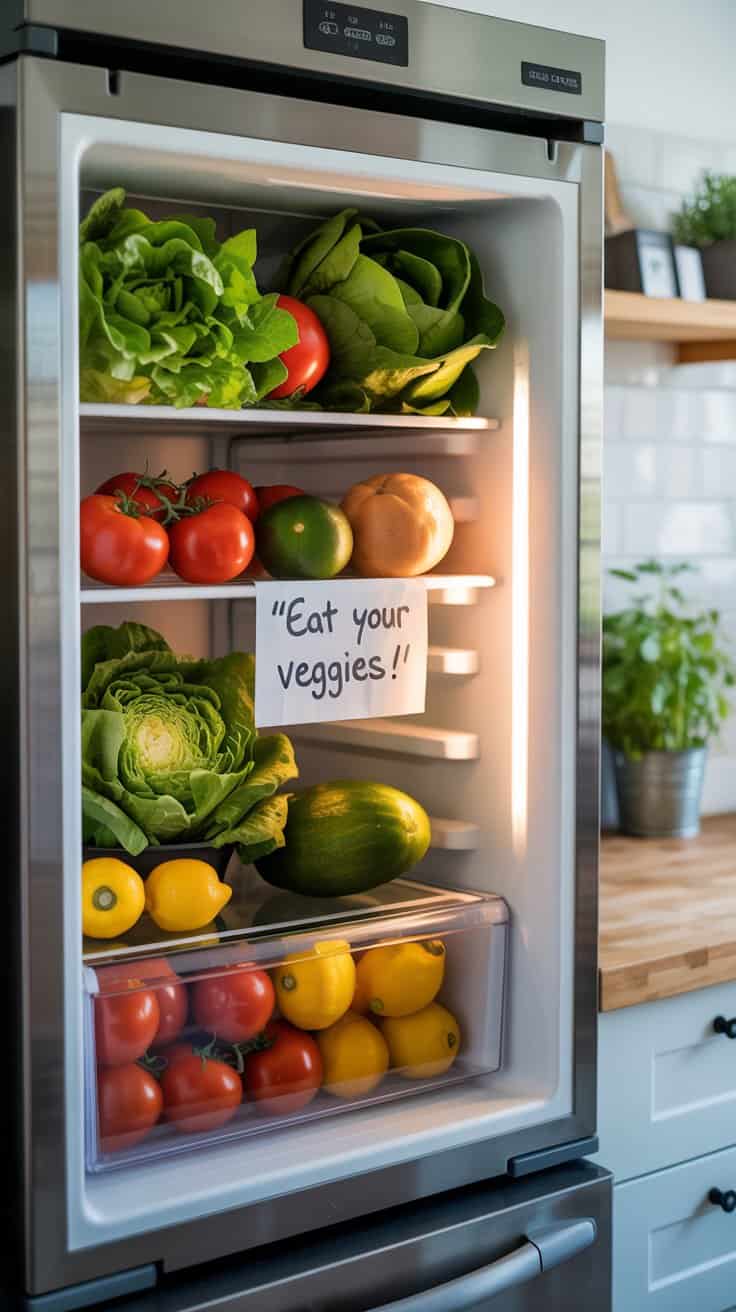
- Onions and garlic
- Potatoes or sweet potatoes
- Carrots
- Apples or bananas
- Leafy greens (spinach or lettuce)
Fresh produce brings vibrant color, essential nutrients, and fresh flavors to your meals. Stocking your kitchen with long-lasting options like onions, garlic, potatoes, sweet potatoes, carrots, apples, and bananas ensures you have a steady supply of versatile ingredients that can be used in a variety of recipes. Onions and garlic form the flavor base for many dishes, while potatoes and carrots work well roasted, boiled, or mashed.
Leafy greens such as spinach or lettuce add freshness and nutritional value but tend to spoil quickly, so it’s best to buy them in smaller amounts or plan meals that use them shortly after purchase. Seasonal produce is often more affordable and tastes better since it’s harvested at its peak ripeness. Planning your meals around what’s in season can save money and improve the quality of your dishes.
DIY Idea: Wash and prep your produce immediately after shopping. For example, peel carrots, chop onions, and wash leafy greens before storing them in the fridge. This simple step will save time during busy weekdays and encourage you to use fresh ingredients more often. Store fruits and vegetables properly—some do better in the fridge (like leafy greens), while others last longer on the counter (like bananas).
Dairy & Eggs
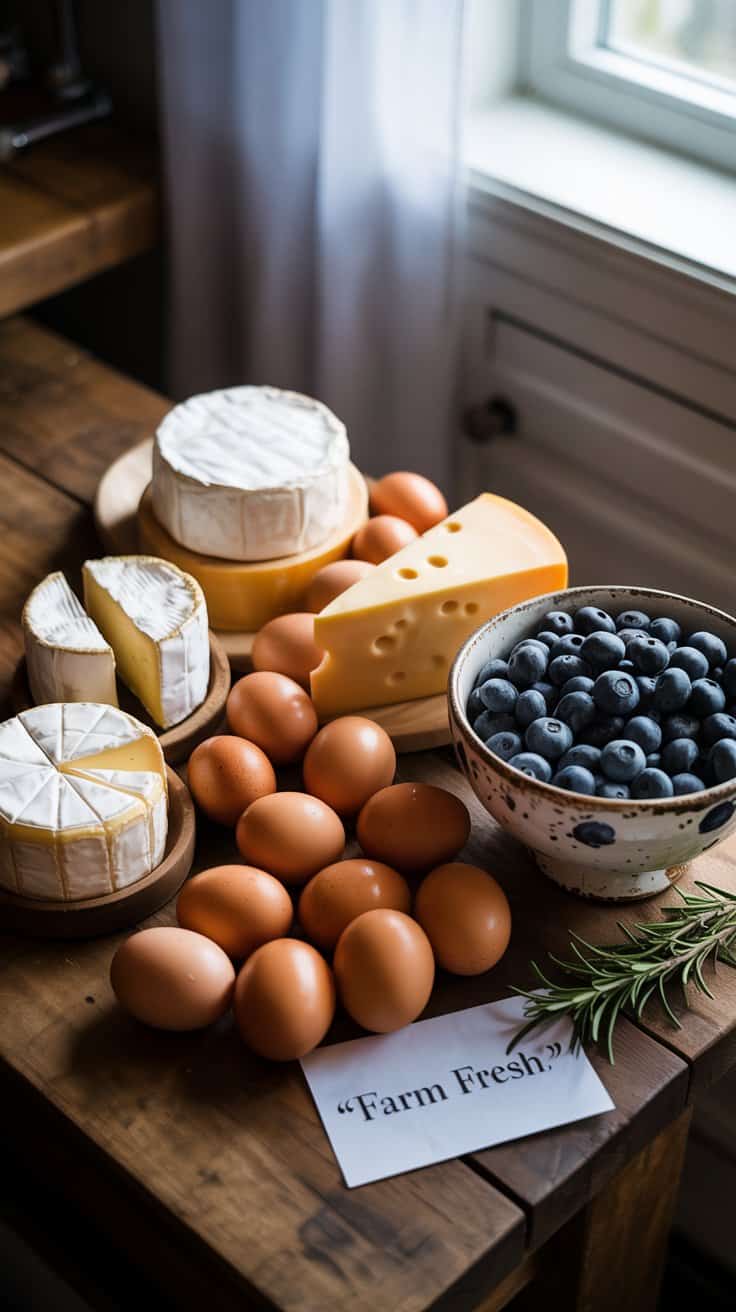
- Milk or plant-based milk
- Cheese (block or shredded)
- Eggs
Dairy products and eggs are essential sources of calcium, protein, and other nutrients that support overall health. Milk or plant-based alternatives provide versatility for cooking, baking, and drinking. Cheese—whether block or shredded—is an excellent addition to many dishes for added flavor and texture. Eggs are among the most versatile ingredients in any kitchen; they can be used for breakfast dishes like omelets, as binders in baking, or added to salads for extra protein.
If you don’t cook daily or want to reduce waste, consider shelf-stable dairy options such as hard cheeses or yogurt with longer expiration dates. These can be stored longer than fresh milk or soft cheeses. Proper storage is key to maintaining freshness; always keep dairy products at the back of the fridge where the temperature is coldest.
DIY Idea: Make hard-boiled eggs in advance to have on hand for quick snacks or salad toppings. You can also create simple cheese blends or grates to sprinkle over dishes throughout the week. Buying dairy products in larger quantities and freezing portions (like shredded cheese) can help save money and reduce trips to the store.
Protein
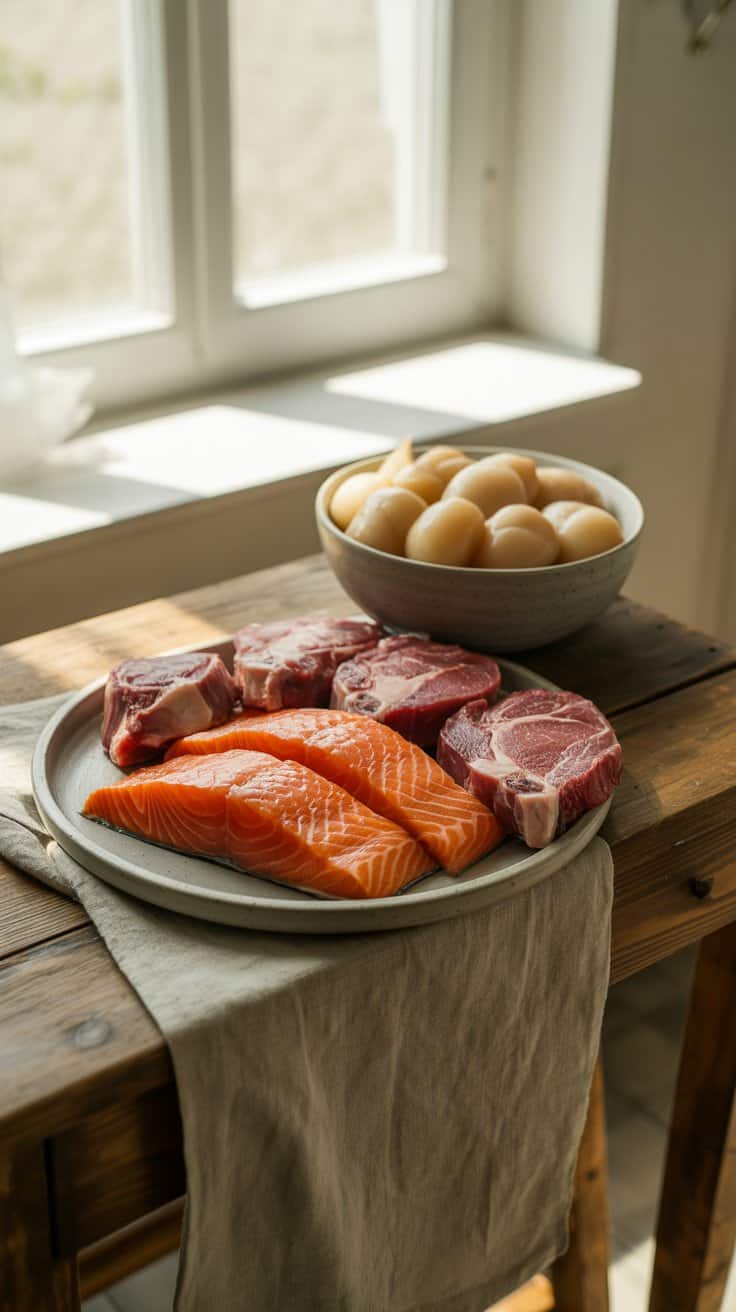
- Chicken breasts or thighs (fresh or frozen)
- Canned tuna or salmon
- Tofu or beans (for vegetarian options)
Protein is vital for satiety, muscle repair, and overall health. Depending on your dietary preferences, choose from a variety of options such as chicken breasts or thighs (fresh or frozen), canned tuna or salmon, tofu, or beans for vegetarian choices. Fresh meats can be bought in bulk and divided into portions before freezing to save money and reduce waste.
Legumes like beans and lentils are affordable protein sources with a long shelf life when dried or canned. Tofu offers a plant-based protein alternative that works well in many cuisines. Marinating meats ahead of time infuses flavor and tenderizes them, making meal prep quicker during busy days.
DIY Idea: Prepare batches of cooked beans or lentils at once and store them in the fridge or freezer for easy use throughout the week. Try marinating chicken or tofu overnight so dinner comes together faster after work. Keep a variety of protein options on hand to suit different meals—from quick tuna salads to hearty bean stews.
Frozen Foods
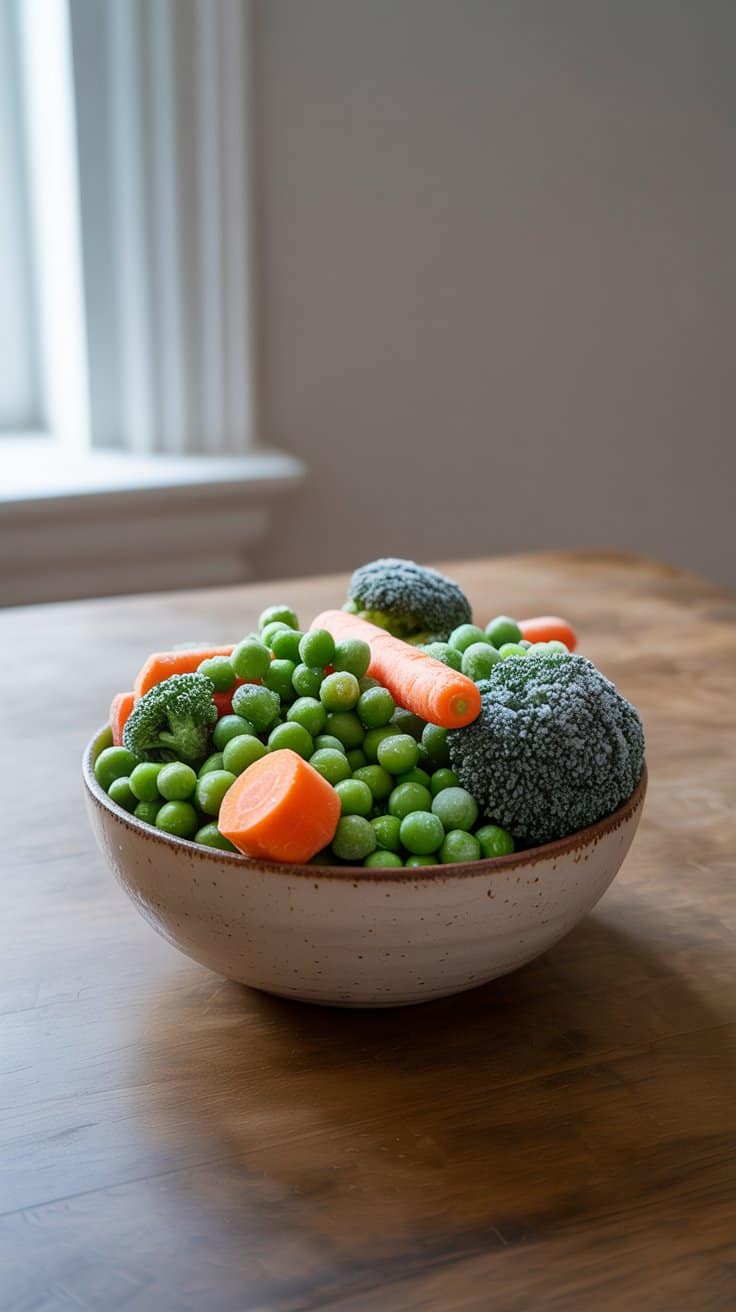
- Frozen vegetables
- Frozen fruit (for smoothies or snacks)
Frozen foods are invaluable for maintaining variety and convenience in your kitchen. Frozen vegetables and fruits retain most of their nutrients and flavor while lasting much longer than fresh counterparts. Frozen berries are fantastic additions to smoothies or baking recipes, while frozen vegetables work perfectly in stir-fries, casseroles, or soups when fresh produce is not available.
Frozen proteins like shrimp, chicken nuggets, or meatballs provide quick meal options without compromising nutrition. When using frozen items, it’s important to organize your freezer so older products are used first to reduce waste. Labeling packages with dates can help keep track of freshness.
DIY Idea: Keep a mix of frozen vegetables such as peas, corn, broccoli, and mixed stir-fry blends so you always have quick side dishes ready. Stock frozen fruit varieties like berries and mango for smoothies or desserts. Batch-cook meals using frozen proteins that can be portioned out for future meals—this saves time on busy days.
Snacks & Miscellaneous

- Bread or wraps
- Yogurt
- Coffee or tea
- Nuts or seeds
Having a selection of snacks on hand helps keep energy levels steady between meals and prevents unhealthy cravings from taking over. Healthy options like nuts, seeds, granola bars, popcorn, and yogurt provide good nutrition along with satisfying textures. Including some occasional treats adds balance so you don’t feel restricted.
Miscellaneous pantry essentials such as bread or wraps make it easy to assemble quick sandwiches or wraps for lunches. Coffee and tea are staples in many households that keep mornings running smoothly. Nut butters like peanut butter or almond butter serve as both snacks and meal components—spread on toast or added to smoothies.
DIY Idea: Choose multipurpose snacks that can double as quick meal components when needed. For example, whole-grain wraps can be used for both snacks and light dinners. Keep nuts and seeds pre-portioned in small containers for grab-and-go convenience. Experiment with homemade granola bars or trail mix to customize flavors while controlling ingredients.
Conclusion
Starting your first apartment kitchen with a well-thought-out grocery list sets you up for success, making cooking enjoyable and stress-free. By focusing on versatile pantry staples, fresh produce that suits your taste and lifestyle, and essential dairy and protein options, you create a balanced foundation for nutritious meals every day.
Frozen foods add convenience without sacrificing quality, giving you flexibility on busy days. Don’t forget snacks and miscellaneous items to keep your energy up and your kitchen functional. Shopping smart—buying in bulk when it makes sense, prepping produce ahead, and organizing your space—can save you both time and money.
Remember, your first apartment grocery list isn’t about buying everything at once but building up your kitchen gradually with essentials that fit your needs. This approach helps avoid food waste and ensures you always have what you need to whip up a meal or satisfy a craving.
With these tips in hand, you’re ready to shop confidently, cook creatively, and turn your new apartment into a welcoming home filled with delicious meals. Happy shopping and even happier eating!
Keep exploring: home decor ideas for a calmer home