Fitness resolutions fail so consistently not because people lack willpower or motivation but because they’re designed for an imaginary, better-organized version of yourself rather than the actual one. The fitness goals that stick are specific, realistic, and built around your life as it actually is, not as you think it should be. Small, consistent, and kind beats ambitious, intense, and self-punishing every single time.
Every January gym, every fresh start Monday, every “I’m going to be different this time” moment follows the same pattern: high motivation, dramatic change, unsustainable pace, gradual backsliding, guilt, abandonment. This cycle isn’t a personal failure. It’s a structural one. The resolutions themselves are the problem, not the person making them.
These fitness resolutions are built differently. They’re designed for consistency over intensity, for sustainability over speed, and for the kind of incremental progress that actually changes things over time rather than burning bright for three weeks and disappearing.
Your fitness goals connect directly to your overall wellness and how you’re taking care of yourself across the board. The Self-Care and Wellness Planner helps you integrate your movement goals with your broader wellbeing habits so your fitness practice supports rather than competes with the rest of your life.
Recommended Fitness Products


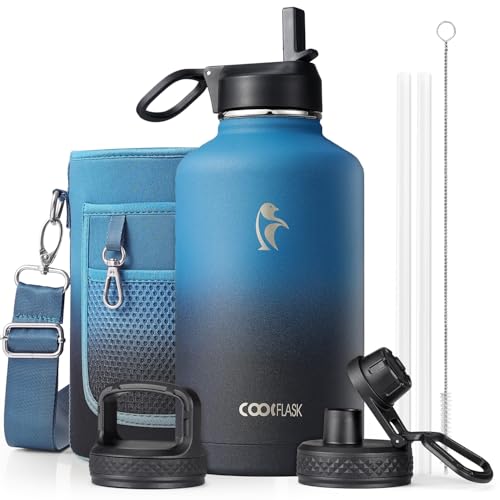
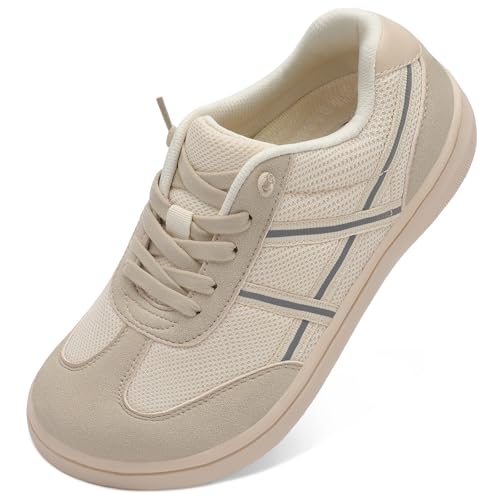
Why Most Fitness Resolutions Fail
The most common fitness resolution failure mode is the all-or-nothing approach. You decide to go from exercising zero times a week to five times a week, from no structure to a fully planned training program, from a sedentary baseline to a competitive standard. The gap between where you are and where you’ve decided to be is so large that the first missed session feels like total failure, and the second missed session often ends the resolution entirely.
The second most common failure mode is choosing fitness activities you don’t actually enjoy because they seem like the right ones. Running is widely recommended, but if you hate running, you’re going to stop running. The most effective form of exercise is the one you’ll actually do consistently, which means the enjoyment factor matters as much as the caloric output or the training modality.
External motivation, the resolution high, the New Year energy, the post-holiday guilt, is inherently temporary. Fitness habits that survive the loss of that motivation are ones built on intrinsic value: you do them because you feel better when you do, not because you think you should. Building toward intrinsic motivation takes time and gentleness, not the aggressive commitment energy that most fitness resolutions start with.
Fitness Resolutions Built for the Real World
Move your body in some intentional way three times a week. Not five, not seven, not every day. Three is achievable, sustainable, and leaves room for life without automatically becoming a failure the moment your schedule gets complicated. Once three times a week feels genuinely easy and automatic, you can add more. Starting from three is not a compromise. It’s a strategy.
Walk more. This is possibly the most underrated fitness resolution available, partly because it doesn’t feel dramatic enough and partly because it doesn’t require equipment, a gym membership, specific clothing, or scheduling precision. Walking for thirty minutes most days produces measurable improvements in cardiovascular health, mood, stress levels, and metabolic function. It’s not glamorous. It works anyway.
Strength training twice a week, even with minimal equipment. Resistance bands, a set of light dumbbells, or bodyweight exercises done consistently produce meaningful strength and metabolic gains over time. You don’t need a gym. You don’t need a trainer. You need a consistent stimulus applied to your muscles two to three times a week, recovery time between sessions, and patience for the results that come in weeks rather than days.
How to Make Fitness Habits Actually Stick
Schedule your movement like an appointment rather than something you’ll do when you find time. Time for exercise doesn’t appear spontaneously in most people’s days. It has to be claimed deliberately. Even fifteen minutes blocked into your calendar is more likely to happen than a vague intention to exercise sometime today that never quite materializes.
Lower the activation energy required to start. If your workout clothes are laid out the night before, you’re more likely to put them on. If your exercise mat is already in the living room, you’re more likely to use it. If the workout is planned in advance so you’re not making decisions at the moment you need to start, you’re more likely to actually start. These are small structural adjustments that make a real difference at the moments when motivation is low.
Track something, but make it process-focused rather than outcome-focused. Track the number of times you moved this week, not the number of pounds you lost. Track how you felt after your workout, not how your clothes fit. Process tracking is entirely within your control and creates a positive feedback loop regardless of external results, which makes it a much more reliable motivator for building and maintaining habits.
Finding Movement You Actually Like
The fitness resolution that has the best odds of sticking is one built around an activity you genuinely look forward to, or at least don’t actively dread. If you hate the gym, a gym resolution is probably not going to last. If you love music, dance classes or a high-energy workout playlist might make movement feel completely different. If you like being outdoors, walking, hiking, cycling, or outdoor yoga are all legitimate fitness practices.
Trying different types of movement for a few weeks each before committing to a fitness plan is a worthwhile investment. Most people know what kind of physical activity they enjoyed as children but have never revisited as adults. Swimming, dancing, martial arts, climbing, recreational sports, and hiking are all activities with real fitness benefits that feel nothing like “going to the gym” and therefore don’t carry the same psychological resistance.
Social movement is also consistently underused as a fitness tool. Group fitness classes, running clubs, recreational sports leagues, and walking dates with a friend add accountability and enjoyment to exercise that solo training rarely provides. If you’re someone who shows up for other people more reliably than you show up for yourself, building social components into your fitness practice is a strategic choice rather than a consolation prize.
Fitness goals are easier to maintain when they’re part of a broader plan for how you want to live. The Ultimate Budget Planner helps you account for fitness-related spending, from gym memberships to equipment, so your wellness goals and financial goals support each other rather than competing.
Frequently Asked Questions
Why do fitness resolutions fail?
Most fitness resolutions fail because they’re designed for an unrealistic version of your life, require too dramatic a change from your baseline, and rely on motivation that’s inherently temporary. Resolutions built on small, consistent, sustainable habits succeed far more often than ambitious ones that require a complete lifestyle overhaul.
What is a realistic fitness goal for beginners?
Moving your body intentionally three times a week in a way you don’t hate. Walking thirty minutes most days. Adding strength training twice a week with minimal equipment. These are achievable baselines that build real fitness over time without the burnout risk of starting too aggressively.
How do you stick to a fitness resolution?
Schedule movement like an appointment, lower the activation energy required to start, track your process rather than outcomes, and choose activities you genuinely enjoy or at least don’t dread. Building social components into your fitness practice also significantly improves consistency for most people.
What is the best exercise for someone who hates working out?
Walking is the most accessible, sustainable, and underrated option. Beyond that, try different formats, classes, outdoor activities, sports, and movement you enjoyed in the past, until you find something that doesn’t require significant willpower to do consistently.
How long does it take for a fitness habit to stick?
Research suggests habit formation takes anywhere from a few weeks to several months depending on the complexity of the behavior and individual differences. The most important factor is keeping the practice going through the uncomfortable early period when it still feels like effort rather than routine.
Key Takeaways
- Fitness resolutions fail when they’re designed for an idealized life rather than your actual one
- Three intentional movement sessions per week is a sustainable starting target for most people
- Walking is one of the most effective and underrated fitness resolutions available at any baseline
- Scheduling movement like an appointment and reducing startup friction are the most practical consistency tools
- Finding activities you genuinely enjoy or at least don’t dread is more important than choosing the theoretically optimal workout
- Process tracking rather than outcome tracking creates a more reliable positive feedback loop for habit building
Final Thoughts
Fitness resolutions that stick are built on honesty about where you actually are, realism about what you can sustain, and enough gentleness with yourself to keep going through the sessions that don’t feel good and the weeks that go sideways. The goal isn’t perfection. It’s consistency over a long enough period that movement becomes a natural part of your life rather than an ongoing act of willpower.
You don’t need to become a different person. You need to make small, reasonable adjustments to the life you already have. Start where you are, with what you have, in a way you can sustain. Let the rest build from there.