Quick Answer: A gallery wall above a couch should match the sofa scale, room palette and viewing distance. Use a clear layout, repeated frame finish, varied art sizes and enough breathing room so the wall feels collected rather than chaotic.
The wall above a couch is too visible for guesswork. Art that is too small makes the sofa look stranded, while a wall packed too tightly can make the whole living room feel nervous.
A good gallery wall starts with scale before style. Decide where the outer edges should land, choose one repeated frame language, then let the art bring in personality.
The best versions look collected, but they are never random.
Want the seasonal refresh to feel pulled together?
The Aesthetic Apartment Makeover Guide helps you choose a palette, layer texture, and style each room in the right order so the finished space feels intentional.

Recommended Gallery Wall Finds
The best finds for this topic are pieces that change the mood and still earn their place: lighting, textiles, trays, planters, vases, baskets, glassware, and natural textures that support real life.
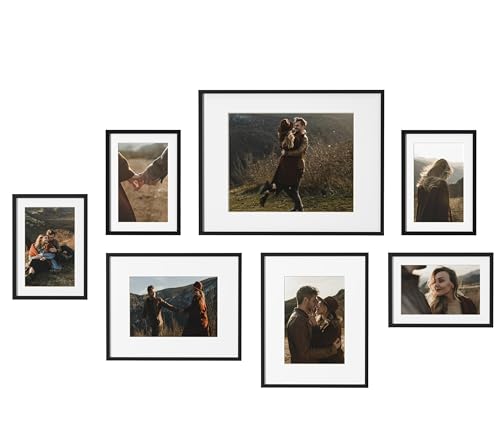


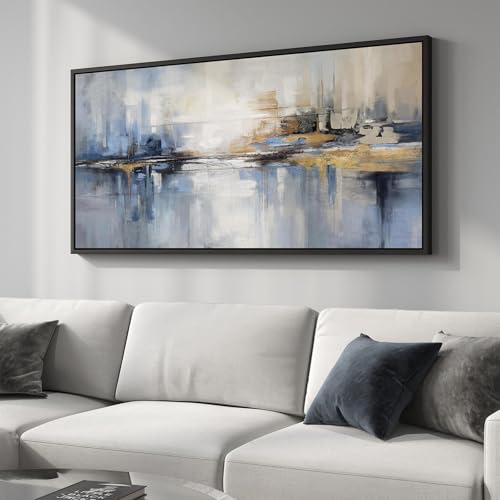

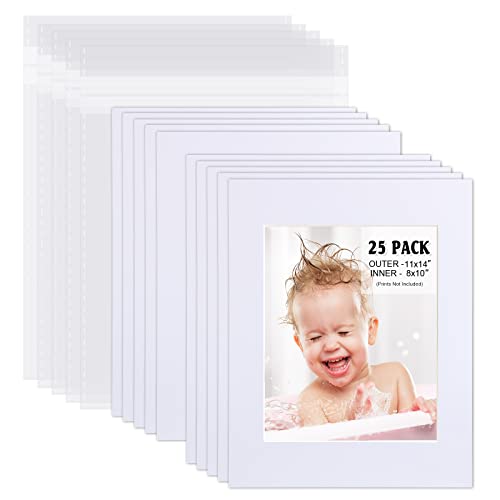
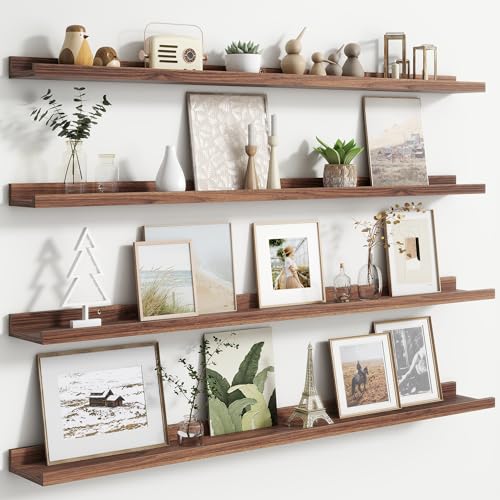
Recommended blogs to read:
- kitchen lamps on counter ideas
- above kitchen cabinet decor
- bathroom vanity ideas
- summer kitchen decor
- coastal kitchen decor
- summer coffee table decor
If the room feels close but unfinished, look at the layers.
The guide can help you decide what to edit, what to repeat, and where to add the detail that finally makes the room feel finished.
18 Gallery Wall Above Couch Ideas for a Balanced Living Room
A sofa wall needs a layout with edges, rhythm, and enough scale to hold its own from across the room. These ideas move from polished grids to more collected walls.
1. One Large Anchor Print


A practical object looks better when its shape has been considered. A small utility zone benefits when one large anchor print has a clear job and a clean edge. One anchor and one finishing detail are usually enough.
Trays, baskets, hooks, lamps, shelves, rails, organizers, and wipeable surfaces are the backbone. The space feels better when the useful pieces are scaled well enough to look intentional. For a related next read, see kitchen lamps on counter ideas.
One decorative note is usually enough. Too many small accents can make a useful corner harder to clean and slower to reset.
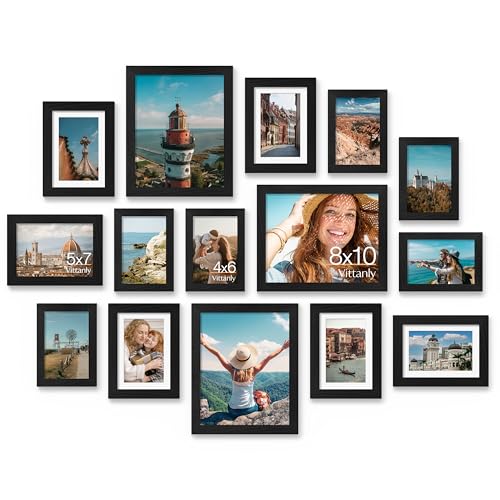
2. Black Frame Grid


The room needs one clear reason for this piece to be here. Use a black frame grid to bring order, then keep the surrounding pieces simple enough to maintain. Repeat one color or material nearby so the detail feels connected.
Trays, baskets, hooks, lamps, shelves, rails, organizers, and wipeable surfaces are the backbone. The space feels better when the useful pieces are scaled well enough to look intentional. For a related next read, see above kitchen cabinet decor.
One decorative note is usually enough. Too many small accents can make a useful corner harder to clean and slower to reset. Notice how the room behaves after the first layer is in place. If the area feels calmer, brighter, or easier to use, stop there before the styling starts to look busy.
3. Collected Gold Frames


Light, scale, and empty space decide whether this works. The best version of the collected gold frames feels built into the habit rather than placed there for show. Repeat one color or material nearby so the detail feels connected.
Trays, baskets, hooks, lamps, shelves, rails, organizers, and wipeable surfaces are the backbone. The space feels better when the useful pieces are scaled well enough to look intentional. For a related next read, see bathroom vanity ideas.
Think about maintenance before mood. If it will gather dust, catch water, or need to be moved every morning, it needs a better position.
4. Mixed Art and Photos

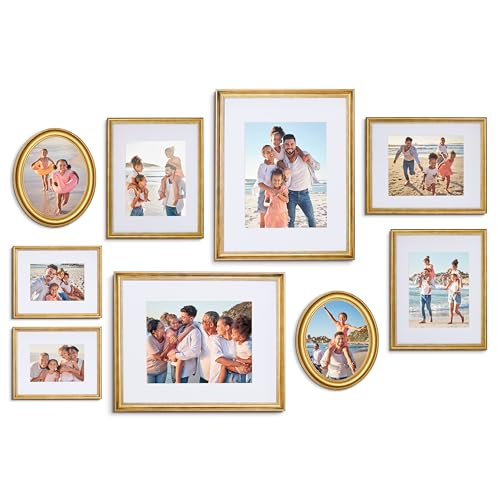
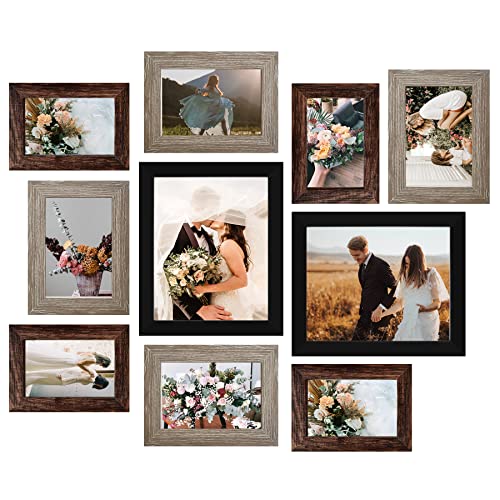

Start with what this spot has been failing to do. In a practical corner, the mixed art and photos should make the routine easier before it tries to look pretty. Repeat one color or material nearby so the detail feels connected.
Trays, baskets, hooks, lamps, shelves, rails, organizers, and wipeable surfaces are the backbone. The space feels better when the useful pieces are scaled well enough to look intentional. For a related next read, see summer kitchen decor.
Think about maintenance before mood. If it will gather dust, catch water, or need to be moved every morning, it needs a better position.
5. Picture Ledge Layout


The eye notices this detail faster than people expect. Let a picture ledge layout solve the storage, reach, drying, scale, or lighting problem first. Keep the nearest surface edited so the shape and texture have room to register.
Trays, baskets, hooks, lamps, shelves, rails, organizers, and wipeable surfaces are the backbone. The space feels better when the useful pieces are scaled well enough to look intentional. For a related next read, see coastal kitchen decor.
Leave enough clearance for hands, towels, mugs, doors, faucets, drawers, or remotes. A practical surface fails quickly when the styling blocks the motion it is supposed to support.
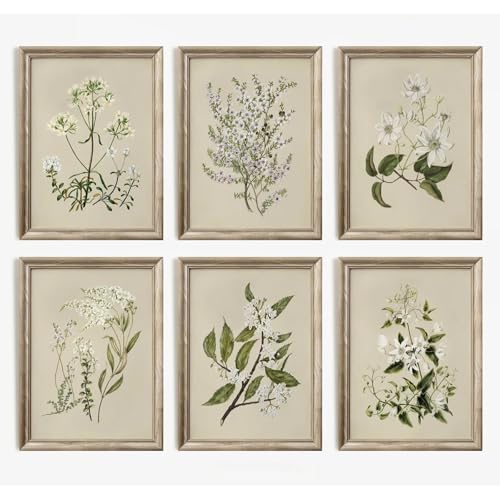
6. Botanical Print Story


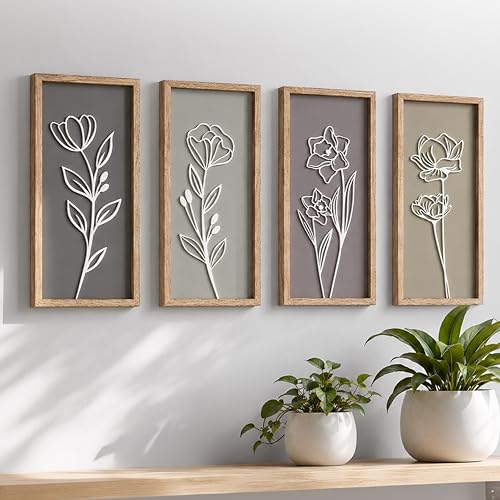

A narrow room needs a different kind of confidence. A small utility zone benefits when a botanical print story has a clear job and a clean edge. The goal is a room that feels cared for and still easy to use.
Trays, baskets, hooks, lamps, shelves, rails, organizers, and wipeable surfaces are the backbone. The space feels better when the useful pieces are scaled well enough to look intentional.
Material contrast helps the area feel designed. Pair a wipeable tray with wood, glass with metal, or woven storage with a cleaner hard surface.
7. Neutral Abstract Set


The material choice matters more than the accessory count. Use a neutral abstract set to bring order, then keep the surrounding pieces simple enough to maintain. The goal is a room that feels cared for and still easy to use.
Trays, baskets, hooks, lamps, shelves, rails, organizers, and wipeable surfaces are the backbone. The space feels better when the useful pieces are scaled well enough to look intentional.
Material contrast helps the area feel designed. Pair a wipeable tray with wood, glass with metal, or woven storage with a cleaner hard surface. Notice how the room behaves after the first layer is in place. If the area feels calmer, brighter, or easier to use, stop there before the styling starts to look busy.
8. Family Photo Wall


This idea earns its place when it changes the routine. The best version of a family photo wall feels built into the habit rather than placed there for show. Keep the nearest surface edited so the shape and texture have room to register.
Trays, baskets, hooks, lamps, shelves, rails, organizers, and wipeable surfaces are the backbone. The space feels better when the useful pieces are scaled well enough to look intentional.
Leave enough clearance for hands, towels, mugs, doors, faucets, drawers, or remotes. A practical surface fails quickly when the styling blocks the motion it is supposed to support.
9. Oversized Mat Boards


A quiet surface can still carry a lot of mood. In a practical corner, the oversized mat boards should make the routine easier before it tries to look pretty. One anchor and one finishing detail are usually enough.
Trays, baskets, hooks, lamps, shelves, rails, organizers, and wipeable surfaces are the backbone. The space feels better when the useful pieces are scaled well enough to look intentional.
Think about maintenance before mood. If it will gather dust, catch water, or need to be moved every morning, it needs a better position.
Pause before adding another piece.
If the room already has color, texture, and light, editing may be the move that makes it feel more expensive.
10. Two-Row Sofa Layout




The strongest move is often the one that edits the area around it. Let a two-row sofa layout solve the storage, reach, drying, scale, or lighting problem first. One anchor and one finishing detail are usually enough.
Trays, baskets, hooks, lamps, shelves, rails, organizers, and wipeable surfaces are the backbone. The space feels better when the useful pieces are scaled well enough to look intentional.
Think about maintenance before mood. If it will gather dust, catch water, or need to be moved every morning, it needs a better position.
11. Asymmetrical Corner Lift



A practical object looks better when its shape has been considered. A small utility zone benefits when an asymmetrical corner lift has a clear job and a clean edge. One anchor and one finishing detail are usually enough.
Trays, baskets, hooks, lamps, shelves, rails, organizers, and wipeable surfaces are the backbone. The space feels better when the useful pieces are scaled well enough to look intentional.
Leave enough clearance for hands, towels, mugs, doors, faucets, drawers, or remotes. A practical surface fails quickly when the styling blocks the motion it is supposed to support.
12. Frame Spacing Plan


The room needs one clear reason for this piece to be here. Use a frame spacing plan to bring order, then keep the surrounding pieces simple enough to maintain. Repeat one color or material nearby so the detail feels connected.
Trays, baskets, hooks, lamps, shelves, rails, organizers, and wipeable surfaces are the backbone. The space feels better when the useful pieces are scaled well enough to look intentional.
Leave enough clearance for hands, towels, mugs, doors, faucets, drawers, or remotes. A practical surface fails quickly when the styling blocks the motion it is supposed to support. Notice how the room behaves after the first layer is in place. If the area feels calmer, brighter, or easier to use, stop there before the styling starts to look busy.
13. Art That Matches Rug Colors


Light, scale, and empty space decide whether this works. The best version of the art that matches rug colors feels built into the habit rather than placed there for show. Try it in afternoon light and again at night before adding another piece.
Trays, baskets, hooks, lamps, shelves, rails, organizers, and wipeable surfaces are the backbone. The space feels better when the useful pieces are scaled well enough to look intentional.
Leave enough clearance for hands, towels, mugs, doors, faucets, drawers, or remotes. A practical surface fails quickly when the styling blocks the motion it is supposed to support.
14. No Tiny Frames Rule


Start with what this spot has been failing to do. In a practical corner, a no tiny frames rule should make the routine easier before it tries to look pretty. The goal is a room that feels cared for and still easy to use.
Trays, baskets, hooks, lamps, shelves, rails, organizers, and wipeable surfaces are the backbone. The space feels better when the useful pieces are scaled well enough to look intentional.
One decorative note is usually enough. Too many small accents can make a useful corner harder to clean and slower to reset.
15. Paper Template Test




The eye notices this detail faster than people expect. Let a paper template test solve the storage, reach, drying, scale, or lighting problem first. Try it in afternoon light and again at night before adding another piece.
Trays, baskets, hooks, lamps, shelves, rails, organizers, and wipeable surfaces are the backbone. The space feels better when the useful pieces are scaled well enough to look intentional.
Think about maintenance before mood. If it will gather dust, catch water, or need to be moved every morning, it needs a better position.
16. Lamp and Art Balance


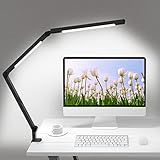

A narrow room needs a different kind of confidence. A small utility zone benefits when a lamp and art balance has a clear job and a clean edge. Repeat one color or material nearby so the detail feels connected.
Trays, baskets, hooks, lamps, shelves, rails, organizers, and wipeable surfaces are the backbone. The space feels better when the useful pieces are scaled well enough to look intentional.
The surface still has to function. If cups, brushes, keys, products, or plates belong here, let the decor make room for them instead of pretending they do not exist.
17. Low Sofa Back Clearance


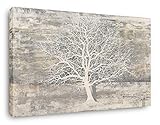

The material choice matters more than the accessory count. Use a low sofa back clearance to bring order, then keep the surrounding pieces simple enough to maintain. Try it in afternoon light and again at night before adding another piece.
Trays, baskets, hooks, lamps, shelves, rails, organizers, and wipeable surfaces are the backbone. The space feels better when the useful pieces are scaled well enough to look intentional.
Leave enough clearance for hands, towels, mugs, doors, faucets, drawers, or remotes. A practical surface fails quickly when the styling blocks the motion it is supposed to support.
18. Wall That Feels Personal



This idea earns its place when it changes the routine. The best version of a wall that feels personal feels built into the habit rather than placed there for show. Repeat one color or material nearby so the detail feels connected.
Trays, baskets, hooks, lamps, shelves, rails, organizers, and wipeable surfaces are the backbone. The space feels better when the useful pieces are scaled well enough to look intentional.
Material contrast helps the area feel designed. Pair a wipeable tray with wood, glass with metal, or woven storage with a cleaner hard surface.
Frequently Asked Questions
What is the easiest way to start with gallery wall above couch decor ideas?
Start with the daily problem first: storage, reach, lighting, drying, scale, or clutter. Then choose decor that makes that routine easier.
How do I keep practical decor from looking cluttered?
Use fewer, larger pieces and group small items on trays, shelves, hooks, or inside drawers so the surface still has breathing room.
What materials work best for utility areas?
Wood, ceramic, glass, metal, woven baskets, linen, acrylic organizers, and wipeable trays work well because they look good and handle daily use.
Can these ideas work in a rental?
Yes. Try adhesive hooks, trays, baskets, freestanding shelves, plug-in lamps, framed art, and furniture that does not require permanent installation.
What should I avoid?
Avoid tiny decorative pieces in areas that already collect moisture, dust, cords, products, or food prep mess.
Key Takeaways
- Set the outer edges of the gallery wall before choosing every frame.
- Repeat two or three colors so the room feels connected.
- Use practical pieces first, then layer decorative moments where they will be noticed.
- Leave space around the strongest object or surface.
- Choose materials and lighting that still feel useful after the trend or season changes.
Final Thoughts
A gallery wall above the couch should make the sofa feel anchored, not swallowed. Scale, spacing and one repeated frame detail will do more than a wall full of random art.
Lay it out on the floor or with paper first, then hang with confidence. The room will feel more personal once the wall has both structure and a little irregularity.