Quick answer: The best supermarkets in Hungary are Lidl and Aldi for budget shopping, Spar for convenience in city centers, Tesco for large weekly hauls, and Auchan for bulk buying at the lowest prices. For fresh produce, local markets still beat every chain.
Walking into a Hungarian supermarket for the first time can feel like a bit of a surprise. The layout is familiar enough, sure, but the brands are different, the checkout etiquette has its own unwritten rules, and you might accidentally grab a bag of paprika-flavored chips when you wanted plain salt. Whether you are visiting Budapest for a long weekend or settling in as an expat, knowing which supermarket chains in Hungary are worth your time (and your forints) saves real money and real headaches.
Hungary has a surprisingly competitive grocery market. Discount chains from Germany sit alongside Hungarian cooperatives, British hypermarkets, and French big-box stores. Each one fills a different niche. Some are great for weekly stock-ups, others for grabbing lunch on the go. This guide breaks down the best supermarkets in Hungary by what they actually do well, so you can shop smarter from day one.
Trying to keep your travel spending under control while exploring Hungary?
Grab The Ultimate Budget Planner, a simple, printable system to track your grocery spending, daily expenses, and travel costs in one place. Get it here →
Recommended Travel and Grocery Essentials for Hungary


Spar: The Most Convenient Supermarket in Hungary
Spar is the biggest supermarket chain in Hungary by revenue, pulling in over 2.4 billion euros annually. It has been in the country since 1992, and with 581 stores spread across the nation, you are never too far from one. In Budapest, Spar dominates the city center. You will find locations near Deak Ferenc ter, Astoria, and Nyugati Station, making it the go-to option if you live in Pest or are just passing through on foot.
The store layout varies depending on the format. Spar Express shops are tiny and work for grabbing a sandwich or drink. Regular Spar locations carry a full range of groceries. Interspar stores are the big ones, stocked like hypermarkets with home goods, electronics, and a wide deli counter. The trade-off? Spar tends to run pricier than the discount chains. Their budget line, S-Budget, helps close that gap on basics like milk, pasta, and canned goods.
One thing worth knowing: at Spar, you often need to weigh your own fruits and vegetables on a dedicated scale and print a sticker before reaching the register. Skip this step and you will hold up the line, which does not make you popular. If you are planning a trip around Central Europe, Spar stores are also common in Austria, Slovenia, and Croatia, so you will recognize the brand across borders. For those thinking about the best cities in Europe for expats, Budapest with its accessible Spar network is a strong contender.
Lidl: Best Budget Supermarket in Hungary
Lidl is where most budget-conscious shoppers end up, and for good reason. This German discount chain operates around 200 stores in Hungary and has been in the market since 2004. The prices are noticeably lower than Spar, and the quality holds up well. Their bakery section alone is worth a visit. Freshly baked croissants, sourdough rolls, and pastries come out of the oven throughout the day, and they cost a fraction of what a standalone bakery charges.
What sets Lidl apart from other discount stores is the product range. They carry their own brand called Hazank Kincsei (which translates to “Hungarian Treasures”), sourcing traditional flavors from local producers. You will find Hungarian salami, smoked sausages, and regional cheeses that you will not see at Aldi. Lidl also rotates themed weeks, so one week might feature Italian products and the next Greek or Asian ingredients. If you love trying food from around the continent, these theme weeks are a goldmine. Speaking of European food finds, the best bakeries in Europe are worth checking out too.
The store layout follows the standard Lidl formula: no frills, efficient aisles, and a rotating middle section with random non-food deals (think camping gear one week, kitchen gadgets the next). Stores open early and close around 8 or 9 PM on weekdays. In Budapest, you will find 38 Lidl locations spread across the city.
Aldi: Another Strong Pick for Affordable Groceries
Aldi operates 154 stores across Hungary and belongs to the Aldi Sud network. If you have shopped at Aldi anywhere in Europe or Australia, the experience here is identical. Small stores, limited product selection, very low prices. The model works because they stock mostly their own private-label products, cutting out brand premiums entirely.
In Budapest, Aldi has branches in central districts like Erzsebetvaros (District VII) and Jozsefvaros (District VIII), which is handy if you are staying in the tourist areas around the Jewish Quarter or the Palace District. The stores are compact, so do not expect the sprawling aisles of a Tesco. But for daily essentials like bread, eggs, milk, cheese, and fresh produce, Aldi keeps things simple and cheap.
One honest downside: the produce section can be hit or miss. Some days the fruit looks great, other days it is clearly past its prime. If fresh vegetables matter a lot to you, a local market will serve you better. But for pantry staples and frozen foods, Aldi is hard to beat on price. If you are trying to travel the world without breaking the bank, shopping at Aldi while in Hungary will stretch your budget further.
Tesco and Auchan: Best for Big Weekly Shops
If you need to fill a fridge and pantry in one trip, Tesco and Auchan are the two names to know. Tesco operates roughly 200 stores in Hungary under Tesco Express (small format) and Tesco Superstore (large format) banners. The Superstores are usually located on the outskirts of cities or inside shopping centers like Arena Mall and Campona in Budapest. They carry everything from groceries to clothing, kitchenware, and toiletries.
Tesco in Hungary feels a bit different from Tesco in the UK. The store brands are similar, but the Hungarian locations lean heavily into local products. You will find Hungarian wines, regional dairy brands, and fresh paprika products that the British stores obviously do not stock. Prices sit in the middle range, cheaper than Spar but pricier than Lidl or Aldi.
Auchan is the French hypermarket that takes “big” to another level. With 24 stores across Hungary, each one is massive. We are talking warehouse-scale buildings with entire sections dedicated to fresh fish, butchered meats, an in-house bakery, and a cheese counter that could rival some delis. For raw ingredients like chicken, beef, and fish, Auchan often undercuts every other chain. The catch is location. Auchan stores sit on the outskirts of cities, so you will need a car or a willingness to take a longer bus ride. But if you are doing a big monthly stock-up, the savings are worth the trip.
CBA Prima, Coop, and Penny Market: The Local Picks
Not every supermarket in Hungary is an international import. CBA Prima is a Hungarian chain with about 370 stores nationwide and 140 Prima-branded locations. What makes Prima different is the neighborhood feel. Many stores have on-site bakeries turning out fresh kifli (crescent rolls) every morning, butcher counters with Hungarian sausages, and small deli sections. Prices vary by location, but they are generally fair. If you are staying in a residential area of Budapest and want to shop where the locals shop, Prima is likely your closest option.
Coop is the true countryside chain. It operates a staggering 2,300 stores, most of them in villages and small towns where international chains have not bothered to set up. Stores are small, the selection is basic, and prices can run slightly higher because of the rural locations. But Coop fills an important role: it is often the only grocery option in smaller Hungarian towns. If you are road-tripping through the Hungarian countryside or visiting places like the Hortobagy National Park, Coop will be your lifeline for supplies.
Penny Market rounds out the budget tier. With 227 stores in Hungary, this German chain (owned by the REWE Group) sits somewhere between a discount store and a regular supermarket. It is cheaper than Spar but tidier than Aldi. The produce section is surprisingly good, and they run decent weekly specials on meats and dairy products. Penny is a solid all-around choice if the other discounters do not have a branch near you.
Grocery Shopping Tips for Hungary That Save You Time and Money
Hungarian supermarkets have a few quirks that catch first-time visitors off guard. Here is what you need to know before your first shopping trip.
Bring your own bag. No supermarket in Hungary gives you a free bag at checkout. You can buy a plastic or reusable bag at the register, but it adds up quickly if you shop often. Keep a tote bag in your daypack and you will save a few hundred forints every week.
Pay in forints, not euros. Hungary uses the Hungarian forint (HUF), and most supermarkets do not accept euros. Card payments are widely accepted at chain stores, with contactless and Apple Pay working at nearly all of them. Smaller independent shops and market stalls may still prefer cash, so keep some bills handy.
Sunday hours are limited. Big chains used to close entirely on Sundays. While most are open now, hours tend to be shorter (often closing around 6 PM instead of 9 PM). Smaller shops and village Coop stores may still close on Sundays. Plan your weekend shopping accordingly.
Weigh your produce. At Spar and some other chains, you must weigh fruits and vegetables at a dedicated scale in the produce section, then print a barcode sticker. Forget to do this and the cashier will send you back. At Lidl and Aldi, the cashier weighs items at the register.
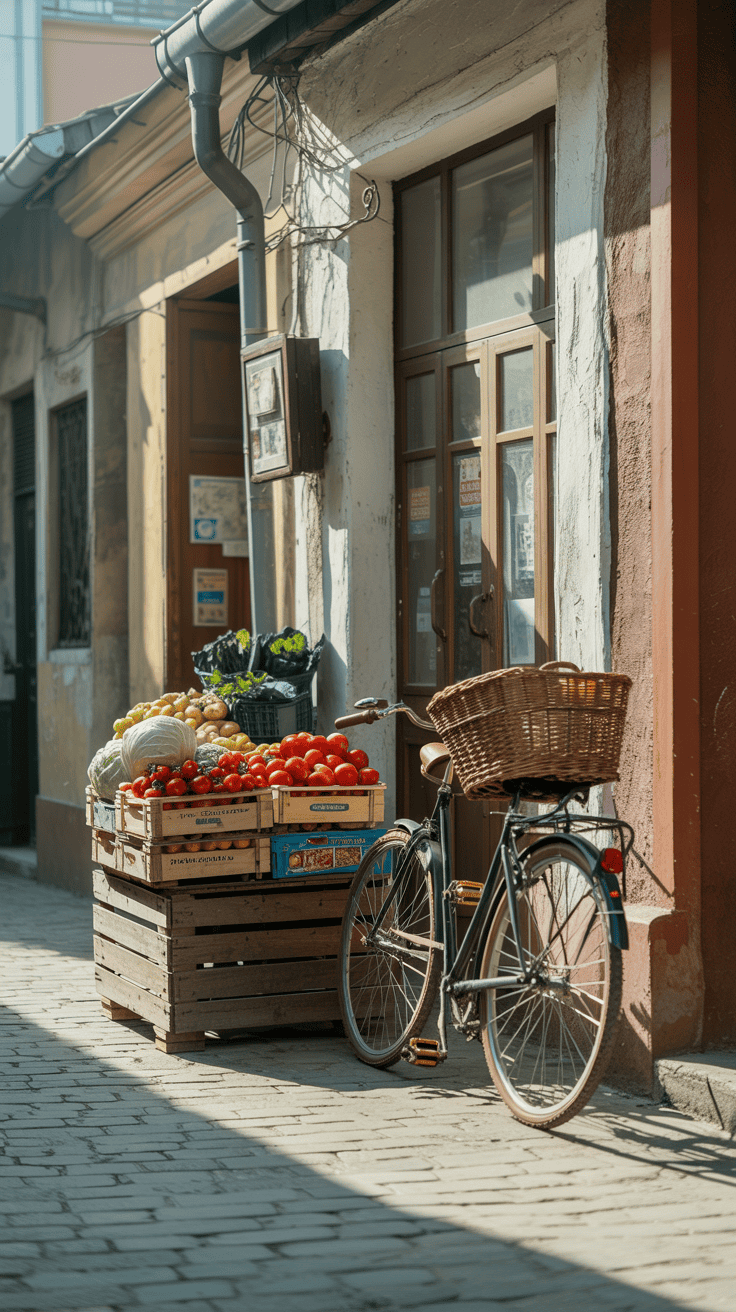
Visit local markets for the best fresh food. Budapest’s Central Market Hall (Nagycsarnok) is the famous one, but every neighborhood has its own market. Prices on seasonal fruits, vegetables, honey, and pickled products are lower than supermarket equivalents, and the quality is noticeably better. Markets are also the best place to buy paprika, Hungary’s most famous spice, directly from producers. If you love exploring the cheapest European cities to live in, Budapest’s market culture is one reason the cost of living stays reasonable.
Plan your budget before your next adventure!
Stay on top of your savings with The Savings Tracker Planner — designed to help you reach your travel and lifestyle goals faster.
Frequently Asked Questions About Supermarkets in Hungary
What is the cheapest supermarket in Hungary? Lidl and Aldi consistently offer the lowest prices on most everyday items. For bulk buying, Auchan edges them out on fresh meat and large-format products. Your cheapest option depends on what you buy most.
Can I use a credit card at Hungarian supermarkets? Yes. All major chains (Spar, Lidl, Aldi, Tesco, Auchan, Penny) accept card payments including contactless. Smaller independent shops and market vendors may still prefer cash in forints.
Are Hungarian supermarkets open on Sundays? Most major chains are open on Sundays but with reduced hours, typically closing around 6 PM. Smaller shops and village stores may be closed entirely. Always check specific store hours online before heading out on a Sunday.
Where can I buy traditional Hungarian food products? CBA Prima and Coop stock the widest range of traditional Hungarian products. Lidl’s Hazank Kincsei line sources from local producers too. For the widest selection of paprika, salami, and regional specialties, visit a local market or a specialty shop like Culinaris in Budapest. Foodies exploring Europe should also check out the best Christmas markets in Europe for seasonal Hungarian treats.
Is grocery shopping in Budapest expensive compared to other European capitals? No. Budapest ranks among the more affordable capitals in the EU for grocery costs. A weekly shop for one person typically runs between 15,000 and 25,000 HUF (roughly 40 to 65 euros), depending on where you shop and what you buy. Discount chains like Lidl and Aldi keep prices especially competitive.
Key Takeaways
- Lidl and Aldi are the cheapest supermarket chains in Hungary, with Lidl offering slightly better variety and bakery products.
- Spar is the most convenient option in Budapest city center, with stores near every major transit hub.
- Tesco and Auchan are best for large weekly or monthly shopping trips, though Auchan stores require a trip to the outskirts.
- CBA Prima and Coop are the go-to Hungarian chains for local products, neighborhood shopping, and countryside grocery runs.
- Always bring your own bags, pay in forints, and weigh your produce before checkout at Spar locations.
Wrapping Up
Hungary’s supermarket scene gives you plenty of solid options no matter your budget or location. Discount shoppers will love Lidl and Aldi. Convenience seekers will gravitate toward Spar. Big-haul families will appreciate Tesco and Auchan. And if you want to shop the way Hungarians have for generations, head to a local market on a Saturday morning. The best supermarkets in Hungary are the ones that match how you actually live and eat, so try a few, find your favorites, and enjoy the surprisingly good food this country has to offer. If you are planning a spring trip to Europe, Hungary is one destination where eating well does not require a big budget.