Last updated: March 2026
Quick Answer: What should you bring on a day hike?
Pack water (at least 1 liter per hour of hiking), snacks, a first aid kit, sun protection, navigation tools, a headlamp, extra layers, and a rain jacket. Use a 20-30 liter daypack and always tell someone your planned route before heading out.
I used to throw a water bottle in my bag and call it good before heading out on a trail. Then I got caught in an unexpected rainstorm three hours from the trailhead with no rain jacket, no headlamp, and a phone at 12 percent battery. That was the hike that taught me to actually plan what I bring.
Whether you are a beginner figuring out your first local trail or someone who hikes most weekends, having a reliable packing list takes the guesswork out of preparation. This guide breaks down everything you need for a day hike, from the absolute essentials to the nice-to-haves that make the difference between a good hike and a great one.
Looking for ways to elevate your style on a budget?
Get your spending sorted with The Ultimate Budget Planner — your go-to tool for tracking expenses and saving smarter.

Recommended Day Hiking Gear


How Much Water Should You Bring on a Day Hike?
Water is the single most important thing in your pack. The general rule is about 1 liter per hour of hiking, but you will want more in hot weather, at high altitude, or on steep terrain. For a 4-hour hike on a warm day, I bring at least 3 liters.
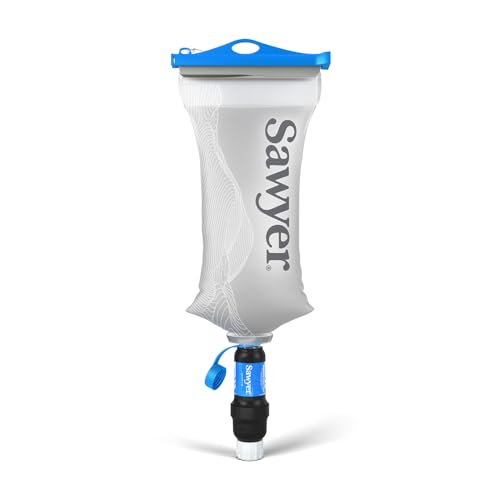
A hydration bladder works well because you can sip without stopping, but regular water bottles are fine too. If your hike passes streams or lakes, a compact water filter like the Sawyer Squeeze saves weight and lets you refill on the go. Just do not rely on finding water sources unless you have confirmed they exist on your route beforehand.
What Food and Snacks to Pack for a Day Hike
You burn between 300 and 600 calories per hour while hiking, depending on terrain and pack weight. That means even a short 3-hour hike can burn through 1,000 calories. Pack more food than you think you need.
Trail mix, energy bars, jerky, and dried fruit are lightweight and calorie-dense. If your hike crosses a mealtime, bring a sandwich or wrap. I usually pack one “real” food item and then several grab-and-go snacks I can eat while walking. Avoid anything that melts, crushes easily, or needs refrigeration.
What Navigation Tools Do You Need?
Your phone is a solid navigation tool, but it should not be your only one. Cell service drops out on most trails, and GPS drains your battery fast. Download offline maps before you leave (AllTrails and Gaia GPS both offer this) and bring a portable charger.
For anything beyond a well-marked local trail, carry a physical trail map as backup. You do not need to be an expert map reader, but knowing how to orient yourself with basic landmarks and a map can get you out of trouble if your phone dies.
Why You Need a First Aid Kit (Even for Short Hikes)
A basic first aid kit weighs almost nothing and handles the most common trail problems: blisters, small cuts, insect stings, and minor sprains. You can buy a pre-made hiking first aid kit or build your own with adhesive bandages, moleskin, antiseptic wipes, pain relievers, and athletic tape.
I also keep a few extras in mine: antihistamines for allergic reactions, electrolyte packets for hot days, and a small roll of duct tape wrapped around a pencil. Duct tape fixes torn gear, covers blisters in a pinch, and weighs practically nothing.
What to Wear on a Day Hike
The number one rule is no cotton. Cotton holds moisture, dries slowly, and can leave you cold and miserable. Stick with synthetic fabrics or merino wool for your base layer, and dress in layers so you can adjust as your body temperature changes throughout the hike.
A typical layering system for day hiking looks like this: a moisture-wicking base layer, a lightweight insulating mid-layer (fleece or thin puffy jacket), and a waterproof shell. Even on clear days, throw the rain jacket in your pack. Mountain weather changes fast.
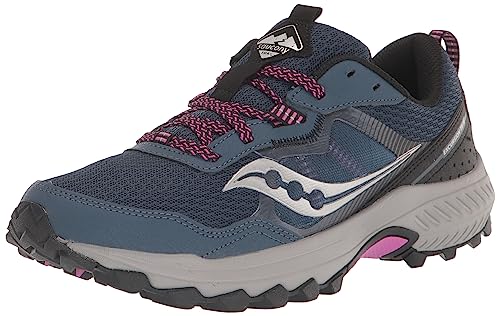
For shoes, trail runners work great for most day hikes. They are lighter and more comfortable than traditional hiking boots, and they dry faster if they get wet. Pair them with merino wool socks to prevent blisters. If you are building a travel capsule wardrobe, a good pair of trail shoes doubles as everyday walking shoes for trips.
Sun Protection and Skin Care on the Trail
Sunburn happens faster at elevation and when you are sweating. Apply SPF 30 or higher before you start hiking and reapply every two hours (more often if you are sweating heavily). A wide-brimmed hat or cap and UV-blocking sunglasses protect your face and eyes.
Lip balm with SPF is easy to forget but worth packing. Sunburned lips are painful and take days to heal. If you are hiking in buggy areas, bring insect repellent too.
What Daypack Size Is Best for Day Hiking?
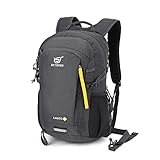
A 20 to 30 liter daypack fits everything you need for most day hikes without encouraging overpacking. Look for one with a hip belt (distributes weight off your shoulders), a hydration bladder sleeve, and external pockets for quick-access items like snacks and sunscreen.
Your pack should sit comfortably and not bounce when you walk. If you are buying a new one, try it on with weight inside at the store. A well-fitting daypack makes a bigger difference than most people expect.
Safety Essentials Every Day Hiker Should Carry
Beyond the first aid kit, there are a few safety items that weigh next to nothing but could matter a lot if something goes wrong. A headlamp (even for morning hikes, because delays happen), a whistle, and a small emergency blanket fit in any pack.
Always tell someone where you are going and when you expect to be back. Send them a screenshot of your trail map and your planned route. This is the simplest safety step and the one people skip most often. Staying active outdoors is one of the best healthy habits you can build, but being prepared keeps it safe.
Optional Gear That Makes Day Hikes Better
These are not essentials, but they improve the experience. Trekking poles reduce knee strain on steep descents and help with balance on rocky trails. A lightweight camp towel wipes away sweat and dries off after creek crossings. A small sit pad gives you a clean, dry spot for lunch breaks.
If you enjoy nature photography, a compact camera or a good phone mount keeps your phone stable for trail shots. And if you are hiking with a dog, bring extra water and a collapsible bowl for them too.
For those who love camping trips alongside day hikes, a lot of this gear overlaps, so you are already building a solid outdoor kit.
Complete Day Hike Packing Checklist
Here is the full checklist you can screenshot or save for your next hike:
Hydration: Water bottles or hydration bladder, water filter or purification tablets, electrolyte packets.
Food: Trail mix, energy bars, jerky, dried fruit, a sandwich or wrap for longer hikes.
Navigation: Phone with offline maps downloaded, portable charger, physical trail map for remote areas.
Clothing: Moisture-wicking base layer, insulating mid-layer, waterproof rain jacket, merino wool socks, trail runners or hiking shoes, hat and sunglasses.
Safety: First aid kit, headlamp with extra batteries, whistle, emergency blanket, sunscreen SPF 30+, lip balm with SPF, insect repellent.
Pack: 20-30 liter daypack with hip belt.
Optional: Trekking poles, camp towel, sit pad, camera or phone mount, dog water bowl.
Taking time to prepare your pack the night before means less stress in the morning and more time on the trail. Day hiking is one of the most accessible ways to spend time outdoors, and the right gear makes all the difference between a hike you want to repeat and one you want to forget. Prioritizing summer self-care means getting outside regularly, and a well-packed bag is what makes that easy.
Planning your next hiking adventure?
Stay on top of your savings with The Savings Tracker Planner — designed to help you reach your travel and adventure goals faster.
Frequently Asked Questions
How much water should I bring on a 5-mile hike?
Plan for about 1 liter per hour of hiking. A 5-mile hike usually takes 2 to 3 hours, so bring 2 to 3 liters. Add more in hot weather or on steep terrain.
Do I need hiking boots for a day hike?
Not necessarily. Trail runners work well for most day hikes and are lighter and more comfortable than boots. Save boots for multi-day backpacking trips or very rugged, rocky terrain.
What is the most commonly forgotten item on a day hike?
A headlamp. Most people skip it because they plan to finish before dark, but delays happen. A small headlamp weighs almost nothing and can save you from hiking out in the dark.
Should I bring a backpack or can I use a regular bag?
A proper daypack with a hip belt distributes weight much better than a regular backpack or tote. For hikes longer than an hour, a hiking-specific pack with a hydration sleeve and hip belt makes a noticeable difference in comfort.
Key Takeaways
- Bring at least 1 liter of water per hour of hiking and pack a water filter for longer trails.
- Avoid cotton clothing. Wear synthetic or merino wool layers that wick moisture and dry fast.
- Always carry a first aid kit, headlamp, and rain jacket, even on short or sunny hikes.
- Download offline maps before you leave and tell someone your planned route.
- A 20-30 liter daypack with a hip belt fits everything without encouraging overpacking.
Final Thoughts
A solid hiking checklist takes the stress out of trail days. Once you know exactly what to bring, you stop second-guessing and start enjoying the walk. Pack smart, layer well, and leave room in your bag for snacks you will definitely eat before the summit.