The fastest way to improve sleep quality is to lower your bedroom temperature to around 65°F, stop looking at screens at least 30 minutes before bed, and stick to the same wake-up time every single day. These changes work because they align with your body’s natural circadian rhythm, and you can start all of them tonight.
You already know sleep matters. Every health article, every podcast, every doctor visit circles back to it. But knowing you need better sleep and actually getting it are two completely different problems.
Maybe you lie in bed staring at the ceiling for an hour. Maybe you fall asleep fine but wake up at 3 a.m. with your brain running through tomorrow’s to-do list. Or maybe you get a full eight hours and still feel like you got hit by a truck. Whatever your version of bad sleep looks like, the fix probably isn’t as complicated as you think.
This guide breaks down exactly how to improve sleep quality using research-backed strategies you can put to work tonight. No expensive gadgets required, no complete life overhaul. Just practical shifts that actually move the needle on how well you rest.
Struggling to build a wellness routine that actually sticks?
The Self-Care & Wellness Planner helps you map out your daily habits, track your sleep patterns, and stay consistent without overthinking it. Get it here →
Recommended Sleep Products



Why Your Sleep Hygiene Matters More Than Sleep Duration
Most people fixate on the number of hours they sleep. And while duration matters, sleep quality is what determines whether you wake up feeling rested or wrecked. You could spend nine hours in bed and still feel exhausted if those hours are fragmented, light, or disrupted by poor conditions.
Sleep hygiene is the collection of habits and environmental factors that set you up for deep, uninterrupted rest. Think of it like dental hygiene: brushing your teeth once a month won’t cut it, and neither will sporadic sleep efforts. Consistency is the whole game.
Research from the CDC shows that roughly one in three adults don’t get enough quality sleep on a regular basis. The culprits are usually not mysterious medical conditions. They’re everyday choices: late-night scrolling, inconsistent bedtimes, caffeine too close to evening, and bedrooms that are too warm or too bright. If you’re working on building healthy habits that actually stick, sleep hygiene is the foundation everything else depends on.
How to Set Up Your Bedroom for Better Sleep
Your bedroom environment has a massive impact on how quickly you fall asleep and how deeply you stay there. A few targeted changes can transform a restless night into a solid one.
Temperature
Your body needs to drop its core temperature slightly to initiate sleep. The ideal bedroom temperature for most people falls between 60 and 67°F (15.5 to 19.4°C). If your room runs warm, try lowering the thermostat by just one degree every couple of nights until you find your sweet spot. A fan can help with both temperature and ambient noise.
Light Control
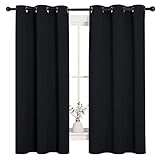
Even small amounts of light can suppress melatonin production and delay sleep onset. Blackout curtains or a good sleep mask make a noticeable difference, especially if you live in an area with streetlights or early sunrises. If you’re interested in creating a cozy, sleep-friendly space, cottagecore bedroom ideas offer some lovely inspiration that doubles as functional design.
Sound
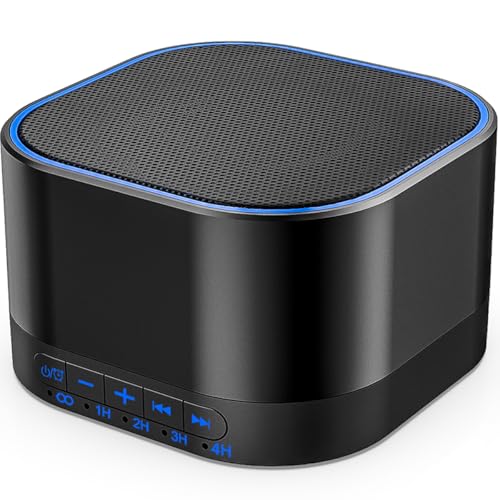
Sudden noises are one of the biggest sleep disruptors, and they don’t always wake you fully. Sometimes they just pull you out of deep sleep into a lighter stage. White noise machines, fans, or even a simple phone app with brown noise can mask those interruptions. Earplugs work well too, though some people find them uncomfortable over time.
Mattress and Pillows
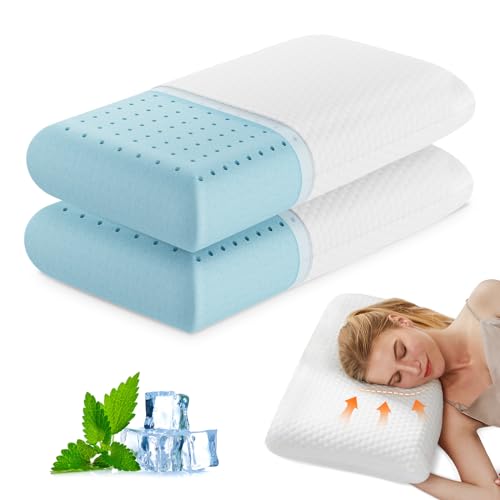
If your mattress is older than eight years or your pillow has gone flat, they could be contributing to poor sleep more than you realize. You don’t need to spend thousands here. A supportive mattress topper or a new pillow designed for your sleeping position (side, back, or stomach) can make a real difference for under $100.
Build an Evening Routine That Signals Sleep
Your brain doesn’t have an off switch. It needs a transition period between “go mode” and sleep. An evening wind-down routine gives your nervous system that signal, and it doesn’t need to be elaborate.
Start by setting a “screens off” time 30 to 60 minutes before you want to be asleep. Blue light from phones, tablets, and laptops suppresses melatonin production, the hormone your body uses to regulate its sleep-wake cycle. Even with night mode filters, the mental stimulation from scrolling keeps your brain in alert mode.
Fill that screen-free window with activities that naturally relax you. Reading a physical book, gentle stretching, journaling, or just sitting with a cup of herbal tea all work. The specific activity matters less than the consistency. Your brain starts to associate these cues with “it’s almost bedtime,” and over a couple of weeks, falling asleep gets noticeably easier. For a deeper dive into building this habit, check out these evening routine ideas that actually improve sleep.
One counterintuitive tip: if you can’t fall asleep within 20 minutes, get up. Leave the bedroom and do something calm until you feel genuinely drowsy. Lying in bed frustrated trains your brain to associate the bed with wakefulness, which is the opposite of what you want.
What to Eat and Drink (and What to Skip) for Better Sleep
What you consume during the day and especially in the evening directly affects how well you sleep. The relationship between diet and sleep quality goes both ways: poor sleep leads to worse food choices, and poor food choices lead to worse sleep.
Caffeine Has a Longer Half-Life Than You Think
Caffeine’s half-life is roughly five to six hours. That means if you drink coffee at 3 p.m., about half that caffeine is still circulating in your system at 9 p.m. For some people, even a 2 p.m. cutoff isn’t early enough. If you’re struggling with falling asleep, try moving your last caffeinated drink to before noon for two weeks and see what happens.
Alcohol Is Not a Sleep Aid
A glass of wine might make you feel drowsy, but alcohol fragments your sleep cycles later in the night. It reduces REM sleep (the restorative stage linked to memory and emotional processing) and increases nighttime awakenings. If you drink, try finishing at least four hours before bed.
Foods That Support Sleep
Tryptophan-rich foods like turkey, nuts, seeds, and dairy can support melatonin production. Magnesium-rich foods (dark leafy greens, almonds, bananas) also help with muscle relaxation and sleep onset. Tart cherry juice is one of the few foods with naturally occurring melatonin, and some small studies show it modestly improves sleep duration. If you’re rethinking your overall approach to wellness, these self care ideas pair well with a sleep-focused overhaul.
Fix Your Sleep Schedule (Even If You’re a Night Owl)
The single most impactful thing you can do for your sleep is wake up at the same time every day. Yes, weekends included. Your circadian rhythm, the internal clock that regulates sleepiness and alertness, thrives on consistency. Every time you sleep in two extra hours on Saturday, you’re essentially giving yourself jet lag.
If your current sleep schedule is way off from where you want it, don’t try to shift it all at once. Move your bedtime earlier by 15 to 20 minutes every few days until you reach your target. Pair this with bright light exposure in the morning (natural sunlight is best) and dim lighting in the evening. Your body will adjust, but it needs time and patience.
Night owls have a real biological tendency toward later sleep times, and fighting it completely may not be realistic. But even shifting your schedule by 30 to 45 minutes earlier can produce noticeable improvements in daytime energy and cognitive function.
Daytime Habits That Make or Break Your Sleep Tonight
Sleep quality isn’t just determined by what you do at bedtime. Your daytime habits lay the groundwork hours before your head hits the pillow.
Regular exercise is one of the strongest sleep promoters available. Even 20 to 30 minutes of moderate activity (a brisk walk counts) can improve sleep onset and depth. The timing matters though: intense exercise within two hours of bedtime can actually make it harder to fall asleep because it raises your core body temperature and stimulates your nervous system.
Want a simple system for tracking your daily habits and savings goals?
The Ultimate Budget Planner keeps everything from sleep tracking to monthly budgeting in one place, so you can finally stop juggling spreadsheets. Get it here →
Morning sunlight exposure is underrated as a sleep tool. Getting 10 to 15 minutes of natural light within the first hour of waking helps anchor your circadian rhythm, making you naturally sleepier at the right time later that night. This is especially useful during winter months when daylight is limited. If you’re building a solid self care plan that actually fits your life, morning light and daily movement are two of the highest-return habits to include.
Naps can be helpful or harmful depending on when and how long. Keep them under 20 minutes and before 3 p.m. Anything longer or later risks interfering with your nighttime sleep drive.
Frequently Asked Questions
How long does it take to improve sleep quality?
Most people notice a difference within one to two weeks of consistent changes. Some improvements, like lowering your bedroom temperature or cutting late caffeine, can produce results the very first night. Sleep schedule adjustments take longer because your circadian rhythm needs time to recalibrate.
Does melatonin actually help with sleep?
Melatonin supplements can help with timing your sleep, particularly for jet lag or shift work. But they’re not a powerful sedative and won’t fix poor sleep hygiene. Start with a low dose (0.5 to 1 mg) about 30 minutes before bed. Higher doses don’t necessarily work better and can leave you groggy the next morning.
Is it bad to use your phone as a white noise machine?
Using your phone for white noise is fine as long as you put it face down or on airplane mode to avoid notification disruptions. The issue with phones in the bedroom is typically the temptation to scroll, not the device itself. A dedicated white noise machine eliminates that temptation entirely.
What should I do if I wake up in the middle of the night?
Avoid checking the clock. Clock-watching increases anxiety about lost sleep, which makes falling back asleep harder. If you’re awake for more than 15 to 20 minutes, get up and do something calm in low light. Return to bed only when you feel sleepy again.
Can improving sleep help with weight management?
Yes. Poor sleep disrupts hormones that regulate hunger (ghrelin and leptin), leading to increased appetite and cravings for high-calorie foods. Studies consistently show that people who sleep seven to eight hours maintain healthier weight more easily than those sleeping less than six.
Key Takeaways
- Bedroom temperature between 60 and 67°F creates the ideal conditions for deep sleep.
- A consistent wake-up time (even on weekends) is the single most effective sleep schedule fix.
- Cut caffeine before noon and finish alcohol at least four hours before bed for noticeably better rest.
- A 30 to 60 minute screen-free wind-down routine signals your brain to transition into sleep mode.
- Morning sunlight exposure for 10 to 15 minutes helps anchor your circadian rhythm and improves nighttime sleepiness.
- If you can’t fall asleep within 20 minutes, leave the bed and return only when you feel genuinely drowsy.
Final Thoughts
Better sleep isn’t about buying the right pillow or downloading the perfect app. It’s about aligning your habits, your environment, and your schedule with how your body actually works. The changes don’t need to be dramatic. Pick two or three things from this guide, commit to them for two weeks, and pay attention to what shifts.
You don’t have to overhaul your entire life to improve sleep quality. You just have to stop fighting your biology and start working with it. Tonight is a perfectly good time to begin.