The best new year self-care ideas are the ones that fit into your actual schedule, not a fantasy version of your life. Start with one or two low-effort rituals like a 10-minute morning routine or a weekly phone-free evening and build from there. Self-care that works in real life is quiet, consistent, and flexible enough to survive a bad week.
Self-care has an image problem. Somewhere between the spa day Instagram posts and the elaborate morning routines with 14 steps and a gratitude journal, the actual point got lost. Self-care is not an aesthetic. It is not a reward you earn after burning out. It is the boring, daily practice of treating yourself like someone worth taking care of.
I spent years believing self-care meant bubble baths and face masks, and I could never understand why those things felt like another item on my to-do list rather than actual relief. The shift happened when I stopped looking for special occasions to practice self-care and started weaving it into the ordinary shape of my days.
If your new year self-care plan needs a free Saturday and a $200 budget, it is not a plan. It is a fantasy. Here are the ideas that work when life is messy, busy, and decidedly unglamorous.
Ready to build a self-care routine that sticks? The Self-Care & Wellness Planner gives you a simple framework for tracking what actually works for your body and mind.
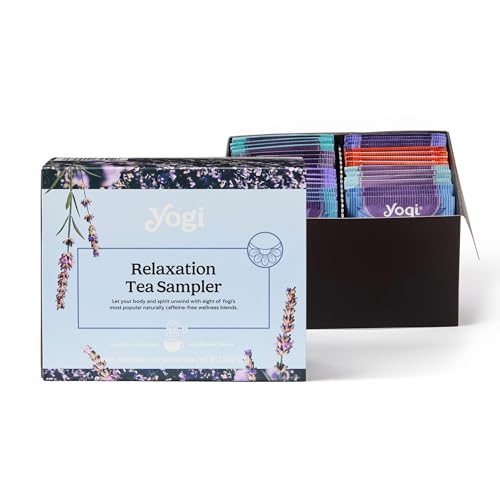
Recommended Products for Your Self-Care Routine



What Does Self-Care Actually Mean in Practice?
Self-care, stripped of the marketing, is any deliberate action you take to support your physical, mental, or emotional health. That definition is broad on purpose. For one person it might mean going to therapy every two weeks. For another it means actually eating lunch instead of working through it. The common thread is intention.
The wellness industry has complicated this by packaging self-care as consumption. Buy this candle. Book this retreat. Subscribe to this app. Those things are fine, but they are not the foundation. The foundation is the daily, free stuff that most people skip because it does not feel exciting enough to count.
Going to bed on time is self-care. Saying no to a dinner you do not want to attend is self-care. Drinking water instead of your fourth coffee is self-care. These are not glamorous, and that is exactly why they work. They do not require special circumstances. They just require you to choose yourself in small, repeated moments.
What Are Simple Morning Self-Care Ideas?
Your morning sets the emotional temperature for the rest of your day. That does not mean you need to wake up at 5 AM and follow a rigid sequence of journaling, meditation, cold plunges, and green smoothies. It means giving yourself 10 to 15 minutes of intentional space before the demands start.
Delay Your Phone by 20 Minutes
The single most impactful morning self-care practice costs nothing and takes no extra time. Just do not touch your phone for the first 20 minutes after waking up. No emails, no news, no social media. Let your brain ease into the day on its own terms rather than immediately absorbing other people’s agendas and anxieties.
Five Minutes of Stretching
Not yoga. Not a workout. Just gentle stretching while your coffee brews. Neck rolls, shoulder shrugs, a forward fold, some hip circles. Five minutes of movement first thing in the morning releases tension that accumulated during sleep and signals to your nervous system that the day is starting gently.
Write Down One Intention
Not a to-do list. One intention. “Today I want to feel calm.” “Today I will not rush.” “Today I will take my full lunch break.” One sentence gives your brain a filter for decision-making throughout the day without the pressure of an elaborate journaling practice.
What Are Realistic Evening Self-Care Ideas?
Evenings are where most self-care attempts fall apart because you are tired, your willpower is depleted, and the couch is calling. The trick is building rituals that feel like relief rather than obligation.
Create a Hard Stop for Work
Pick a time and close the laptop. Not “after this one last email.” Not “once I finish this task.” At the time you chose. A hard stop protects your evening from the slow creep of work that eats into rest, connection, and everything else that makes life worth the effort. If you struggle with improving your sleep, this single boundary can change everything.
A Phone-Free Hour Before Bed
Replace scrolling with something that does not stimulate your brain. Read a book. Do a crossword puzzle. Talk to the person you live with. Listen to music. The blue light argument is valid, but the real issue is that doom-scrolling activates your stress response right when your body should be winding down.
Prepare Tomorrow Tonight
Lay out your clothes. Pack your bag. Decide what you are eating for lunch. These small acts of preparation are deeply calming because they reduce the number of decisions waiting for you in the morning. Future you will be grateful, and present you gets the satisfaction of feeling organized without actually being a naturally organized person.
What Weekly Self-Care Rituals Make the Biggest Difference?
Daily habits are the foundation, but weekly rituals give you something to look forward to. These are the slightly larger investments of time and energy that prevent the slow accumulation of stress.
Schedule One Activity That Is Just for You
Not productive. Not social. Not an errand disguised as “me time.” One activity per week that exists purely because you enjoy it. A solo walk in the park. An hour with a novel in a coffee shop. Cooking a recipe you have been wanting to try. This is the appointment you are least likely to keep, which is exactly why it matters most.
A Sunday Reset
Spend 30 to 60 minutes on Sunday doing light tidying, meal planning for the week, and reviewing your calendar. This is not deep cleaning or extensive prep. It is a gentle reset that clears physical and mental space for the week ahead. The calm of a tidy space and a rough plan does more for your mental health than most things you can buy.
A Social Media Audit
Once a week, unfollow or mute accounts that make you feel worse after viewing their content. This is not dramatic or petty. It is curation. Your feed should leave you feeling inspired, informed, or entertained. If it consistently triggers comparison, anxiety, or inadequacy, that is not a feed problem. That is a boundary problem, and you are the one who gets to fix it.
How Do You Practice Self-Care When You Have No Time?
“I do not have time for self-care” is the most common objection and it is almost always a framing issue. You do not need extra time. You need to reclaim the time you are already spending on things that drain you.
Look at your screen time report. Most people spend two to four hours daily on their phone. You do not need to eliminate that, but redirecting even 15 minutes of mindless scrolling toward something intentional is a net positive that requires zero additional time in your day.
Self-care also lives inside things you are already doing. Playing music while you cook. Taking a slightly longer route on your commute because the scenery is better. Eating lunch away from your desk. Doing micro habits that attach to existing routines. These are not time investments. They are quality upgrades to time you are already spending.
The biggest time reclamation comes from learning to say no. Every obligation you decline creates space. Every event you skip because you genuinely need rest is self-care in action, even if it does not look like the version you see online.
Why Is Emotional Self-Care So Often Overlooked?
Most self-care content focuses on the physical: skincare routines, fitness goals, nutrition plans. But emotional self-care is what keeps you from burning out even when everything on the surface looks fine.
Emotional self-care means allowing yourself to feel frustrated without immediately trying to fix it. It means recognizing when you are people-pleasing and choosing honesty instead. It means forgiving yourself for a bad day without turning it into evidence that you are a bad person.
One practical approach is a weekly emotion check-in. Sit down for five minutes and ask yourself what you felt most this week. Anxious? Resentful? Content? Rushed? Naming the emotion gives you information about what needs to change. If you keep feeling resentful, maybe you need better boundaries. If you keep feeling rushed, maybe you need to drop a commitment. The feeling is data, and redefining what success looks like can be part of that process.
Managing your budget is self-care too. The Ultimate Budget Planner takes the stress out of money management so you can spend less energy worrying and more energy living.
Frequently Asked Questions
Is self-care selfish?
No. Self-care is what allows you to show up for other people without depleting yourself. You cannot pour from an empty cup, and taking time to refill is responsible, not selfish. The people in your life benefit when you are rested, regulated, and not running on fumes.
How much time should I spend on self-care daily?
Even 10 to 15 minutes of intentional self-care daily makes a measurable difference. The key is consistency rather than duration. A short daily practice outperforms an occasional long one every time.
What if self-care feels like another chore?
That usually means the activities you have chosen do not actually resonate with you. Self-care should feel like relief, not obligation. Experiment with different practices until you find the ones that genuinely make you feel better, even if they look nothing like what you see online.
Can self-care help with anxiety?
Consistent self-care practices like regular sleep, movement, journaling, and boundary-setting have been shown to reduce anxiety symptoms. They work by regulating your nervous system over time. Self-care is not a replacement for professional help when needed, but it is a strong complement to it.
Do I need to spend money on self-care?
The most effective self-care practices are free: sleep, hydration, movement, saying no, spending time outdoors, and connecting with people you love. Products and services can enhance your routine, but they are never the foundation.
Key Takeaways
- Self-care is daily maintenance, not an occasional treat or reward for burnout
- Morning and evening rituals do not need to be elaborate to be effective
- The biggest time gains come from saying no and reclaiming phone screen time
- Emotional self-care (naming feelings, setting boundaries) prevents invisible burnout
- Weekly rituals like a Sunday reset and a solo activity create structure without rigidity
- The best self-care ideas are free, simple, and flexible enough to survive a bad week
Final Thoughts
Self-care that fits into real life does not look like a wellness retreat. It looks like going to bed when you are tired instead of watching another episode. It looks like drinking water, stretching for five minutes, and letting go of things that no longer serve you.
Pick one idea from this list and try it for a week. Just one. The goal is not to overhaul your life in January. The goal is to start treating yourself with the same care you extend to everyone else. That is enough. That has always been enough.