Iceland in May is one of the best times to visit. The island is waking up from winter: waterfalls are thundering with snowmelt, puffins are returning to the cliffs, the days are stretching toward 20 hours of light, and the tourist crowds haven’t yet hit their July peak. You get dramatic scenery, manageable prices, and a terrain that genuinely feels alive in a way it doesn’t in mid-winter darkness.
May sits in that perfect transitional window when Iceland’s most dramatic features are performing at full capacity. The Skógafoss and Seljalandsfoss waterfalls are raging with meltwater. The highland roads are starting to open toward the end of the month. Whale watching season is underway in Húsavík. And the Northern Lights, while no longer visible thanks to the lengthening daylight, are replaced by something arguably more useful: enough light to hike until 11pm without a headlamp.
It’s also worth noting that May is still shoulder season by Icelandic standards. Accommodation prices haven’t hit their July and August peaks, popular sites like the Golden Circle are busy but not overwhelming, and the overall atmosphere is more adventurous and less Instagram-managed than the summer high season. Planning a different time of year? Read our guide to Iceland in March for a comparison. Iceland is also one of our picks for the top European destinations for nature lovers, and May is when that reputation is most deserved.
✈️ Iceland is one of Europe’s most expensive destinations. A proper budget before you book will save you from sticker shock at the petrol station and the grocery store. The Ultimate Budget Planner helps you plan every line item before you land.

Recommended Iceland Packing Essentials




What Should You Do at the Golden Circle in May?
The Golden Circle covers the three most visited sites in Iceland within a single 300-kilometer loop from Reykjavik: Þingvellir National Park, the Geysir geothermal area, and Gullfoss waterfall. In May, all three are operating without the ice and limited daylight of winter, and the terrain is green enough to see why Iceland earned its name rather than Greenland’s. For a broader look at where Iceland fits in European travel planning, see our roundup of the best places to visit in Europe.
Þingvellir is where the American and Eurasian tectonic plates meet at the surface, creating a rift valley you can walk through. The Almannagjá gorge is remarkable in its scale and its geological frankness: this is what the earth looks like when it’s actively pulling itself apart. The site is also historically significant as the location of Iceland’s original parliament, established in 930 AD. For more spring travel ideas across the continent, see our full guide to spring destinations in Europe.
What Are the Best South Coast Attractions in Iceland in May?
The South Coast in May is at its most dramatic. Seljalandsfoss, the waterfall you can walk behind, is running at full volume from snowmelt, and the path behind the curtain of water is open and accessible. Skógafoss, a few kilometers east, falls 60 meters and creates a permanent mist cloud at its base that produces rainbows on bright days. Both are within a short drive of each other and can be combined in a single morning.
Reynisfjara black sand beach near Vík is one of the most striking stretches of coastline in Europe. The hexagonal basalt columns rising from the shore, the sea stacks of Reynisdrangar visible offshore, and the waves that come in with unpredictable force make it simultaneously beautiful and requiring of genuine attention. The sneaker waves at Reynisfjara are not a myth; stay well back from the waterline.
Where Can You See Puffins and Whales in Iceland in May?
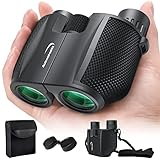
Puffins return to Iceland’s cliffs in early May, making it one of the earliest points in the year to see them reliably. The cliffs at Dyrhólaey, near Vík, and Látrabjarg in the Westfjords hold large colonies. The birds are comically unafraid of people and will sit within arm’s reach if you approach slowly. Bring binoculars for the full effect, though honestly they’re visible with the naked eye at any good colony.
Whale watching from Húsavík on the north coast has a strong reputation for May sightings. Humpback whales and minke whales are commonly spotted. The town is also the self-proclaimed whale watching capital of Europe, which is a bold claim but not an entirely unreasonable one. Getting to Húsavík from the south coast requires either a flight from Reykjavik or a full day’s driving, so plan it as a dedicated overnight trip rather than a day excursion.
What Are the Best Practical Tips for Visiting Iceland in May?
Pack for all four seasons in a single day. May in Iceland means morning frost, afternoon sunshine, sudden hail squalls, and brilliant evening light within the same 24 hours. Layering is not optional; it’s the fundamental strategy for staying comfortable. A waterproof outer layer, thermal base layers, and good hiking boots cover most situations the weather will throw at you. For packing light, our travel capsule wardrobe guide will save you space. You can also check Visit Iceland for up-to-date seasonal travel information.
Rent a car. Iceland’s public transport system is not designed for seeing the country efficiently, and many of the best sites on the South Coast and the Golden Circle are either inaccessible by bus or require timed tours that limit flexibility. A 4WD is not necessary for the Ring Road or the South Coast in May, though the highland roads that open in late May do require it. Book accommodation and the Blue Lagoon well in advance since both fill quickly even in shoulder season.
💰 Iceland trips require serious savings discipline. The Savings Tracker’s Planner makes it easy to build your Iceland fund over months so you arrive with the budget to actually enjoy one of the world’s most expensive and spectacular destinations.
FAQ About Iceland in May
Is May a good time to visit Iceland?
Yes, it’s one of the best months. You get long daylight hours, peak waterfall volumes from snowmelt, returning wildlife including puffins and whales, and shoulder-season prices and crowd levels. The only things missing compared to summer are the highland road access and the midnight sun, which arrives in June. The extra daylight is a genuine game-changer . you can hike until 10pm and still have light to see what you’re doing. Sunset photography in May produces some of the most dramatic golden-hour shots you’ll get anywhere in Europe, with the low-angle light lasting for hours rather than minutes.
Can you see the Northern Lights in Iceland in May?
No. The days are too long by May for the sky to get dark enough to see the aurora borealis. If Northern Lights are your primary reason for visiting, September through March is the window. May offers something different in return: the peculiar and genuinely magical experience of hiking through dramatic landscapes in full daylight at 10pm. September through March gives you the best northern lights window in Iceland. If seeing the aurora is your main reason for visiting, shift your trip to late autumn or winter and plan around dark sky forecasts.
How cold is Iceland in May?
Average temperatures in Reykjavik in May range from 4 to 12 degrees Celsius. Away from the city, temperatures can drop below freezing at higher elevations even in late May. Wind chill makes it feel significantly colder than the thermometer suggests. Packing for cold and wet conditions is essential, even if you end up not needing every layer on a warm day. Pack wind-resistant and waterproof layers regardless of the forecast. Icelandic weather changes fast and a sunny morning can turn cold and wet by afternoon, especially in the highlands and along the south coast.
Is Iceland expensive in May?
Iceland is expensive in every month, but May sits in shoulder season pricing compared to July and August. Expect to pay significant amounts for accommodation, car rental, activities, and food. Self-catering through supermarkets and choosing guesthouses over hotels helps manage costs. Booking flights and accommodation several months in advance locks in better rates before demand peaks. Eating out and car hire are the two biggest costs to plan for. Cooking some meals yourself at your accommodation and booking your rental car well in advance will cut your daily spend significantly.
Key Takeaways
- May is one of Iceland’s best months with long daylight hours, peak waterfalls, and puffins returning to the cliffs
- The Golden Circle and South Coast are at their most dramatic with snowmelt-fed waterfalls running at full volume
- Pack for all four seasons in a single day: layering and waterproof gear are non-negotiable
- Northern Lights are not visible in May due to the long days; the extended daylight is the tradeoff
- Rent a car and book accommodation well in advance, even in shoulder season
Is Iceland Worth Visiting in May?
Iceland in May hits a sweet spot that few travel destinations manage: genuinely spectacular without the crowds that arrive in summer, and just warm enough to enjoy the outdoors fully. The waterfalls, the puffins, the tectonic terrain, and the endless light make a compelling combination. Pack properly, book early, budget honestly, and Iceland in May will give you one of the more extraordinary weeks available in European travel.