Here is a comprehensive list of interesting facts about Denmark every traveler should know.
Every traveler who wishes to try something different and explore new frontiers should visit Denmark. It’s a paradise for all sorts of adventure junkies, cultural explorers, hiking enthusiasts, religious devotees, and art lovers. There is just an endless array of attractions to see in this small but varied country.
To help tourists plan a meaningful itinerary, we prepared the following list of facts about Denmark. These facts capture what this country is all about and what every traveler should expect.
Denmark is a country of both extremes and commonalities. Every bit of its people, culture, history, and natural settings exemplify models beyond words.
Get to know more about the country with these facts. In that way, visitors will have a better rapport with the Danes and share fond memories with them. Here they are.
10 Interesting Facts about Denmark every Traveler Should Know
One of the World’s Happiest Countries
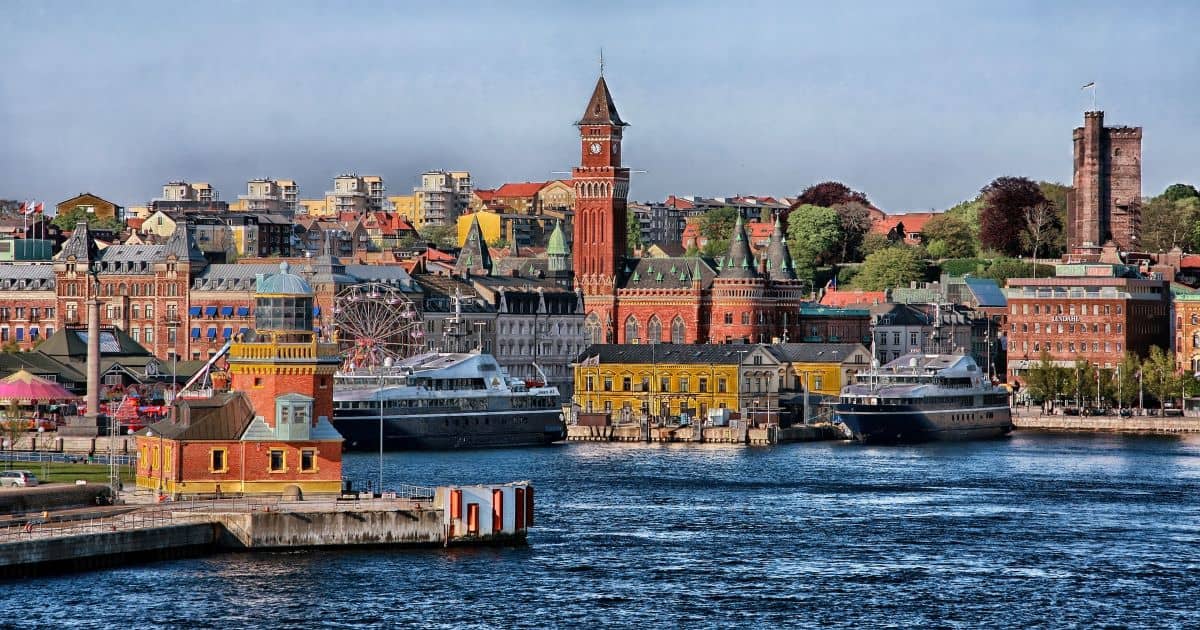
The UN World Happiness Report consistently ranks Denmark as one of the world’s happiest countries in various categories.
There are several reasons why they continue to receive such global recognition. One of which is the social program of the government geared at satisfying every facet of Danish personhood.
The Danes don’t Use “Please.”
Don’t think the Danes are impatient or rude when they don’t use the word “please” when asking for favors. Here is what people should know. “Please” is not a part of the Danish language, and there is no direct translation.
Again, that does not mean that they are disrespectful or lacking in manners. They have their own language for those. This is one of the best fun facts about Denmark.
World’s Oldest Flag
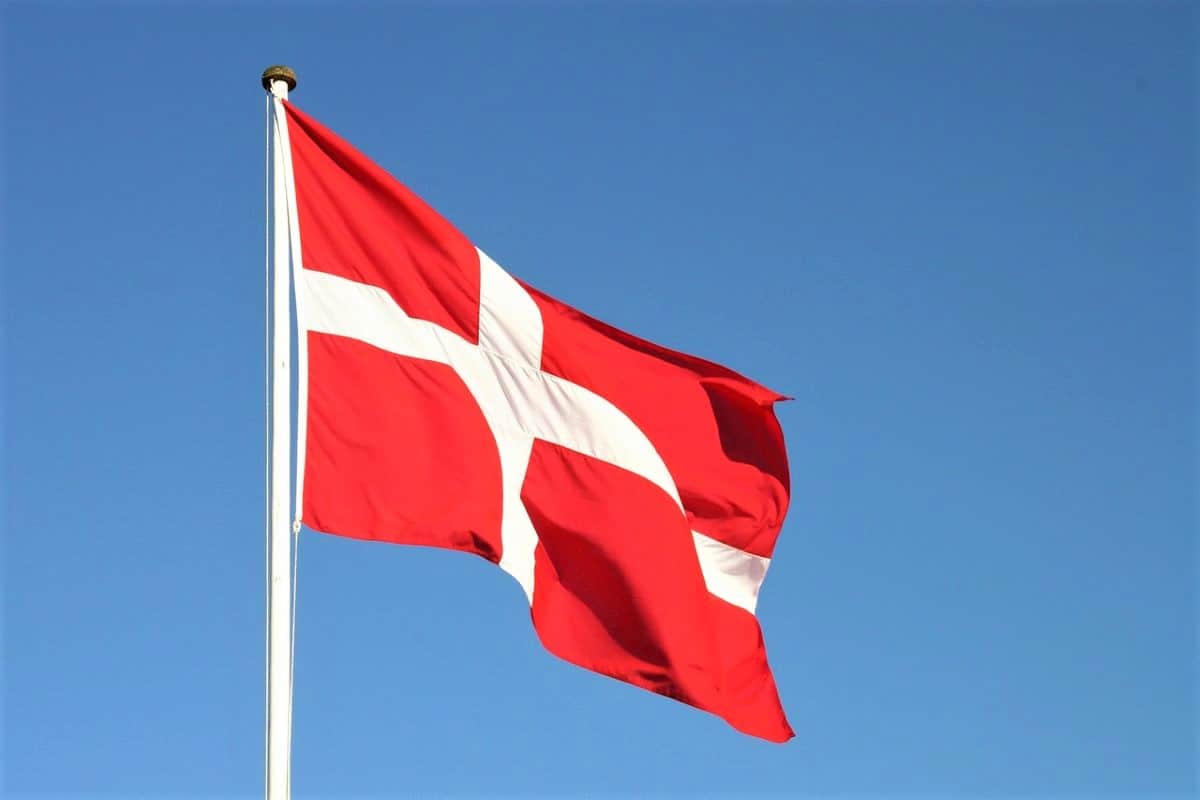
The Danish flag called “Dannebrog” is considered as the oldest state flag in the world. It was first acknowledged in 1219, and until today, it is used by the country.
The flag spells the more than 800 years of Denmark’s officially documented existence. And yearly, the local’s stage celebrations and activities in honor of Denmark’s founding.
Hygge as an indicator to the cozy feeling of togetherness
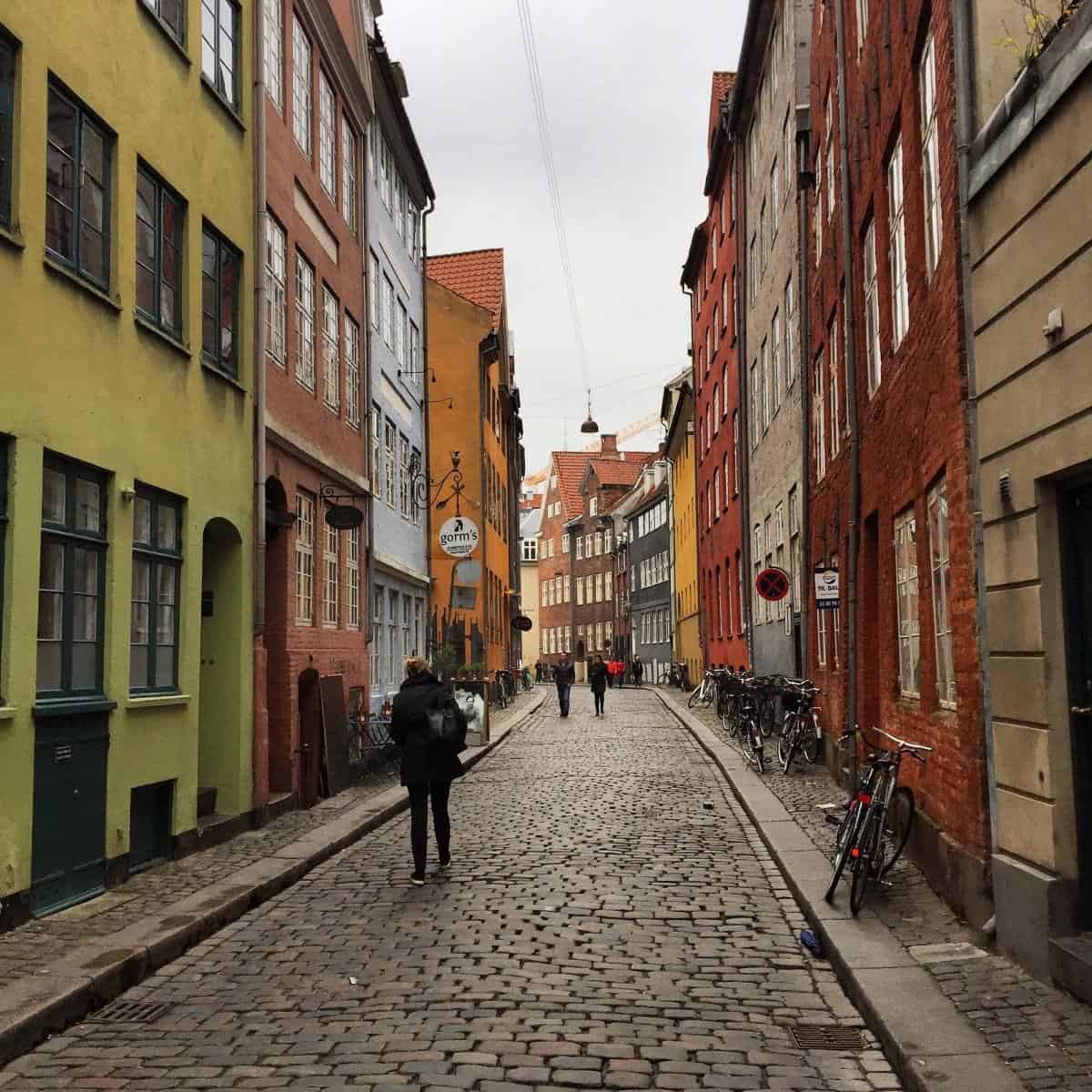
What word in the local language illuminates the Danish soul? It’s called Hygge, which essentially portrays intimate get-togethers with family and friends and meaningful social gatherings. One can experience warm atmospheres and a feeling of wellbeing with hygge around.
Tourists strolling around the streets of Copenhagen will surely have a feel of hygge. Navigate your way across cobbled and narrow streets dating back centuries ago. These streets provide visitors with an intimate walking experience next to vintage boutiques, colorful houses, and small coffee shops.
Danish pastry roots from Vienna
The famous Danish pastries actually originated from Vienna, the capital of Austria. It was a group of Austrian bakers who introduced these pastries to Denmark in 1840.
That is why locals refer to the Danish pastry as “wienerbrod” or “Viannese bread.” But here is the catch. It’s worth keeping this origin as a secret, especially that the Danes have been incorporating innovations. This is one of the most interesting facts about Denmark.

Biking is Everywhere
Denmark is one of the few countries in the world with a general biking culture. After all, the country is generally flat, so biking is a popular activity among the Danes of different ages.
Ardent adventurers can dare themselves navigating the more than 12,000km of cycle tracks and lanes across the country. Even during the winter, biking remains a popular respite. It is a generally safe and respected way to travel in Denmark.
50% of Copenhageners use bike to and from work
More than 50% of Copenhageners cycle their way to and from work, promoting carbon emission reduction. Every day, they cycle an average of three kilometers! Cycling is one of the primary reasons why the country is eco-friendly, and people are healthier.
Three additional letters in the Danish alphabet
Many find it challenging to learn the Danish language due to a bunch of complicated pronunciation and silent letters. One needs intensive sessions or interactions with the locals to learn the language and how it is properly spoken slowly. Here are three letters in the Danish alphabet which one cannot find in the English alphabet: Æ, Ø, and Å.
A country of some weird traditions
For modern culture, the Danish traditions may seem rather peculiar, but they are, in fact, lasting testimonies of their rich heritage.
Among these weird traditions are burning a witch on a bonfire during the midsummer’s eve at Sankt Hans; and batting at a black cat in a barrel during the annual “fastelavn” carnival.
But don’t worry. The craziness has been toned down. So instead of living black cats, the locals use cut out versions. And instead of witches, the locals burn doll versions.
Denmark hosts the two oldest amusements parks in the world
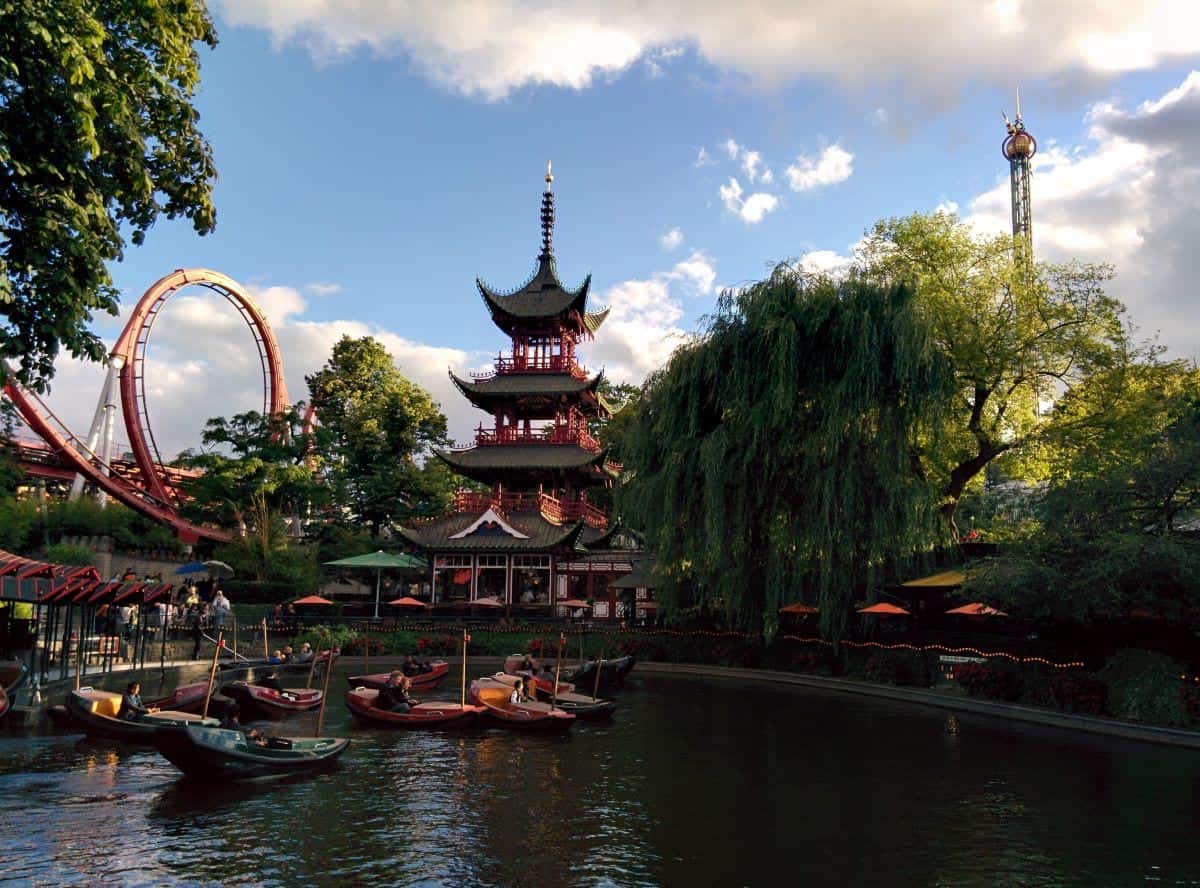
Denmark hosts Bakken, the oldest amusement park in the world, and the Tivoli Gardens, the second oldest. It takes 20 minutes of train ride from Copenhagen Central station to reach Bakken while the Tivoli Gardens lies on the opposite side.
Have a whole day of fun and exploration when visiting these amusement parks. This is one of the Copenhagen facts on travel to know.
So those are just some of the interesting facts about Denmark every traveler should know. It helps to have an awareness of what makes the country unique. With these facts, you’ll know that Denmark indeed offers vast opportunities for unique travel experiences.