The best things to do in Budapest pair Buda Castle and Fisherman’s Bastion with Pest landmarks like Parliament and St. Stephen’s Basilica, soaks at Széchenyi Thermal Bath, and ruin bar nights at Szimpla Kert. Plan 3 to 4 days for a first visit.
Budapest is two cities in one. Buda, the hilly older half on the west bank of the Danube, has the castle, medieval quarter, and the panoramic views. Pest, the flat younger half on the east bank, has the Parliament, the wide Andrássy boulevard, and the ruin bars. The Danube divides them, and 7 bridges connect them, including the Chain Bridge that became the symbol of the unified city in 1873.
This guide covers the top 18 things to do in Budapest, splitting Buda from Pest, comparing the major thermal baths, walking through the ruin bar scene, and adding two day trips. Plan 3 to 4 days; Budapest rewards slowness more than speed.
Best Hotels in Budapest by District
The best base for a first trip is Pest District V or VI (Lipótváros or Terézváros), both walking distance to Parliament, St. Stephen’s Basilica, and the major attractions. Buda is quieter but means you cross the river daily. Cross-Danube views matter; pick a hotel that faces the river or the castle if you can.
- Four Seasons Hotel Gresham Palace Budapest – riverside Art Nouveau landmark with Chain Bridge views.
- Aria Hotel Budapest – music-themed luxury near St. Stephen’s Basilica with rooftop bar.
- Hotel Moments Budapest – mid-range boutique on Andrássy Avenue with classic Hungarian style.
- Hotel Erzsébet City Center – budget central Pest pick with reliable amenities.
- Buddha-Bar Hotel Budapest Klotild Palace – design hotel near Chain Bridge with Asian-fusion lobby bar.
Top Tours to Book in Budapest
Budapest tours are reasonably priced compared to other European capitals and add real depth, especially for the Buda hill walk and ruin bar scene. Thermal baths get crowded in summer and on weekends; pre-booking your Széchenyi entry saves a 30 to 60 minute line.
- Buda Castle and Fisherman’s Bastion guided walking tour – 2-hour Buda hill walk with castle history.
- Széchenyi Thermal Bath full-day pass – pre-booked entry to the iconic yellow Neo-Baroque spa.
- Danube River dinner cruise – Parliament and Buda Castle illuminated night cruise with Hungarian dinner.
- Budapest ruin bar pub crawl – Szimpla Kert plus 3 more ruin bars guided with welcome drinks.
- Eger and Hollókő day trip from Budapest – wine country plus UNESCO Palóc village in one day.
Recommended Budapest Travel Essentials
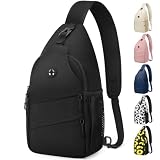
Budapest mixes long walking days with thermal bath swimming, summer rooftop bars, and cobblestone hills in Buda. These five basics make the difference for a comfortable trip across both halves of the city.





Recommended blogs to read:
- Best food in Budapest, Hungary worth seeking out
- Budapest itinerary for first-time visitors
- Day trips from Budapest, Hungary worth taking
- Where to stay in Budapest, Hungary by district
- Best cities in Europe to visit on your next trip
Top 18 Things to Do in Budapest, Hungary
1. Tour Buda Castle (Royal Palace)
Buda Castle is the historic royal palace on the Buda hill, a UNESCO World Heritage Site that combines a 13th-century foundation with 18th-century Baroque rebuilding. Today it houses the Hungarian National Gallery and the Budapest History Museum. The funicular up to the castle from Clark Ádám Square is a small ride but iconic.
Free to walk the grounds; museum tickets separate. Allow 2 to 3 hours for the castle area plus walking to Fisherman’s Bastion.
Recommended read: Castles in Hungary worth visiting beyond Budapest
2. Climb Fisherman’s Bastion for Pest Views
Fisherman’s Bastion is the white fairy-tale terrace on Buda hill, with seven turrets representing the seven Magyar tribes that founded Hungary in 895. The free panoramic terrace gives the best views of the Hungarian Parliament across the Danube. The upper paid terrace adds drinks at a small cafe.
Best photographed at sunrise (no crowds) or just after sunset (Parliament lit). Free entry to the lower terraces.
3. Visit Matthias Church
Matthias Church sits at the heart of Buda Castle hill and dates from the 14th century, with a distinctive multicolored ceramic-tile roof and frescoed interior. Two Hungarian kings were crowned here, and Franz Joseph I and Empress Sisi held their Hungarian coronation in 1867.
Pair with Fisherman’s Bastion (next door). Closes for ceremonies; check ahead.
4. Walk the Chain Bridge at Night
The Chain Bridge (Széchenyi lánchíd) was the first permanent bridge across the Danube when it opened in 1849, and remains the iconic symbol of unified Buda and Pest. Lit at night with the castle behind, it is the most photographed structure in Budapest.
Free, walkable any time. The promenade on either bank stretches the full length for sunset.
5. Tour the Hungarian Parliament Building
The Hungarian Parliament is the third-largest parliament building in the world, with 691 rooms and an interior decorated with 88 pounds of gold leaf. Guided tours include the Hungarian Crown Jewels and the central dome hall. Tickets sell out 1 to 2 days ahead in summer.
Photo-friendly from across the river at the Vigadó Square promenade or the Buda hill at night.
6. Visit St. Stephen’s Basilica
St. Stephen’s Basilica is the largest church in Budapest and shares the city’s tallest-building height with the Parliament (96 meters, both intentionally). The dome lookout has 360-degree city views, and the Holy Right Hand of King Stephen I (Hungary\’s first Christian king) is preserved inside.
The summer organ concerts (free upgrade with church admission) are one of the most atmospheric music experiences in central Europe.
7. Soak at Széchenyi Thermal Bath
Széchenyi is the largest medicinal bath in Europe, in a yellow Neo-Baroque palace in City Park. Three outdoor pools (warm, hot, and lap) plus 15 indoor pools, saunas, and a steam room. The famous outdoor thermal pool stays at 38°C year-round, with men playing chess on floating boards.
Get the cabin ticket (not the locker) for changing room privacy. Towels are rented inside.
Recommended read: Guide to Budapest thermal baths compared
8. Try Gellért Thermal Bath (Art Nouveau)
Gellért is the Art Nouveau alternative to Széchenyi, in the Hotel Gellért on the Buda side. The interior is more architecturally stunning (1918 mosaic-tiled main pool, stained-glass roof) but smaller than Széchenyi. Mixed-gender access on most days; women-only / men-only on certain weekdays.
Quieter than Széchenyi most days. Worth visiting both if you have time for two thermal afternoons.
Recommended read: Thermal baths in Budapest by neighborhood
9. Sample Hungarian Cuisine at Central Market Hall
The Central Market Hall (Nagyvásárcsarnok) is a 19th-century iron-and-glass market on the Pest side, with two floors of food. Ground floor for paprika, sausages, and produce; upper floor for traditional Hungarian dishes (lángos, goulash, chimney cake). Saturday is the busiest local day.
Open Monday to Saturday; closed Sundays. Best for breakfast or early lunch before the tour buses arrive.
10. Explore Heroes’ Square and Vajdahunyad Castle
Heroes’ Square is at the end of Andrássy Avenue, with statues of the seven Magyar chieftains who founded Hungary. Behind it, Vajdahunyad Castle in City Park is a Frankenstein of Hungarian architectural styles built in 1896 to celebrate the 1,000-year anniversary of Hungary. Free to walk through the grounds.
Pair with the Széchenyi thermal bath (right across the park) for a half-day City Park combo.
11. Walk Andrássy Avenue (UNESCO)
Andrássy Avenue is the UNESCO-listed grand boulevard of Pest, sometimes called the Champs-Élysées of Budapest. The 2.5km tree-lined avenue runs from St. Stephen’s Basilica to Heroes’ Square and is lined with the Opera House, neo-Renaissance villas, and high-end shops. The metro Line 1 (the second-oldest underground in Europe, opened 1896) runs underneath.
Best walked end-to-end at sunset. The metro is a 19th-century time capsule; ride one stop just to see it.
12. Visit the Hungarian State Opera House
The Hungarian State Opera House on Andrássy Avenue is a Neo-Renaissance masterpiece from 1884, with frescoes by Mór Than and Bertalan Székely. Daytime guided tours run multiple times daily; evening operas often have €10 to €20 standing-room seats released day-of.
Even non-opera fans should take the daytime tour. The auditorium acoustics are among the best in the world.
13. Drink at Szimpla Kert (the Original Ruin Bar)
Szimpla Kert opened in 2004 in an abandoned tenement building in Budapest’s Jewish Quarter and started the ruin bar movement. Mismatched furniture, a Trabant car turned into seating, fairy lights, and live music every night. Sunday morning has a farmer’s market inside the same space.
Open from 12pm; busiest 10pm onwards. Free entry every day.
Recommended read: Restaurants in Budapest, Hungary for ruin bar nights and after
14. Walk Margaret Island
Margaret Island is a 2.5km park in the middle of the Danube, between Buda and Pest. The island has a music fountain, Japanese garden, ruined 13th-century convent, swimming pools, and rentable bicycles. Cars are not allowed; only one bus serves the island.
A great half-day reset between Buda hill walks and Pest sightseeing. Best on a sunny afternoon.
15. Visit the Shoes on the Danube Memorial
The Shoes on the Danube is a moving outdoor memorial along the Pest riverbank near Parliament: 60 pairs of 1940s-style iron shoes set on the embankment, marking where Jewish citizens were shot into the Danube by Hungarian fascists in 1944-45. Free, public, open 24 hours.
Quiet and somber; allow 15 to 20 minutes. Pair with Parliament tour earlier the same day.
16. Take a Danube River Sunset Cruise
Sunset cruises on the Danube run hour-long routes between Margaret Island and the southern bridges, with views of Parliament, the Chain Bridge, Buda Castle, and Gellért Hill all illuminated. Dinner cruises add Hungarian goulash and live music. Most departures from Vigadó Square on the Pest side.
Best 30 minutes after sunset. Book daytime hour-long cruises for a budget alternative.
17. Day Trip to Eger Wine Country
Eger is 2 hours northeast of Budapest by train and is the centre of Hungarian red wine country, famous for Egri Bikavér (“Bull’s Blood”). The Valley of the Beautiful Women (Szépasszony-völgy) is a horseshoe of cellar wineries where you taste directly from the barrel. The town itself has a Baroque centre and a Turkish-era minaret.
Best as a guided day trip with transport included. Avoid driving back the same day after wine tastings.
Recommended read: Day trips from Budapest worth taking
18. Day Trip to Hollókő (UNESCO Palóc Village)
Hollókő is a UNESCO-listed Palóc village 1.5 hours northeast of Budapest, with 67 traditional whitewashed houses preserved as living folk museum. The Palóc people maintain their own dialect, embroidered costumes, and Easter traditions (Easter Monday water-throwing is famous). The 13th-century Hollókő Castle is on the hill above.
Best by car or organized day tour. Allow a full day; pair with Eger if you have time.
Budapest Travel Tips and Best Time to Visit
Best months are May, June, September, and October when temperatures stay 18 to 25°C and the thermal baths are pleasant for both indoor and outdoor sessions. July and August hit 30°C and central Pest gets crowded; December has the famous Christmas markets but cold short days. Tipping in restaurants is 10 to 12% standard.
For real-time event listings and museum schedules, check Budapest’s official tourism information centre. For dining and service guidance, see Tipping in Budapest etiquette guide.
Frequently Asked Questions
How many days do you need in Budapest?
Three to four days is the sweet spot. Two days is enough for the headline sights (Parliament, Buda Castle, one thermal bath), but Budapest rewards a slower pace with three to four days for ruin bars, Margaret Island, the Central Market, and a day trip.
Is Budapest cheap to travel?
Budapest is one of the cheapest major European capitals. Budget travelers manage on €60 to €80 per day, mid-range trips run €100 to €150. Thermal bath entry is €25 to €35, dinner mains €10 to €18, and metro tickets €1.20 each. Hungary uses the Hungarian forint (HUF), not the euro.
Is Budapest safe for tourists?
Yes, Budapest is generally safe for tourists, with violent crime rare. Standard travel awareness applies for pickpocketing on trams 4/6 and around major tourist sites. Solo female travelers report few issues; ruin bars and major neighborhoods are well-policed.
What’s the best thermal bath in Budapest?
Széchenyi for the largest pools and most fun (live DJ “sparties” Saturday nights). Gellért for the most beautiful Art Nouveau interior. Rudas for the original Turkish bath experience and rooftop hot tub with city views. First-timers should try Széchenyi; design-lovers should try Gellért.
Should you stay in Buda or Pest?
Pest for a first trip. The major sights (Parliament, Andrássy, ruin bars, Central Market) are on the Pest side, and walking distance to all of them is easier from a Pest hotel. Buda is quieter and more atmospheric but means crossing the river daily for most attractions.
Wondering whether to add Budapest to your trip at all? Read our Is Budapest worth visiting? Local view for context.
Key Takeaways
- Budapest pairs Buda Castle and Fisherman’s Bastion (Buda) with Parliament and St. Stephen’s Basilica (Pest), connected by the Chain Bridge.
- Plan 3 to 4 days; Pest District V or VI is the best base for first-time visitors.
- Three top thermal baths: Széchenyi (largest), Gellért (most beautiful), Rudas (most atmospheric).
- May, June, September, and October are the best months; avoid late July and August.
- Szimpla Kert started the ruin bar trend; Eger and Hollókő are the easiest day trips from the city.
Final Thoughts
Budapest delivers more value than almost any other European capital: world-class architecture, the largest thermal bath culture in Europe, an iconic ruin bar scene, and prices that still feel reasonable. Plan your base in Pest, build slow days that mix sightseeing with thermal bath time, and add Eger or Hollókő if you have an extra afternoon. Pin this guide for your trip planning.