The best things to do in Chiang Mai pair Old City temples like Wat Phra Singh and Wat Chedi Luang with Doi Suthep mountain views, ethical elephant sanctuaries, a Thai cooking class, and a Chiang Rai day trip to the White Temple. Plan 4 to 5 days for a slow Northern Thailand visit.
Chiang Mai is the slow capital of Northern Thailand, founded in 1296 as the seat of the Lanna Kingdom and still ringed by its original 13th-century moat. The Old City fits inside that square moat in just 1.5km on each side, and you can walk corner to corner in 25 minutes past 30+ historic temples. Outside the moat, mountains, waterfalls, ethical elephant sanctuaries, and a creative slow-life scene wait.
This guide covers the top 18 things to do in Chiang Mai, mixing Old City temples with mountain trips, ethical elephants, food, and a Chiang Rai day trip to the famous White Temple. For broader Asia trip planning, see our broader Thailand destination roundup.
Planning a Chiang Mai trip and unsure how to balance temples, ethical elephants, cooking classes, and a Chiang Rai day trip in the right dates?
The Europe Trip Planner template adapts to any country, including Thailand. It helps you sequence Old City days, mountain trips, and day trips with realistic pacing for the heat. Currently just $17 before the price goes up to $27.
Best Hotels in Chiang Mai by Neighborhood
Chiang Mai hotels split between the Old City inside the moat (best for first-time temple visits), Nimman district (trendy cafes and design boutiques), and the riverside east of the moat (luxury resorts). Most travelers base in Old City for 2 to 3 nights, then move to Nimman or riverside for the second half.
- Anantara Chiang Mai Resort – luxury riverside resort with temple views and traditional Lanna design.
- 137 Pillars House – heritage teakwood boutique near Old City with butler service.
- Rachamankha Hotel – design hotel in restored Lanna-style buildings inside Old City.
- Le Meridien Chiang Mai – modern central pick near Night Bazaar and Tha Phae Gate.
- Hotel Yayee – budget design hotel in trendy Nimman district near university.
Top Tours to Book in Chiang Mai
Chiang Mai tours add real depth, especially for ethical elephant sanctuaries (always pick observation-only, no riding) and the Doi Inthanon mountain park. Cooking classes are best booked the morning of for fresh availability. Most reputable tour operators include hotel pickup.
- Doi Inthanon National Park day tour – Thailand’s highest peak plus waterfalls and Karen hill tribe village.
- Ethical Elephant Nature Park half-day – observation-only sanctuary with rescued elephants.
- Chiang Mai cooking class with market tour – 5-dish Thai meal in a real teaching kitchen.
- Doi Suthep plus Wat Pha Lat sunset tour – mountain temple combo via the Monk’s Trail.
- Chiang Rai day trip from Chiang Mai – White Temple plus Black House plus Golden Triangle in one day.
Recommended Chiang Mai Travel Essentials
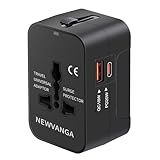
Chiang Mai is hot, humid, and rainy in monsoon (June through October). These five travel basics handle long temple days, mosquito-heavy evenings, and the unexpected afternoon downpour that defines wet season.





Recommended blogs to read:
- Best places to visit in Thailand for first-time travelers
- Top things to do in Bangkok, Thailand for a city break
- Best beaches in Thailand to extend your trip
- Top things to do in Phuket, Thailand for an island trip
Top 18 Things to Do in Chiang Mai
1. Hike Up Doi Suthep and Wat Pha Lat
Wat Phra That Doi Suthep is the famous mountain temple visible from anywhere in Chiang Mai, with a golden chedi and 309 steps up a Naga serpent staircase to reach the inner sanctuary. The Monk’s Trail is a forested 1-hour hike up from the city, passing the smaller Wat Pha Lat (a quiet jungle-temple favorite) before continuing to Doi Suthep at the top.
Best in the morning before midday heat. Songthaew shared trucks run from the zoo gate if you skip the hike.
Recommended read: Top things to do in Bangkok, Thailand for a city break
2. Visit Wat Phra Singh
Wat Phra Singh is the most lavishly decorated temple inside the Old City, founded in 1345 and home to the revered Phra Buddha Sihing image. The Lai Kham viharn (assembly hall) features Lanna-era murals depicting daily life from 200 years ago, painted in lively natural pigments. The temple complex also includes a working monastery school.
Free entry; small donation appreciated. Dress modestly (covered shoulders and knees) for all temples.
3. Visit Wat Chedi Luang
Wat Chedi Luang holds the half-ruined remains of an enormous 15th-century chedi (stupa) that once stood 84 metres tall before a 1545 earthquake brought it down. The site once housed the Emerald Buddha (now in Bangkok’s Grand Palace). Daily Monk Chats let visitors ask questions of resident monks in English in the afternoon.
Skip the elephant rides outside; they are not ethical. Monk Chat 5pm to 7pm.
4. Tour Wat Sri Suphan Silver Temple
Wat Sri Suphan is the only fully silver temple in the world, sitting in the silver-smith district south of the Old City. The exterior, columns, and interior are all engraved silver tile. Women are not allowed inside the main viharn (an old Lanna restriction), but the entire silver complex is photographable from outside.
Visit at sunset when the silver catches the light best. The Saturday Walking Street starts here.
5. Walk the Old City Wall and Moat
The Old City wall and moat date from 1296, originally a defensive square 1.5km on each side. Today the moat is a quiet ring of water with paths, four restored gates, and corner forts. Walking the full perimeter takes 90 minutes and passes 20+ active temples.
Best at dawn or dusk. Tha Phae Gate (east) is the most photographed and the start of the Sunday Walking Street.
6. Browse the Sunday Walking Street Market
The Sunday Walking Street starts at Tha Phae Gate at 4pm every Sunday and runs 1km west through the Old City. 500+ stalls sell Lanna handicrafts, art, food, and clothing, with side streets full of buskers and food courts. The crowd is half local, half tourist.
Skip dinner before; eat through the food courts off Ratchadamnoen Road. Closes around 11pm.
7. Visit the Saturday Walking Street
The Saturday Walking Street runs along Wualai Road in the silver-smithing district south of the Old City, smaller and more local than Sunday’s market. The vendors lean toward silverwork, traditional crafts, and Northern Thai food. Wat Sri Suphan Silver Temple is the bookend at one end.
Less crowded than Sunday. 4pm to 11pm.
8. Eat at Warorot Market (Talat Warorot)
Warorot Market is the main day market east of the Old City, packed with fresh produce, spices, dried foods, and 50+ food stalls serving Northern Thai dishes like khao soi (curry noodle soup) and sai oua (Lanna sausage). Two floors of textiles, ceramics, and household items round out the market.
Open 6am to 6pm. Best for a 10am breakfast of khao soi and a lap of the produce stalls.
9. Shop the Chiang Mai Night Bazaar
The Night Bazaar runs every night along Chang Klan Road east of the Old City moat, with covered stalls, two indoor mall sections, and adjacent food courts. The crowd is more tourist-leaning than the walking streets, but the souvenir prices and selection are reliable. Bargaining is expected (start at 50% of asking).
Bigger and busier on weekends. 6pm to midnight.
10. Visit an Ethical Elephant Sanctuary
Elephant Nature Park (and a few other ethical sanctuaries) lets visitors observe rescued elephants, prepare their food, and watch them bathe in the river without riding. Riding, performing, or close-contact handling are all signs of an unethical operation; observation-only is the standard you want. Half-day visits cost around 2,500 to 3,000 THB.
Book directly with the sanctuary, not through a tour aggregator, for better prices and ethics screening.
Recommended read: Top places to visit in Thailand for first-time travelers
11. Swim at Bua Thong Sticky Waterfalls
Bua Thong Sticky Waterfalls are 1 hour north of Chiang Mai, where mineral deposits make the limestone surface grippy enough to walk up the cascading falls barefoot without slipping. Each tier has small natural pools you can swim in. Free entry, with parking and ladders along the path.
Best in the morning (cooler) and avoid weekends when locals come out. Wet shoes optional but useful.
12. Day Trip to Doi Inthanon National Park
Doi Inthanon is Thailand’s highest peak (2,565 metres), with the Twin Royal Pagodas, Mae Klang waterfall, the Karen hill tribe village of Mae Glang Luang, and a cool-climate microclimate that grows strawberries and coffee. Most visitors do a guided day tour with hotel pickup.
Bring a light jacket; the summit can drop to 10°C in the morning.
13. Take a Cooking Class
Chiang Mai is one of the best cities in Asia for learning Thai cooking, with 30+ schools running half-day and full-day classes. The standard format starts with a market tour for ingredients, then 5 dishes (a curry paste from scratch, a stir-fry, a soup, a salad, a curry, plus dessert). Most schools have small class sizes.
Half-day classes run around 1,000 THB; full-day around 1,500. Book the morning of for best availability.
Recommended read: Best food in Bangkok worth seeking out
14. Watch a Muay Thai Match
Thapae Boxing Stadium and Loi Kroh Stadium both host Muay Thai matches multiple nights per week, with 6 to 10 fights on a typical card. The stadium experience is more atmospheric than televised matches, with live drummers, oboe-style sralai music, and ringside crowd reactions. Tickets run 600 to 1,000 THB.
Front-row tickets are worth the upgrade for the spray. 9pm to 11pm typical run time.
15. Explore Baan Kang Wat Creative Village
Baan Kang Wat is a small artists’ village west of the Old City near Wat Umong, with 10 wooden buildings around a courtyard housing artist studios, ceramic shops, hand-printed textile makers, and small cafes. Sunday afternoon often has live music. The art is original (not the mass-produced market stuff) and prices are negotiable.
Closed Mondays. Pair with Wat Umong tunnel temple 5 minutes away.
Recommended read: Top 18 Best Places to Visit in South Korea
16. Cafe Hop in Nimman District
Nimman is the trendy cafe and design district north of the Old City, popular with university students and digital nomads. Streets like Nimman 1, 11, and 13 hold dozens of specialty coffee shops (Ristr8to is the famous one), brunch spots, design boutiques, and One Nimman shopping centre. The food scene is contemporary Thai plus international.
Best for a morning coffee crawl. Free wifi everywhere.
17. Day Trip to Chiang Rai (White Temple)
Chiang Rai is 3 hours north of Chiang Mai by road, home to Wat Rong Khun (the all-white modern temple by artist Chalermchai Kositpipat), the Black House art museum, and the Golden Triangle viewpoint at the Mekong river border with Laos and Myanmar. Most day tours include all three plus a Karen long-neck village (controversial, optional).
Day tours run 1,000 to 1,500 THB with hotel pickup. Allow 12 hours total.
18. Visit Mae Sa Valley Waterfalls and Cafes
Mae Sa Valley is the cool-climate corridor 30 minutes north of Chiang Mai, with the 10-tier Mae Sa Waterfall, the Queen Sirikit Botanic Gardens, and a string of design cafes built into the forest (Mom Tri Cafe, North Hill Cafe). The valley feels like a different climate from the city below.
Easy half-day trip. Rent a scooter or hire a Grab driver for the day.
Chiang Mai Travel Tips and Best Time to Visit
Best months are November through February (cool dry season, 15 to 28°C). March through May is hot dry season with severe burning-season smoke (avoid March and April). June through October is the wet monsoon, with daily afternoon downpours but lush green landscapes. The annual Yi Peng (lantern festival) in mid-November is a major draw.
For festival dates and current temple opening hours, check the Tourism Authority of Thailand official Chiang Mai resources. Avoid March-April for the burning season smoke that affects visibility and air quality.
Want a Thailand itinerary that pairs Chiang Mai with Bangkok, the islands, and easy logistics?
The Europe Trip Planner template adapts to Asia trips too, with built-in pacing for Bangkok, Chiang Mai, and beach time. Currently just $17 before the price goes up to $27.
Frequently Asked Questions
How many days do you need in Chiang Mai?
Four to five days is the sweet spot. You can hit the Old City temples and one mountain day in 3 days, but Chiang Mai rewards adding a cooking class, an ethical elephant visit, and a Chiang Rai day trip. Digital nomads stay weeks to months thanks to the slow pace and low costs.
Is Chiang Mai cheap to travel?
Yes, Chiang Mai is one of the cheapest major Southeast Asian destinations. Budget travelers manage on $30 to $50 per day, mid-range trips run $80 to $120. Street food meals run $1 to $3, mid-range hotels run $30 to $60 a night, and tuk-tuks across the city are $2 to $4.
What is the best month to visit Chiang Mai?
November through February for the cool dry season and Yi Peng festival in mid-November. December and January are peak; book hotels 2 months ahead. Avoid March and April for burning-season smoke. June to October is wet but green and quiet, with mornings often clear.
Is Chiang Mai safe for solo female travelers?
Yes, Chiang Mai is widely considered one of the safest cities in Asia for solo female travelers. Standard travel awareness applies, but violent crime against tourists is rare and the local culture is gentle and respectful. Many digital-nomad communities are women-only friendly.
Are elephant sanctuaries in Chiang Mai ethical?
Some are, some are not. The ethical ones offer observation only, no riding, no performing, and rescued elephants from logging or trekking work. Elephant Nature Park is the most established. Avoid any operation that lets you ride, paint with, or otherwise close-contact handle elephants.
If you are extending your trip to a beach destination, see our Top things to do in Phuket for an island add-on for the southern Thailand counterpoint.
Key Takeaways
- Chiang Mai’s top experiences mix Old City temples (Wat Phra Singh, Wat Chedi Luang) with mountain trips, cooking classes, and a Chiang Rai day trip.
- Plan 4 to 5 days; Old City for the first half, Nimman or riverside for the second.
- November to February is peak (cool dry); avoid March-April burning season.
- Elephant sanctuaries: observation only, no riding, no painting. Elephant Nature Park is the gold standard.
- Sunday Walking Street is the must-do market; Saturday Walking Street is the smaller local alternative.
Final Thoughts
Chiang Mai delivers more than its slow-life reputation suggests. Past the Old City temples, the city has a creative arts scene, mountain day trips, ethical elephant sanctuaries, and one of the best food cultures in Southeast Asia. Plan a base in the Old City for first temples, then move to Nimman or riverside for the slower second half. Pin this guide for your trip planning stage.