The best places to visit in South Korea pair Seoul’s palaces and creative districts with Busan’s beaches, Jeju’s volcanic island, and historic towns like Gyeongju, Andong, and Suwon. Most trips also work in a DMZ day, an east coast cafe town, and a heritage village for balance.
South Korea packs a lot of variety into a country smaller than the UK. You can spend the morning at a 600-year-old palace in Seoul, take a 2.5-hour KTX to a beach city for sunset, and end the next day on a volcanic island with green tea fields and lava tubes. The hard part is choosing what to skip.
This guide covers the top 18 places to visit in South Korea across four regions: the metro core (Seoul plus Suwon, Incheon), the south coast (Busan, Tongyeong, Yeosu), the heritage interior (Gyeongju, Andong, Jeonju), and the islands and east coast (Jeju, Sokcho, Gangneung). For a deeper city plan, see our full Seoul city itinerary after picking your regions.
Planning a South Korea trip and unsure how to balance Seoul, Busan, Jeju, and historic towns in your dates?
The Europe Trip Planner is a flexible itinerary template that adapts to any country, including South Korea. It helps you map regions, pace cities by transit time, and avoid burnout. Currently just $17 before the price goes up to $27.
Best Hotels in South Korea for Every Region
Where you sleep can make or break a Korea trip. Seoul has neighborhood hotels close to specific subway lines (Myeongdong for shopping, Gwanghwamun for palaces, Hongdae for nightlife). Busan splits between Haeundae beach and the central station area. Jeju’s resorts cluster near Jungmun and the airport. These five span every region with reliable English service.
- Lotte Hotel Seoul – luxury Myeongdong landmark with rooftop pool and DMZ tour pickups in the lobby.
- Park Hyatt Busan – beachfront Haeundae stay with Marine City and Gwangan Bridge views from the rooms.
- Lotte Hotel Jeju – resort-style stay near Jungmun beach with K-drama filming history and casino on site.
- Four Seasons Hotel Seoul – Gwanghwamun location next to Gyeongbokgung Palace and Bukchon Hanok Village.
- L’Escape Hotel – Parisian-themed boutique near Myeongdong shopping for a unique stay in Seoul.
Top Tours to Book in South Korea
Korea is easy to navigate independently, but a few experiences are worth booking ahead. The DMZ requires a guided tour by law (you cannot enter alone), and Jeju’s east coast is faster with a driver. KTX to Busan plus a city tour saves a planning day. These five hit the highlights without overlap.
- DMZ full-day tour from Seoul – Joint Security Area or 3rd Tunnel route with hotel pickup and lunch.
- Busan day tour from Seoul by KTX – fast train city tour combo covering Gamcheon Culture Village and Haedong Yonggungsa.
- Nami Island and Petite France day trip – Korean drama filming sites with Garden of Morning Calm option.
- Jeju east coast tour – Seongsan Ilchulbong sunrise plus Manjanggul lava cave and Seopjikoji.
- Gyeongju historical day tour – Bulguksa Temple, Seokguram Grotto, and Tumuli Park royal tombs.
Recommended South Korea Travel Essentials
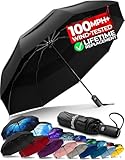
A few items make a Korea trip noticeably smoother. The country runs on Type C and F outlets at 220V (different from US), summers are humid with sudden rain, and you’ll walk 15,000+ steps a day in cities like Seoul. Here are five essentials worth packing for any season.




Recommended blogs to read:
- Top things to do in Seoul, South Korea for first-time visitors
- Best cities in Europe to visit for a long weekend
- Top places to visit in Sri Lanka for an Asian island trip
- Top places to visit in Scandinavia for a different style trip
Top 18 Places to Visit in South Korea
1. Seoul (Capital, Palaces, K-Pop, Bukchon)
Seoul is the obvious start. The capital pairs five royal palaces (Gyeongbokgung is the largest) with neighborhoods that feel like different cities, Hongdae for student energy, Gangnam for K-pop and skyscrapers, Bukchon Hanok Village for traditional architecture, and Itaewon for international food. Plan three to four full days to cover the basics without rushing.
Don’t skip the late-night food alleys around Gwangjang Market or the changing-of-the-guard ceremony at Gyeongbokgung (10am and 2pm). The metro is excellent, get a T-money card on arrival.
Recommended read: Top things to do in Seoul, South Korea for first-timers
2. Busan (Coastal, Haeundae, Gamcheon Culture Village)
Busan is the south coast counterpoint to Seoul: smaller, slower, with beaches and seafood. Haeundae is the famous beach district; Gwangalli has the bridge view; and Gamcheon Culture Village is the painted hillside neighborhood that locals call Korea’s Santorini. The KTX from Seoul takes 2.5 hours.
Add Jagalchi Fish Market for breakfast (it opens at 5am) and Haedong Yonggungsa, a rare seaside Buddhist temple. Two nights here is enough if you’re tight on time.
Recommended read: Top 17 best beach resorts in Spain by coast
3. Jeju Island (Volcanic Island, UNESCO Geopark)
Jeju is South Korea’s honeymoon island and a UNESCO Global Geopark thanks to its volcanic origin. The island has lava tubes (Manjanggul is open to the public), a dormant volcano (Hallasan, the country’s highest peak), tangerine groves, and beaches with black volcanic rock. Most visitors fly in for two to three nights.
The east coast (Seongsan Ilchulbong sunrise crater, Seopjikoji cliffs) is more dramatic than the west. Rent a car if you can, public transit is sparse outside Jeju City.
Recommended read: Best islands in Spain for a different beach vibe
4. Gyeongju (Heritage Capital, Bulguksa, Seokguram)
Gyeongju was the capital of the Silla Kingdom for nearly 1,000 years and still feels like an open-air museum. Bulguksa Temple and Seokguram Grotto are both UNESCO World Heritage Sites; Tumuli Park has 23 royal tombs you can walk between; and Anapji Pond is famous for night photography. Two days handle the highlights.
Stay in a hanok (traditional house) in the Hwangnidan-gil district for atmosphere. The KTX to Singyeongju takes 2 hours from Seoul.
Recommended read: Top things to do in Florence, Italy: a local-style guide
5. DMZ and Joint Security Area (Border Tour)
The DMZ is the 250km buffer between South and North Korea, and the only way to visit is on a guided tour booked in advance with your passport. Two main routes exist: the JSA (Panmunjom) where you can technically step into North Korean soil inside a UN building, and the 3rd Infiltration Tunnel route, which includes Dora Observatory and Imjingak Park. JSA tours close periodically for political reasons.
Book a half- or full-day tour from Seoul; same-day bookings are not allowed. It is somber and educational, not scenic.
6. Andong Hahoe Folk Village (UNESCO Living Village)
Andong Hahoe is a UNESCO World Heritage Site and one of two folk villages in Korea where families still live in traditional houses. The village curves around a river bend (its name means “surrounded by water”) and is famous for the Andong Mask Dance Drama, performed every weekend. The town is also the birthplace of jjimdak (braised soy chicken).
Andong is 2.5 hours by bus from Seoul. Stay overnight in a hanok homestay if possible, most day-trippers miss the morning mist over the river.
7. Sokcho and Seoraksan National Park
Sokcho is the gateway to Seoraksan National Park on the east coast. The park is famous for autumn foliage in October and granite peaks; a cable car runs to Gwongeumseong Fortress for the easy view, and longer trails reach Ulsanbawi rock and Biseondae. The town itself is a small fishing port with squid markets and Abai Village (a Korean War refugee neighborhood).
Allow at least one night for hiking. From Seoul, the express bus takes 2 hours via the high-speed Yeongdong expressway.
8. Jeonju Hanok Village (Food and Traditional Architecture)
Jeonju is the food capital of Korea and home to the largest hanok village in the country, 800+ traditional houses, many converted into guesthouses, cafes, and craft shops. It’s also the birthplace of bibimbap. The village is walkable in half a day, but the food trail (Choco Pie, kalguksu, makgeolli) deserves a full evening.
Jeonju is 1.5 hours by KTX from Seoul Yongsan Station. Easy as a day trip, better as an overnight.
9. Suwon Hwaseong Fortress (UNESCO)
Hwaseong Fortress is a 5.7km wall built in the 1790s by King Jeongjo and is one of the best-preserved fortifications in East Asia. You can walk the full circuit in 2-3 hours, passing four main gates, secret passages, and command posts. The trolley ride is a popular alternative for families.
Suwon is 35 minutes from Seoul on the metro, making it the easiest UNESCO day trip from the capital. Pair it with the Korean Folk Village 30 minutes away.
10. Incheon Chinatown and Songdo
Incheon is where most international flights land, but it’s worth a half-day on its own. Chinatown is Korea’s oldest and the birthplace of jajangmyeon (black bean noodles). Next to it, the Songwol-dong Fairy Tale Village is painted with murals from children’s books. A few stops away, Songdo is a futuristic planned city with Central Park and Tri-bowl.
The metro from Seoul takes 1 hour 15 minutes. Easy add-on before or after a flight at ICN.
11. Daegu Spa and Herbal Medicine District
Daegu is Korea’s fourth-largest city and the country’s herbal medicine capital. The Yangnyeongsi market has been open for 360+ years and still sells dried roots, ginseng, and traditional remedies. The city also has Spa Valley resort and the famous Seomun Night Market, with 800+ stalls open until midnight.
KTX from Seoul takes 1 hour 45 minutes. Skipped by most tourists but a real local-feeling stop.
12. Tongyeong (South Coast Harbor Town)
Tongyeong is a coastal town often called the Naples of Korea for its harbor and seafood. The Dongpirang Mural Village climbs a hillside above the port; the cable car to Mireuksan Mountain has views of 150+ small islands; and chungmu gimbap (rolled rice with squid and radish) was invented here.
Best paired with Busan as a day trip or overnight. Bus from Busan takes about 2 hours.
13. Boseong Green Tea Fields
Boseong is Korea’s largest green tea region, with 40% of the country’s production grown on hillsides that look like green corduroy. The Daehan Dawon plantation is the most photographed and has been a filming location for Korean dramas. Spring and early summer are peak green season.
Boseong is in the southwest, easiest combined with Suncheon (wetlands) or Yeosu. Allow a full day from any nearby city.
14. Damyang Bamboo Forest (Juknokwon)
Juknokwon is a managed bamboo forest park with 2.4km of walking paths under towering bamboo. The town of Damyang built its identity around bamboo, bamboo soju, bamboo rice cooked in bamboo, and bamboo crafts in the local market. Metasequoia Road, a 2km tree-lined avenue nearby, is one of Korea’s most photographed streets.
Damyang sits between Gwangju and Jeonju in the southwest. About 4 hours from Seoul; easier from Jeonju as a day trip.
15. Pohang Homigot Sunrise Square
Pohang is on Korea’s east coast, famous for the giant bronze hand sculptures at Homigot, one rises out of the sea, one stretches up from the land. The square is the country’s most popular New Year sunrise spot. Pohang is also the closest mainland port to Ulleungdo Island for adventurous travelers.
KTX from Seoul takes about 2.5 hours. Pair with Gyeongju (45 minutes away) for a heritage plus coast combo.
16. Yeosu (Night-Lit Harbor City)
Yeosu hosted the 2012 World Expo and is now Korea’s most photogenic harbor city after dark, the Big-O fountain show, the Yeosu Cable Car gliding over the sea, and the Dolsan Bridge lit in changing colors. Daytime is for Hyangiram Hermitage on a cliff and the seafood markets near the port.
KTX from Seoul takes 3 hours 15 minutes. Plan two nights to see both day and night sides.
17. Chuncheon (Nami Island Base + Dakgalbi Food)
Chuncheon is the closest base for Nami Island, the half-moon-shaped river island made famous by the K-drama Winter Sonata. The town is also the birthplace of dakgalbi (spicy stir-fried chicken with rice cakes), which has its own restaurant alley. The ITX train from Seoul Yongsan takes 1 hour 10 minutes.
Combine Nami Island with Petite France and the Garden of Morning Calm for a full day trip from Seoul.
18. Gangneung (East Coast Beach + Cafe Culture)
Gangneung is the east coast’s coffee capital, Anmok Beach is lined with high-design cafes facing the Sea of Japan, and the Coffee Street tradition started here. The town also hosted ice events at the 2018 Pyeongchang Winter Olympics. Ojukheon historic house and Gyeongpo Beach round out a relaxed beach-and-cafe trip.
KTX from Seoul takes 2 hours 5 minutes. The most popular weekend trip from the capital for couples and creators.
How to Get Around South Korea
South Korea has one of the best public transit systems in Asia, which makes a multi-region trip realistic in a week or two. The KTX (high-speed train) connects Seoul to Busan in 2.5 hours and stops in Daejeon, Daegu, and East Sea. Express buses cover smaller towns the train skips, and they are punctual to the minute.
For Jeju, you’ll fly, Gimpo to Jeju is one of the busiest air routes in the world, with departures every 15 minutes. Inside cities, the metro plus a T-money card handles 90% of trips; rental cars are only useful on Jeju and the southwest coast. For cultural prep before you go, see what to avoid as a first-time visitor as a contrast point, Korean etiquette is more rigid than most European destinations.
Best Time to Visit South Korea by Season
The best months overall are late April through May (cherry blossoms and mild weather) and mid-September through October (autumn foliage and clear skies). Summer (July-August) is hot, humid, and rainy, but festivals are at their peak. Winter (December-February) is cold and dry, with ski season in Pyeongchang and quiet palace mornings in Seoul.
For seasonal event calendars and regional weather, check the Korea Tourism Organization’s official destination guide. If you’re also pricing a Europe trip, our best time to visit Spain guide shows how shoulder seasons compare across regions.
Want a South Korea itinerary that handles transit, hotel zones, and the right city pairings without burnout?
The Europe Trip Planner template adapts to any country, including South Korea, region maps, daily pacing by transit time, and hotel-zone planning. Currently just $17 before the price goes up to $27.
Frequently Asked Questions
How many days do you need in South Korea?
A solid first trip needs 7-10 days. That covers Seoul (3 nights), Busan (1-2 nights), Jeju (2 nights), and one heritage town like Gyeongju or Andong. Two weeks lets you add Sokcho or Gangneung for the east coast and slow down the pace.
Is South Korea expensive to travel?
South Korea is mid-priced for Asia, cheaper than Japan, more expensive than Vietnam. Budget travelers can manage on $80-100 a day with hostels and street food; mid-range trips run $150-200 a day with 3-star hotels and restaurant meals. Public transit and museums are remarkably cheap.
What is the best month to visit South Korea?
October is the single best month for weather, foliage, and crowds. Late April for cherry blossoms is a close second but more crowded. Avoid late July through August (peak humidity and monsoon rain) unless you’re going for festivals.
Do I need a visa to visit South Korea?
Citizens of the US, UK, EU, Canada, Australia, and most other developed countries get a 90-day visa-free entry. You do need to apply for the K-ETA (Korea Electronic Travel Authorization) online at least 72 hours before departure, it costs about $9 and is valid for 3 years.
Is South Korea safe for solo female travelers?
Yes, South Korea ranks among the safest countries in Asia for solo female travelers. Violent crime against tourists is rare, the metro is safe at night, and Seoul has dedicated women-friendly hostels and cafes. Standard travel awareness applies, but it’s widely considered one of the easiest first solo trips in Asia.
Combining Korea with another destination? Many travelers pair it with Helsinki, Finland for a Nordic add-on via the Finnair direct route.
Key Takeaways
- A first South Korea trip works best in 7-10 days across Seoul, Busan, Jeju, and one heritage town.
- The KTX high-speed train, domestic flights to Jeju, and a T-money card cover almost all transit needs.
- October and late April are the best weather windows; avoid late July through August.
- Apply for the K-ETA online before you fly, it is required for visa-free travelers.
- Andong, Tongyeong, Damyang, and Boseong are easy ways to escape the obvious tourist trail.
Final Thoughts
South Korea rewards travelers who plan by region, not just by city. Picking three or four anchor stops from this list, one metro, one coast, one island, one heritage, keeps the pace human and lets every place feel different. Pin this guide for the planning stage, then come back when you’re building your daily itinerary.