
Quick Answer: The Eastern Europe travel guide for 2026 organizes around the six decisions every trip-planner faces: region, Schengen status, transport, currency, pacing and safety. EES border checks went live April 10, ETIAS launches in Q4, and Romania plus Bulgaria are now fully inside Schengen for both air and land borders. The night-train comeback rewires what used to require flights.
Last updated: May 2026 · EES border timings, ETIAS launch dates and Schengen accession status verified May 2026.
Eastern Europe in 2026 is the easiest it’s ever been to travel, better trains, cheaper flights, Romania and Bulgaria fully in Schengen now, and a brand-new airport on the Albanian coast that just opened. The trip works the way it didn’t even three years ago.
This is my full travel guide to the region: where to go, when to go, how to get around, what to budget, which scams to skip, and how to pack a 14-day itinerary without it falling apart. Bookmark it. You’ll need it.
Putting together the Eastern Europe trip plan around the new EES checkpoints and the night-train routes that didn’t exist two years ago?
The Ultimate Europe Trip Planner has the EES timing, the Schengen accession dates, the night-train booking windows and the cross-border car-rental rules baked into the country-by-country chapters. Currently just $17 before the price goes up to $27.
Eastern Europe Travel Kit
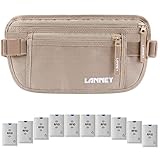
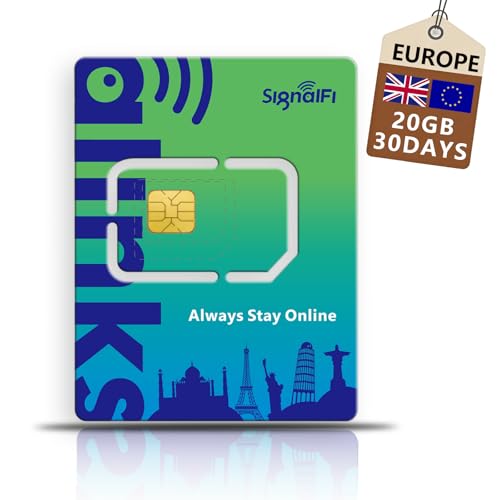
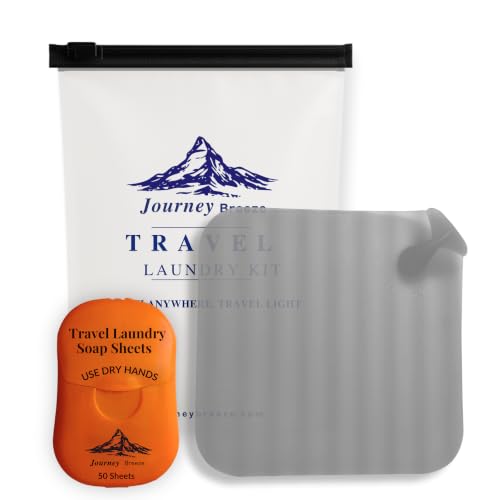
A practical Eastern Europe trip wants slightly different kit than a standard Western European loop. A money belt because cash still rules outside the capitals. A travel SIM with 30 days of data across multiple borders. A pocket wifi hotspot for the small towns where coverage stalls. A laundry sink stopper for the longer trips. A USB-rechargeable pocket flashlight for the night-train compartments. A rough-guides reference book for the parts the phone can’t load. Six picks below earn their place in the daypack.




| Decision | 2026 short answer | Why it changed |
|---|---|---|
| Region | Baltic, Visegrad, Balkan or Black Sea | Baltic re-classed Nordic; Balkan opened up |
| Schengen | Romania+Bulgaria now fully inside | Land borders added Jan 2025 |
| Transport | Night train beats FlixBus over 6+ hours | New sleepers since 2024 |
| Currency | Euro covers more than ever; lev/lek/dinar still cash-heavy | Croatia 2023, Bulgaria pending |
| Pacing | Three countries / ten days, max | EES adds 15-25 minutes per crossing |
| Safety | Standard Western precautions; no fresh hotspots | Tourist crime down across the region |
| Budget | €40-70/day mid-range | See the dedicated budget post |
Which Eastern European Region Should You Pick First?
Eastern Europe is four very different sub-trips wearing the same name. The Baltic version (now usually classed Nordic) anchors in Tallinn, Riga, Vilnius, with quiet Hanseatic old towns and Soviet-era industrial corners. The Visegrad version pulls Prague, Krakow, Budapest, Bratislava: dense historic capitals at mid-range prices and full English coverage. The Balkan version threads Belgrade, Sarajevo, Tirana, Pristina, Skopje: cheapest tier, most adventure, slowest infrastructure. The Black Sea version runs Bucharest, Sofia, Plovdiv, Varna, with Romanian Carpathians and Bulgarian beach towns. Pick one of the four for a first trip; mixing two cleanly is a stretch even on ten days.
The Visegrad region, easiest first trip
Four countries, four capitals, train connections that work like Western Europe. Prague to Krakow on the new Berlin sleeper. Krakow to Budapest via Bratislava in seven hours. Budapest to Vienna in two and a half on the EuroCity. The whole circle is doable in ten days, fully Schengen, fully visitable in English. The pricing in 2026 has crept up but stays below Western Europe by roughly 30%. Mid-range hotels in central Prague run €110-€150, Krakow €85-€120, Budapest €95-€130.
The Balkan region, cheapest, most varied
Eight countries fit inside what most travelers picture as the Balkans, and the trip needs at least one non-Schengen border crossing because Serbia, Bosnia, Albania, Kosovo, North Macedonia and Montenegro all sit outside the zone. The 2026 cheapest-city-break top five (Sarajevo, Belgrade, Tirana, Bucharest, Trenčín, all under €319 for the standard Post Office basket) live mostly inside this region. FlixBus dominates the inter-city transport; trains exist but run slower than the bus. Allow 12-14 days for a proper loop.
The Black Sea region, Romania plus Bulgaria, now Schengen
Two countries sit on the Black Sea coast and share full Schengen status as of 2025. Bucharest to Sofia on the night train, with no border stop. Plovdiv and Varna on the Bulgarian side, Brasov and Sibiu on the Romanian side. The food traditions overlap in ways nobody outside the region writes about. Costs sit between Visegrad and Balkan. Seven days catches both capitals plus one second city per country.
Do You Need ETIAS or EES to Visit Eastern Europe in 2026?
Yes to EES if you’re a non-EU passport holder, no to ETIAS for the moment. The Entry/Exit System (EES) went live on 10 April 2026 across every Schengen border, including the new Romania and Bulgaria land entries. Every non-EU arrival now gets fingerprinted and face-scanned on first entry of any 180-day window. The scan itself takes 30 seconds; the queue around it adds 15-25 minutes at peak. After your initial enrollment, subsequent entries are a 5-second face check.
ETIAS (the visa-waiver authorization, €20, 96-hour processing, three-year validity) launches in Q4 2026 with a six-month grace period running into early 2027. You don’t need ETIAS now, but if your trip lands in November or December, check the EU Commission rollout page in October. ETIAS applies to roughly 60 nationalities that previously entered Schengen visa-free, including US, UK, Australian, Canadian, New Zealand and Japanese passports.
EES at the airport in practice
Land 30 minutes earlier than your 2024 instinct. The biggest queues are at Paris CDG, Frankfurt, Munich, Amsterdam and Bucharest Otopeni (the new Schengen-internal border at Otopeni has been catching first-timers off guard). Sofia airport’s EES kiosks are the best-laid out in the region. Sarajevo and Belgrade are non-EU and don’t run EES at all; the standard passport-stamping process continues there. Allow extra time on your first Schengen entry of a new 180-day window.
90/180-day rule for non-EU passports
The Schengen zone is treated as a single country for visa purposes. Your 90-day visa-free allowance applies to the whole zone, not to each country. Non-Schengen Eastern European countries (Serbia, Bosnia, Albania, Kosovo, North Macedonia, Montenegro, Moldova) each operate their own 90-day visa-free allowance that doesn’t count against your Schengen days. A trip that splits time between Schengen Romania and non-Schengen Serbia effectively gives you 180 days total, useful for long-form travelers.
Night Train or FlixBus or Rental Car for Eastern Europe?
Three transport modes carry almost all the inter-city travel in Eastern Europe, and the choice has changed since 2024. The night-train comeback (Berlin-Krakow, Bucharest-Sofia, Budapest-Prague, the ÖBB Nightjet extensions into Eastern Europe) makes sleeper class the right answer for any leg over six hours of daytime travel. FlixBus still dominates short hops under four hours. Rental cars make sense only for the Carpathian and Balkan rural detours, with hard cross-border restrictions to watch.
Night train: book a couchette or sleeper, not a seat
A six-bunk couchette on the Berlin-Krakow sleeper runs €59-€99 depending on booking window. A two-bed private cabin runs €169-€229. You save a hotel night, you skip an airport EES queue, and breakfast is included on the ÖBB Nightjet. Book through Czech Railways or ÖBB directly rather than the third-party aggregators which add a 15-20% markup. The seated class is rough above four hours and isn’t recommended.
FlixBus: dominant under four hours
FlixBus runs the densest inter-city network in Eastern Europe, especially in the Balkans where train infrastructure thins out. A Sarajevo-Belgrade leg runs €18-€30 versus €45 by train (where the train even runs). Buses are modern, wifi-equipped, and the seats are comfortable for legs under four hours. Above that, the night train wins on comfort if the route exists. Buy tickets through the FlixBus app for the best prices.
Rental car: useful for the rural detours, watch the cross-border rules
A Croatian rental cannot enter Kosovo or Albania without a fee and extra paperwork at pickup. A Romanian rental can cross into Moldova only with prior approval. A Bulgarian rental cannot enter North Macedonia without a green-card upgrade. These restrictions vary by company even within the same country, so confirm at booking. Renting in Sarajevo or Tirana gives the widest cross-border flexibility for a Balkan loop.
How Should You Handle Currency Across Eastern Europe?
The euro now covers more of Eastern Europe than ever. Slovenia (since 2007), Slovakia (2009), Estonia (2011), Latvia (2014), Lithuania (2015), Croatia (2023). Bulgaria’s adoption is pending for January 2026 (delayed once already, watch the news). Montenegro and Kosovo use the euro unilaterally without being in the eurozone. Outside the euro zone, you still have lek (Albania), denar (North Macedonia), dinar (Serbia), leva (Bulgaria until adoption), forint (Hungary), zloty (Poland), koruna (Czech Republic), leu (Romania), mark (Bosnia and Herzegovina).
Cash vs card by country
Cards are universally accepted in capitals, mid-range hotels and tourist restaurants. Outside that bubble, cash starts to matter. Rural Romania, rural Bulgaria, rural Bosnia, rural Albania, rural North Macedonia and the entire ferry network on the Adriatic all need cash regularly. Carry €100-€150 in small euro notes as a backup. ATM placement is good in the capitals, thinner in second cities, almost absent in small towns. Use bank-affiliated ATMs (Raiffeisen, ProCredit, OTP) rather than the freestanding Euronet or Atm24 boxes which charge 4-6% fees.
The dynamic currency conversion trap
Card machines and ATMs across Eastern Europe will offer to charge you in your home currency rather than the local one. Always decline and pay in the local currency. The dynamic conversion rate adds 5-12% to every transaction. This is the single biggest hidden cost most first-timers pay and it’s entirely avoidable. The button to decline is usually labeled “without conversion” or “continue in local currency.”
How Many Countries in How Many Days Works?
Three countries in ten days is the upper limit before the trip starts to collapse into airports and hotels. Two countries in ten days is the sweet spot. Four countries in fourteen days works only if you stick to one sub-region (Visegrad or Balkan) and avoid the cross-region jumps that eat half-days. Each EES border crossing now adds 15-25 minutes, each non-Schengen entry adds passport-stamping time, and each new city needs a half-day of orientation that doesn’t show on the itinerary.
Seven-day templates that work
Visegrad starter: Prague 3, Krakow 3, with the sleeper between them. Balkan starter: Sarajevo 3, Belgrade 3, with FlixBus or the slow train between. Black Sea starter: Bucharest 3, Sofia 3, with the new Schengen overnight. Baltic starter: Tallinn 3, Riga 3, with the day bus between. Each of these covers two countries cleanly in a week with a day of breathing room.
Ten and fourteen-day templates
Ten-day Visegrad loop: Prague 3, Krakow 3, Budapest 4. Ten-day Balkan loop: Sarajevo 3, Mostar 1, Kotor 2, Tirana 2, Skopje 2. Fourteen-day Balkan loop: same plus Pristina, Lake Ohrid and Belgrade. Fourteen-day Black Sea + Visegrad: Bucharest 3, Sofia 3, Plovdiv 1, Sibiu 2, Brasov 2, Bran castle day trip, Bucharest exit. Mix-and-match outside these patterns usually breaks down.
What Are the Working Safety and Scam Precautions?
Eastern Europe is safer for tourists in 2026 than it has been in recorded statistics, with violent crime per capita well below most Western European countries and tourist-targeted crime concentrated in three or four well-known scam patterns. The standard Western precautions apply (don’t leave valuables visible, don’t walk alone in unfamiliar areas after midnight, don’t accept drinks from strangers in nightlife districts). Beyond that, four region-specific patterns are worth knowing.
The four region-specific scams
One, the unmarked taxi at airport arrivals. Always use the official taxi desk or Bolt or Uber. The unmarked drivers quote five to ten times the metered rate. Two, the “tourist menu” with no prices in some Prague and Budapest old-town restaurants. Always confirm the bill before sitting. Three, the friendly local who suggests a specific bar then disappears when an inflated bill arrives. Four, the ATM skimmer on freestanding non-bank machines, especially in tourist squares. Use bank-affiliated ATMs only.
Solo travel safety
Solo female travel across Eastern Europe in 2026 is well-documented and routine. The standard hostel-and-co-working circuit in Prague, Krakow, Budapest, Tallinn, Sofia, Bucharest and Sarajevo is built around the solo traveler. Walking back from dinner alone in any of these capitals is normal at any hour up to about 1 a.m. The Balkan second cities (Mostar, Kotor, Lake Ohrid, Plovdiv) are similarly comfortable. The just-opening tier (Tirana, Pristina, Skopje, Saranda) is fine but uses fewer English-speaking taxi services, so book the airport pickup ahead.
What Should You Budget for an Eastern Europe Trip?
The full budget breakdown lives in the dedicated eastern Europe on a budget post, but the working numbers for a mid-range 2026 trip are: €60-€90 a day in the just-opening tier (Tirana, Saranda, Pristina, Skopje), €70-€110 a day in the recently-easy tier (Sarajevo, Sofia, Belgrade, Bucharest), and €100-€150 a day in the long-open tier (Prague, Krakow, Budapest, Tallinn). The hostel-dorm budget version runs €35-€55 a day everywhere except Prague.
The 2026 currency math has shifted: with Romania and Bulgaria now in Schengen, train costs in the Black Sea region went up 8-12% on average. With the euro now official in Croatia, the Adriatic coast left the budget tier two years ago. The lowest sustained value pocket of the continent for 2026 is the southern Balkan coast (Albanian Riviera, Lake Ohrid, the Bay of Kotor) plus Bosnia. Plan around that.
Locking the Eastern Europe trip plan before the flights get booked?
The Ultimate Europe Trip Planner has the EES timing, the night-train pre-booking calendar, the cross-border rental-car restrictions, the cash-vs-card rules by country and a ten-day Balkan vs Visegrad sample template. Currently just $17 before the price goes up to $27.
Eastern Europe Travel Planning FAQ
Do you need ETIAS to visit Eastern Europe in 2026?
Not until Q4 2026, with a six-month grace period running into early 2027. EES (the entry-exit fingerprint system) went live April 10, 2026 and applies now. ETIAS at €20 for three years applies to roughly 60 nationalities that previously entered Schengen visa-free, including US, UK, Canadian, Australian, New Zealand and Japanese passports.
How long does the new EES border check take?
The scan itself takes 30 seconds. The queue at peak adds 15-25 minutes at large hubs like Paris CDG, Frankfurt, Munich, Amsterdam and Bucharest Otopeni. After the initial enrollment, subsequent entries inside the same 180-day window are a 5-second face check. Land 30 minutes earlier than 2024 instinct said.
Are Romania and Bulgaria part of Schengen now?
Yes, fully. Air and sea borders joined on 31 March 2024. Land borders joined on 1 January 2025. A Bucharest-Sofia or Sofia-Athens train crossing now runs as a domestic-feel Schengen route, with no passport stop. This is the single biggest change to Eastern European train logistics in twenty years.
Is the night train better than FlixBus for Eastern Europe?
Yes for any leg over six hours of daytime travel, where the sleeper exists. The ÖBB Nightjet, Czech Railways and the new Berlin-Krakow service all run modern sleeper cars with couchettes from €59 and private cabins from €169. FlixBus wins on legs under four hours and on Balkan inter-city routes where the train is slower or doesn’t run.
What is the safest country in Eastern Europe to travel solo?
Slovenia, Czech Republic and Estonia top every solo-female-travel safety index in the region, with Bosnia and Herzegovina, Albania and Montenegro close behind despite the older perception. Tourist-targeted crime in capital city centers is rare across the entire region. The Balkan second cities and rural areas in particular feel comfortable at hours that would not in most Western European equivalents.
How many days do you need for the classic Eastern Europe trip?
Ten days for a clean two-country loop (Prague-Krakow, Sarajevo-Belgrade, Bucharest-Sofia, Tallinn-Riga). Fourteen days for a three-country regional loop within one sub-region (Visegrad or Balkan). Three weeks for a proper cross-region tour that touches both Visegrad and the Balkans. Less than seven days collapses into single-capital city breaks rather than a regional trip.
Key Takeaways
- EES went live April 10, 2026 at every Schengen border; ETIAS at €20 launches Q4 2026 with a six-month grace period. Add 15-25 minutes for the first entry queue.
- Romania and Bulgaria are now fully in Schengen (air/sea March 2024, land January 2025), which removes the historic Bucharest-Sofia border stop.
- The night-train comeback (Berlin-Krakow, Bucharest-Sofia, Budapest-Prague, ÖBB Nightjet extensions) wins on legs over six hours of daytime travel.
- Three countries in ten days is the upper limit before the trip collapses; two countries in ten days is the working sweet spot.
- The euro covers more of the region every year; rural Bosnia, Albania, Serbia and North Macedonia still run on cash for half the daily spend.
- The four scam patterns to know: unmarked airport taxi, tourist-menu price gouge, friendly-local-bar setup and freestanding non-bank ATM skimmer.
Locking the Eastern Europe Trip Plan Before the Flights Get Booked
Eastern Europe in 2026 is a different operational problem than it was even two years ago. Schengen swallowed Romania and Bulgaria, the night-train map quietly tripled, EES added a queue at the airport, and the euro now reaches further than ever. The trip works if the seven decisions get made in the right order: region first, Schengen second, transport third, currency fourth, pacing fifth, safety sixth, budget seventh. Book the flights last. Two countries in ten days, three in fourteen, no more. The continent’s most rapidly changing travel landscape rewards planning that’s been updated since March 2024 and punishes everything written before.