
Quick Answer: Eastern Europe on a budget in 2026 sorts cleanly into three daily-spend brackets: under €30/day in the lek and dinar zone (Tirana, Belgrade, Sarajevo, Sofia, Skopje), €30-50/day in the Visegrad sweet spot (Krakow, Budapest, Brasov, Plovdiv), and €50-70/day at the comfort edge (Prague, Tallinn, Riga, Ljubljana). Sarajevo at €288 for the Post Office basket is officially the cheapest European city break of the year.
Last updated: May 2026 · Post Office Travel barometer pricing and daily-spend figures verified May 2026.
A friend of mine spent two weeks in Sarajevo last fall on €40 a day, hostel bed, two real meals out, transit pass, museum tickets, beers in the evening, the whole deal. Eastern Europe is still genuinely cheap in 2026, and Sarajevo just got crowned Europe’s cheapest city break of the year at €288 for the standard barometer basket. In this post, I’m breaking down how to do the region on a real budget, the under-€30, under-€50, and under-€70 brackets, which cities deliver at each price point, and the small habits that save you the most money. If your trip budget is tight, you’re in the right place.
Locking the Eastern Europe budget at €40 a day or €70 a day, and matching that to the cities that actually deliver at that price?
The Ultimate Europe Trip Planner has the daily-spend tiers cross-referenced to specific cities, with sleep, food, transport and admission sub-buckets per bracket. Currently just $17 before the price goes up to $27.
Eastern Europe Budget Travel Kit
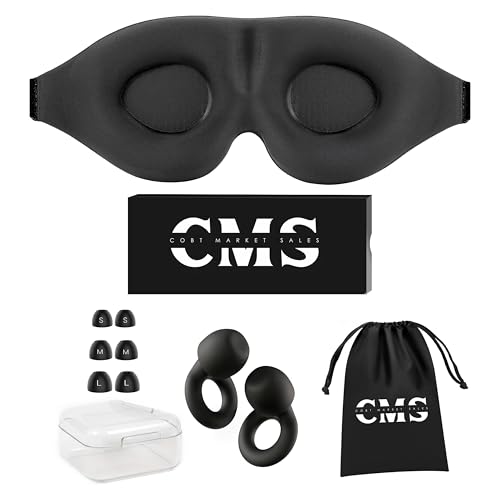
A budget Eastern Europe trip wants different kit than a mid-range one. A 40L flight-carry backpack so you never pay a hold-bag fee. A hostel sleep mask and earplugs combo for the dorms. A reusable instant noodle cup for the night trains. A TSA combination padlock for the hostel locker. An emergency cash card case so you don’t lose the backup euros. A proper budget guidebook for the legs the phone runs out of data. Six picks below cover the kit.




| Daily budget | Cities | What it buys | Weekly all-in |
|---|---|---|---|
| Under €30/day | Tirana, Belgrade, Sarajevo, Sofia, Skopje, Saranda | Hostel dorm, street food, public transport, one cafe sit | €175–€210 |
| €30–50/day | Krakow, Budapest, Brasov, Plovdiv, Bratislava | Private hostel room or 2-star, mid-range meal/day, museum tickets | €220–€350 |
| €50–70/day | Prague, Tallinn, Riga, Ljubljana, Wroclaw | Boutique hostel/3-star hotel, two restaurant meals/day, taxis | €350–€490 |
| Sarajevo basket (2 ppl) | Sarajevo | 2 hotel nights, 3 meals, transit, museum, drinks | €288 / €287 |
Where Does Under €30 a Day Actually Stretch?
Six cities in 2026 hold a comfortable trip together at €30/day or less. All of them sit in the lek, dinar or lev currency zones, all of them have functioning hostel networks, and all of them deliver an honest three meals plus public transport plus one cafe sit at that price. Don’t drop to €30/day in Prague or Tallinn anymore (the math doesn’t work without sacrificing too much). Do it in Tirana, Belgrade, Sarajevo, Sofia, Skopje or Saranda and you’ll come back surprised at how much you covered.
1. Tirana, Albania
An espresso at Komiteti, the converted communist-era youth-headquarters cafe, costs 100 lek (less than €1). A full plate of qebapa with onions and crusty bread at Pazari i Ri runs 350-450 lek. A bunk at Trip’n Hostel runs €13-€16 a night in shoulder season. That’s the working ratio: about €25 a day for sleep, food and the bus. Top up with €5 for a museum entry and you’re at €30/day with room to spare. The Post Office 2026 barometer puts the city at €304 for the standard 12-item basket, third-cheapest in Europe.
The local urban transport is honest at 40 lek per ride. The taxi from the airport via Bolt runs €12-€14. Eat fast and cheap at Era for the modern Albanian, or splurge €18 on the chef’s menu at Mullixhiu without leaving the daily €30 bracket if you skip a meal elsewhere.
Read also: things to do in Albania and underrated countries in Europe.
2. Belgrade, Serbia
The hostel scene clusters in Dorćol and Savamala. A dorm bed at Hedonist Hostel runs €12-€18, a small private at the Yugodom Stay-Over Museum runs €38-€55 for two. Lunch at Brka, the bohemian-quarter grill, runs 800-1200 dinar (€7-€10) for ćevapi, salad and a glass of rakia. The Post Office 2026 barometer pegs Belgrade at €307 for the standard basket, second-cheapest in Europe. Local transport is 100 dinar (€0.85) for the bus, less if you buy the day card.
Beerfest in Kalemegdan fortress runs annually in late August with free entry. Drink at Polet in Dorćol for natural wine at €4-€5 a glass. The €30/day is comfortable here; €40/day buys you the private hotel room and a restaurant meal.
Read also: things to do in Serbia, Balkans itinerary, is belgrade worth visiting, and things to do in belgrade.
3. Sarajevo, Bosnia and Herzegovina
The cheapest 2026 European city break, officially: €288 for the Post Office Travel barometer 12-item basket, beating Belgrade by €20. A bed at Hostel Massimo runs €13-€16. Ćevapi at Petica or Željo, the two competing Baščaršija institutions, run 8-12 marks (€4-€6) for a plate of 10 with onion and somun bread. Burek at Sać runs €3 for breakfast and lasts you to mid-afternoon. Coffee at any of the brass-fitted Ottoman-style cafes in the bazaar runs 2-3 marks (€1-€1.50).
The Bosnian mark is pegged to the euro at 1.95583, so the math is roughly euro × 2 for the daily ATM trips. The tram across town costs 1.8 marks (€0.90). Day-trip to Mostar by bus runs 25-30 marks each way. Three days in Sarajevo on €30/day delivers a complete trip including the Tunnel of Hope, the Latin Bridge, the Yellow Fortress at sunset, and a Bosnian coffee or two.
Read also: things to do in Bosnia, places to visit in East Europe, interesting things to do in sarajevo, and top day trips from sarajevo bosnia and herzegovina.
4. Sofia, Bulgaria
The Bulgarian lev (peg to the euro is pending; check the rate at booking) makes for the cleanest budget math in the EU. A hostel bunk at Hostel Mostel runs 35-50 lev (€18-€26) including breakfast. A shopska salad and grilled kebapche at Hadjidraganovite Kashti runs 18-25 lev (€9-€13). The metro is 1.60 lev per ride (€0.80). A free walking tour leaves from the Palace of Justice at 11am and 6pm daily.
The gondola up Mount Vitosha runs 12-18 lev round trip and lets you escape to the alpine air at 1,800m elevation for an afternoon. Day-trip to Plovdiv on the new high-speed train runs 35 lev each way (€18). The €30/day budget is comfortable; €40/day adds the cocktail bar at Raketa Rakia.
Read also: things to do in Bulgaria, hidden gems in Europe, and is sofia worth visiting 5 reasons why you should.
5. Skopje, North Macedonia
The denar exchange runs at about €1 = 61 MKD. A hostel dorm at Hostel Lounge runs 700-1000 MKD (€11-€16). A traditional tavče gravče (baked beans) and grilled meat plate at Restaurant Pelister runs 350-500 MKD (€6-€8). The bus across the city is 35 MKD (€0.55). The day trip to the Matka Canyon by bus runs 60 MKD each way and gives you a half-day kayak option for €10-€15.
The neoclassical Skopje 2014 building program in the center is free to walk through and provides the most surreal photo set in southeastern Europe. The €30/day works. €40/day gives you the rooftop bar at Public Room and a midnight ride home in a Bolt.
Read also: things to do in North Macedonia and less visited travel destinations in Europe.
6. Saranda, Albania
Lek prices on the Albanian Riviera are about 30% higher than Tirana in peak summer but still hold to €25/day in May, September and October. A guesthouse room in Ksamil runs €18-€28 in shoulder season. A plate of grilled fish at a beachfront taverna runs 700-1000 lek (€7-€10). The local minibus (furgon) to Butrint UNESCO park is 100 lek each way (€1).
Important 2026 caveat: the new Vlora airport opened this year and cut the drive to Saranda from 4-5 hours to 90 minutes. Albanian Riviera arrivals are up 80% versus 2019. The €25/day window is closing fast. Two summers is the realistic upper bound on these prices. Visit in 2026 if you can.
Read also: best beach cities in Europe and things to do in Albania.
What Does the Visegrad Sweet Spot at €30-50 a Day Look Like?
Five cities sit in the €30-50/day comfort bracket: Krakow, Budapest, Brasov, Plovdiv, Bratislava. At this spend, you trade up from the hostel dorm to a private hostel room or a 2-star hotel, you eat one mid-range meal a day at a proper restaurant, and you can afford the museum tickets without skipping breakfast. The Visegrad capitals (Prague excluded, since it crept above €50) sit comfortably in this bracket. Carpathian and Bulgarian second-cities round out the rest.
7. Krakow, Poland
The zloty has appreciated against the euro but Krakow still holds the value crown among Polish cities. A private room in a boutique hostel like Goodbye Lenin runs 130-180 PLN (€31-€42). A pierogi flight at Pierogarnia Krakowiacy runs 28-38 PLN (€7-€9). The 24-hour public transport pass is 17 PLN (€4). A glass of wine at Alchemia in Kazimierz runs 14-22 PLN (€3.50-€5.50). The €40/day budget gives you the full Kazimierz food-and-drink tour with a daily museum or castle entry.
Auschwitz day trip from Krakow runs 8-15 PLN by train each way plus the free entry (book the timed slot online); add €15-€18 for a private guide. Wieliczka salt mine entry is 145 PLN (€34) for the standard tour. Both fit inside €50/day if you balance with a cheaper food day.
Read also: Europe bucket list, things to do in Poland, and things to do in krakow.
8. Budapest, Hungary
The forint runs at about €1 = 405 HUF, which makes the daily math a little fiddly but the value steady. A 2-star hotel room in District VII (the food-and-drink heart) runs 16,000-22,000 HUF (€40-€55). A goulash at Bestia or a langos at the Central Market runs 2,400-3,800 HUF (€6-€10). A 24-hour transit pass is 2,500 HUF (€6.20). A thermal bath entry at Széchenyi runs 8,500 HUF (€21) weekday and 9,800 (€24) weekend.
The classic two-night Budapest trip on €45/day covers the hotel, three meals, one Széchenyi soak, the Parliament tour and a sunset walk along the Danube. €50/day adds a ruin bar evening at Szimpla Kert.
Read also: things to do in Hungary, Budapest guide, best food in budapest, budapest itinerary for first time visitors, and day trips from budapest.
9. Brasov, Romania
A 3-star hotel in the historic center runs 200-260 RON (€40-€52). The Saxon-Romanian fusion meal at Sergiana runs 80-130 RON (€16-€26) for a full plate plus a glass of feteasca neagra. The cable car up Mount Tâmpa runs 23 RON round trip (€4.60). The Bran Castle day-trip by minibus runs 45 RON each way (€9). The 2025 Romanian Schengen accession means no border math if you arrived via Sofia or Budapest.
The €40/day delivers a comfortable Carpathian base. €50/day adds the Peleș Castle excursion (50 RON entry, 30 RON private train), which sits on the same day-trip arc.
Read also: things to do in Romania and places to visit in East Europe.
10. Plovdiv, Bulgaria
The 2019 European Capital of Culture year reinvested the center properly without inflating prices. A boutique hotel room in the Kapana arts district runs 80-130 BGN (€41-€66). A traditional Bulgarian meal at Pavaj runs 25-40 BGN (€13-€20) including the rakia. The Roman theater is free to walk through from the outside; the formal entry is 5 BGN (€2.50). The new high-speed train from Sofia runs in 90 minutes for 35 BGN (€18).
The €40/day works comfortably for one person in the Kapana. €50/day adds the Bachkovo Monastery day trip (taxi 60 BGN return).
Read also: things to do in Bulgaria and less visited travel destinations in Europe.
11. Bratislava, Slovakia
Slovakia has been on the euro since 2009 so the math is direct. A boutique-hostel private in the Old Town runs €32-€48 per room. A traditional bryndzové halušky at Modrá Hviezda runs €10-€14. The 24-hour transit pass is €4. The hydrofoil to Vienna runs €25 one-way and is the prettiest hour of the trip. The Bratislava-to-Sopron train runs €11 each way for the Hungarian wine-town day trip.
The €40/day sits comfortably for two nights and three days. €50/day adds the UFO restaurant on the SNP Bridge for the panorama drink (€8 cover plus drink).
Read also: things to do in Slovakia, places to visit in Central Europe, is bratislava worth visiting, and things to do in bratislava.
What Does the €50-70 a Day Comfort Edge Buy?
Five cities sit at the €50-70/day comfort edge: Prague, Tallinn, Riga, Ljubljana, Wroclaw. At this spend, you trade up to a 3-star hotel in the center, two restaurant meals a day, a taxi or two when the train doesn’t run, and the museum admissions without bookkeeping. These are not budget destinations in the absolute sense; they are budget by Western European standards. Prague was a €30/day destination ten years ago and has crept up steadily. The 2026 numbers reflect where the value is, not where it was.
12. Prague, Czech Republic
The koruna has held steady but Prague hospitality has not. A 3-star hotel in the Old Town runs 1,800-2,400 CZK (€72-€96). A pork knee at U Medvidku runs 350-450 CZK (€14-€18). A pint of pilsner at any local hospoda runs 65-90 CZK (€2.60-€3.60). The 24-hour transit pass is 120 CZK (€4.80). The €60-70/day is comfortable in the Karlin or Vinohrady neighborhoods, where the food is better than the Old Town and the prices are 15-20% lower.
The trick to keeping Prague under €70 is to sleep outside the Old Town and to eat away from Wenceslas Square.
Read also: best cities in Europe to visit, Prague itinerary, and is prague worth visiting.
13. Tallinn, Estonia
The Estonian euro has held the city in the mid-range. A 3-star in the Old Town runs €68-€95. A traditional Estonian meal at Olde Hansa runs €22-€32 per person. A craft beer at Põhjala Tap Room runs €5-€7. The single-ride bus is €2 cash or €1.50 on the smart card. The Telliskivi Creative City food-and-art complex (a 15-minute walk from the Old Town) cuts your daily food cost by 25-30% versus the tourist core.
€60/day works clean if you sleep at Hektor Container Hotel (€65 a night) and eat one main meal at Telliskivi.
Read also: things to do in Estonia, Tallinn itinerary, day trips from tallinn, helsinki tallinn ferry, and tallinn to helsinki ferry.
14. Riga, Latvia
The Latvian euro keeps Riga the cheapest of the Baltic three for sleep but the most expensive for eating out. A 3-star Old Town hotel runs €58-€78. A modern Latvian meal at Vincents or Petergailis runs €25-€38. The Central Market (one of Europe’s largest) provides a 5-euro lunch and a free walk through five massive Zeppelin hangars. The 24-hour transit pass is €5.
€55/day catches Riga properly if you do the Central Market lunch trick. €70/day adds the half-day excursion to the Jurmala beach 30 minutes west by elektrichka train (€2.80 each way).
Read also: things to do in Latvia and places to visit in the Nordics.
15. Ljubljana, Slovenia
The smallest capital on this list is also the smallest in price difference from the Italian border. A 3-star in the Old Town runs €65-€95. A meal at Druga Violina on Stari Trg (the social-enterprise restaurant) runs €12-€18 for an open-faced sandwich and a glass of local wine. The funicular to the castle is €5 round trip. The €70/day is the right ceiling; below that, you sleep outside the Old Town in the Trnovo neighborhood.
Day trip to Lake Bled by train runs €6.60 each way; the bus is €8 and faster. The two together at €70/day is achievable if you skip one of the restaurant meals.
Read also: things to do in Slovenia, Europe bucket list, things to do in ljubljana, and top day trips from ljubljana.
16. Wroclaw, Poland
The zloty value in Wroclaw delivers slightly better than Krakow because the tourist density is half. A 3-star hotel on the Market Square runs 220-310 PLN (€52-€73). A Silesian-Czech beer-hall meal at Bernard runs 50-80 PLN (€12-€19). The tram across the city is 4.40 PLN (€1.05). The Panorama of Racławice entry is 45 PLN (€10.70). The €55/day catches a comfortable three-day visit.
€65/day adds the riverbank cocktail at Café Bema and a Sunday brunch at Konspira (the Solidarity-themed cafe).
Read also: places to visit in Central Europe and things to do in Poland.
How Does Each Daily Bucket Break Down?
Three buckets, three breakdowns. Each one shows how the daily-spend ceiling splits into sleep, food, transport and admission for a working trip. The numbers below are averaged across the cities in each tier and rounded for clarity. Actual spend varies by season (Belgrade August is double Belgrade November) and by booking lead time (the same Tirana hostel runs €13 with two weeks notice and €19 booked day-of).
€30/day bucket, Lek, Dinar, Lev tier
Sleep €12-€16 (hostel dorm). Food €8-€11 (one cafe meal, one grocery dinner, one street food). Transport €1-€2 (public transit only). Admission €3-€5 (one museum or castle). Total €24-€34. The trick is to book hostels with breakfast included (Hostel Mostel Sofia, Hostel Massimo Sarajevo, Trip’n Tirana). That single move drops food spend €3-€4 a day.
€50/day bucket, Visegrad Sweet Spot
Sleep €25-€38 (private hostel room or 2-star hotel). Food €15-€22 (one mid-range restaurant meal, one cafe, one grocery). Transport €3-€5 (24-hour transit pass or a taxi). Admission €5-€10 (one or two museum entries). Total €48-€75. The wider range reflects that Krakow at the bottom and Bratislava at the top can both pass for €50/day with different ratios.
€70/day bucket, Comfort Edge
Sleep €55-€85 (3-star hotel in the center, or a 4-star outside). Food €20-€32 (two restaurant meals a day plus coffee). Transport €5-€8 (taxi when needed, transit pass). Admission €8-€15 (multiple museums, a tour). Total €88-€140. The €70 ceiling is achievable but the working range is closer to €90 once taxis and proper dinners come in. Honest 2026 number: Prague at €80/day, Tallinn at €70, Ljubljana at €75.
Want the daily-spend tiers pre-mapped against a working ten-day Balkan loop?
The Ultimate Europe Trip Planner pairs the €30/day, €50/day and €70/day brackets with the right cities, the right hostels, the right grocery-vs-restaurant ratios, and the right city-to-city transit. Currently just $17 before the price goes up to $27.
Eastern Europe Budget Travel FAQ
What is the cheapest country in Eastern Europe in 2026?
Bosnia and Herzegovina by Post Office Travel barometer (Sarajevo basket €288), Serbia by hostel-and-restaurant cost per day (Belgrade €25-€30), Albania by overall daily spend including the Riviera (Tirana and Saranda €22-€28 in shoulder season). North Macedonia is comparable to Bulgaria. Romania and Hungary have crept above the €40/day bracket since 2024.
How much does a week in Sarajevo cost?
A backpacker week at €28/day all-in runs €196. A mid-range week (private guesthouse, two restaurant meals a day) at €55/day runs €385. A comfort week (3-star hotel, taxi-everywhere, day-trip to Mostar) at €90/day runs €630. Add €120-€180 each way for the budget flight from Western Europe. Total all-in for the mid-range week including flights from London: €700-€900 for one person.
Read also: interesting things to do in sarajevo and top day trips from sarajevo bosnia and herzegovina.
Is the Albanian Riviera still cheap in 2026?
Yes for now, especially in shoulder season (May, September, October). The new Vlora airport opening for 2026 cuts the drive to Saranda from 4-5 hours to 90 minutes. Arrivals are up 80% versus 2019 and the country logged 11M+ visitors in 2025. The window for €25/day on the Albanian coast is realistically two summers wide. Visit in 2026 if you can; by 2028 prices will sit closer to Croatia’s pre-Schengen tier.
Can you do Eastern Europe on €40 a day?
Comfortably across the lek-dinar-lev tier (Tirana, Belgrade, Sarajevo, Sofia, Skopje, Saranda) at €40/day. Tightly across the Visegrad sweet spot (Krakow, Budapest, Plovdiv, Brasov, Bratislava) at €40/day, with the hostel-dorm-not-private trade-off. Difficult above €40/day in Prague, Tallinn, Ljubljana and Wroclaw, where €55-€65/day is the realistic floor for a comfortable trip.
Is FlixBus or the night train cheaper across Eastern Europe?
FlixBus is cheaper on legs under four hours; the night train is cheaper on legs over six hours once you account for the hotel night you save. A Sarajevo-Belgrade FlixBus runs €18-€30; the train where it exists runs €45. A Berlin-Krakow night train couchette at €59 saves a €60-€85 hotel night. The Bucharest-Sofia night train at €35 in seated class, €65 in couchette, beats the bus on time.
What is the cheapest month to fly to Eastern Europe?
November (excluding the last week), early December and the first three weeks of February. Avoid late December through early January (Christmas markets push prices up), Easter week, and mid-June through August (summer peak). Mid-March and the first half of October are the seasonal-shoulder sweet spots: prices 30-45% below summer peak with weather warm enough for outdoor walking. Wizz Air and Ryanair dominate the routes.
Key Takeaways
- Eastern Europe to Western Europe price ratio for 2026 sits at roughly 1:3 across the basket; Sarajevo €287 versus Oslo €850 for the same 12-item barometer.
- Three daily-spend tiers cover the region: under €30/day (lek, dinar and lev zone), €30-50/day (Visegrad sweet spot), €50-70/day (Comfort Edge).
- Sarajevo is the cheapest 2026 European city break at €288; Bucharest, Tirana, Belgrade and Trenčín round out the cheapest five.
- The Albanian Riviera at €25/day is genuinely under threat from the 2026 Vlora airport opening; the value window is realistically two summers wide.
- Hostel dorms hold the €30/day bracket; private rooms or 2-star hotels hold €50/day; 3-star hotels in the center hold €70/day.
- Cheapest months to fly: November, early December, first three weeks of February, mid-March, first half of October.
Stretching the Eastern Europe Budget Without Stripping the Trip
Eastern Europe on a budget in 2026 has become a measured, three-tier proposition with concrete prices and a clear ratio against Western Europe. The under-€30/day tier works hardest in Sarajevo, Belgrade, Tirana, Sofia, Skopje and Saranda. The €30-€50/day Visegrad sweet spot delivers Krakow, Budapest, Brasov, Plovdiv and Bratislava. The €50-€70/day comfort edge gets you Prague, Tallinn, Riga, Ljubljana and Wroclaw. The trick is matching the bracket to the right city. Book the Albanian Riviera in 2026 specifically. Book Sarajevo before everyone reads the Post Office barometer. The window for these specific numbers is narrow.