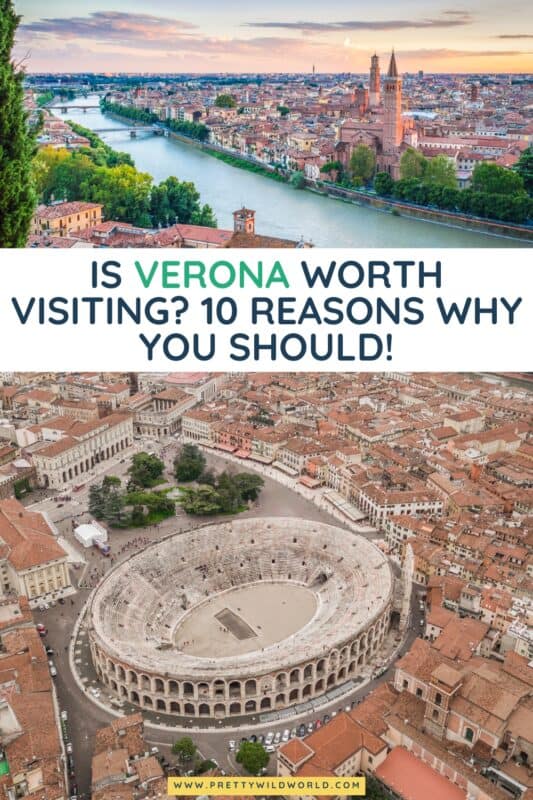
Verona is absolutely worth visiting. This compact northern Italian city delivers a Roman amphitheater still used for live opera, medieval streets that genuinely earned their UNESCO status, and access to some of Italy’s finest wine country, all without the shoulder-to-shoulder crowds you find in Venice or Florence.
Most people give Verona a single day on their way somewhere else. That’s the mistake I kept seeing repeated when I was planning my own trip, and it’s the one I almost made myself. The city earns more than that. Two days is the minimum if you want to actually feel it rather than just photograph it.
What makes Verona worth visiting isn’t one thing. It’s the layering: Roman ruins next to medieval towers next to Renaissance palaces, all crammed into a tight loop of the Adige River. Add a weekly market in the main piazza, a wine region ten minutes by car, and a local food scene that hasn’t been entirely priced out by tourism, and you have something genuinely worth building an itinerary around. I’ve put together this guide based on time actually spent there, including what to skip, what to prioritize, and exactly when to go.
Planning a trip to Italy on a tight budget? The Ultimate Budget Planner helps you map out every expense before you go, from flights and accommodation to gelato and Arena tickets, so nothing catches you off guard mid-trip.
Recommended Verona Travel Essentials




What Makes Verona Worth Visiting?
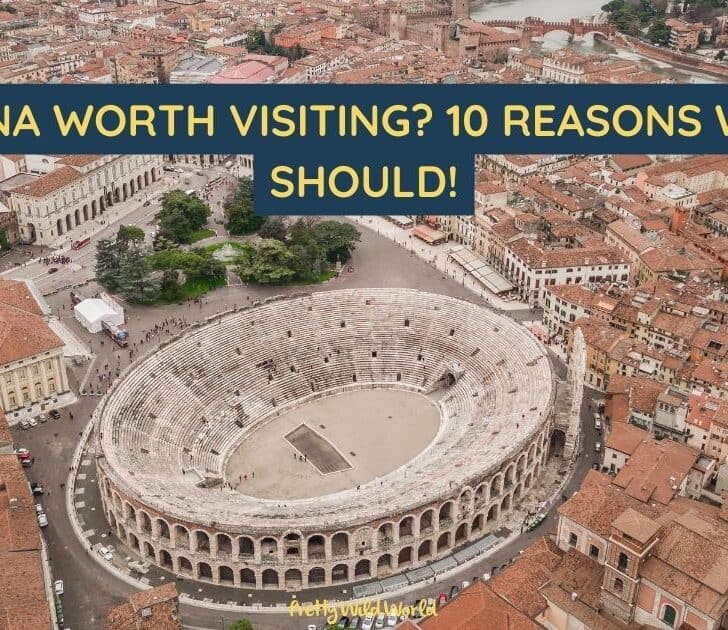
The Arena di Verona is the obvious answer, and it deserves to be. This is a Roman amphitheater built in 30 AD that still seats around 15,000 people for the summer opera festival. That’s not a tourist reconstruction or a ruined shell with a plaque. It’s a functioning venue that has been hosting performances continuously since the 16th century. Sitting in the cheap stone seats at the top while an opera plays below you, with the orange glow of the city behind the stage, is one of those genuinely rare travel moments.
Beyond the Arena, Verona’s romantic credentials run deeper than the Shakespeare connection. The centro storico is a UNESCO World Heritage Site not because of Romeo and Juliet but because of its extraordinary concentration of well-preserved architecture from Roman through Renaissance periods. Piazza delle Erbe, built on the site of the old Roman forum, has been a market square for 2,000 years. That kind of continuity is hard to find anywhere.
The wine situation also tips the scales. Verona sits at the center of the Valpolicella, Soave, and Bardolino wine regions. Amarone, one of Italy’s most complex and sought-after reds, comes from vineyards you can see from the hills above the city. You can visit proper family-run wineries for free or a small tasting fee, which is something Florence and Venice simply don’t offer on the same scale.
What Are the Best Things to Do in Verona?
The Arena di Verona tops the list, but the experience depends on when you visit. During opera season (June through August), tickets range from around 30 euros in the stone seats to well over 200 for the stalls. Seeing a performance here is worth budgeting for. Outside opera season, you can visit the Arena as a museum during the day for around 10 euros, which still gives you a proper look at the structure from the inside.
Juliet’s balcony, officially Casa di Giulietta, gets a mixed reception from travelers. It is absolutely touristy and the courtyard fills up fast. But it takes twenty minutes, it’s free to enter the courtyard, and the statue of Juliet has this strange energy that’s hard to explain. Give it the time it deserves and move on. What most people miss is the Torre dei Lamberti right nearby: a medieval tower with a lift that gets you 84 meters above the rooftops for the best view of the city. That’s the one I’d prioritize over the balcony if I had to choose.
Castelvecchio, the 14th-century castle on the river, houses one of the region’s best art museums and connects to a covered bridge with views over the Adige that photograph beautifully in the early morning light. Piazza dei Signori, just off Piazza delle Erbe, is quieter and more local-feeling. It’s where you find the Dante statue and the best cafes for a proper sit-down coffee without paying tourist prices. For more places to explore across Italy, that guide has the full breakdown by region. For organized tours covering the Arena and historic center, Verona Tours runs small-group walking options worth considering.
How Many Days Do You Need in Verona?
Two full days is the honest minimum. Day one covers the Arena, Piazza delle Erbe, Castelvecchio, and a walk along the Lungadige. Day two is for going slower: Torre dei Lamberti in the morning, the Giusti Garden in the afternoon (one of the finest Renaissance gardens in Italy, and very few people seem to know it exists), and dinner somewhere that isn’t directly on the main tourist drag.
Three days works well if you’re adding a wine country excursion or a trip to Lake Garda. Verona also makes a good base for broader exploration, given its central position in northern Italy. If you’re comparing it with other destinations across the continent, this guide to summer in Europe covers how to structure longer trips that combine multiple destinations without burning out.
When Is the Best Time to Visit Verona?
April through June and September through October are the best months. Spring brings the Vinitaly wine fair (April), the city before the summer crowds, and temperatures that make walking comfortable all day. September and October see the harvest season begin in the wine country and the Arena opera season winding down, which means cheaper accommodation and noticeably thinner crowds in the piazzas.
July and August are peak season. The opera festival draws serious crowds and prices jump across the board. The heat is also real: Verona sits in the Po Valley and can hit 35 degrees Celsius or higher in summer. If you’re going in peak season specifically for the opera, plan around it and book accommodation early. December is genuinely underrated: the Christmas market in Piazza delle Erbe is one of the better ones in northern Italy, and the city has a quieter, moodier atmosphere that suits its medieval bones.
What Day Trips Can You Do from Verona?
Lake Garda is the obvious one and for good reason. The southern end of the lake, around Peschiera del Garda and Lazise, is 30 to 40 minutes by bus or car. The lake itself is enormous and each stretch has a different character: the south is flat and resort-heavy, the west shore (Salo, Gardone Riviera) has an old-money Italianate feel, and the northern tip near Riva del Garda is hemmed in by cliffs and popular with windsurfers. A full day trip from Verona can cover two or three towns if you’re strategic about it.
Venice is 75 minutes by fast train and Milan is about the same in the other direction, which makes Verona a practical midpoint base for a northern Italy itinerary. The Valpolicella wine region is even closer: 15 to 20 minutes by car, with family-run estates that accept walk-in visitors outside harvest season. For anyone putting together a broader northern Italy route that includes cities beyond the obvious ones, this guide to unique European destinations is worth a look for what pairs well with Verona. And for context on how Verona compares to other honest city assessments, see our guide to Hamburg for a similar breakdown of a similarly underrated city.
Traveling across multiple Italian cities and trying to stay on budget? The Savings Tracker’s Planner helps you set savings goals and track spending week by week so your Italy trip doesn’t derail your finances for months afterward.
FAQ
Is Verona worth visiting for just one day?
One day gives you enough time to hit the Arena, Piazza delle Erbe, and Juliet’s balcony, but you’ll feel rushed. Two days is the proper amount of time to actually enjoy the city at a reasonable pace. If one day is all you have, prioritize the Arena and Torre dei Lamberti over Juliet’s courtyard, and plan to be at Piazza delle Erbe in the morning when the market stalls are set up.
What is Verona famous for besides Romeo and Juliet?
The Arena di Verona is the city’s most significant landmark: a 2,000-year-old Roman amphitheater that still hosts live opera performances every summer. Verona is also famous for its wine region connections (Valpolicella, Amarone, Soave), its UNESCO World Heritage historic center, and Vinitaly, one of the world’s largest wine fairs held here every April. The Romeo and Juliet connection is real but it’s a small part of what the city actually offers.
Is Verona safe for tourists?
Verona is a very safe city for tourists. Standard travel precautions apply: keep an eye on your bag in crowded areas like Juliet’s courtyard and on busy weekend evenings in Piazza delle Erbe. Pickpocketing exists as it does in any tourist-heavy Italian city, but violent crime is rare. The historic center is well-lit and well-frequented even late in the evening.
How much does the Verona Card cost and is it worth it?
The Verona Card costs around 20 euros for 24 hours or 25 euros for 48 hours and covers entrance to most of the main museums and churches, including Castelvecchio, the Giusti Garden, and various smaller sites. It also includes public transport. If you’re planning to visit three or more paid attractions, it’s worth it. If you’re mainly focused on the Arena and outdoor sightseeing, the math gets tighter. Check the official Verona tourism site for current pricing before you go.
Is Verona better than Venice for first-timers?
They offer very different experiences. Venice is extraordinary but also exhausting, expensive, and extremely crowded for much of the year. Verona is more manageable, less tourist-saturated, and considerably cheaper. For first-timers who want a genuine Italian city experience without the extreme visitor pressure of Venice, Verona often wins on overall enjoyment. Most northern Italy itineraries that include Venice benefit from starting or ending in Verona for exactly that reason.
What is the best time of year to visit Verona?
April through June and September through October are the best months for a combination of good weather, manageable crowds, and reasonable prices. The opera festival in July and August is a reason to visit in peak season if that’s specifically what you’re after, but expect higher prices and more tourists everywhere. December is a genuinely good alternative if you can tolerate some cold: the Christmas market is one of the best in the region and the city is significantly quieter.
Key Takeaways
- Verona is worth visiting and deserves at least two full days, not a rushed day trip
- The Arena di Verona is a 2,000-year-old Roman amphitheater still used for live opera in summer
- The historic center has UNESCO World Heritage status for its architecture, not its Shakespeare connection
- April through June and September through October are the best months to visit
- Lake Garda, Venice, and the Valpolicella wine region are all under 90 minutes away
- Verona is significantly less crowded and cheaper than Venice, making it a strong alternative base
Final Thoughts
Verona rewards the people who actually give it time. Two days here will feel more satisfying than a week in a city that’s been packaged entirely for tourists. The Arena, the wine, the piazzas that have been in continuous use for centuries: it all adds up to something that earns its place on a serious Italy itinerary.
Book accommodation early if you’re visiting during the opera season. Come in spring or autumn if you have flexibility. And resist the instinct to treat it as a stop between Venice and Milan. Verona works best when you let it be the destination.