Quick Answer: The best cities in Europe to visit sort by what each one delivers, not by which appears most often on consensus top-five lists. The strongest single visits are Rome (architectural and ancient depth), Lisbon (coastal-walkable combination), Vienna (refined cultural city), Barcelona (design and food), Copenhagen (modern Scandinavian), Athens (ancient and rising creative), Porto (compact and food-led), and Tallinn (medieval and underrated). Sequence two or three of these on a single 10-14 day trip rather than chasing more.
Last updated: May 2026 · Prices and opening hours verified May 2026.
Paris, Rome, Barcelona, Amsterdam, London. The consensus top five appears on roughly every “best cities in Europe” list ever assembled, and there are reasons for it. Those five do carry the architectural depth, the cultural weight, the food scenes, and the international visibility that anchor most travelers’ images of Europe. But the consensus list misses the same five things every time: Lisbon’s quiet rise to first-tier, Vienna’s claim to the strongest single-city cultural experience, Copenhagen’s design-led reinvention of what Scandinavian urbanism looks like, Athens’s transition from a stopover into a genuine destination, and the second-tier capital scene from Helsinki to Tallinn that’s now competing with the supposed top five.
The interesting question isn’t which five cities make the top of any given Conde Nast or Time Out ranking. The interesting question is what each city actually delivers compared to what a traveler is looking for. A coastal-walkable city break is a different trip from a museum-and-cathedral cultural week, which is a different trip from a food-and-bar weekend. The cities that earn their place change depending on which version of the trip you’re booking.
So Europe’s strongest city-break destinations get grouped here by what each one delivers. Iconic-skyline cities, walkable-historical cities, modern-design cities, coastal cities, food-capital cities, and affordable-cosmopolitan cities each carry a different anchor list. The same city sometimes appears in two categories. For the country-level version of this question, the most beautiful countries in Europe guide covers the broader picture. For the capital-specific version, the best capital cities guide goes deeper on the political-center cities.
Mapping a city-hop trip across four or five European capitals without burning the trip on transit?
The Ultimate Europe Trip Planner sequences each city against the trains, flights, and travel times so the route saves the actual visit hours for the cities and not for getting between them. The trip ends up with more time on cobblestoned pavement and less in transit halls.
City-Break Travel Kit
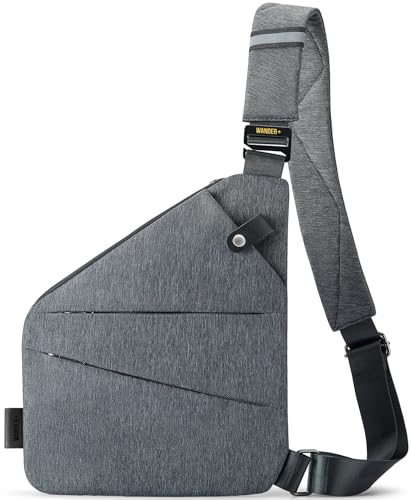
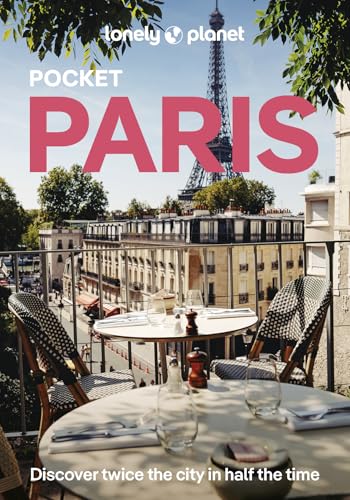
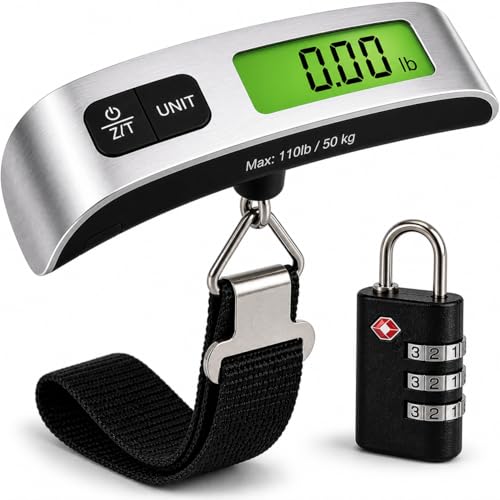
Six items consistently earn their slot for European city travel: pieces that handle the walking, the weather, the public transit, the cobblestones, and the carry-on flight rules that apply across most European budget airlines.




Which European Cities Have the Most Iconic Skylines?
Some cities deliver the image of themselves the moment you arrive. The skyline, the river, the bridge, the cathedral, the lit boulevard. Five European cities lead this category by the strength of the first impression alone.
Paris, France
Every other European city secretly measures itself against this one and almost all of them lose. Haussmann’s boulevards run in cream-stone lines so straight you can see the Eiffel Tower three kilometres away through the gap between buildings. The Seine cuts the city in two with bridges every few hundred metres, the Louvre’s glass pyramid sits in the courtyard of a former palace, and the Marais holds onto medieval streets the renovations forgot. What gets missed is how walkable the central arrondissements really are: the 1st through 8th deliver almost all of the iconic version within fifteen minutes of the river. Climb to Montmartre for the hilltop view; eat dinner in the 11th to remember the city is also lived in. This is the benchmark.
Rome, Italy
Where Paris does 19th-century elegance, the Italian capital does layered antiquity. Around any corner is something that has been standing for 1,800 or 2,000 years and that the locals walk past without looking up. The Colosseum is still bigger in person than in photographs. The Pantheon’s dome, two thousand years old, still has rain falling through its oculus into a drain set into the marble floor. The Forum sprawls under umbrella pines, the Vatican (its own state inside the city) holds the Sistine Chapel, and a forty-minute walk between the Trevi Fountain, the Spanish Steps and Piazza Navona is enough to accumulate three iconic moments without trying. Time it for shoulder season; July heat plus walking-heavy itineraries equals misery. Drink your espresso standing at the bar like everyone else. The Italy travel guide covers the country.
London, United Kingdom
From Tower Bridge at sunrise to the Big Ben silhouette across Westminster Bridge, the skyline has been doing its job here for centuries. Then the modern wave came: the Shard, the Gherkin, the Walkie-Talkie, glass-and-steel towers that give the capital a contemporary upward push almost no other European city can match. Beyond the iconic spine, 32 boroughs each carry distinct character, from Shoreditch street art to Notting Hill colour-block houses to Greenwich’s tea-clipper history. The city feels bigger than its postcard core suggests, which is why three nights barely touches it. Prices have spiked since 2024 and 2026 is genuinely expensive (factor it in), but the Tube still runs 24 hours on weekends and the museums are all free, which softens the blow.
Prague, Czech Republic
Stand on the Charles Bridge at six in the morning before the tour groups arrive and the whole city does its thing for you alone. Mist on the Vltava, the spires of the Old Town stacking up on one side, the castle and the cathedral rising on the western bank, the bronze statues on the bridge silhouetted against a pale sky. The medieval-and-baroque density of the centre is one of the highest in Europe, mostly because the city was spared the bombing that flattened Warsaw and Berlin. The most accessible iconic-skyline city in Europe on a budget too: hotels and dinners run roughly half what they’d cost in Paris or London, and the beer is cheaper than bottled water. Three nights does it, plus a side-trip to Český Krumlov if you’ve got the appetite.
Florence, Italy
Small enough to feel less like a city and more like a single rolling iconic image. Brunelleschi’s red-tiled dome dominates every photograph and every approach, with the rest of the Renaissance hugging close around it. The Ponte Vecchio crosses the Arno with its row of jewelry shops built directly into the bridge, exactly as they were five hundred years ago. The Piazza della Signoria delivers the open-air sculpture courtyard with David’s copy in the centre. Walk across the whole historic core in twenty-five minutes. The strength here is compression: the most concentrated dose of European Renaissance you can take in three days. Eat dinner across the river in the Oltrarno where the locals retreat to escape their own city.
Which Walkable Historical Cities Should You Visit?
A different category of city break: the one where the walking through the streets is the visit, rather than queuing for the famous monuments. These are cities you cover on foot and the experience accumulates through the texture of the streets themselves.
Tallinn, Estonia
Hard to believe a medieval old town this perfectly preserved still exists, but here it’s, walled inside its original 13th-century fortifications. Cobbled lanes wind between Gothic guildhalls; the Town Hall Square (Raekoja plats) is ringed by merchants’ houses with painted facades and steep tile roofs. Climb up to Toompea, the Upper Town on its hill, for the postcard view across red-tiled rooftops out to the slate-grey Baltic. The whole walking core covers maybe a kilometre square, which makes a long weekend exactly enough. Two hours by ferry from Helsinki, which turns it into the natural day-extension on any Finnish trip. Bring layers; the wind off the sea has opinions even in July. The Estonia travel guide covers the country.
Krakow, Poland
The Rynek Główny, one of the largest medieval squares in Europe, holds the city’s gravity. The Cloth Hall sits in the middle, its arcades unchanged in 600 years; St Mary’s Basilica anchors one corner with a trumpeter playing the hejnał from the tower every hour on the hour, breaking off mid-note in memory of a 13th-century watchman shot by an arrow. Walk south through the Old Town and you’ll reach the hilltop of Wawel Castle and its cathedral; walk a bit further and you cross into Kazimierz, the old Jewish quarter, now Poland’s most interesting bar-and-food district. Costs run roughly half what they would in Vienna 400 kilometres west. A long weekend covers it; a week, with day trips to Auschwitz-Birkenau and the Wieliczka salt mines, doesn’t feel forced.
Bruges, Belgium
This is what people mean when they say a place looks like a fairy tale: canals threading between gabled brick houses, swans drifting under stone bridges, the Belfry leaning slightly above the Markt square (climb the 366 steps for the view). The historic core is the destination here, and it covers maybe two square kilometres. A long weekend is the right length. The downside is well documented: in peak summer the narrow lanes turn into a slow shuffle of day-trippers off the cruise ships, and the chocolate shops outnumber the residents. Come in March, October, or any weekday before May; visit in the evening when the buses leave and the canals empty out. Order a Trappist beer and watch the streetlights come on.
Edinburgh, Scotland
Few European cities have a volcano in the middle of them, but climb Arthur’s Seat on a clear morning and the whole capital, plus the Firth of Forth, plus most of the Lothians, spreads out beneath you. Back down on the streets, the Royal Mile runs straight from the Castle (clinging to a basalt plug) down to Holyrood Palace, with closes and wynds branching off into the dark, narrow grids of the medieval Old Town. Across the valley, the Georgian New Town does its restrained 18th-century thing in pale stone. Compact enough to cover in a long weekend on foot. Best avoided or specifically timed for August, when the Fringe Festival turns the city into one giant venue and the population doubles. Bring a coat in any month. The weather here is moody.
Český Krumlov, Czech Republic
Technically a town, not a city, and yet still one of the most walkable historic visits in the country. A tight oxbow bend of the Vltava loops around the medieval centre with a vast baroque castle perched above, painted in faded oranges and yellows that look hand-coloured. The whole walkable area stretches maybe a kilometre in any direction, which means a long day is enough to see it properly. Best used as a side-trip from Prague (three hours by bus) or as a halfway stop on a Czech-Austria route. Stay overnight if you can; once the day-trippers leave around 5pm, the lanes empty out and the place returns to the locals.
Modern-Design Cities: Where the New Build Carries the Trip
Some cities are visited primarily for what they have built recently. The architecture, the design scene, the food halls, the contemporary art galleries, the public-realm investment that has happened in the last twenty or thirty years.
Copenhagen, Denmark
The capital that designed itself. The Royal Library’s Black Diamond extension glints over the harbour like an obsidian shard; the new opera house, the harbour pools at Islands Brygge where you can swim in clean canal water in summer, the architecture of Christianshavn and Ørestad all give the impression of a city that takes itself seriously without being precious. Then there’s the food: Noma turned a former whaling warehouse into the restaurant that started the New Nordic movement, and the rest of the city followed. Sixty-two percent of residents commute by bike, which is what happens when a city is designed by people who like cycling. The public realm here is more carefully detailed than anywhere else in Europe. Pricey, yes. Worth it, also yes. The Denmark travel guide covers the country.
Helsinki, Finland
Pop into a department store here and the spoons are Iittala, the sheets are Marimekko, and the chair you sat down on probably has Alvar Aalto’s name on the underside. The Finnish design tradition is woven through everything. The Design District clustered around Punavuori and Kaartinkaupunki delivers small ceramic studios and clean-line clothing shops; the Oodi Central Library, one of the most-awarded library buildings of the past decade, doubles as the city’s living room. The Helsinki Art Museum (HAM) leads the contemporary side. Compact enough to walk in a long weekend, and the two-hour ferry to Tallinn or the overnight to Stockholm both turn it into a natural pairing with another Baltic capital. The Finland travel guide covers the country, and the Helsinki guide goes deeper on the city.
Reykjavík, Iceland
A capital of 130,000 people that punches absurdly above its weight on design. The Harpa concert hall sits on the harbour like a glass honeycomb, every face refracting the changing Arctic light differently; the building has collected more international awards than buildings five times its size. Walk the downtown blocks and the murals appear on every gable end, an unofficial open-air gallery the city has quietly cultivated. The food scene operates at New Nordic quality across a surprising number of restaurants for the population. Best used as the start or end of a Ring Road trip rather than a standalone visit. Long weekend, three nights, plus the Blue Lagoon if you absolutely must. The Iceland travel guide covers the country.
Berlin, Germany
The German capital’s identity has been rebuilt so many times that the city now reads as a collage of itself. A 19th-century apartment block on one side of the street, a GDR-era concrete block opposite, a glass-and-steel 2010s build next door, and a half-finished construction crane on the next corner. The gallery network in Kreuzberg and Mitte covers contemporary art at a scale London and Paris can’t match. Markthalle Neun on Thursday “Street Food Thursday” turns into the city’s best dinner room. The techno scene that emerged from Berghain in the 2000s still defines club culture across the continent. Few other capitals feel this actively in progress. Cheap by Western European standards. Spend a week, not a weekend.
Coastal Cities: Where the Sea Sets the Tone
Coastal cities deliver a different trip than inland cities. The light is brighter, the food orientation shifts toward seafood, the pace runs slower, and the city’s character is shaped by its harbor or beach access.
Lisbon, Portugal
A slow climb up the European city-break rankings over the past decade, and now arguably first tier. The Tagus and the Atlantic both shape the place. Seven hills (and these are real hills) covered in pastel houses, the rattle of the yellow Tram 28 climbing through the alleys of Alfama, fado spilling out of open doors after dinner. The Bairro Alto and Príncipe Real run the bar scene; the Time Out Market and Mercado da Ribeira deliver the food scene under one roof. The light here is exceptional, gold by afternoon and rose by dusk, which is why the Portuguese call this the painter’s city. Walking-intensive (those hills again), but reward stacks up: cataplana fish stews, pastéis de nata still warm from the oven, the kind of evenings you remember a decade later. The Portugal travel guide covers the country.
Barcelona, Spain
City break, beach holiday, architectural tour, and food destination, all in one place that genuinely manages all four. The Gothic Quarter delivers medieval walking-city character in stone-and-shadow alleys; the Eixample grid above it carries Gaudí’s modernismo (Sagrada Família in its final 2026 construction push, Casa Batlló’s wavy stone facade, La Pedrera’s rooftop chimneys); Barceloneta drops you on the Mediterranean ten minutes from a vermouth bar. The Boqueria market and the surrounding Born district anchor the food side, with pintxos and small plates running long into the night. Overtourism has been real since 2017, and the city has tightened the regulations in response (apartment rentals capped, cruise-ship limits in place, day-trip taxes in some districts). Travel respectfully; the locals have been pushed hard. The Spain travel guide covers the country.
Dubrovnik, Croatia
From the top of Mount Srđ on the funicular at sunset, the walled city below looks scarcely real: a coral-red roofscape ringed by pale stone walls, the Adriatic stretching out flat behind it. Walk the 2km circuit of those walls in the morning, before the cruise ships dock at 10am and the small streets fill up with their day-trippers, for about 90 minutes that’s the single iconic experience here. The Stradun runs through the centre in polished limestone that’s been worn smooth by 700 years of feet. Two or three nights is the right dose, paired with Split, Hvar and Korčula on a longer Dalmatian loop. Stay overnight; the city after the day-trippers leave at 5pm is a completely different place, quieter, slower, and yours.
Athens, Greece
Five years ago the standard advice was a single day here before the ferry to the islands. Not anymore. The Acropolis still does the heavy lifting (climb Filopappou Hill at 6am to watch the Parthenon catch first light), but the rest of the city has grown into itself. The Plaka and Anafiotika neighbourhoods at the foot of the rock deliver tangled white-walled lanes and bougainvillea. Monastiraki’s flea market still smells like jasmine and old leather. Psyri behind it carries the contemporary creative scene, while the food-and-bar circuit through Koukaki and Pangrati has become one of the strongest in southern Europe, with chefs doing serious work on modern Greek cuisine. Three nights minimum. Eat late, like the Athenians. The Greece travel guide covers the country.
Stockholm, Sweden
Fourteen islands stitched together with 57 bridges, the Baltic in every direction, and ferries puttering between districts like buses. Gamla Stan, the medieval Old Town on its own small island, delivers the historic walking layer (ochre-painted houses, the Royal Palace, the spire of Storkyrkan). Södermalm across the water is the creative quarter: galleries, independent coffee, vintage shops. On Djurgården, the Vasa Museum holds a 17th-century warship that sank twenty minutes into its maiden voyage and was salvaged 333 years later, almost entirely intact, complete with sailors’ shoes still in the lockers. From the centre, the archipelago itself sprawls outward through 30,000 small islands you can reach on a day-ferry. The city changes character with the seasons; come in summer when the white nights stretch the evenings past 10pm. The Sweden travel guide covers the country.
Which European Cities Are the Best Food Destinations?
Some cities are visited primarily for the food. The restaurant density, the market culture, the regional cuisine, the bakery and coffee scene that operates above international norms.
San Sebastián, Spain
The highest Michelin-star density per capita of any European city, in a town small enough to walk across at midnight in fifteen minutes. The Parte Vieja Old Town packs maybe two hundred pintxos bars into a few square blocks, each serving the small Basque tapas piled on the counter, and the rule is one or two bites and a small txakoli, then move on to the next. La Concha beach curves below the town like a perfect shell. Three days is enough to do this properly; the food experience compresses into a small geography and runs at a level very few European cities reach. Bring stretchy trousers. The local saying is that nobody dies hungry here, which understates it considerably.
Porto, Portugal
Port wine made its name here, fortified and barrel-aged in cellars across the river in Vila Nova de Gaia, where you can still walk through the stone-vaulted warehouses sniffing tawny and ruby on a guided tour. Around the food side: francesinha (the signature Porto meat-cheese-bread monster covered in beer-tomato sauce, not for the faint), bacalhau in dozens of forms (the Portuguese claim 365 ways with salt cod), plus a strong contemporary restaurant scene that has emerged over the past decade. The Ribeira waterfront curves along the river under tile-fronted houses; the old town climbs above it in narrow, tilting streets. Costs run roughly two-thirds of Lisbon and the place feels noticeably less overrun. Long weekend, three nights. Drink the cheap green wine with seafood and watch the boats.
Bologna, Italy
Italians will tell you, quietly so the Romans and Florentines don’t hear, that this is the country’s food capital. Sitting in the centre of Emilia-Romagna, the region that gave the world parmigiano-reggiano, balsamic vinegar from Modena, prosciutto from Parma, mortadella, tortellini in brodo, and tagliatelle al ragù (the actual version of what gets called bolognese abroad, made with hand-rolled flat ribbons and a slow-simmered meat sauce). The Quadrilatero food district behind Piazza Maggiore packs the daily market and the small osterie into a few walkable blocks; you’ll graze for hours. Cheaper than Florence, less crowded than Rome, more colonnaded streets than either. A long weekend will eat you. Bring elastic waistbands.
Lyon, France
Ask any French chef where they go to eat (rather than where they go to be seen eating) and they’ll mention this city on the confluence of the Rhône and Saône. The claim of “France’s food capital, not Paris” is regularly made and regularly disputed, but the Michelin-star-per-capita math holds it up. The bouchon tradition is the experience: small traditional restaurants with chalked-up menus serving quenelles in cream sauce, salade lyonnaise with bacon and a soft egg, tablier de sapeur (breaded tripe, surprisingly delicious), all in dining rooms that haven’t changed wallpaper in forty years. Daily food markets, the Beaujolais and Rhône wine regions an hour out. Less Paris-crowded, much better dinner per euro. Three nights minimum.
Affordable-Cosmopolitan Cities: Where Your Budget Goes Further
Cost is now a defining filter in European city travel. Cities that deliver Western European quality at substantially lower prices have become the strongest value destinations of 2026.
Budapest, Hungary
The Danube splits the city in two: the hilly, royal Buda side with its castle and panoramic views, and the flat, lived-in Pest side with the gothic parliament building stretching along the riverbank and the ruin-bar scene tangled through the old Jewish Quarter. Sink into the thermal baths at Széchenyi (built into the park, neo-baroque, steaming even in January) or Gellért (Art Nouveau, more refined) and watch the locals play chess on floating boards. The food has stepped up considerably in the last decade. The whole experience runs at roughly half the cost of Vienna 200 kilometres west. The strongest cosmopolitan-value city in central Europe right now. Long weekend, four nights to do it properly.
Riga and Vilnius, Baltics
The two southern Baltic capitals each carry their own quiet, eccentric beauty. Up in the Latvian one, Riga, the Art Nouveau district is one of the largest concentrations of the style anywhere in Europe, with whole streets of stone-carved facades by Mikhail Eisenstein (the filmmaker’s father). Down in Vilnius, an entire neighbourhood across a small river has unilaterally declared itself the independent Republic of Užupis, complete with its own constitution carved on a wall, a tongue-in-cheek president, and a population of artists, drunks and dreamers. Both cities deliver medieval old towns, Soviet-era heritage layered over them, and contemporary creative scenes at prices well below Western European norms. Paired with Tallinn on a Baltic loop, the three cities make a solid week. Fly in, train between them, fly out.
Belgrade, Serbia
Stand on the ramparts of the Kalemegdan fortress at sunset, where the Sava meets the Danube, and you’ll understand why armies have fought over this confluence for two thousand years. The Serbian capital has been shifting from stopover to genuine destination for five years now: Skadarlija’s bohemian quarter still feels like the 1930s with its cobbled streets and accordion players, the splav (riverboat-bar) scene cranks until 4am in summer, and the post-Yugoslav café culture has reinvented itself with brutalist concrete bars where the espresso is excellent and the conversations longer. Food and accommodation prices run roughly a third of Western European equivalents. Expect a glass of rakija pressed into your hand within fifteen minutes of any first meeting. The strongest Balkan city break right now.
Tirana, Albania
An artist-turned-mayor in the early 2000s decided the communist-era apartment blocks here would be more bearable if they were repainted, and the result is one of the strangest, brightest capitals in Europe: tower blocks in yellow, magenta, lime, and patterns no design committee would have approved. The food scene punches considerably above the city’s reputation, with proper Albanian cooking (byrek pastries, qofte meatballs, fërgesë baked peppers-and-cheese) plus a contemporary restaurant push. Prices remain among the lowest in Europe for any cosmopolitan capital, which makes a long weekend almost free. Pair with the Albanian Riviera coast for a fuller trip; the buses south to Sarandë and Himarë take five hours through some of the most beautiful mountain road in the Balkans.
How to Sequence Multiple Cities in One Trip
Three or four cities in a 10-14 day trip works comfortably. Five or more starts to feel transit-heavy. A few sequencing rules that work consistently.
Group by geography first. Iberian Peninsula (Lisbon, Porto, Madrid, Barcelona) flows naturally on a single train-and-budget-flight loop. Italian peninsula (Rome, Florence, Venice, Milan) connects on a single high-speed rail route. The Nordic capitals (Copenhagen, Stockholm, Oslo, Helsinki via Stockholm-Helsinki overnight ferry) work as one trip. Eastern European loops (Prague-Krakow-Budapest or Tallinn-Riga-Vilnius) flow well.
Mix one big city with two smaller cities per trip. A trip that’s three capitals back-to-back becomes draining. One major city (Rome) plus two smaller cities (Florence, Bologna) gives the trip rhythm.
Use trains for short hops, flights for long ones. Rail is faster than flying for any city pair under 4 hours by train (Paris-Brussels-Amsterdam, Rome-Florence, Berlin-Hamburg). Budget flights work better for longer hops (Madrid-Berlin, Lisbon-Athens, Stockholm-Lisbon).
Stay at least three nights in each city. Two nights means one full day. Three nights means two full days plus an evening on each side. Five nights starts to feel slow unless the city is genuinely deep (Rome, London, Paris all reward five nights).
Picking three or four cities and turning the shortlist into a real route?
The Ultimate Europe Trip Planner pairs each candidate city with the train times, the flight options, and the recommended length of stay so the route reads as a single trip instead of four disconnected city breaks. Transit time drops, the itinerary tightens.
| Trip type | Top picks | Best length |
|---|---|---|
| Iconic first-time | Paris, Rome, Barcelona | 4-5 days each |
| Walkable history | Prague, Edinburgh, Bruges | 2-3 days each |
| Modern design | Copenhagen, Helsinki, Rotterdam | 3 days each |
| Coastal city | Barcelona, Lisbon, Split | 3-5 days each |
| Food capital | Bologna, San Sebastián, Lyon | 4 days each |
| Affordable cosmo | Budapest, Porto, Kraków | 3-4 days each |
Questions That Come Up About European City Breaks
What is the single best city in Europe to visit?
Rome holds the consensus on first-time European city breaks because it concentrates the most layered architectural and cultural depth into the most walkable city center. Paris is the close second on iconography and prestige. For repeat European visitors who have already covered the major capitals, Lisbon, Vienna, and Copenhagen are now the strongest second-trip picks.
How many European cities can you realistically visit in two weeks?
Three to four cities in 14 days works comfortably. Five cities is possible with discipline (three nights in two, two nights in three). Six cities or more turns into a transit-heavy trip where you spend more time on trains and at airports than in the cities themselves. The best two-week trips usually anchor on one major city for four or five nights and rotate through two or three smaller cities on either side.
Are smaller European cities better than capitals?
Often yes, especially for repeat visitors. Smaller cities (Bologna, Porto, Bruges, Salzburg, Ljubljana, Tallinn) deliver more of the historical and walkable city character with less of the crowd-and-cost penalty that the major capitals carry. A trip that mixes one major capital with two or three smaller cities tends to be more memorable than a pure-capital tour.
Which European cities are best for first-time visitors?
Rome, Paris, Amsterdam, Barcelona, and London are the strongest first-time European city breaks because they pack high-iconography, well-developed tourist infrastructure, and English-speaking ease of navigation into a single trip. First-time visitors are usually best served by picking one of these as the anchor and adding one smaller city for variety.
What is the safest big city in Europe?
The Nordic capitals (Copenhagen, Stockholm, Helsinki, Oslo) consistently rank as the safest European cities by international crime indices. Vienna, Munich, and Zurich also rate highly. The major Mediterranean tourist capitals (Rome, Barcelona, Madrid, Athens) have higher reported pickpocketing rates in tourist zones but remain safe for personal-safety risks during the day and most evenings. Standard travel-safety practices (zip-pockets, crossbody bags, situational awareness in metro stations) handle the realistic concerns.
Are walking cities or transit-heavy cities better for short trips?
For trips under five days, walking cities almost always win. The compactness lets you cover more of the city on foot, the spatial experience accumulates faster, and you don’t lose hours to metro navigation. Cities that are too big to walk (London, Paris, Berlin, Rome at the larger scale) require more than three days to even cover the basics. Cities small enough to walk (Bruges, Tallinn, Florence, Copenhagen historic center) work beautifully as 2-3 night visits.
Key Takeaways
- The consensus top-five (Paris, Rome, Barcelona, Amsterdam, London) cover the iconic city break but miss the rising second-tier (Lisbon, Vienna, Copenhagen, Athens, Tallinn).
- Group cities by what each delivers: iconic skyline, walkable historical, modern design, coastal, food capital, affordable cosmopolitan.
- Three or four cities in 14 days works comfortably. Beyond that the trip becomes transit-heavy.
- Smaller cities (Bologna, Porto, Bruges, Tallinn) often outperform pure-capital tours for repeat visitors.
- Trains beat flights for any city pair under four hours of rail time. Budget flights handle the longer hops.
- Stay at least three nights in each city. Anything less feels rushed; five nights starts to feel slow unless the city is genuinely deep.
Final Thoughts on Choosing the City Break
The best city in Europe to visit is the one that fits the kind of trip you actually want to take. Architectural depth, walkable historical character, modern design culture, coastal energy, food intensity, or value-for-money cosmopolitan vibe each point to a different shortlist. Pick the category first, then choose two or three cities inside it that the geography lets you string together comfortably in the time you have.
For the country-level version of the same question, the most beautiful countries in Europe guide handles the broader picture. For the capital-specific version, the best capital cities in Europe guide handles the political-center cities. The hidden gems in Europe breakdown covers the smaller cities that didn’t make this list.
what a great site, thanks for sharing. keep posting such a great sites
Hi, thanks!
I went through your all blog and site, As I am a travelers…I loved your all pics, just awesome
Cheers Ganesh!
Of your going to Amsterdam for the efteling you’ll be disappointed seeing as tough it is in the south of the country at an hour and a half from amsterdam
Noted!
I have been to Barcelona recently and the city blew my mind, Evan! I would love to explore all other cities mentioned on your list soon. These cities are wonderful gems which definitely need exploring!
Barcelona is STUNNING!