Quick answer: The best lakes in Europe include Lake Bled in Slovenia for its fairy-tale island church, Lake Como in Italy for dramatic mountain scenery, Plitvice Lakes in Croatia for cascading waterfalls, and Lake Annecy in France for crystal-clear swimming. Whether you want alpine drama, warm summer swims, or hidden gems off the tourist trail, Europe has a lake for every kind of traveler.
There is something about standing at the edge of a European lake that no beach vacation can quite replicate. Maybe it is the mountains reflecting off water so still it looks photoshopped. Maybe it is the fact that half these places feel like they belong in a storybook. Either way, the best lakes in Europe have a habit of making you forget whatever deadlines you left at home.
I have spent a ridiculous amount of time researching (and daydreaming about) European lake destinations, and this list pulls together the ones that actually deliver. Not just the Instagram-famous spots, but also a few under-the-radar picks that deserve way more attention. From the turquoise glacial pools of the Alps to the wild, windswept lakes of Eastern Europe, here are the best lakes in Europe to add to your travel list right now.
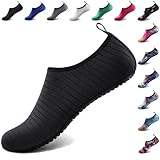
Recommended European Lake Travel Gear



Best Alpine Lakes in Europe for Jaw-Dropping Scenery
If you are the type who needs mountains in the background of every photo, alpine lakes are your thing. These are the lakes that sit tucked between peaks, with water so clear you can count the pebbles on the bottom.
Lake Bled, Slovenia
Lake Bled is probably the most photographed lake on this entire continent, and honestly, it earns it. A tiny island with a church sits in the middle of a glacial lake, a medieval castle clings to the cliff above, and the Julian Alps frame the whole scene like a postcard. You can take a traditional pletna boat to the island and ring the wishing bell at the top of 99 stone steps. The best time to visit is early morning in September or October when the crowds thin out and the fall colors are ridiculous. If you are planning a spring trip across Europe, Bled is equally gorgeous with blooming wildflowers surrounding the shoreline.
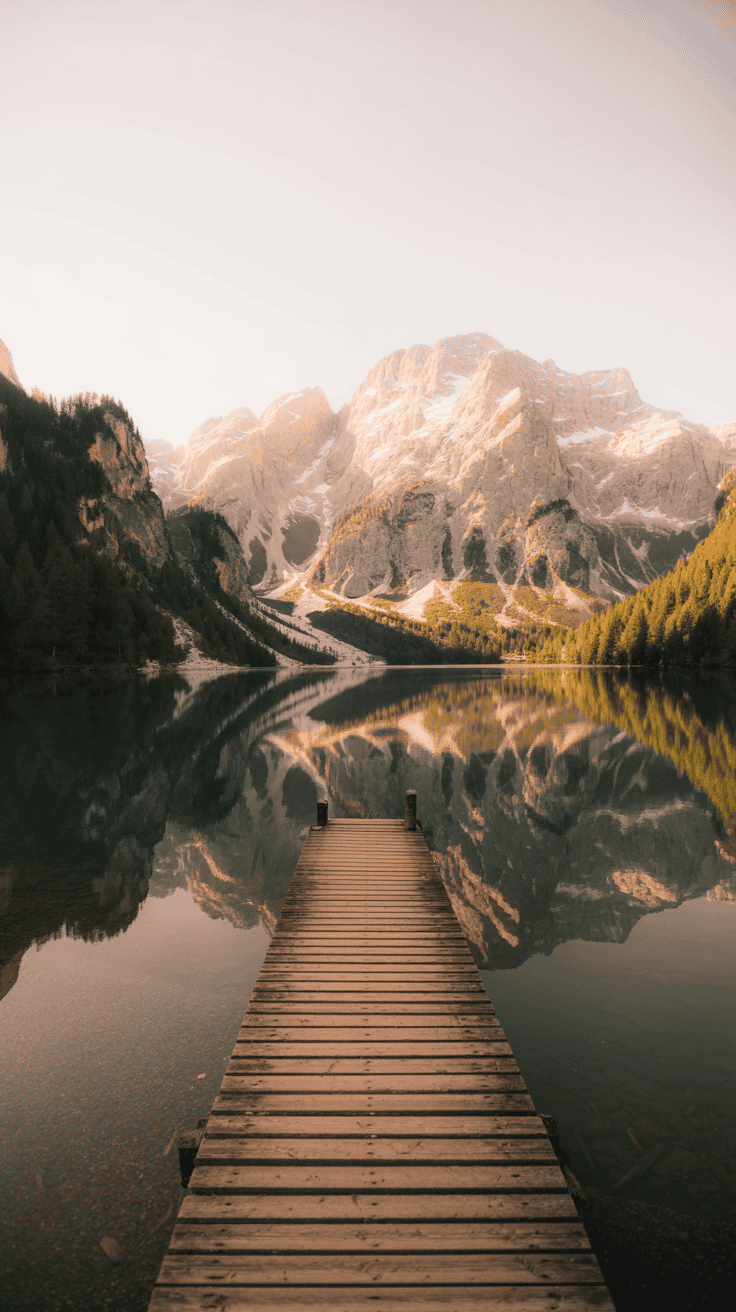
Lake Braies (Pragser Wildsee), Italy
Lake Braies in the Dolomites is one of those places that looks fake until you see it in person. The emerald green water sits at the base of towering limestone cliffs, and there is a small wooden boathouse that has become one of the most recognizable images in European travel photography. Getting there early is non-negotiable because parking fills up by 9 AM in summer. The lake is small enough to walk around in about an hour, which makes it a perfect half-day stop if you are road-tripping through northern Italy.
Eibsee, Germany
Sitting at the foot of the Zugspitze (Germany’s tallest peak), Eibsee is everything you want an alpine lake to be. The water reaches about 20 degrees Celsius in summer, which is warm enough for swimming if you are not too precious about it. A 7-kilometer trail circles the entire lake, and there are several small islands you can paddle to by kayak or SUP board. The Caribbean-blue color of the water catches most first-time visitors off guard.
Best Lakes in Europe for Swimming
Not every European lake is freezing cold glacier water. Some are genuinely warm, clean, and perfect for spending an entire afternoon floating around without a care.
Lake Annecy, France
Lake Annecy in the French Alps is often called the cleanest lake in Europe, and after swimming in it, I believe it. The water is so transparent that you can see the bottom from the surface in most spots. The medieval town of Annecy sits at the north end with its flower-lined canals and pastel-colored buildings, and there are public beaches scattered along the eastern and western shores. Water temperatures in July and August hover around 24 degrees Celsius, which is about as warm as European lakes get. Rent a paddleboard or just float, because the mountain views from water level are something else entirely.
Lake Ohrid, North Macedonia
Lake Ohrid is one of the oldest lakes in the world (we are talking millions of years) and one of the most underrated swim spots in all of Europe. The water is warm in summer, the prices are a fraction of what you would pay in Western Europe, and the UNESCO-listed Old Town of Ohrid is one of the most charming small cities on the continent. There are small pebbly beaches tucked along the shore, boat trips to the monastery of Saint Naum, and restaurants where you can eat fresh trout right on the waterfront for almost nothing. This is one of those safest countries in Europe that most travelers overlook completely.
Lake Garda, Italy
Italy’s largest lake stretches from the foot of the Dolomites down into the flatlands of Lombardy, and it has a split personality. The northern end is narrow, dramatic, and popular with windsurfers. The southern end is wider, warmer, and dotted with cute lakeside towns like Sirmione and Lazise. Summer water temperatures reach 25 degrees Celsius in the south, which makes it one of the warmest large lakes in the Alps. Sirmione’s thermal baths are worth a detour, and the town’s Roman ruins sitting right on the lake are unexpectedly impressive.
Hidden Gem Lakes in Europe Most Tourists Miss
The famous lakes get the fame for a reason, but some of the most beautiful lakes in Europe are the ones that barely show up on anyone’s itinerary. These are the spots where you might have an entire shoreline to yourself.
Lake Bohinj, Slovenia
Everyone goes to Bled. Fewer people make the 25-minute drive to Lake Bohinj, and that is exactly why you should. It is actually larger than Bled, quieter by a long shot, and sits inside Triglav National Park with hiking trails leading off in every direction. You can kayak across the lake, swim from the public beaches, or take the cable car up to Vogel for panoramic views that will ruin every other viewpoint for you. Bohinj is the lake locals keep to themselves.
Lake Prespa, Albania/Greece/North Macedonia
Straddling three countries and surrounded by wild, rugged mountains, Lake Prespa is about as off-the-beaten-path as European lakes get. There are pelicans here, ancient cave churches, and fishing villages that feel frozen in time. The Albanian side is the least developed (and cheapest), while the Greek side has a handful of guesthouses and tavernas. If you want a lake experience that feels genuinely untouched by mass tourism, Prespa is it.
Masurian Lake District, Poland
Poland’s Masurian Lake District has over 2,000 lakes connected by rivers and canals, and it is one of Europe’s best-kept outdoor secrets. Sailing, kayaking, and canoeing are the main activities here, and you can spend days paddling from lake to lake through forests and past medieval castles. The biggest lakes get crowded in July, but with that many options, finding a quiet one is never a problem. If you like the idea of a Scandinavian-style nature trip without the Scandinavian prices, this is where to go.
Best Lakes in Europe for Families
Traveling with kids means you need lakes with gentle shores, warm water, nearby facilities, and enough to do that nobody gets bored by lunchtime. These deliver on all counts.
Lake Constance (Bodensee), Germany/Austria/Switzerland
Lake Constance borders three countries and has the infrastructure to match. There are public swimming pools (called “Strandbader”) right on the lake, bike paths that are flat enough for kids, ferry boats connecting the main towns, and a flower island (Mainau) that is basically a giant botanical garden. The German side has the most family-friendly beaches, and the town of Konstanz has ice cream shops on every corner. A 260-kilometer cycling path circles the entire lake if your family is the adventurous type. If you are also planning ski holidays in Europe, the surrounding Alps are just a short drive away.
Lac de Sainte-Croix, France
This artificial lake in Provence has opaque turquoise water that looks like it belongs in the Caribbean. The shores are shallow and sandy in several spots, making it ideal for young swimmers. You can rent pedal boats, canoes, and even electric boats to explore the lake and the nearby Gorges du Verdon (Europe’s answer to the Grand Canyon). The surrounding villages are quintessentially Provencal with lavender fields, weekly markets, and outdoor cafes where you can actually relax while the kids play.
Most Beautiful Lakes in Eastern Europe
Eastern Europe is where you get the biggest bang for your buck for lake vacations. The scenery rivals anything in Switzerland or Italy, but the prices are dramatically lower.
Plitvice Lakes, Croatia
Plitvice Lakes National Park is a UNESCO World Heritage Site made up of 16 terraced lakes connected by waterfalls and cascading streams. The water shifts between shades of turquoise, green, and blue depending on the mineral content and the angle of the sun. Wooden boardwalks weave through the park, and the upper and lower lakes offer different vibes (the upper section is quieter and more forested). Go in April or October to avoid the summer crowds that can make the boardwalks feel like a theme park queue. Budget a full day because rushing through Plitvice would be a crime.
Lake Balaton, Hungary
Known as the “Hungarian Sea,” Lake Balaton is the largest lake in Central Europe and a summer playground for Hungarians and an increasing number of international visitors. The southern shore has shallow, warm water perfect for families (some spots only reach waist-deep 100 meters out). The northern shore is more rugged, with volcanic hills, wine cellars, and the charming town of Tihany perched on a peninsula. If you are exploring Hungary, pair this with a visit to see the warm winter destinations in Europe for shoulder-season travel ideas.
Frequently Asked Questions About European Lakes
What is the most beautiful lake in Europe?
Lake Bled in Slovenia is widely considered the most beautiful lake in Europe thanks to its island church, clifftop castle, and alpine backdrop. That said, Lake Braies in the Italian Dolomites and Plitvice Lakes in Croatia both give it serious competition depending on what kind of scenery you prefer.
Which European lakes are warm enough for swimming?
Lake Annecy in France, Lake Garda in Italy, Lake Balaton in Hungary, and Lake Ohrid in North Macedonia all reach comfortable swimming temperatures (22 to 26 degrees Celsius) during the summer months. The southern shores of Lake Constance and Lac de Sainte-Croix are also warm enough for a proper swim from June through August.
What are the best hidden gem lakes in Europe?
Lake Bohinj in Slovenia, Lake Prespa on the border of Albania, Greece, and North Macedonia, and Poland’s Masurian Lake District are three of the most underrated lake destinations in Europe. They offer stunning scenery and far fewer crowds than the famous spots.
When is the best time to visit European lakes?
June through September is peak season for swimming and water sports. For fewer crowds and lower prices, aim for May, early June, or September through mid-October. Alpine lakes can be cold even in summer, so check water temperatures before packing your swimsuit. Spring is also a great time to explore the wanderlust-inspiring side of Europe.
Key Takeaways
- Lake Bled, Lake Braies, and Eibsee are the top alpine lakes for dramatic mountain scenery and turquoise water.
- Lake Annecy and Lake Garda are the best picks if warm swimming water is your priority.
- Lake Bohinj, Lake Prespa, and the Masurian Lake District are hidden gems with a fraction of the crowds.
- Eastern European lakes like Plitvice, Ohrid, and Balaton offer world-class beauty at budget-friendly prices.
- Visit between June and September for the warmest water, or aim for May and October for fewer tourists.
Final Thoughts
Europe is full of lakes that look almost too perfect to be real. Whether you want to swim, hike, or just sit on a shore with a good book, these spots deliver. The hardest part is choosing which one to visit first.