
The coquette aesthetic is a hyper-feminine decor style built on soft pinks, bows, ribbon, lace, and vintage florals. It turns a room romantic and dreamy through dainty details, pearls and gold, and soft layered texture. Done well, it reads grown-up and pretty, not like a nursery.
Coquette took over fashion first. All bows and ballet flats and ribbon in the hair. Then it walked straight into the home. The decor version keeps the same vocabulary, soft, feminine, romantic, and applies it to a space you actually live in.
The risk with coquette is obvious. Do it lazily and a room looks like a toy aisle. Do it with intention and it looks like a vintage Parisian bedroom. Below is what the coquette aesthetic really is, where it came from, its seven core elements, how it differs from the styles it gets confused with, and how to tell if it is yours.

Recommended Coquette Decor Products
Seven pieces, one for each core element below. Each is a small, low-commitment way to test the aesthetic before you fully commit a room to it.


Recommended blogs to read:
- the soft cottagecore bedroom look
- French country style at home
- styling a French country coffee table
- a light coastal bedroom
- bolder retro 70s decor
What Is the Coquette Aesthetic?
Coquette is a hyper-feminine aesthetic rooted in soft, romantic girlhood. The word means flirtatious in a charming, playful way, and the style leans all the way into that. Bows, ribbon, lace, vintage florals, pearls, and a palette of soft pinks and creams. It grew out of the soft-girl and balletcore movements and became its own thing, with its own visual rules.
In home decor, coquette translates to a space that feels tender and styled. Think a vintage Parisian bedroom, a ballet dancer’s dressing room, the inside of a jewelry box. It is unapologetically pretty. Where a lot of modern decor chases cool and restrained, coquette goes the other direction entirely and chases charm.
The line between coquette done well and coquette done badly is intention. A few well-placed bows, a vintage floral print, a soft pink that leans warm rather than candy: that is coquette. Everything pink, everything frilly, nothing edited: that is a costume. The aesthetic rewards a light, deliberate hand.
It is worth saying plainly that coquette is not a kids’ aesthetic, even though the pink and the bows can read that way at a glance. The reference is grown-up. A French boudoir, a vintage powder room, the dressing table of someone who collects perfume bottles. The difference is in the materials and the restraint. Aged brass instead of plastic gold. A faded antique floral instead of a cartoon one. Real lace instead of a frilly trim. Get the materials right and coquette reads as a sophisticated grown woman’s room, which is exactly what it is meant to be.
Where Did Coquette Come From?
Coquette did not appear from nowhere. It grew out of the soft-girl aesthetic, which was already leaning gentle and feminine, and balletcore, which pulled in the satin, the ribbon, and the dancer’s-dressing-room mood. Coquette took both and added a vintage romance the others did not quite have. The faded florals. The lace. The slightly old-fashioned prettiness.
It spread fast on Pinterest and TikTok, first as a fashion tag and then as a way to decorate. The bow became its mascot. And once it had a name and a clear visual rulebook, people started building whole rooms around it rather than just adding a ribbon here and there. That is the usual tipping point for an aesthetic going mainstream.
The 7 Core Elements of Coquette
Coquette is consistent. The same seven ingredients show up in every well-executed version of the look.
1. Soft pink and pastel color


Soft pink is the signature, but the coquette palette is broader than people think. Ballet pink, dusty rose, cream, ivory, and champagne form the base. The pinks that work are warm and slightly muted, never neon and never bubblegum. White and blue coquette variants also exist and read more grown-up if pure pink feels like too much. For the full breakdown, the coquette color palette guide covers a dozen-plus schemes with hex codes.
2. Bows, ribbon, and lace everywhere

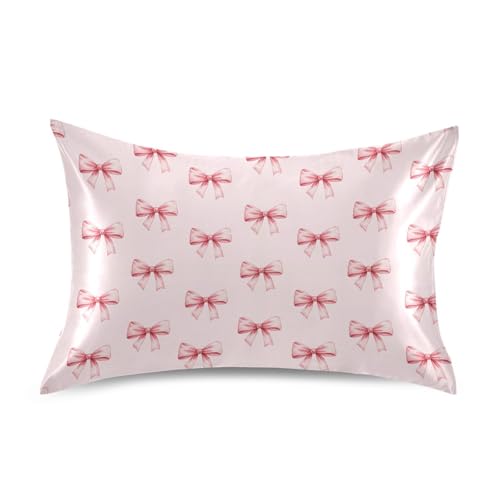
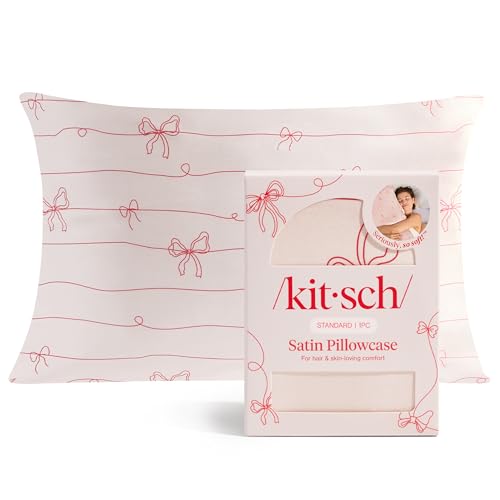

If one motif defines coquette, it is the bow. Bows on cushions, ribbon tied around vases and lamp bases, lace at the window and over surfaces. These details are the fastest way to read coquette, and also the easiest to overdo. A few intentional bows beat a bow on everything. Restraint is what keeps it from sliding into costume.
3. Vintage and feminine florals


Floral patterns are core to coquette, but specifically vintage-feeling ones. Faded roses, ditsy prints, the kind of florals you would find on old wallpaper or a grandmother’s linens. They show up on bedding, curtains, art, and upholstery. Fresh and dried flowers in the room itself reinforce the same idea, and they cost almost nothing.
4. Pearls, gold, and dainty details




Coquette loves a small precious detail. Pearl accents, soft gold frames and hardware, dainty trinket dishes, perfume bottles, little styled objects on a vanity. These touches add the jewelry-box quality that separates coquette from a plainly pink room. The coquette furniture that anchors a room, like a vintage vanity, gives these small details somewhere to live.
5. Soft, layered texture


Texture in coquette is all softness. Ruffles, sheer fabrics, velvet, plush throws, tulle, quilting. Layering these soft textures is what makes a room feel cozy and romantic rather than flat and one-note. A sheer curtain over a heavier one. A quilted throw on a velvet chair. A ruffled cushion against linen bedding.
6. Romantic, dreamy lighting


Coquette lighting is soft and warm, never harsh. A small chandelier, bedside lamps with pretty shades, fairy lights, candles. The goal is a gentle glow that flatters the soft palette. As with most aesthetics, the overhead big light is best left off. Warm bulbs do the rest.
7. Styled, pretty, displayed

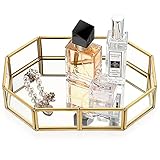


Coquette is a displayed aesthetic. Perfume on a tray, ballet flats by the vanity, books stacked just so, jewelry left out as decoration. It is not about hiding everything in storage. It is about treating your pretty things as part of the room. The discipline is keeping the displays styled rather than cluttered. The coquette wall decor follows the same rule: full, but composed.
Coquette vs Balletcore vs Cottagecore vs Soft Girl
Coquette gets tangled up with three nearby aesthetics. Here is where the lines actually fall.
Balletcore is coquette’s closest cousin, built specifically around ballet. Leotard pinks, satin, ribbon, the dancer’s dressing room. Coquette is broader. It takes balletcore’s softness but adds the vintage florals, the lace, the wider romantic vocabulary. Balletcore is a subset. Coquette is the umbrella.
Cottagecore is also soft and floral, but it is pastoral and rustic where coquette is dainty and refined. Cottagecore is a farmhouse kitchen. Coquette is a Parisian boudoir. If you want the warmer, more countryside version of soft and floral, that is closer to the soft cottagecore bedroom look. Soft girl is the broadest term of the four, more of a general gentle-and-feminine mood than a specific decor style. Coquette is soft girl with a defined visual rulebook: the bows, the florals, the pearls, the pink.
How to Tell If Coquette Is Your Style
The honest gut check: coquette is for you if you genuinely love pretty things and have spent years quietly worried that pretty is not sophisticated. It is an aesthetic that gives you full permission to be soft, romantic, and a little indulgent with your space.
It is also one of the most affordable aesthetics to try, because so much of it is small. A bow, a ribbon, a vintage floral cushion cover, a thrifted gold frame. You can test it on one shelf or one corner before committing a whole room. And if pure pink feels like too much for you long-term, the white and blue coquette variants give you the same softness in a more neutral package.
One more honest note. Coquette has a shelf life concern, because it is a named trend and trends move. The way to future-proof it is to lean on the elements that are not going anywhere: vintage florals, real lace, soft warm color, good lighting. Those have been in rooms for a century and will outlast the bow as a mascot. Treat the bow as the seasoning, not the meal, and a coquette room ages gracefully instead of looking dated in two years.
If any of that resonates, start with the color and one or two well-chosen bows. The rest builds itself, and the full coquette home decor guide maps out every room when you are ready.
Read also: how to achieve the coquette aesthetic, a soft, romantic coquette bedroom, a soft coquette living room.
Frequently Asked Questions
What is the coquette aesthetic?
Coquette is a hyper-feminine decor and fashion aesthetic built on soft pinks, bows, ribbon, lace, vintage florals, and pearls. In the home it creates a romantic, dreamy space that feels like a vintage Parisian bedroom or a jewelry box.
Where did coquette come from?
Coquette grew out of the soft-girl and balletcore movements and became its own defined aesthetic. The word means charmingly flirtatious, and the style leans fully into romantic, playful femininity. It spread on Pinterest and TikTok with the bow as its mascot.
What is the difference between coquette and balletcore?
Balletcore is built specifically around ballet: leotard pinks, satin, and ribbon. Coquette is broader. It keeps balletcore’s softness but adds vintage florals, lace, and a wider romantic vocabulary. Balletcore is a subset of coquette.
Is coquette only pink?
No. Soft pink is the signature, but white coquette and blue coquette variants are popular and read more grown-up. The palette also includes cream, ivory, and champagne, so the look does not depend on pink alone.
Is the coquette aesthetic still trendy in 2026?
Yes. Coquette remains a strong search and decor trend, with growing interest in the white and blue variants and in coquette decor on a budget.
Key Takeaways
- Coquette is a hyper-feminine aesthetic built on soft pinks, bows, ribbon, lace, vintage florals, and pearls.
- It grew out of the soft-girl and balletcore movements, spreading on Pinterest and TikTok with the bow as its mascot.
- Its seven core elements are soft pastel color, bows and lace, vintage florals, pearls and gold details, soft layered texture, romantic lighting, and styled displays.
- The difference between coquette done well and badly is intention. A light, deliberate hand reads Parisian. Everything frilly reads costume.
- It is affordable and easy to test, and the white and blue variants give the same softness in a more grown-up, neutral package.
Final Thoughts
Coquette is permission, more than anything. Permission to want a pretty room, to leave your nice things out, to choose charm over cool. The whole aesthetic comes down to a light hand and a few well-chosen details: the right soft pink, a couple of intentional bows, a vintage floral, soft warm light. Get those right and the room reads romantic and grown-up, not like a toy aisle. Start small, stay deliberate, and let it build.