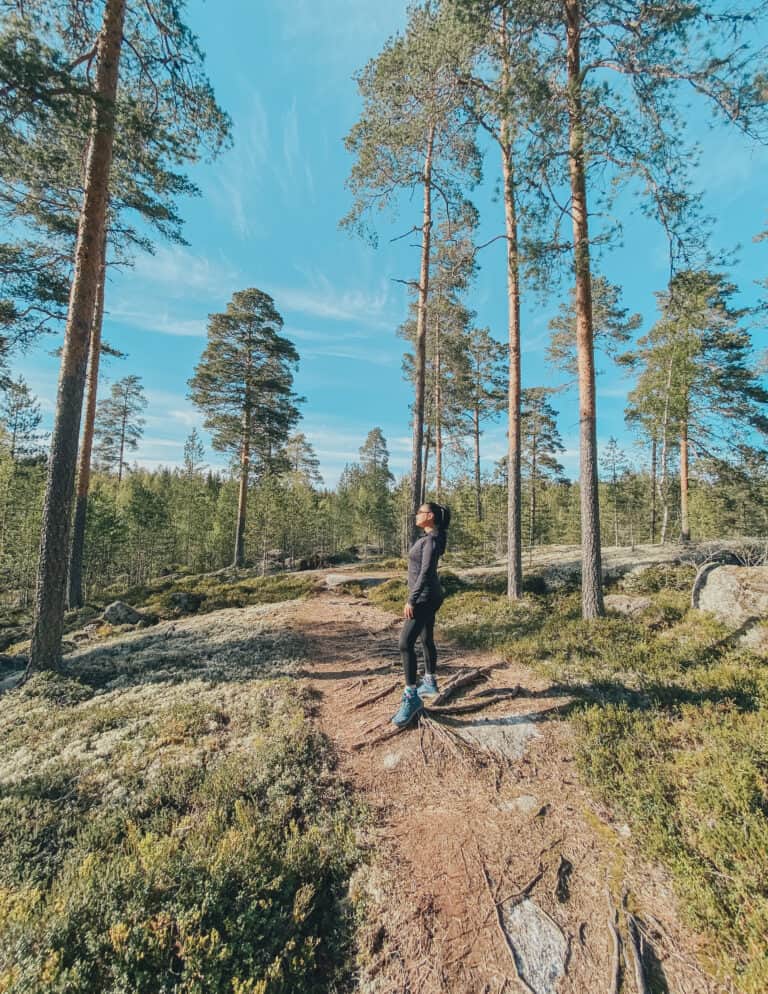
Quick answer: The best things to do in Kosterhavet National Park include kayaking through the archipelago, snorkeling over cold-water coral reefs, hiking the trails on South and North Koster, cycling the car-free island roads, and joining a seal safari by boat. The park is free to enter and easiest to visit from June through September.
Kosterhavet National Park is not the kind of national park most people picture. There are no towering mountain peaks or dense forests here. Instead, you get Sweden’s only marine national park: a stretch of the Skagerrak Sea filled with cold-water coral reefs, seal colonies, and over 6,000 documented species living beneath the surface. The park wraps around the Koster Islands, about 45 minutes by ferry from the small coastal town of Stromstad in western Sweden.
Most visitors come for the islands themselves. South Koster is flat, quiet, and almost entirely car-free, which makes it perfect for cycling. North Koster is hillier and wilder, with better beaches and more dramatic coastline. Between the two, you get a mix of kayaking, hiking, wildlife watching, and some of the freshest seafood you will eat anywhere in Scandinavia.
This guide covers what to actually do when you get there, how to reach the islands, when to visit, and what to expect from a place that still flies under most tourists’ radar.
Recommended Gear for Kosterhavet
Recommended Kosterhavet Travel Products



Best things to do in Kosterhavet National Park
Kosterhavet covers about 390 square kilometers of sea, coastline, and islands. Most of the activities center around the water, but the islands have plenty to offer on land too. Here is what is worth your time.
Kayak through the archipelago
This is the single best way to experience Kosterhavet. You paddle through sheltered channels between granite islands, passing seal colonies, seabird nesting sites, and water so clear you can see straight to the bottom. Several outfitters on South Koster rent single and tandem kayaks, and guided tours run daily in summer. A half-day tour typically costs around 600-800 SEK per person. No previous experience is required for the calmer routes between the islands.
Snorkel or dive the cold-water coral reefs
Kosterhavet is home to Sweden’s only cold-water coral reef, the Koster trench, which drops to 247 meters deep and creates conditions for marine life you would not expect this far north. Snorkeling works best in the shallow areas around the islands where visibility is good in summer. If you are a certified diver, several operators run trips to deeper reef sites where you can see anemones, sponges, and the coral formations up close. Water temperatures hover around 15-18 degrees Celsius in July and August, so a wetsuit is essential.
Hike the island trails
Both Koster Islands have marked hiking trails. North Koster has two signposted loops of about 5.5 kilometers each that wind through rocky terrain, past hidden coves, and along exposed coastline with views across to Norway. The trails on South Koster are flatter and easier, running past meadows, small farms, and the Naturum visitor center. If you only have time for one hike, the North Koster coastal loop is the better choice. Bring sturdy shoes since the granite rock can be slippery when wet.
Cycle around South Koster
South Koster is almost entirely car-free, and the island is only about 8 square kilometers. That makes it one of the most relaxed cycling destinations in Sweden. You can rent bikes near the ferry terminal and cover the entire island in a few hours, stopping at fishing villages, beaches, and the occasional cafe along the way. The roads are flat and well-maintained. Kids can handle the routes without any problems, which makes this a solid family activity.
Take a seal safari
Kosterhavet is home to the largest seal colony in Sweden. Boat tours head out to the outer skerries where harbour seals haul out on the rocks, and you can often get surprisingly close without disturbing them. Tours typically run from June through August and last around two hours. Some operators combine the seal safari with a stop at a remote island for swimming or a seafood lunch. Book ahead in July since these fill up fast.
Visit the Naturum visitor center
The Naturum on South Koster is the park’s main information center, and it is more interesting than it sounds. The exhibits cover the marine ecosystem in the Koster trench, the coral reefs, and the history of fishing in the area. There is also an aquarium with local species. It is free to enter and open year-round, though summer hours are longer. Rangers based here can point you toward the best trails and activities for the current conditions.
Eat fresh seafood on the islands
The Koster Islands are known for some of the best shellfish in Sweden. Local restaurants serve shrimp, crab, lobster, and oysters caught the same day, and the prices are lower than what you would pay in Gothenburg or Stockholm for the same quality. In autumn, the islands host lobster parties and shellfish safaris that end with a group feast. If you visit in summer, look for the smaller harborside spots on South Koster where fishermen sell directly from their boats.
How to get to Kosterhavet National Park
The gateway to Kosterhavet is Stromstad, a small coastal town in western Sweden near the Norwegian border. From Gothenburg, it is about a 2.5-hour drive north along the E6 highway, or you can take a direct bus. From Oslo, the drive is around 2 hours south.
From Stromstad’s north harbor, Vasttrafik ferries run to the Koster Islands. The ride takes about 45 minutes and runs frequently in summer (every 30 minutes from July to mid-August). Off-season ferries are less frequent, so check the schedule in advance. The ferry fare is included in the regular Vasttrafik public transport ticket, which keeps costs low. You cannot bring a car to the islands, but you do not need one since everything is walkable or bikeable.
Best time to visit Kosterhavet National Park
June through September is the best window. July and August bring the warmest water temperatures for swimming and snorkeling, the longest daylight hours, and the most frequent ferry service. This is also when kayak tours, seal safaris, and other guided activities run daily.
May and early June are quieter with wildflowers blooming across the islands, but water activities are limited by colder temperatures. September and October bring the shellfish season, when lobster parties and Scandinavian outdoor experiences take center stage. The Naturum visitor center stays open year-round, but most restaurants and activity operators close from November through April.
Tips for visiting Kosterhavet
Pack layers. Even in July, the sea breeze keeps temperatures cooler than the mainland. A windproof jacket is worth bringing even on sunny days.
Book accommodations early. The Koster Islands have limited lodging, mostly small guesthouses and a few camping spots. July fills up months in advance. Stromstad has more options if the islands are booked out.
Bring cash for small vendors. Most restaurants and shops take cards, but some of the harborside fish sellers and smaller cafes on North Koster are cash-only.
Rent bikes at the ferry terminal. South Koster’s bike rental is right next to where the ferry docks. Grab one before they run out on busy summer days.
Respect the marine environment. Kosterhavet’s coral reefs are fragile. If you snorkel or dive, avoid touching the bottom. Anchoring is restricted in certain zones to protect the reefs.
Frequently asked questions
Is Kosterhavet National Park free to visit?
Yes. There is no entrance fee for Kosterhavet National Park. The Naturum visitor center is also free. The main cost is the ferry from Stromstad to the Koster Islands, which is covered by a standard Vasttrafik public transport ticket.
Can you swim in Kosterhavet National Park?
Yes. Both Koster Islands have beaches suitable for swimming. Kilesand and Rorviks on South Koster are the most popular. Water temperatures reach around 18 degrees Celsius in July and August. The beaches are rocky in places, so water shoes help.
How long should you spend at Kosterhavet?
A full day is enough to see the highlights of one island. Two to three days gives you time to explore both islands, do a kayak tour, take a seal safari, and eat your way through the local seafood spots. If you are combining it with a larger Scandinavian road trip, one overnight on the islands is a good pace.
Is Kosterhavet good for families with kids?
Very much so. The car-free roads on South Koster make cycling safe for children. The beaches have shallow, calm water in sheltered coves. The Naturum has kid-friendly exhibits, and crab fishing off the docks keeps younger children entertained for hours. Several guided tours are designed with families in mind.
Key Takeaways
- Kosterhavet is Sweden’s only marine national park, covering 390 sq km of sea and coastline around the Koster Islands
- Top activities: kayaking, snorkeling coral reefs, hiking, cycling car-free South Koster, seal safaris, and eating fresh shellfish
- Free to enter; ferries from Stromstad take 45 minutes and run on regular public transport tickets
- Best visited June through September; book island lodging well in advance for July
- Combine with a wider Scandinavian road trip or use Stromstad as a base for day visits
Final Thoughts
Kosterhavet feels like a secret that Sweden has been keeping from the rest of the world. The pace is slower, the coastline is wilder, and every kayak stroke feels earned. If you want a national park that trades crowds for coastline, this is the one.