
Quick Answer: A real European winter sun destination has to clear two bars: at least five hours of usable sunshine a day in January and an average daytime high above 65°F. Only the southern Canary Islands, southern Cyprus, southern Madeira, and Malta clear both reliably. Everything else on the standard winter-sun list is a maybe, a sometimes, or a marketing answer to a different question.
Last updated: May 2026 · Prices and opening hours verified May 2026.
Pull up the south Tenerife weather record for January 2026 and the chart reads like a printout of someone’s idea of mercy: 71°F average high, 6.5 hours of sun a day, less than an inch of rain across the whole month. The same chart for Mallorca, 250 miles north on the same map: 58°F average high, 4.8 hours of sun a day, two inches of rain. Mallorca is on every winter-sun listicle ever published. South Tenerife is on the same lists. They don’t deliver the same trip.
The honest test for “winter sun” is whether the destination clears both the sun-hours bar and the temperature bar consistently across the worst statistical week of the year. Five hours of usable sun per day is the threshold where the holiday actually feels like one and the hotel pool gets used by someone other than the hotel cleaner. 65°F is the threshold where lunch outside is comfortable and a swim past the breakers stops being an act of pride. Plenty of destinations that appear on the standard British and German winter-sun rosters miss one bar or the other.
So this is a winter-sun guide sorted into four tiers by what the weather data actually delivers. Pure winter sun for the small handful of destinations that clear both bars reliably. Reliable winter sun for the slightly cooler tier that still works. Maybe winter sun for the places that fall short on one metric but hold up on the other. And a quiet reality-check tier for the destinations that should be left off the list. For the December-specific deep dive, the warmest places in Europe in December guide goes deeper. For the broader Mediterranean context, the places to visit in the Mediterranean piece handles that.
Booking the January trip where the forecast actually delivers six hours of sun a day and a hotel pool you can use?
The Ultimate Europe Trip Planner maps the actual climate data (sun hours, average high, rain probability) against the trip you want, so the destination clears both bars before the deposit clears the bank. Currently just $17 before the price goes up to $27.
Packing the Winter-Sun Trip
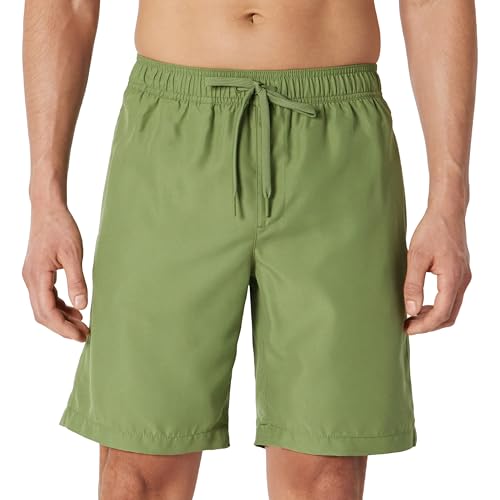
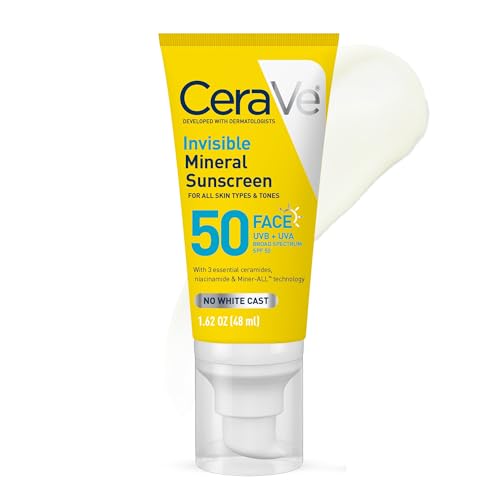
A January trip to the Canaries or Cyprus runs hot at noon and cool by dinner. The packing target is breathable daytime kit (linen, cotton, light layers) plus one solid evening layer for the eight pm drop in temperature. Throw in proper sun protection (the UV is stronger than the air temperature suggests, especially at latitude), travel-friendly resort wear, and slip-on sneakers you can move from sand to evening promenade without a costume change. A handful of items below earn their carry-on space three different ways.





Where Is Pure Winter Sun in Europe?
The places that clear both bars by a comfortable margin in January. Sun shows up almost every day. The pool gets used. The morning swim is uncomplicated. There are only a handful of European destinations that qualify, and they cluster south of the 28th parallel within reach of the Trade Winds and the African coastal heat.
1. South Tenerife
Of the four pure winter-sun destinations on the European map, this is the one that clears both threshold bars by the widest margin. South Tenerife averages 71°F daytime highs in January with 6.5 hours of usable sun a day, against a working bar of 65°F and five hours. Rain falls less than three days in a typical January. The ocean stays at 68°F. The mid-January package crowd is heavy British and German; for a quieter version, the small towns west toward Los Gigantes thin out the resort density and the cliffs run high.
Read also: things to do in Spain.
2. Lanzarote
The trade winds are the thing to plan around. They blow steady across the African coast and hit the island broadside, which means the 69°F daytime high feels closer to 65°F by four in the afternoon when the breeze picks up. That same wind is also the draw: Lanzarote has become a kitesurfing and windsurfing capital from November through March, with the Famara coast in the north running the wave scene and Costa Teguise in the east running the steady-wind board scene. The volcanic landscape does the rest. Timanfaya National Park in the south still runs at 750°F a few feet below the surface from the 1730s eruptions, and the park rangers prove it daily by pouring water into a borehole and waiting three seconds for the geyser.
Read also: best beach destinations in Europe.
3. Larnaca and Paphos
An island closer to Beirut than to Athens runs winter highs at 65°F in the south with 5.7 hours of sun a day, which clears the bars by a small margin and earns the tier-one spot. Larnaca on the southern coast averages 63°F in January, Paphos a degree warmer thanks to the slight westward shift in latitude and the Troodos rain shadow. Sea temperature drops to about 63°F by February and reads cool for most non-locals; the hotel pool and the Hammam bathhouse fill the gap. Cyprus’s hill villages 30 minutes inland (Lefkara, Omodos) add the kind of cultural day that pure beach resorts can’t.
Read also: places to visit in the Mediterranean.
4. South Gran Canaria
Two completely different winter trips live on the same 600-square-mile island, and the Canary mountains in the middle keep them from blending. The northern half of Gran Canaria runs cooler, greener, more urban: working port city, museum quarter, college campus, the busy markets of Vegueta. The southern half runs hotter and dryer, with resort strips at Maspalomas and Playa del Inglés and Puerto Rico, the sand-dune nature reserve in the middle, and a January temperature that holds at 70°F with 6.4 hours of usable sun a day. Pick the island and decide which version you want on the way to the rental car: the city break or the resort week.
Read also: best beach cities in Europe.
Where Is Reliably Sunny in Winter Without the Crowds?
The places that clear the bars most days, with a higher rain count than tier one and a less consistent daily forecast. The trip works. The daily margin for error is narrower. A wet morning is more common, but the afternoon usually delivers. Madeira, Malta, and the western Algarve all live here, and each has its own version of the winter shoulder season.
5. Madeira
A walking destination shows up on a winter-sun list because the math works without trying: 67°F average daytime high in January, 5.4 hours of sun a day, and trails that are mostly flat because they were cut centuries ago to carry water from the wet north to the dry south. Madeira’s draw is the levadas. Hundreds of miles of them snake through the laurisilva, a UNESCO-listed cloud forest that exists almost nowhere else on the planet. Funchal anchors the south coast as the small working capital; the satellite island of Porto Santo, an hour by ferry, holds the long pale sandy beach Madeira itself doesn’t have.
Read also: things to do in Portugal.
6. Malta and Gozo
An island wedged between Sicily and North Africa runs winter highs around 62°F in January with 5.3 hours of sun a day. Malta sits at the lower edge of the reliable tier. The catch is the wind. The north-coast gregale and the western majjistral pick up speed from December to February and turn cool days cold and warm days bracing. The pay-off is the city of Valletta, one of the densest historic centers in Europe, all 16th-century bastions and Baroque facades cut from golden limestone that glows orange when the early sun catches the walls.
Read also: the best beach destinations in Europe.
7. Western Algarve
The southern coast of mainland Portugal runs five degrees cooler than south Tenerife in January but delivers sun hours closer to the Canaries on a good week. Lagos, Sagres, and the Vicentine Coast inside the Costa Vicentina natural park hold up well as winter destinations because the surf scene runs year-round, restaurants stay open for the resident European-retiree population, and off-season prices run genuinely low. Average highs around 62°F with 5.5 hours of sun. The catch is the Atlantic-storm front that comes through every ten days or so and parks for two days at a time.
Read also: the complete Algarve guide.
Is Mainland Mediterranean Warm Enough in Winter?
The places that fall short on one of the two bars but still deliver something most January travelers from northern Europe would call a warm-weather trip. Sun is less consistent. Daytime highs are mild rather than warm. The swim becomes optional. The cultural and city-center half of the trip carries more weight here than in the first two tiers.
8. Costa del Sol
The Spanish southern coast around Málaga delivers a January average high of 62°F and 5.9 hours of sun a day, which is technically tier-two by the sun bar and tier-three by the temperature bar. The honest call is that Málaga, Nerja, and Estepona all deliver a January trip with most days walkable in light layers and the occasional swimmable beach day for the genuinely cold-water-tolerant. The Picasso Museum, the Alhambra in Granada (90 minutes inland), and Andalusian food do the rest of the work.
Read also: Andalusia itinerary.
9. Western Crete
The west coast of the largest Greek island pulls a 61°F January average high and 4.5 hours of sun. The trade-off versus the Canaries is significant on the sun-and-warmth axis. The pay-off is the cultural depth the Canaries can’t match. Chania holds a Venetian harbor where the buildings have been working since the 1300s. Off-season tavernas serve slow-cooked lamb. The empty hill villages of the Apokoronas all add up to a January trip that feels less like a beach holiday and more like a Greek life experience.
Read also: things to do in Greece.
10. Southern Sicily
The southeastern corner of the Italian island runs a 60°F January average high with 4.5 hours of sun. Temperature reads cool-mild rather than warm. The Sicilian baroque town circuit (Noto, Ragusa, Modica, Scicli, and the city of Syracuse on the small island of Ortigia) is one of the under-known cultural treats of the European winter. Chocolate from Modica. Citrus orchards in fruit through January and February. A wide-open landscape that doesn’t see another international visitor for miles.
Read also: things to do in Italy.
The Honest “Not Actually Winter Sun” Tier
The destinations that appear on the standard winter-sun listicles, often near the top, but that don’t in fact clear the working bars. Mild rather than warm. Rainy rather than sunny. Pretty in light winter clothes rather than swim-and-sun. The trip can still be good if you go in with realistic expectations. The complaint is the marketing, not the destination.
11. Mallorca
The largest Balearic island in January runs 58°F average high and 4.8 hours of sun, which is mild-pleasant but not winter-sun by any honest measure. Mallorca is genuinely beautiful in winter: orange groves in fruit, mountain villages quiet, the Tramuntana light in late afternoon turning the limestone gold. Most January visitors who go in knowing what to expect are fine. The complaint is the listicles that put Mallorca alongside south Tenerife and pretend they’re the same product. They aren’t.
Read also: best warm winter destinations in Europe.
12. Athens and the Athens Riviera
The Greek capital runs 56°F average high in January and 4 hours of sun, which puts the city firmly outside winter-sun territory. The Acropolis on a cool clear January morning is one of the great walks in European travel, but the swim and the lounger aren’t really on offer. Athens’s southern Riviera coast stretches the temperature up by about a degree but doesn’t change the fundamental answer. Worth visiting in January for the urban side. Not the answer for a beach week.
Read also: best cities in Europe to visit.
13. Naples and the Amalfi Coast
A wide southern Italian bay pulls 55°F highs and 4 hours of sun in January, which is closer to a London-in-late-March experience than to a winter-sun holiday. Naples and the Amalfi Coast shut down significantly between November and March (hotels close, the famous restaurants take their staff holidays), which makes the trip awkward even when the weather plays nice. The Naples city experience runs hard in any season, but a winter Amalfi trip isn’t the answer to the winter-sun question.
Read also: places to visit in southern Europe.
Want the January week where the forecast holds and the trip pays off the way the brochure promised?
The Ultimate Europe Trip Planner pulls 30 years of weather-station data into one bookable-comparison sheet, so the destination you pick clears both bars in your specific travel week. Currently $17 before the price moves up to $27.
| Tier | Destinations | Avg high | Sun hours/day |
|---|---|---|---|
| Pure winter sun | South Tenerife, Lanzarote, Gran Canaria, South Cyprus | 20-21°C / 68-71°F | 6-6.5 |
| Reliable | Madeira, Malta, Western Algarve | 17-19°C / 63-66°F | 5-5.5 |
| Maybe winter sun | Costa del Sol, Western Crete, Southern Sicily | 14-17°C / 58-63°F | 4.5-5 |
| Not really | Mallorca, Athens, Amalfi | 13-14°C / 55-57°F | 4 |
FAQ
Where is the warmest place in Europe in winter?
South Tenerife. The combination of 71°F average January high, 6.5 hours of sun a day, and 68°F sea temperature makes it the warmest European destination in any winter month by every objective measure. Lanzarote and Gran Canaria run within a degree of south Tenerife and offer the same product with slightly different island character.
Is Tenerife or Lanzarote better for winter sun?
South Tenerife is slightly warmer (71°F vs 69°F January high) and slightly stiller; Lanzarote is windier and arguably more visually striking thanks to the volcanic landscape and the consistent Manrique-designed architecture. For pure winter sun and pool weather, pick south Tenerife. For a more interesting island to explore beyond the beach, pick Lanzarote.
Can you swim in the sea in the Canaries in January?
Yes, with caveats. The sea around the southern Canaries (south Tenerife, south Gran Canaria, Fuerteventura) holds at 66°F to 68°F through January, which is swimmable for most people who try it. The Atlantic swell makes some south-coast beaches choppy; protected coves like Playa de las Teresitas on north Tenerife or the inside of Playa de las Canteras in Las Palmas are easier swims than the open Atlantic strands.
Is Cyprus warm enough in December?
Yes for sun and air temperature, no for sea swimming. Larnaca and Paphos pull 65°F highs in December and roughly six hours of sun a day, which delivers a pool-and-lounger trip. The sea has cooled to about 65°F by mid-December and drops further into January and February. Swim if you’re cold-tolerant; otherwise the hotel pool and the hill villages do the work.
Which European winter sun destination is cheapest?
Gran Canaria (Maspalomas) and Fuerteventura deliver the lowest weekly package prices among the pure winter-sun destinations, with January-February rates typically 30 to 40 percent below south Tenerife in the same week. Cyprus runs slightly more expensive (less package competition, longer flight from northern Europe). Malta in January is surprisingly cheap on accommodation because the wind keeps the casual tourist away.
How many sun hours does Madeira get in January?
Madeira pulls 5.4 hours of January sun on average, which clears the working winter-sun bar by a small margin. The island’s mountainous spine generates micro-weather (the north coast can be raining while the south is in full sun), so the trip experience varies by where you stay. Funchal and the south coast hold the sun-hour count; the northern villages run cooler and wetter.
Key Takeaways
- Real winter sun has to clear two bars: five hours of usable sun a day and 65°F average daytime high. Only the southern Canaries, southern Cyprus, southern Madeira, and Malta clear both reliably.
- South Tenerife is the warmest European winter destination by every objective measure (71°F, 6.5 hours of sun, 68°F sea).
- Gran Canaria and Fuerteventura undercut south Tenerife on cost by 30 to 40 percent in the same week with similar climate data.
- Mallorca, Athens, the Amalfi Coast, and most of mainland Andalusia don’t in fact qualify as winter sun by the two-bar test, even though most listicles include them.
- The sea-swim and the sun-lounger are two different bars. Cyprus delivers the sun and the lounger but not the swim by mid-winter; the Canaries deliver all three.
- Pack for a 55°F morning and a 70°F midday with a cool evening. The winter-sun day swings more than the summer-sun day does.
Final Thoughts on Picking the Winter-Sun Trip
Winter sun in Europe has a smaller honest map than the marketing suggests. Four destinations clear both bars by a comfortable margin (south Tenerife, Lanzarote, Gran Canaria, south Cyprus), three more clear them on most weeks (Madeira, Malta, western Algarve), and the rest of the standard list is either a city break with mild weather or a beach week with the swimming pool covered.
The good news is that the four pure winter-sun destinations all run good value in January compared with peak-season Mediterranean pricing. The bad news is that they fill up fast for the school holidays in mid-February. Booking timing is the single biggest cost variable; the same week in south Tenerife can cost 40 percent less in mid-January than in mid-February for almost identical weather.
Pick the destination by the two-bar test, book outside the half-term peaks, and the European winter holds up better than the latitude suggests. For the December-specific version of the same conversation, the warmest places in Europe in December guide takes a different cut. For the broader month-by-month view, the best warm winter destinations in Europe piece handles that.