
Quick Answer: Ranked by average daytime high in December, south Tenerife at 72°F is the warmest place in Europe, with Gran Canaria, Fuerteventura, and Lanzarote close behind. South Cyprus, Madeira, and Malta sit in the 63 to 67°F tier. Mainland Mediterranean coasts (Algarve, Andalusia, Sicily, southern Crete) hold the 58 to 63°F tier. Pick the warmth tier first, then the week.
Last updated: May 2026 · Prices and opening hours verified May 2026.
December in Europe is four different trips wearing the same calendar month. Week one runs quiet, with off-season prices and uncrowded beaches. Week two stays quiet, with the Christmas-market crowds beginning to thicken in the inland cities but the southern coasts still empty. Week three is the Christmas crush, when school holidays start, hotel prices triple, and the Canary Islands fill with British and German families. Week four is the New Year crush, with a slightly different visitor mix and an even sharper price spike on the popular islands.
The “warmest place in Europe in December” question gives different answers depending on which week you mean. If your week is the first half of December, the warmest place is also the cheapest and quietest version of itself. If your week is between Christmas and New Year’s, the warmest place is the most expensive and most crowded version. Temperature data doesn’t change much across the month (south Tenerife is 72°F in both early and late December), but the trip experience changes completely.
So this is a December ranking by the data: actual weather-station averages from the past decade for daytime high in December, with the additional layer of which week within the month each destination delivers best. Five tiers split at 68°F, 63°F, 58°F, 52°F, and the surprising microclimate cases. For the year-round winter version of the same conversation, see European winter sun destinations. For the month-by-month December-versus-January-versus-February cut, the best warm winter destinations in Europe piece is the right read.
Locking the December trip to the warmest spot in Europe that actually fits the week your office gives you off?
The Ultimate Europe Trip Planner sorts December warmth against price-by-week and crowd-by-week, so the destination clears the warmth bar without the Christmas-week premium. Currently just $17 before the price goes up to $27.
December Kit That Works in Both Climates
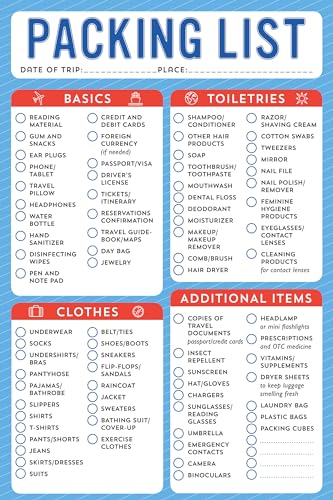
A December trip across Europe runs into two climates fast: warm-and-windy on the southern islands, cool-mild-and-wet on the mainland coasts. Packing target is dual-purpose: a layer for the 72°F Tenerife midday and the same layer for the 58°F Andalusian morning. A small umbrella that actually fits in a daypack. A linen-and-cotton mix that handles both the Atlantic Canaries breeze and the still Cyprus afternoon. Six pieces below pull double duty.




Where Is It 68°F or Warmer in Europe in December?
Only one corner of the European map clears the 68°F bar reliably across the whole of December. The southern Canary Islands run a microclimate held in place by the trade winds, the African dust band on the horizon, and the protection of the mountain spines on each main island. The result is the only consistently warm December destinations on the continent.
1. South Tenerife
The first week of December and the third week of December read like two different destinations on the same island. South Tenerife in early December: 72°F, half-empty hotels, mid-range packages selling for €450 a week with flights. Same island the week of December 23rd: 72°F, packed resorts, the same package at €1,800. The temperature doesn’t move. Everything else does. The Spanish, British, German, and Belgian school holidays converge on this strip, the most-booked European winter destination in any month, and the third week of December takes the hit. Book before December 15th or after January 6th. Same trip. Half the price.
Read also: things to do in Spain.
2. Fuerteventura
The wind is the first thing you notice when you step off the plane in December. It blows steady from the northeast across the African coast, hits the flat low island broadside, and barely loses speed until it reaches the next island over. The temperature reading is generous (70°F December average), but with the trade winds the perceived temperature drops a few degrees by mid-afternoon. The Sahara-dust haze occasionally tints the morning light a pale ochre. Morro Jable in the south holds the calmer leeward strip; Corralejo in the north fronts the dunes-and-surfers National Park. The trade-off for the wind is the best raw beach quality in the Canaries.
Read also: best beaches in Europe.
3. South Gran Canaria
A sand-dune system stretches three square miles down to the Atlantic at the southern tip of an island, the only landscape feature of its kind on the European map. The Maspalomas dunes move position with the wind every season. Camel trains still cross them at dawn for the tourist photo, but walk five minutes inland from the busy ridge and you can hear nothing but your own footfall on the ash-pale sand. Daytime highs run 70°F through December, the warmest of any beach-and-dune landscape on the continent. The resort strip at Playa del Inglés runs adjacent. The reserved nature side runs through the middle.
Read also: best beach cities in Europe.
4. Lanzarote
Of the four warm Canaries, this is the coolest on the temperature chart by less than a degree (69°F December average) and the strangest on the ground. The whole island looks like a lunar diorama: black lava fields, conical craters, the volcanic vineyards of La Geria where vines grow inside individual stone-walled craters dug into the ash. White village cubes with green-painted doors line the coast. The pool-and-beach side of the trip runs the same December numbers as the other Canaries. The off-beach side, with a rental car and a half-tank of fuel, is what separates Lanzarote from its siblings.
Read also: best warm winter destinations in Europe.
Where Stays in the 60s in Europe in December?
The next band on the map: warm enough to put the sweater on the chair and forget about it at lunch, cool enough that the evening calls for a light layer. These destinations clear the lounger-and-pool bar but the sea is now in the cool-not-cold zone where most northern Europeans tolerate it for short swims.
5. South Cyprus
Here is something that doesn’t appear on the standard December winter-sun listicles: you can swim in the Mediterranean at noon and stand in snow by mid-afternoon, all within an hour and a half’s drive. The Troodos range in the middle of Cyprus rises to 6,400 feet and collects a real snowpack between late December and early March. There is a small ski area at Mount Olympus, the most southerly ski slope in Europe. The coastal towns (Larnaca, Paphos, Limassol) average 65°F in December and run a swimmable-if-you-are-brave sea. The combination is unique on the continent.
Read also: European winter sun destinations.
6. Madeira
Funchal in December averages 67°F on the south coast and several degrees cooler on the northern levada walks. The island delivers a different December than the Canaries: less of a straight beach holiday, more a hiking-and-flowers experience, with the Funchal Christmas-fireworks display on New Year’s Eve as one of the strongest staged events in European winter tourism. The 2024 wildfire reshaped some of the western levada routes; check current trail status before booking specific walks.
Read also: things to do in Portugal.
7. Malta and Gozo
The smallest EU country runs December at 64°F with steady sun (5.6 hours a day on average) and mild rather than warm temperatures, with the wind making the perceived temperature feel a degree or two lower. Valletta in early December has the Baroque architecture, the warm-stone glow, and the small Christmas-light installations that make the capital feel like a Mediterranean version of a northern European Christmas city. Gozo runs quieter than Malta in winter; the small island’s ferry runs every thirty minutes from Cirkewwa.
Read also: places to visit in the Mediterranean.
8. Southern Crete
The Libyan Sea coast of the largest Greek island runs warmer than the northern coast by two to three degrees through December because of the Lefka Ori mountain range that splits the island. Plakias, Matala, and the small villages south of Chania and Rethymno empty out almost completely after October and reopen for foreign visitors gradually from March. December finds them sleepy, traditional, and surprisingly warm at 64°F. Tavernas serve slow-cooked lamb and the year’s late olive harvest. Sea is fine for confident swimmers.
Read also: things to do in Greece.
9. Costa de la Luz, Andalusia
The southwestern Atlantic coast of mainland Spain (Tarifa, Conil, Vejer, Cadiz) runs slightly cooler than the Mediterranean coast across the peninsula and slightly windier, with the Atlantic surf making this the surf-winter spot for European wave-hunters. December delivers 63°F and 6 hours of sun. The white villages of the hinterland (Vejer, Medina-Sidonia, Arcos de la Frontera) hold the cultural side of the trip; the long pale beaches hold the morning walks.
Read also: Andalusia itinerary.
Where in Europe Is Mild but Not Warm in December?
The mainland Mediterranean coasts that read mild and pleasant in early December but cool off noticeably by Christmas. The sea isn’t a serious swim option here. The city-and-cuisine side of the trip carries more weight than the beach side, which is the right framing for these destinations.
10. Algarve
The southern Portuguese coast in December runs cool-mild and rainier than the Canaries, with the western coast taking the brunt of the Atlantic fronts and the eastern coast (Tavira, Olhao) holding up better at 62°F. December prices on the Algarve run roughly half the August level, which is the trade-off the destination offers: temperature is mild not warm and the swim is brisk, but the package value is excellent and the local fish-and-clams kitchens stay open year-round for the retiree population.
Read also: the complete Algarve guide.
11. Sicilian South
Catania, Syracuse, and the Val di Noto baroque towns deliver a December that reads cool-Mediterranean rather than warm-Mediterranean. The pay-off is one of the strongest cultural circuits in southern Europe: Noto, Ragusa, Modica, Scicli, and the city of Syracuse on the small island of Ortigia. December averages around 61°F. The food (granita and brioche for breakfast, pasta alla Norma for lunch, slow-cooked rabbit alla cacciatora for dinner) is the kind of thing you remember the rest of the year. Mount Etna 90 minutes inland gets snow most Decembers.
Read also: things to do in Italy.
12. Costa del Sol
Málaga and the coastal strip east to Nerja and west to Estepona pull 62°F and 5.9 hours of sun in December, which is the cool-mild tier on this list. Málaga the city has become more interesting than the coast in the past decade (the museum cluster, the working old town, the food scene), so the trip increasingly anchors in the city and treats the beach as a daytime walk rather than the main event.
Read also: best beach cities in Europe.
13. Athens Riviera
The southern coastal suburbs of the Greek capital (Glyfada, Voula, Vouliagmeni) drop to 58°F in December, which puts the strip firmly in the mild-not-warm zone. The city side of Athens runs harder in December than the beach side: the Acropolis on a December morning is one of the great walks in European travel, the museums are uncrowded, and the food scene continues to deliver. Treat the December Athens trip as a city break with a beach option rather than the other way around.
Read also: best cities in Europe to visit.
The Border Tier: 52 to 58°F December Highs
The destinations that read “winter sun” on the tabloid lists but actually deliver mild-and-occasionally-warm rather than warm. The trip works as a winter break; it doesn’t work as a beach holiday. Set the expectation accordingly and these can be excellent low-cost December weeks.
14. Lisbon
The Portuguese capital in December runs 57°F mild, often sunny, occasionally Atlantic-stormy, and visually one of the most photogenic European cities in any season. The Cascais train still runs and the surf scene at Carcavelos and Guincho keeps going year-round; the swim is for the cold-tolerant only. Pastéis de nata, fado bars, and a dinner-at-eleven rhythm carry the trip. Lisbon prices are the lowest of the year in early December.
Read also: things to do in Portugal.
15. Rome and Naples
The two southern Italian capitals run mild in December at 55 to 57°F highs and pull 4 to 5 hours of sun a day. Rome in December is the city most underrated as a winter destination: queues at the Vatican Museums and the Colosseum drop by half, late-afternoon light on the travertine reads as the gold of the photographs, and December Christmas trees in the piazzas add a small layer of seasonal warmth. Naples runs similar numbers with more food-and-coffee weight.
Read also: best capital cities in Europe.
16. Barcelona and Valencia
The Spanish Mediterranean coastal cities sit just inside this tier in December (56°F highs, 5 hours of sun) and read as proper city-break destinations rather than beach destinations in the month. Barcelona’s Las Ramblas Christmas market, the Sagrada Família on a clear-bright December morning, and the Valencia post-Green-Capital pedestrian infrastructure all deliver a city-trip that the August heat tends to obscure.
Read also: the Barcelona travel guide.
The Surprising Tier: Microclimates Worth Checking
A handful of European destinations defy their latitude in December because of unusual microclimates. They don’t appear on the standard winter-sun lists because the broad regional weather forecast suggests otherwise, but the on-the-ground experience reads warmer.
17. Sorrento and the Sheltered Bay Towns
A partly enclosed sea sits at the foot of Vesuvius, and the southern shoreline communities along its rim run a degree or two warmer than the regional Naples forecast suggests. Sorrento and the small island of Procida sit on the warm side of the bay. December averages around 55°F at Sorrento but sees more sun than the Naples city itself, and the daytime air-temperature on the south-facing terraces feels closer to 59°F. The Amalfi Coast proper closes down significantly in December; Sorrento stays open and accessible.
Read also: things to do in Italy.
18. Mar Menor and Almeria Coast
An enclosed lagoon east of Cartagena holds a microclimate that moderates the temperature swings between day and night. The Mar Menor is one of the largest saltwater lagoons in Europe. December averages 63°F on the lagoon side, a degree warmer than the open coastal stretch. The Cabo de Gata natural park just south in Almeria delivers a December landscape of dry semi-desert and small white-village beaches, with daytime highs of 63°F and almost no foreign tourists.
Read also: less-visited travel destinations in Europe.
Want the December week that lands at 70°F and an empty cliffside pool, not the Christmas-week price spike?
The Ultimate Europe Trip Planner pairs week-by-week price data with the temperature data so the trip arrives at the warmth without the December crush. Currently $17 before the price moves up to $27.
| Tier | Destination | Dec avg high | Sun hours/day |
|---|---|---|---|
| Top (68°F+) | South Tenerife, Fuerteventura, Gran Canaria, Lanzarote | 21-22°C / 69-72°F | 6-6.5 |
| Reliable (63-67°F) | South Cyprus, Madeira, Malta, Southern Crete, Costa de la Luz | 17-19°C / 63-66°F | 5-6 |
| Sometimes (58-63°F) | Algarve, Sicilian south, Costa del Sol, Athens Riviera | 14-17°C / 58-63°F | 5 |
| Border (52-58°F) | Lisbon, Rome, Naples, Barcelona, Valencia | 13-14°C / 55-57°F | 4-5 |
FAQ
What is the warmest place in Europe in December?
South Tenerife is the warmest place in Europe in December, with an average daytime high of 72°F, 6.5 hours of sun a day, and a sea temperature of 70°F. The other warm Canary Islands (Fuerteventura, south Gran Canaria, Lanzarote) all run within two degrees of south Tenerife in the same week.
Where is 70°F in Europe in December?
The southern Canary Islands and only the southern Canary Islands. South Tenerife (72°F), Fuerteventura (70°F), south Gran Canaria (70°F), and Lanzarote (69°F) all clear the 68°F bar reliably in December. Everywhere else in Europe sits below 68°F average high in the month, including the southern Cyprus coast, Madeira, Malta, and the Sicilian and Algarve coasts.
Is it warm enough to swim in Cyprus in December?
The sea around Larnaca and Paphos sits at 65 to 66°F through December, which is at the cool edge of swimmable for most northern Americans. Cold-tolerant swimmers manage daily morning dips; less cold-tolerant visitors stay with the hotel pool (warmed in most cases). The air temperature at 65°F is comfortable for terrace lunches and long walks; the sea is brisker than it looks.
Is Madeira warmer than the Canaries in December?
No. Madeira’s south coast (Funchal) averages 67°F in December, which is 5°F below south Tenerife’s 72°F. Madeira is the more weekly-variable destination (the Atlantic micro-fronts make Madeira’s weather less consistent than the steadier Canaries), but on the average and on the consensus best-case day, the Canaries run warmer.
Where in Europe can you sunbathe in December?
The four warm Canary Islands (south Tenerife, Fuerteventura, south Gran Canaria, Lanzarote) are the only European destinations where mid-day sunbathing on a beach reads naturally in December. Cyprus, Madeira, and Malta deliver the lounger and the swimming pool but the air is too cool for serious mid-day sunbathing on the sand. Mainland Mediterranean coasts (Algarve, Andalusia, Sicily, Crete) don’t pass the sunbathe-on-the-sand test in December.
Is southern Spain warm in December?
Mild rather than warm. The Costa del Sol (Málaga, Nerja, Estepona) averages 62°F in December and the Costa de la Luz around Cádiz pulls 63°F. Both deliver a December trip with most days walkable in light layers, the cathedral-and-tapas circuit fully open, and the occasional bright day suitable for a beach walk. The sea is too cold for most swimmers. The Andalusian inland towns (Granada, Cordoba, Seville) run cooler than the coast in December.
Key Takeaways
- South Tenerife is the warmest European destination in December at 72°F average high, 6.5 hours of sun a day, and a 70°F sea.
- Only the four southern Canaries clear the 68°F bar reliably in December. Everything else, including Madeira and Cyprus, sits below it.
- The four weeks of December are four different trips. Mid-month is the price sweet spot; late December delivers the warmest crowd-and-cost premium.
- Cyprus, Madeira, and Malta deliver the warmth-without-the-Canaries-crowd trip in the 63 to 67°F tier with significantly lower volumes.
- Mainland Mediterranean coasts (Andalusia, Sicily, Algarve, Crete south) are mild not warm in December; treat as city-and-culture trips, not beach trips.
- Microclimate exceptions matter: Sorrento, the Mar Menor lagoon, and the Cabo de Gata park all run a degree or two warmer than the regional forecast suggests.
Final Thoughts on the December Map
The December question splits two ways. The first split is the warmth bar: if a 68°F average daytime high is the requirement, the answer is the southern Canaries and nothing else. If the bar drops to 63°F, the list expands to Cyprus, Madeira, Malta, southern Crete, and the Costa de la Luz, all of which deliver a milder version of the same trip with more cultural depth attached.
The second split is the week-within-the-month. First-half-of-December delivers the same temperature as Christmas week at half the price and a quarter of the crowd. The 19th to the 31st triples the price across the Canaries, with the New Year week the single most expensive of the year on south Tenerife. The honest December move is to book early-month if the calendar allows and accept the temperature data tells you exactly what to expect.
Pick the tier that matches your warmth requirement, book the week that matches your price requirement, and the December European map delivers something the rest of the continent doesn’t have on offer. For the January-February version of the same conversation, the European winter sun destinations guide covers that ground. For the all-three-winter-months month-by-month view, the best warm winter destinations in Europe piece is the sibling read.