Quick Answer: The best places to visit in Estonia in 2026 mix the medieval old town of Tallinn with university Tartu, the seaside resort Pärnu, and the Baltic islands of Saaremaa and Hiiumaa. Plan 7 to 10 days for a country loop, with at least 2 nights in Tallinn as your base.
Estonia is the smallest of the three Baltic states and easily one of the most underrated countries in Europe. Medieval old towns wrapped in intact city walls, more than 2,300 islands in the Baltic, the largest concentration of bogs in Europe, and a digital-first cultural identity that makes traveling there feel surprisingly modern. After multiple trips for Pretty Wild World, the 14 places below are the ones that consistently deliver in 2026.
This guide covers the top 14 best places to visit in Estonia, with a mix of cities, islands, national parks, and standout single sites. For wider trip planning, start with our best cities in Europe to visit pillar and slot Estonia in alongside Helsinki, Riga, or a wider Scandinavia loop.
Best Hotels in Estonia
These five hotels each anchor a different region of the country, so you can pick by where you want to base. All five have strong 2026 reviews and sit close to walking-distance attractions.
- Hotel Telegraaf – Tallinn Old Town luxury hotel with a quiet courtyard spa.
- Schlössle Hotel Tallinn – 13th-century merchant-house boutique inside the medieval walls.
- Swissôtel Tallinn – tower views over Old Town from a modern hotel.
- Hotel Lydia – modern Tartu boutique near the city center.
- Hedon Spa & Hotel – beachside Pärnu spa stay, the local summer favorite.
Top Tours to Book in Estonia
Estonia’s heaviest-context sites and the more remote islands all benefit from organized tours. These five are the consistent top picks for first-time visitors in 2026.
- Tallinn Old Town walking tour with local guide – Hanseatic merchant quarter introduction.
- Lahemaa National Park full-day from Tallinn – bogs, manors, coastline.
- Tartu and southern Estonia day tour – university town plus countryside.
- Saaremaa Island 2-day tour from Tallinn – Kuressaare Castle and traditional windmills.
- Viru Bog boardwalk and Palmse Manor day trip – Lahemaa highlights with transport.
Recommended Travel Essentials for Estonia
Estonia weather flips fast, especially on the coast and the islands. These five items keep coming with me on every Baltic trip.



Recommended blogs to read:
- Full guide to top 18 things to do in Tallinn
- Top things to do in Tartu Estonia
- Top things to do in Pärnu Estonia summer guide
- Best cities in Europe to visit on your next trip
Top 14 Best Places to Visit in Estonia
1. Tallinn Old Town
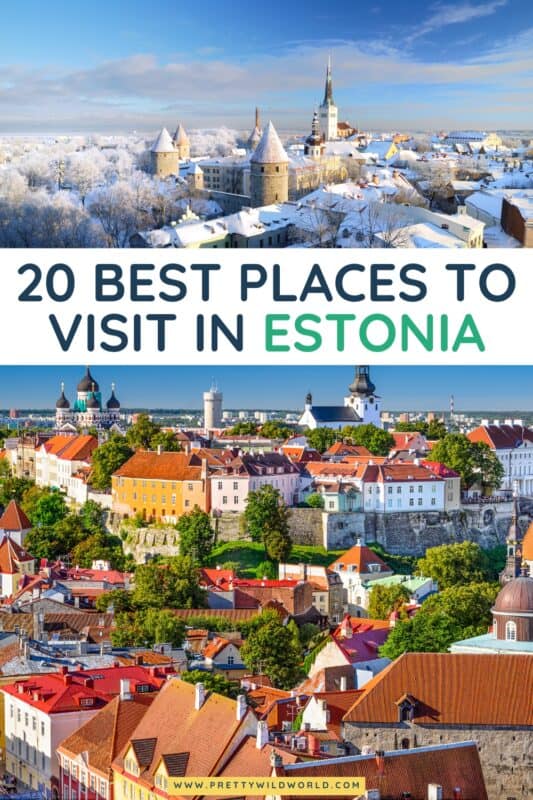
Tallinn has one of the best preserved medieval old towns in northern Europe, with intact 13th and 14th-century city walls, the original Town Hall (completed 1404, the oldest in northern Europe), and merchant houses still carrying guild crests. The upper town (Toompea) holds the cathedral and viewpoint platforms, while the lower town keeps the Hanseatic merchant character. Outside the walls, Telliskivi and Kalamaja have a creative cafe scene.
Practical tip: Tallinn is a 2-hour ferry from Helsinki, which makes a Baltic-Nordic combo trip easy. Plan 2 to 3 nights as your Estonia base. Walk the city wall watchtowers (Hellemann Tower) and the Kiek in de Kök bastion for the original defensive architecture.
Recommended read: Top 18 best things to do in Tallinn for first-time visitors
2. Tartu
Tartu is Estonia’s second city and its university town, founded in 1030 and home to the country’s oldest university (Tartu University, 1632). The compact old town has a young, creative energy thanks to the student population, and the Estonian National Museum (which opened in 2016) is one of the most architecturally striking new museums in Europe. Tartu was also a 2024 European Capital of Culture, and the buzz from that has held.
Practical tip: Tartu is 2.5 hours by bus from Tallinn. Plan 1 to 2 nights. Visit the AHHAA Science Centre with kids, the Estonian National Museum on a rainy day, and walk the Toomemägi park behind the Town Hall Square. The local craft beer scene is one of the best in Estonia.
Recommended read: Top things to do in Tartu Estonia
3. Pärnu
Pärnu is Estonia’s summer capital, a Baltic resort town with a long sandy beach, a wide pedestrian promenade, and the country’s most popular spa hotels. Locals flock here for July weekends, and the Old Town has gentle pastel-colored wooden houses and a 17th-century Tallinn Gate as its anchor. Pärnu is also one of the prettiest small cities in Estonia for a slow stay.
Practical tip: Pärnu is 2 hours by bus from Tallinn. Plan 1 to 2 nights, ideally between mid-June and mid-August for swimming. Try the local fish smoking at the Yacht Club Restaurant and walk the beach promenade at sunset.
Recommended read: Top things to do in Pärnu Estonia summer guide
4. Haapsalu
Haapsalu is a small western Estonian seaside town famous for its 13th-century Episcopal Castle ruins, a wooden Art Nouveau train station that no longer sees trains, and a long-standing reputation as a healing spa town since the 19th century. Russian composer Tchaikovsky stayed here in 1867, and there is a small Tchaikovsky bench by the castle that locals still maintain.
Practical tip: Haapsalu is a 90-minute drive from Tallinn. Plan a single overnight or a long day trip. Walk the castle grounds, the seaside promenade, and the wooden architecture in the old town. Visit the Ilon Wikland Center if you have kids. The Pippi Longstocking illustrator was from Haapsalu.
Recommended read: Top things to do in Haapsalu Estonia
5. Narva
Narva sits on the Estonian-Russian border and is the third largest city in the country. The 13th-century Hermann Castle on the Estonian side stares directly at the Russian Ivangorod Fortress across the Narva River, an unbroken visual reminder of centuries of border tension. Narva is more Russian-speaking than the rest of Estonia, which gives the food and cafe scene a different character. The Kreenholm textile factory ruins on the river island are an industrial heritage highlight.
Practical tip: Narva is a 2.5-hour bus or train from Tallinn. Plan a single overnight if you want a proper visit, otherwise it works as a long day trip. Climb the Hermann Castle Long Hermann tower for the river views and the face-off with Ivangorod.
6. Viljandi
Viljandi is a small lakeside town in southern Estonia and the unofficial capital of Estonian folk music. The Viljandi Folk Music Festival every July is one of the largest folk music events in northern Europe, and the town’s cultural center keeps a strong year-round program. The 13th-century castle ruins on the lake hill and the wooden architecture of the lower town give it real charm even outside the festival.
Practical tip: Viljandi is 2 hours by bus from Tallinn. Plan a single overnight or a day trip. Time your visit to the late-July folk festival if you want a real local experience. Walk the castle hills at sunset, where the views over Lake Viljandi are some of the best in the country.
7. Otepää
Otepää in southern Estonia is the country’s winter capital, a small hilltown surrounded by pine forests, lakes, and the closest thing Estonia has to ski hills. Locals flock here for cross-country skiing, ski jumping (the FIS World Cup stops here every January), and lakeside summer weekends. The 14th-century Otepää Church and the small Estonian Flag Museum give the town a local-history layer.
Practical tip: Otepää is a 4-hour bus from Tallinn or 1 hour from Tartu. Plan 1 to 2 nights, depending on the season. Cross-country ski in winter, hike or paddle the lakes in summer. Try the local sauna culture at one of the small lakeside guesthouses.
8. Saaremaa Island
Saaremaa is the largest island in Estonia (and one of the largest in the Baltic), accessed by a 30-minute ferry from the western mainland. The island feels like a different country, with traditional thatched-roof farmhouses, the medieval Kuressaare Castle, the famous Kaali meteorite crater (a 110-meter wide impact crater 7,500 years old), and old-school windmills like the ones at Angla.
Practical tip: bring or rent a car. Saaremaa is too spread out for public transport. Plan 2 to 3 nights, especially in summer. Stay in Kuressaare for the spa hotels and the medieval castle, or rent a small farmhouse for a quieter island base.
9. Hiiumaa Island
Hiiumaa is the second-largest Estonian island and one of the most laid-back stops in the country. Smaller and quieter than Saaremaa, with quirky local culture (the islanders have their own dialect and a famous sense of humor), traditional lighthouses (the Tahkuna lighthouse is the tallest in the Baltic), and long pine-fringed beaches. The Kõrgessaare schnapps distillery is a local detour.
Practical tip: take the 90-minute ferry from Rohuküla on the mainland. Drive or rent a bike on the island. Plan 2 to 3 nights for a proper visit. Visit between May and September. The island is genuinely quiet (and many things close) outside summer.
10. Lahemaa National Park
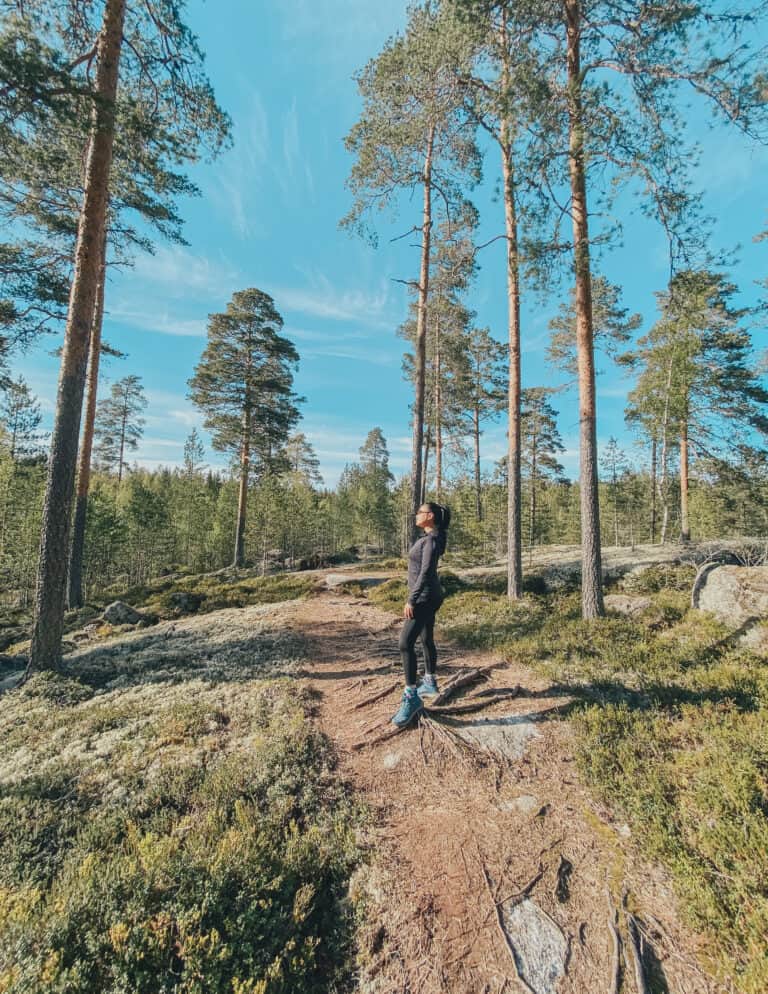
Lahemaa is Estonia’s largest national park, covering 725 km² of bogs, pine forests, manor houses, and Baltic coastline just an hour east of Tallinn. The Viru Bog has a famous 3.5 km wooden boardwalk loop that takes you across the bog without disturbing it. The four restored manor houses (Palmse, Sagadi, Vihula, Kolga) give the park a layered cultural-natural mix.
Practical tip: Lahemaa is the best Estonian national park to visit if you only have time for one. Take a guided day tour from Tallinn or rent a car for two days. Walk the Viru Bog boardwalk in the early morning for the best light. Stay overnight at Sagadi or Vihula manor for the full effect.
11. Soomaa National Park
Soomaa is the flooded forest of Estonia, a national park where every spring (the so-called fifth season, mid-March to mid-April) the rivers overflow and you can canoe or kayak through the trees themselves. Outside the flooding season, you can still walk the boardwalks across the bogs and rivers, and the hand-built dugout canoes (haabjas) are still made by a few local craftsmen.
Practical tip: Soomaa is 2 hours from Tallinn or 1 hour from Pärnu. Time the fifth season for the most surreal experience, but check water levels before booking. Local guides offer canoe trips through the flooded forest. Outside spring, the bog walks are still excellent.
12. Estonian Open Air Museum
The Estonian Open Air Museum (Eesti Vabaõhumuuseum) on the western edge of Tallinn is a 72-hectare park with more than 80 traditional rural buildings (farmhouses, windmills, wooden chapels, schools) reassembled from across the country. Every region of Estonia is represented, and in summer locals in traditional dress demonstrate baking, weaving, and traditional crafts. It is one of the best open-air museums in northern Europe.
Practical tip: it works as a half-day stop on a Tallinn-based trip. Take bus 21 or 21B from Tallinn city center (15 minutes). Visit between May and September for the live demonstrations. Bring a picnic. The museum has a traditional inn for full meals, but the grounds are great for outdoor lunches.
13. Rakvere Castle
Rakvere Castle in northern Estonia is one of the most fun castle ruins in the country, partly because it leans into a medieval-tourism atmosphere. You can walk the ramparts, try archery, watch a falconry show in summer, or descend into the castle dungeon for a slightly campy but enjoyable medieval life experience. The view from the keep over the small town of Rakvere is great.
Practical tip: Rakvere is 90 minutes by bus from Tallinn and works well as a half-day stop on the way to Lahemaa or Narva. Visit between May and September for full opening hours and the live medieval demonstrations. Buy a combined ticket for the dungeon, the ramparts, and the falconry show.
14. Vilsandi National Park
Vilsandi is Estonia’s oldest protected nature area, a small archipelago national park off the western coast of Saaremaa. It is one of the best birdwatching destinations in the Baltic, with around 250 species recorded, including grey seals, eider ducks, and common gulls. The lighthouse on the main island Vilsandi has been operating since 1809.
Practical tip: book a guided boat trip from western Saaremaa to access the islands. Visit between May and August for peak bird activity and warm enough water. Bring binoculars and a windproof layer. The park is also a good destination for kayaking through the small island channels.
Estonia Travel Tips and Best Time to Visit
Late May to early September is the best window for an Estonia trip. Daytime temperatures sit around 18 to 24 °C, the islands and national parks are fully open, and the seaside resort Pärnu is warm enough for swimming from late June through August. Winter (December to February) has its own appeal for the Tallinn Christmas market and the snow-covered Otepää ski hills, but expect short daylight hours (under 7 hours in late December) and cold weather.
For up-to-date opening hours, ferry schedules, and sustainable travel info, check the Visit Estonia official tourism site before booking. You can also pair Estonia with neighboring countries: a 2-hour ferry brings you to Helsinki for a Finland combo, or a wider Scandinavia trip can fold Estonia into Stockholm, Copenhagen, or Oslo routes.
Frequently Asked Questions
How many days do you need in Estonia?
5 to 7 days is the right range for a first Estonia trip. With 5 days, you can cover Tallinn (3 nights), a day trip to Lahemaa National Park, and an overnight in Tartu. 7 days lets you add Pärnu or Saaremaa Island. 10+ days is enough for a country loop including the islands and the eastern border (Narva).
Is Estonia worth visiting in 2026?
Yes, Estonia is worth visiting in 2026. It is one of the most underrated countries in Europe, with a well-preserved medieval Tallinn, more than 2,300 islands, and a strong food and cafe scene. It pairs naturally with Helsinki (2-hour ferry), Riga (4 hours by bus), or a wider Scandinavian trip, and prices are still reasonable compared to Western Europe.
What currency is used in Estonia?
Estonia uses the euro (EUR) since 2011. Cards are accepted virtually everywhere (Estonia is famously digital-first), and ATMs are easy to find in Tallinn, Tartu, and other major cities. Cash is rarely needed except at the smallest island businesses or informal markets.
Is Estonia safe for solo travelers?
Yes, Estonia is safe for solo travelers. It ranks high on the Global Peace Index, has very low violent crime, and tourist areas in Tallinn, Tartu, and Pärnu are well lit and walkable at night. Standard travel precautions apply, especially around Tallinn’s nightlife district at the weekend.
What is the best time of year to visit Estonia?
Late May to early September is the best window. You get long daylight hours (up to 19 hours in June around the summer solstice), open islands and national parks, and warm-enough weather for the Baltic coast. Winter is magical for the Tallinn Christmas market but expect short days and cold weather. Avoid the November-February shoulder for outdoor trips.
Key Takeaways
- The best places to visit in Estonia mix Tallinn’s medieval Old Town with Tartu, Pärnu, and the Baltic islands of Saaremaa and Hiiumaa.
- Plan 5 to 7 days for a first trip, with at least 2 to 3 nights in Tallinn as your base.
- Late May to early September gives you the best balance of weather, daylight, and open attractions.
- Lahemaa is the best national park if you only have time for one. Soomaa is special during the spring fifth season.
- Estonia pairs naturally with Helsinki (2-hour ferry) or Riga (bus) for a wider Baltic or Scandinavian trip.
Final Thoughts
Estonia delivers an outsized trip for what most travelers expect from a small Baltic country. The medieval cities are real, the islands feel like a different world, the food and cafe scene punches well above its weight, and the country pairs beautifully with Finland, Latvia, or a wider Scandinavian loop. Pick a 5-day Tallinn-plus-Lahemaa-plus-Tartu loop for your first visit, then come back for the islands and the eastern border. Save this guide for your trip planning, share it with your travel partner, and check our wider best cities in Europe to visit pillar for the rest of your itinerary.