
The coldest month in Europe is January, with February close behind. January 2026 was Europe’s coldest since 2010. Lapland averages below -20°C, French Alps and Pyrenees got 40-80cm of snow in 24 hours during the first week. Warmest winter destinations: Cyprus (12-18°C January average), southern Spain (10-15°C), Canary Islands (16-22°C). Coldest: Lapland, northern Russia, Iceland’s interior.
January 2026 was Europe’s coldest January since 2010. Lapland averaged below -20°C all month. The French Alps and Pyrenees got 40 to 80cm of snow in 24 hours during the first week. Skiing was excellent. Outdoor sightseeing in Stockholm or Berlin was a different experience.
The coldest month in Europe is January almost everywhere on the continent, with February following close behind. The spread is huge: Cyprus stays at 12-18°C January average while Lapland hits -25°C. Knowing the specific city’s January temperature changes what you pack and what you can actually do.
The 2026 guide to Europe’s coldest month breaks into three parts: which cities to expect what temperatures, where to escape the cold (Cyprus, Canary Islands, southern Spain), and how to travel Europe in deep winter without freezing.
Saving for the winter Europe trip and want a real system?
The Ultimate Budget Planner walks you through saving with monthly targets, real cost categories, and the math that gets you there.
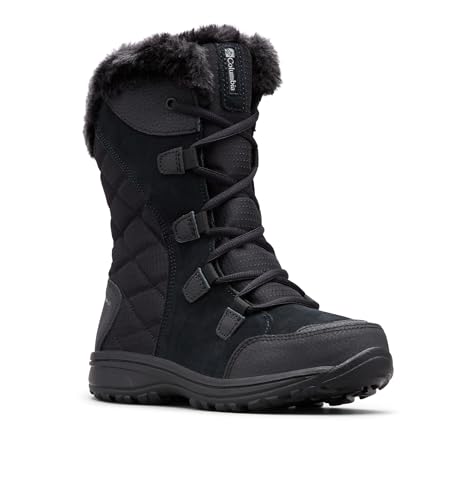
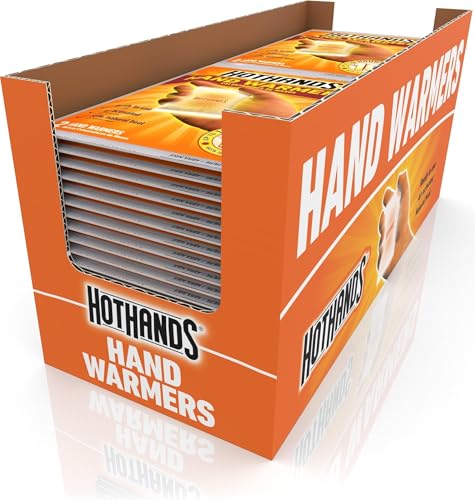
Recommended Winter Europe Essentials



Recommended blogs to read
- Europe in December
- Christmas Markets in Europe
- Places to Visit in Iceland
- Places to Visit in Cyprus
- Europe Travel Tips
What’s the Coldest Month in Each European Region?
Northern Europe (Lapland, Iceland, Norway, Sweden, Finland)
January and February both colder than December. Lapland (Rovaniemi, Saariselkä, Kiruna) averages -15 to -25°C in January with extreme nights to -40°C. Reykjavik averages 0°C with high winds. Oslo and Stockholm average -3 to -7°C with longer cold spells. Daylight is short across all of these (3-4 hours of usable light in Lapland in early January).
UK, Ireland, Low Countries
January and February are coldest but mild compared to continental Europe. London averages 4-7°C in January. Dublin similar. Amsterdam averages 1-5°C. Rain more of a problem than cold. Snow rare in cities, occasional in Scottish Highlands and Welsh mountains.
Central Europe (Germany, Austria, Czech Republic, Hungary)
January coldest. Berlin averages -2 to 3°C. Munich -3 to 1°C. Prague -3 to 2°C. Budapest -2 to 4°C. Vienna -2 to 3°C. Cold snaps drop below -10°C several times per winter. Alps significantly colder with snow guaranteed November through April at higher elevations.
Western Europe (France, Switzerland, Belgium)
January coldest. Paris averages 3-7°C. Lyon similar. Geneva 0-5°C. Snow in Paris is rare but possible. Provence and the south of France average 6-12°C, mild winter. Alpine France (Chamonix, Megève, Val d’Isère) is full ski-resort cold.
Mediterranean (Spain, Italy, Greece, Portugal)
January coldest but mild by European standards. Madrid 2-10°C. Rome 4-12°C. Athens 7-13°C. Lisbon 8-15°C. Barcelona 5-13°C. Sicily and Crete: 8-15°C. Cyprus 8-18°C. Snow possible in Madrid and Rome but rare; common in inland Spain (Madrid sierra) and northern Italian Alps.
Eastern Europe (Poland, Romania, Bulgaria, Baltic states)
January and February equally cold. Warsaw -4 to 0°C with regular sub-zero stretches. Krakow similar. Bucharest -3 to 4°C. Sofia -3 to 4°C. Riga, Tallinn, Vilnius average -5 to -1°C with deep cold snaps. Snow common and beautiful in old towns.
Where Can You Escape Winter in Europe?
Cyprus
Mildest winter on the European continent. January average 12-18°C in Limassol, Paphos, and Larnaca. Mountains (Troodos) get snow above 1,500m, but the coast stays in shirt-sleeve weather. Cyprus holds the EU Council Presidency H1 2026, increasing flight availability from European hubs.
Canary Islands (Spain)
Off the African coast, technically Europe. January average 16-22°C across Tenerife, Gran Canaria, Lanzarote, Fuerteventura. Sea swimmable year-round. Direct flights from major European cities for €100 to €300 round-trip. The genuine sun-in-January option.
Madeira (Portugal)
Atlantic Portuguese island. January average 13-19°C. Sub-tropical climate, dramatic mountain hikes, the laurisilva forest. Less crowded than the Canaries with similar weather.
Southern Spain (Andalusia)
Seville, Málaga, Córdoba, Granada all average 5-15°C in January. Days are often sunny and 12-15°C even when nights drop. Costa del Sol coastal cities especially mild. The Alhambra, Mezquita, and white villages are at their quietest.
Sicily, Crete, and Malta
Southern Mediterranean islands at 8-15°C January average. Not beach weather but mild enough for hiking, exploring archaeological sites, eating outdoors at lunch. Hotel prices 50% below summer.
What About Embracing the Cold?
Lapland for northern lights and Sami culture
January is peak northern lights season. Solar cycle 25 peak through 2025-26 delivers stronger and more frequent displays. Rovaniemi, Saariselkä, Kiruna, Tromsø are the destinations. Activities: reindeer sleigh rides, husky safaris, ice fishing, Sami culture, Aurora hunting. Pack for -25°C.
Alpine skiing
January and February are peak ski season. French Alps (Chamonix, Val d’Isère, Megève), Swiss Alps (Zermatt, Verbier, St. Moritz), Austrian Alps (St. Anton, Kitzbühel, Lech), Italian Dolomites all open. Note the new French Alps green tax: €3-€5 per person per day starting 2026.
Christmas markets (late November to December 23)
The European Christmas market window closes December 24, so this is technically pre-coldest-month. Vienna, Munich, Salzburg, Strasbourg, Prague, and Bruges are the standards. Worth the cold for the glühwein and the atmosphere.
Cheap city breaks in February
February is the cheapest month for European city breaks. Paris, Rome, Madrid, Vienna, Berlin all run 40 to 60% below high-season prices. Cold and gray weather, but museums are empty, restaurants have tables, and the city’s actual character shows. Pack thermal layers and the right boots.
How Do You Pack for the European Coldest Month?
Base layers
Merino wool thermal top and bottom. Two long-sleeve mid-layers. Smartwool, Icebreaker, and Patagonia Capilene are the standards. Avoid cotton base layers (they hold moisture and get cold).
Insulation
Packable down jacket (Uniqlo Ultra Light, Patagonia Nano Puff, Arc’teryx Cerium). Compresses to fist-size, weighs under 500g, warms to about -10°C. Add a wool sweater on top of the down for the coldest days.
Outer shell
Waterproof and windproof. The Patagonia Houdini for mild winter, the Patagonia Torrentshell or Marmot PreCip for serious wet cold. The North Face and Arc’teryx make the premium options.
Boots and accessories
Waterproof winter boots with grip (Sorel, Blundstone winter, La Sportiva). Wool blend socks (Smartwool, Darn Tough). Insulated gloves (heated rechargeable for Lapland), wool scarf, beanie, hand warmers for the worst days. SPF lip balm (sunburned lips in winter are real).
Want a real plan for the winter trip and the gear?
The Savings Tracker’s Planner gives you monthly targets and the math to fund the trip without surprises.
Frequently Asked Questions
What’s the coldest month in Europe?
January almost everywhere, with February close behind. January 2026 was Europe’s coldest January since 2010. Lapland averages -15 to -25°C, Berlin -2 to 3°C, Madrid 2-10°C, Cyprus 8-18°C.
Where is the warmest place in Europe in winter?
Canary Islands (Tenerife, Gran Canaria, Lanzarote, Fuerteventura) at 16-22°C January average. Cyprus at 12-18°C. Madeira at 13-19°C. Southern Spain (Costa del Sol, Andalusia) at 5-15°C. Sicily, Crete, Malta at 8-15°C.
Where is the coldest place in Europe in winter?
Lapland averages -15 to -25°C in January, with extreme nights to -40°C. Northern Russia colder still but mostly off-limits for tourism. Iceland’s interior averages -5 to -10°C with extreme wind chill. Rovaniemi, Saariselkä, Kiruna, and Tromsø are the cold-weather destinations.
Can you see the northern lights in Europe in January?
Yes. January is peak northern lights season. Solar cycle 25 peak through 2025-26 delivers stronger and more frequent displays. Best destinations: Rovaniemi and Saariselkä (Finland), Tromsø (Norway), Abisko (Sweden), Reykjavik area (Iceland).
Is January a good time to visit Europe?
Depends what you want. For city breaks at 40-60% below high season, yes (Paris, Vienna, Rome, Berlin all cheap). For warm-weather, no (head to Cyprus, Canary Islands, southern Spain). For northern lights and skiing, yes. For Mediterranean beach trips, definitely not.
What should you pack for Europe in winter?
Merino thermal base layers, packable down jacket, waterproof outer shell, wool socks, waterproof grippy boots. Add insulated gloves, wool scarf, beanie, hand warmers for Lapland, Iceland, Norway. SPF lip balm year-round in winter.
Key Takeaways
- January is Europe’s coldest month, February close behind. January 2026 was the coldest since 2010.
- Warmest winter spots: Canary Islands (16-22°C), Cyprus (12-18°C), Madeira (13-19°C), Andalusia (5-15°C).
- Coldest spots: Lapland (-15 to -25°C), Iceland interior, northern Sweden and Norway.
- January is peak northern lights season. Solar cycle 25 peak through 2025-26 delivers stronger and more frequent displays.
Final Thoughts
The coldest month in Europe is January almost everywhere, but the temperature spread runs from Cyprus at 18°C to Lapland at -25°C in the same week. Pick your side. If cold is the enemy, Cyprus, the Canaries, Madeira, and Andalusia are the escape. If cold is the feature, Lapland for northern lights, the Alps for skiing, Vienna and Prague at their most atmospheric. The 2026 January cold snap was the deepest in 15 years. Pack the merino base, the waterproof shell, the grippy boots. The continent earned its winter.